
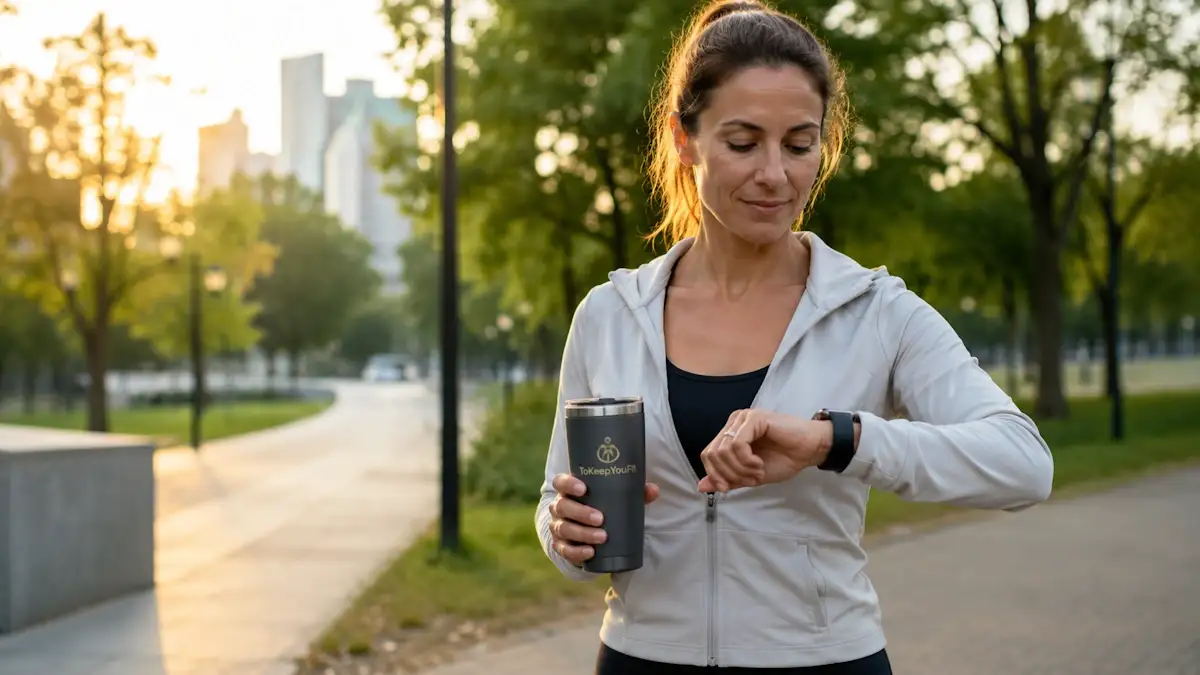
Not every smartwatch is equally good at health tracking. The right one depends on which signals matter most to you, heart trends, sleep, recovery, or simple daily wellness checks.
A watch only helps if you wear it often enough to build a pattern. The best smartwatch for health tracking fits your phone, feels good on your wrist, and gives you data you can trust over time. This guide breaks down the features that matter, how to judge accuracy, and which watches fit different budgets and goals.
What the best smartwatch for health tracking should measure well
Step counts are fine, but they don’t tell the whole story. A better watch watches for change, not just motion, and helps you spot trends in your body over days and weeks.
Heart rate, heart rate variability, and recovery trends
Heart rate tracking matters during workouts and during quiet parts of the day. A good sensor should stay steady through movement, because that makes your training data more useful.
Heart rate variability, or HRV, adds another layer. It gives a rough read on how your body is handling stress and recovery. You don’t need to obsess over one high or low number. The useful part is the trend. If your HRV drops for several days and your resting heart rate climbs, your body may be under more strain than usual.
Sleep stages, sleep timing, and overnight recovery signals
Sleep tracking works best when it shows a simple pattern. Duration, bedtime consistency, and wake-ups matter more than a perfect sleep-stage chart.
Many watches estimate light, deep, and REM sleep, but those numbers are still estimates. The stronger clue is how they line up with your morning energy and your weekly routine. Overnight resting heart rate and breathing trend data can also help you see whether your body is settling down well at night.
Blood oxygen, ECG, temperature, and stress tracking
These features add context when they work together. Blood oxygen can give you a rough look at oxygen saturation trends, especially overnight or at altitude. ECG is useful for capturing a short snapshot of heart rhythm. Temperature sensing can show small shifts that may line up with recovery or sleep disruption.
Stress tracking often uses HRV, heart rate, and movement to estimate load. It is best used as a guide, not a verdict. These tools are most useful when they support the bigger picture of how your body usually behaves.
How to choose the right smartwatch without getting distracted by flashy extras
A watch can have ten sensors and still disappoint you if it’s bulky, hard to charge, or annoying to use. Comfort matters because health tracking depends on repeat wear.
The best health data comes from a watch you’ll keep on for most of the day and night.
Accuracy, comfort, battery life, and app quality
Accuracy should be consistent, not perfect. If heart rate, sleep, and recovery data bounce around for no clear reason, the watch becomes hard to trust.
Battery life matters more than many buyers expect. If you skip nightly charging, sleep tracking gets patchy. A strong app matters too, because raw numbers don’t help much if the trends are buried. Good software makes it easy to see patterns, compare weeks, and notice when something changes.
iPhone or Android, budget or premium, simple or advanced
Phone compatibility cuts the field fast. Apple Watch works best with iPhone. Samsung is strongest with Android. Garmin and Fitbit are more flexible across platforms, which gives them broader appeal.
Budget also shapes the choice. Premium watches usually give you better screens, richer apps, and more polished sensors. Lower-priced models can still track the essentials well, especially if your goal is sleep, daily heart rate, and basic recovery signals.
Who should pick the Apple Watch, Garmin, Fitbit, or Samsung Galaxy Watch
If you want the most complete health and app experience on iPhone, Apple Watch is the easy place to start. If training data and battery life matter more, Garmin is hard to ignore. Garmin also publishes a helpful guide to choosing the right Garmin smartwatch if you want to sort models by wellness, running, or outdoor use.
Fitbit fits people who want a simpler wellness view without paying premium prices. Samsung works well for Android users who want broad health features and solid daily use. Each brand has a different shape, so the best fit depends on how you live, not just what the spec sheet says.
Best smartwatch for health tracking: a simple comparison of top picks
Here’s a quick side-by-side look at the watches that matter most for health tracking.
| Watch | Platform | Health sensors | Battery life | Strengths |
|---|---|---|---|---|
| Apple Watch Series 10 | iPhone | Heart rate, ECG, blood oxygen, temperature sensing, sleep tracking | About 18 hours | Strong app support, polished alerts, easy daily use |
| Garmin Venu 3 | iPhone, Android | Heart rate, sleep, pulse ox, stress, Body Battery | Up to 14 days | Long battery life, recovery focus, strong training tools |
| Fitbit Sense 2 | iPhone, Android | Heart rate, sleep, ECG, EDA stress, SpO2 | About 6 days | Simple wellness tracking, lighter price, easy trend view |
| Samsung Galaxy Watch7 | Android | Heart rate, ECG, blood oxygen, sleep, body composition | About 40 hours | Strong Android fit, broad health tools, balanced daily use |
Apple is the cleanest all-around choice for iPhone users. Garmin is strongest when you care about recovery, training load, and battery life. Fitbit gives you the easiest low-cost path into health tracking. Samsung is the best Android-first balance for people who want a smart watch that also covers wellness well.
Top pick for overall health tracking
Apple Watch Series 10 is the most balanced option for most iPhone users. It tracks the core health signals well, and its app experience makes those numbers easy to use. That matters because useful health tracking depends on frequent wear, not just a long list of features.
Best choice for fitness and recovery data
Garmin Venu 3 is the better pick if your workouts matter as much as your wellness data. It gives you strong recovery clues, long battery life, and a clean view of how your body is handling training. That makes it easier to plan hard days, easy days, and rest.
Best budget pick for everyday wellness monitoring
Fitbit Sense 2 is the value choice here. It covers heart rate, sleep, and stress well enough for most people who want a daily health check-in. The tradeoff is a simpler platform and fewer premium extras, but the essentials are solid.
Conclusion
The best watch is the one that matches your phone, budget, comfort needs, and health priorities. A watch with great sensors still falls short if you don’t wear it enough to build reliable trends.
If you use an iPhone, start with Apple Watch. If recovery and battery matter most, look at Garmin. If you want value, Fitbit is a smart entry point. For Android users who want a strong all-around option, Samsung makes the most sense. Consistency matters more than chasing every feature.
🛡️ Safety Notes & Dietary Interactions
- Trend Monitoring and Data Interpretation
Health tracking works best when viewed as a long-term trend. Single readings often matter less than consistent patterns observed across weeks of sleep, recovery, heart rate, and daily activity data. - Recovery Metrics and Context Awareness
Metrics such as HRV, resting heart rate, and sleep scores are most useful when interpreted alongside training load, stress levels, and overall lifestyle habits rather than in isolation. - Wear Consistency and Tracking Accuracy
Even advanced sensors provide limited value if the watch is not worn regularly. Consistent wear often improves the usefulness of recovery, sleep, and wellness trend analysis. - Technology Support and Lifestyle Integration
A smartwatch should support healthy habits rather than create unnecessary stress. Simpler devices that encourage long-term adherence often provide more practical value than feature-heavy models that feel overwhelming.
FAQ
What health features matter most in a smartwatch?
For most people, heart rate monitoring, sleep tracking, resting heart rate, activity tracking, and recovery-related metrics provide the most useful information. Advanced tools such as ECG, blood oxygen monitoring, and temperature sensing can add context, but long-term trends usually offer more practical value than individual measurements.
Is heart rate variability really useful?
HRV can provide insight into how the body is responding to stress, training, sleep, and recovery demands. The most useful approach is tracking trends over time rather than reacting to daily fluctuations. Changes observed across several days often provide more meaningful context than any single reading.
Are smartwatch sleep stages accurate?
Sleep stage estimates have improved significantly, but they remain approximations rather than clinical measurements. Many users benefit more from tracking sleep duration, bedtime consistency, nighttime awakenings, and recovery trends. These broader patterns often provide clearer insights into sleep quality than focusing exclusively on individual sleep stage percentages.
Which smartwatch is best for fitness and recovery tracking?
Garmin devices are often favored by people who prioritize training load, recovery metrics, and battery life. Their wellness ecosystem focuses heavily on performance, readiness, and long-term trend analysis. For active users who want deeper recovery insights alongside fitness tracking, Garmin remains one of the strongest options available.
Should I buy a smartwatch mainly for health tracking?
A smartwatch can be a valuable tool when it helps reinforce awareness and consistency. The most useful devices make it easier to spot changes in sleep, activity, recovery, and stress patterns over time. However, the watch works best as a source of information rather than a replacement for healthy daily habits.

Disclaimer: This content is provided for educational and informational purposes only and should not be considered medical advice, diagnosis, or treatment. Individual responses to nutrition, exercise, sleep, recovery, and wellness practices may vary. Always consult a qualified healthcare professional before making significant health, dietary, fitness, or lifestyle changes. ToKeepYouFit does not diagnose, treat, cure, or prevent any disease. Please review our Disclaimer & Terms of Use for additional information.