
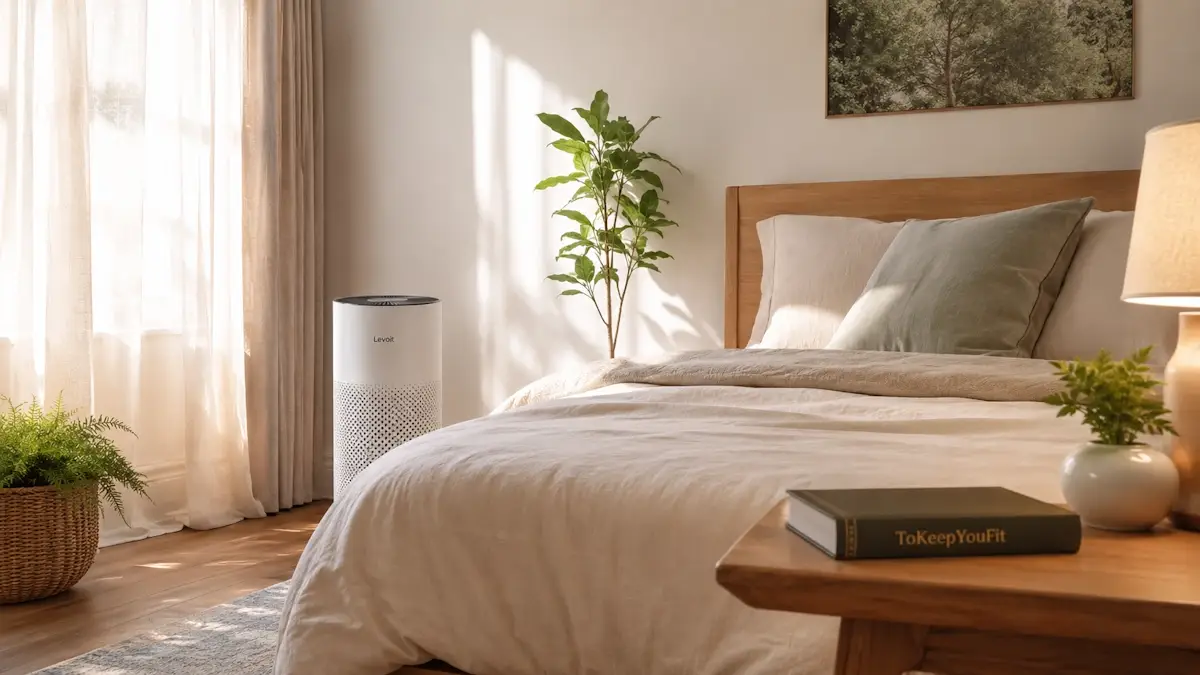
Bedroom air changes how sleep feels. Dust, pet dander, pollen, smoke, and VOCs can hang in a room long after the day ends, and that can make breathing feel less comfortable at night. Cleaner air often means a calmer room, less stale odor, and a better start the next morning.
The best air purifier for bedroom wellness is quiet, sized for the space, and easy to run overnight. It should support low-stress breathing without bright lights, harsh fan noise, or a maintenance routine you’ll avoid. The right pick fits your sleep habits first, then your room layout.
What makes the best air purifier for bedroom wellness?
A bedroom purifier should work for one room, not the whole house. That matters because a unit built for a large living room can feel too loud or too bulky in a small sleep space. In a bedroom, comfort matters as much as airflow.
Look for the right CADR and room size match
CADR means clean air delivery rate. In simple terms, it tells you how fast the purifier can move filtered air through a room. Match that number to your bedroom square footage, then check the coverage at the speed you’ll actually use at night.
A unit that is too small will struggle to keep up. A unit that is too large can create more noise than you want in a sleep space. Bigger is not always better, especially if the machine pushes you to use a louder setting.
Choose a true HEPA filter for fine particles
A true HEPA filter captures tiny airborne particles such as dust, pollen, pet dander, and some smoke particles. That matters in bedrooms because you spend long hours in one enclosed room. Smaller particles stay suspended longer, so filtration quality matters.
Avoid vague labels like “HEPA-type” if you want a clearer performance target. Those filters may not meet the same standard, and the difference shows up most when the room gets dusty or pollen levels rise. True HEPA gives you a cleaner baseline.
Pay attention to noise, sleep mode, and light control
Bedroom wellness depends on what you notice at 2 a.m. A purifier should fade into the background, not pull your attention back to the machine. Look for a quiet sleep mode and a low fan setting that still moves enough air for the room size.
Light matters too. Bright displays can keep the room feeling alert, so dimming options and screen-off modes are worth checking. If the unit feels calm at night, you’re more likely to use it every night.
Which features actually improve bedroom wellness at night?
Some features help because they reduce friction. Others sound useful but don’t change much once the unit is running. Focus on controls that respond to the room, remove common irritants, and stay easy to live with.
Air quality sensors and auto mode can make things easier
Built-in air quality sensors watch the room and adjust fan speed when particles rise. That helps when dust gets kicked up, when smoke drifts in, or when odors enter from the hallway or outside. Auto mode also cuts down on guesswork.
It can save energy, too, because the purifier doesn’t need to run at full blast all night when the air is already clean. For a broader buying guide, see Consumer Reports’ air purifier buying guide.
Activated carbon helps with odors and gases
An activated carbon layer helps reduce common bedroom smells and can capture some airborne chemicals from cleaning sprays, new furniture, or fresh paint. If your room smells stale after closed-window nights, that layer can make the space feel fresher.
Carbon weight matters. Thin sheets help less with odor, while a thicker carbon bed usually does more. Still, no filter removes every smell, so keep your expectations grounded.
Filter replacement costs matter more than people think
The best purifier on paper will not help much if the filters are hard to find or too expensive to replace. Check the replacement schedule before you buy, then compare the yearly cost. Easy maintenance keeps the unit performing the way it should.
Look for clear filter-change alerts, washable pre-filters, and replacement parts that are easy to order. A purifier that sits dirty loses airflow, and less airflow means less cleaning.
A purifier only helps when the filter stays clean and the machine stays easy to run.
How to compare bedroom air purifiers before you buy
Before you pick a model, compare the numbers that matter in daily life. A polished product page can hide a loud fan, pricey filters, or a room-size claim that doesn’t fit your space. Side-by-side comparison makes the tradeoffs clear.
| Factor | Good bedroom target | Why it matters | Watch for | Best fit for |
|---|---|---|---|---|
| Room size coverage | Matches your bedroom square footage | Cleaner air without overwork | Oversized claims | Small to mid-size bedrooms |
| Noise level | Low noise on sleep mode | Protects sleep | Loud high-speed fans | Light sleepers |
| Filter type | True HEPA plus carbon | Particles and odors | Vague HEPA labels | Dust, pollen, pet homes |
| Upkeep cost | Affordable, easy-to-find filters | Keeps use consistent | Pricey or rare filters | Long-term ownership |
| Controls and lights | Dimmable display, simple controls | Less sleep disruption | Bright screens | Shared or dark bedrooms |
The best choice usually wins on balance, not on one headline spec. If two models clean the same size room, pick the quieter one with cheaper filters and better night mode.
Think about bedroom habits, pets, and sensitivity to dust
Your routine changes the answer. If you sleep with the window cracked, pollen can ride in overnight. If you share the room with a dog or cat, a stronger pre-filter and true HEPA setup help with pet dander and hair.
People who want a nearly silent room should favor lower fan noise over extra power. People in smoke-prone areas should care more about CADR and carbon. A practical checklist can help here, like this air purifier guide.
Conclusion
The best air purifier for bedroom wellness is the one you can forget about once it starts running. It should be quiet, sized for the room, simple to maintain, and built for the particles and odors that show up in your bedroom.
When those pieces come together, the room feels better at night and easier in the morning. You sleep more soundly and feel less tired after sleeping 8 hours. That is the kind of clean-air setup that pays off night after night.
🛡️ Safety Notes & Dietary Interactions
- Airflow Consistency and Indoor Comfort
Air purifiers work best when they run consistently. Intermittent use may reduce overall effectiveness, especially in rooms where dust, pollen, or pet dander accumulate throughout the day. - Filter Maintenance and Performance Stability
A clogged filter can reduce airflow and filtration efficiency. Following recommended maintenance schedules helps support consistent performance and keeps the purifier operating as intended. - Sleep Environment and Sensory Load
Noise levels, display brightness, and airflow patterns can influence sleep comfort. A quieter unit with dimmable controls is often easier to integrate into a long-term bedroom routine. - Particle Reduction and Bedroom Wellness
Reducing airborne particles may help create a cleaner indoor environment. However, air purification works best alongside good ventilation, regular cleaning habits, and appropriate humidity management.
FAQ
What type of filter is best for a bedroom air purifier?
A true HEPA filter is often considered the best option for capturing common airborne particles such as dust, pollen, pet dander, and fine particulate matter. Many bedroom users also benefit from an activated carbon layer, which can help reduce odors and certain airborne compounds that contribute to stale indoor air.
Does an air purifier improve sleep quality?
An air purifier does not directly cause sleep, but cleaner air may contribute to a more comfortable sleeping environment. People who are sensitive to dust, pollen, pet dander, or odors often find that reducing airborne irritants helps create a bedroom that feels calmer and easier to rest in.
How large should an air purifier be for a bedroom?
The purifier should be sized appropriately for the room’s square footage. A unit that is too small may struggle to maintain effective filtration, while an oversized model may produce more noise than necessary. Matching room size recommendations and CADR ratings to the actual bedroom usually provides the best balance.
Is it safe to run an air purifier all night?
Most modern air purifiers are designed for continuous operation and are commonly used overnight. Many include sleep modes, automatic fan adjustments, and dimmable displays that make long-duration use more comfortable while helping maintain consistent air filtration throughout the night.
How often should air purifier filters be replaced?
Replacement schedules vary by model, room conditions, and usage patterns. Many manufacturers recommend replacing HEPA filters every six to twelve months, although heavily used units may require more frequent maintenance. Checking filters regularly helps maintain airflow, filtration efficiency, and overall device performance.

Disclaimer: This content is provided for educational and informational purposes only and should not be considered medical advice, diagnosis, or treatment. Individual responses to nutrition, exercise, sleep, recovery, and wellness practices may vary. Always consult a qualified healthcare professional before making significant health, dietary, fitness, or lifestyle changes. ToKeepYouFit does not diagnose, treat, cure, or prevent any disease. Please review our Disclaimer & Terms of Use for additional information.