
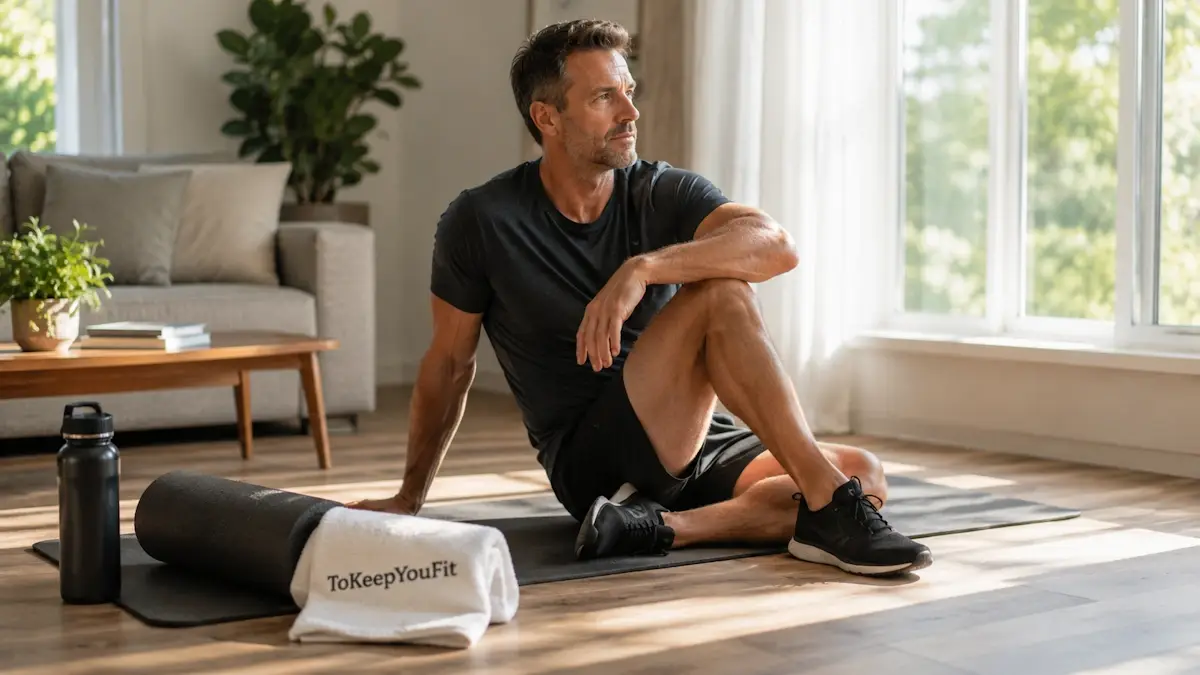
Muscle soreness after a hard workout can feel normal, then suddenly stop feeling normal. You finish training, wait a day or two, and the tightness still hangs around like it missed the memo.
That is where the confusion starts. Some soreness is expected, but soreness that keeps lingering, keeps coming back, or seems to build with every session usually means your recovery is not keeping pace with the stress.
If you’ve been wondering why your muscles stay sore for so long, the answer is often a mix of training load, sleep, fuel, hydration, and timing. A few clear checks can help you sort out what is normal and what needs a change.
What muscle soreness is, and when it is still normal
Delayed onset muscle soreness, or DOMS, usually shows up 24 to 72 hours after exercise. It often follows a new workout, a bigger load, or a lot of lowering motions like squats, lunges, and downhill running. The muscle fibers take on small amounts of stress, then your body repairs and adapts. For a plain-language overview, see Cleveland Clinic’s guide to delayed onset muscle soreness.
Normal soreness tends to feel dull, stiff, or tender. You may notice it when you sit down, stand up, or reach for something overhead. It should ease a little as you warm up and then settle over time.
The difference between workout soreness and a possible warning sign
Workout soreness usually spreads across a muscle group. It feels like stiffness, pressure, or a mild drop in strength.
A warning sign often feels different. Sharp pain, swelling, numbness, or pain in one exact spot needs more attention. Pain that gets worse each day instead of better also falls outside the usual pattern.
How long sore muscles should usually last
Most routine soreness fades within a few days. After a hard or unfamiliar session, it can last a bit longer, but it should keep trending down.
If soreness stays intense for many days, returns every time you train, or makes normal movement hard, recovery may be lagging behind the stress you are placing on the tissue.
Why muscles stay sore longer than they should
The most common reason is simple, you asked for more than your system was ready to handle. A sudden jump in weight, volume, sprint work, hill work, or a new class can create more muscle damage than your body is used to. Research on exercise-induced muscle damage shows that unaccustomed eccentric work often creates more structural stress, which can extend soreness.
You may be doing too much too soon
Muscles adapt, but they need a ramp-up. If Monday is a hard leg day and Tuesday repeats the same pattern, the tissue never gets a clean window to repair.
That problem shows up fast with eccentric work, where muscles lengthen under load. Lowering a weight slowly, running downhill, and landing from jumps all ask for more control, so soreness can last longer when those moves pile up.
Your recovery system may be underpowered
Training breaks tissue down a little. Recovery rebuilds it. That rebuild needs sleep, protein, fluids, calories, and rest.
Sleep supports repair signals and nervous system reset. Protein gives your body amino acids for tissue repair. Fluids help blood flow and nutrient delivery. Enough food helps refill glycogen, which matters when your muscles feel flat and tired. For practical recovery tips, Houston Methodist’s guide to workout soreness covers the value of rest, light movement, and hydration.
Stress, low sleep, and dehydration can make soreness linger
High stress keeps your system more alert, and poor sleep lowers your ability to recover from training. Both can make soreness feel louder than it should.
Dehydration adds another layer. When fluids and electrolytes are low, muscle contraction and circulation suffer, and that can leave you feeling tight, heavy, and slow to bounce back.
When sore muscles point to something more than normal recovery
Some soreness is routine. Some patterns need a closer look.
Pain that stays severe, gets worse, or shows up with swelling and weakness deserves attention.
Look for signs that do not fit regular soreness:
- Severe swelling that keeps building
- Weakness that feels unusual for the workout you did
- Pain in one exact spot, especially near a joint
- Fever, nausea, or feeling ill
- Dark urine after heavy exertion
- Soreness that stays intense with no improvement
Some people also recover more slowly because of age, repeated strain, low activity, nutrient gaps, or medical conditions that affect muscle function or inflammation. That does not mean something is wrong, but it does mean your recovery needs may be different.
What to do when your muscles keep feeling sore
The goal is to lower stress a little and give repair systems a better chance to catch up. Small changes often help more than a complete shutdown.
| Habit | What it does | Best time and person | Time needed | Common mistakes |
|---|---|---|---|---|
| Light movement | Boosts blood flow and eases stiffness | The day after hard training, especially for tight legs or back | 10 to 20 minutes | Going hard enough to trigger more soreness |
| Sleep | Supports repair, hormone balance, and nervous system reset | Every night, especially after hard sessions | 7 to 9 hours | Cutting sleep short after late workouts |
| Protein | Supplies amino acids for tissue repair | After training and across the day | A meal or shake | Waiting too long to eat |
| Hydration | Supports circulation and muscle function | Before, during, and after sweat-heavy work | All day | Drinking only when you feel thirsty |
| Easier training days | Reduces repeat stress on sore tissue | When soreness is still strong | One session or more | Repeating the same hard workout too soon |
Simple recovery habits matter because they support the systems that do the actual repair work. Protein helps rebuild tissue. Sleep helps the nervous system settle. Hydration keeps fluid balance in a better range. Light movement helps circulation without adding more damage.
How to adjust training so soreness improves, not repeats
If soreness keeps coming back, lower the load before you stop training altogether. Cut back on volume, shorten your sets, or use lighter weights for a week. Start each session with a light warm-up, controlled reps, and a simple stretching routine, then build up more slowly.
Pacing matters most. When you hit the same hard stimulus too often, muscles stay stuck in a cycle of stress and repair. A slower build, plus a few easier sessions, usually works better than pushing through the same pain every time.
Conclusion
Long-lasting soreness usually means recovery is not matching the stress you placed on your muscles. The most common causes are too much, too soon, plus weak sleep, low fuel, poor hydration, or too little rest.
If your soreness feels like the usual dull post-workout kind, give it time and support the basics. If it is sharp, severe, or paired with unusual signs, pay attention sooner. Small changes in sleep, food, water, and training load can make a bigger difference than most people expect.
🛡️ Safety Notes & Dietary Interactions
- Recovery Capacity and Training Load Balance
Muscle adaptation occurs during recovery, not during the workout itself. When training stress repeatedly exceeds recovery capacity, soreness may linger longer and performance can feel progressively less stable. - Protein Availability and Tissue Repair
Adequate protein intake helps provide the amino acids needed for muscle remodeling. Consistent intake across the day may support more efficient recovery than relying on a single large meal. - Sleep Quality and Muscular Recovery
Sleep supports many of the physiological processes involved in tissue repair and nervous system recovery. Poor sleep often makes soreness feel more intense and can slow the return to normal training readiness. - Hydration Status and Muscle Function
Fluids support circulation, nutrient transport, and normal muscle function. Inadequate hydration may contribute to feelings of stiffness, reduced performance, and slower recovery following demanding exercise sessions.
FAQ
Why do my muscles stay sore longer than they used to?
Recovery needs often change with training volume, age, stress levels, sleep quality, and overall lifestyle demands. A workout that felt manageable months ago may create more recovery demand today if other factors are reducing your ability to repair and adapt efficiently between sessions.
Is muscle soreness a sign of a good workout?
Not necessarily. Soreness can occur after productive workouts, but it is not a reliable measure of training quality. Many effective training programs improve strength, fitness, and performance with minimal soreness. Progress is generally measured by adaptation and consistency rather than by how sore you feel afterward.
Can poor sleep make soreness last longer?
Yes. Sleep plays a central role in recovery, tissue repair, and nervous system regulation. When sleep quality or duration declines, muscles may take longer to recover from training stress. Many people notice that soreness feels more intense and persists longer after periods of inadequate sleep.
Does dehydration affect muscle soreness?
Hydration influences circulation, muscle function, and nutrient delivery. While dehydration is not always the primary cause of soreness, low fluid intake may contribute to feelings of tightness, fatigue, and slower recovery. Maintaining hydration throughout the day supports the body’s overall recovery processes.
When should prolonged muscle soreness be taken seriously?
If soreness becomes unusually severe, continues worsening, causes significant weakness, involves swelling, or is accompanied by symptoms such as fever, nausea, or dark urine, it may warrant prompt medical attention. Normal exercise-related soreness should gradually improve, not become progressively more intense over time.

Disclaimer: This content is provided for educational and informational purposes only and should not be considered medical advice, diagnosis, or treatment. Individual responses to nutrition, exercise, sleep, recovery, and wellness practices may vary. Always consult a qualified healthcare professional before making significant health, dietary, fitness, or lifestyle changes. ToKeepYouFit does not diagnose, treat, cure, or prevent any disease. Please review our Disclaimer & Terms of Use for additional information.