
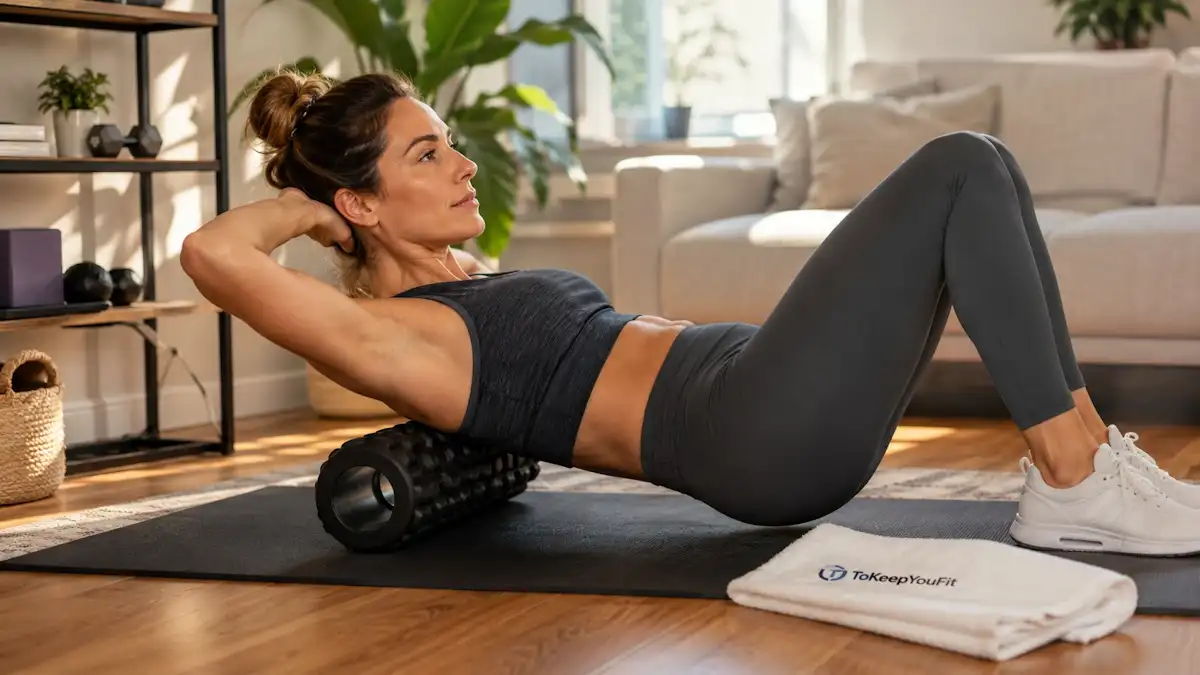
A foam roller should make movement feel smoother, not turn recovery into a wrestling match. When the pressure is right, it supports circulation, tissue glide, and the sensory feedback that helps your body adapt to load.
Beginners often buy rollers that are too hard, too textured, or shaped for advanced use. The result is usually the same, too much tension and not enough control. This guide keeps the choice simple, so you can find the best foam roller for beginners and use it without overdoing it.
The features that matter most in a beginner foam roller
The right roller should feel predictable before it feels intense. Three details matter most: density, texture, and size.
Choose the right density so it feels helpful, not painful
Soft rollers spread pressure and feel forgiving. Medium-density rollers add feedback without a hard bite. Firm rollers create more load, but they can feel sharp fast.
Most first-time users do best with medium or softer foam because it gives the body time to adapt. If the pressure feels punishing, people usually stop using the roller. A good first buy should support tissue work, not make you brace up before you start.
Pick a texture that matches your comfort level and goals
Smooth rollers give an even feel across calves, quads, glutes, and upper back. That makes them easier to understand on day one. Ridged or grid-style rollers create more local pressure, which can help later when you know where you want extra input.
For beginners, simple usually wins. Texture can be useful, but it also raises the intensity fast. If you want a calm starting point, keep the surface smooth.
Look at size, length, and surface stability before you buy
A longer roller, often around 36 inches, gives you more room to move and balance. That can matter a lot when you are still learning body position and breathing control.
Short travel rollers are handy, but they give less surface area and less stability. A steady base helps you relax into the motion instead of fighting the tool. That makes the whole session easier to repeat.
Best foam roller for beginners: the top styles to consider
The best beginner choice is the one that gives steady pressure without making you tense up. This comparison keeps feel, pressure, and control easy to compare.
| Roller type | Surface feel | Pressure profile | Best for | Beginner tradeoff |
|---|---|---|---|---|
| Soft foam roller | Cushioned and forgiving | Low to moderate input | Sensitive users, first-time rollers | Less depth on tight spots |
| Medium-density roller | Balanced and steady | Moderate feedback | Most beginners | Can feel firm on tender areas |
| Smooth massage roller | Even and simple | Consistent pressure | Full-body basics | Less targeted pressure |
| Textured grid roller | Firm and focused | Localized pressure | Users ready for more intensity | Can feel harsh fast |
A broad guide like how to choose the best foam roller points to the same pattern, smooth and medium-size rollers are usually easier for new users.
Soft foam rollers for first-time users who want a gentle start
Soft rollers are a smart pick if you are sensitive to pressure or nervous about discomfort. They lower the sensory load, which helps your body settle instead of guarding against the roller. The tradeoff is simple, they do not press as deep into tight areas.
Medium-density rollers for the best balance of comfort and support
Medium-density models are the safest default for most beginners. They give enough feedback to support tissue work, but they usually stay comfortable enough for regular use. That balance makes them the strongest all-around choice for learning.
Smooth massage rollers for easy full-body use
Smooth rollers are easy to control because the pressure stays even. They work well for calves, quads, upper back, and glutes, where beginners often want a simple start. If you want less guesswork, this style is hard to beat.
Textured rollers for people who want more targeted pressure later
Textured rollers can target specific spots, but they feel intense sooner. Use them after you know how your body responds to pressure and you can keep your breathing steady. For most beginners, they work better as a second purchase.
How to use a foam roller safely when you are just starting out
Foam rolling works best when you keep the dose small at first. Start with short passes, slow movement, and normal breathing. If you brace hard or hold your breath, the pressure is too high.
Tenderness is fine. Sharp pain is not.
After a few sessions, your body usually adapts and the same roller feels easier to manage. That is a good sign that your pressure choice is working.
Start with short sessions and light pressure
A few passes per area is enough at the start. You are not trying to force a deep change in one session. You are giving your tissues and nervous system clear, repeatable input. That is how the work becomes sustainable.
Focus on the safest areas first, like calves, glutes, and upper back
These areas are easier to position and easier to control. They also let you learn how pressure feels without putting stress on sensitive joints. Skip the lower back, any joint, and any spot that sends sharp pain.
If you want a simple price reference while you shop, this 2026 foam roller budget roundup shows how basic models compare across price points.
Simple mistakes to avoid when buying your first foam roller
The biggest buying errors usually come from chasing intensity too soon. A roller should help you build tolerance, not test your pain limit.
Do not choose a roller that is too hard or too aggressive
Pain does not mean better results. A roller that feels brutal on day one usually gets ignored by day three. The better pick is the one you can use often enough to build a habit.
Avoid buying a specialty roller before you know the basics
Complex shapes and very sharp textures can distract you from learning simple control. A plain, stable roller gives you a better read on what your body likes. You can always upgrade later if you need more pressure.
Conclusion
The best foam roller for beginners is usually a medium or soft, smooth roller that feels stable and easy to control. That setup gives you enough pressure for useful feedback without pushing you into tension.
Start simple, stay gentle, and pay attention to how your body responds. If you can roll with steady breathing and no bracing, you picked well. The best roller is the one you will reach for again tomorrow.
🛡️ Safety Notes & Dietary Interactions
- Progressive Tissue Loading and Adaptation
Foam rolling works best when pressure increases gradually. Starting with moderate intensity may help improve comfort, consistency, and tissue tolerance without creating excessive guarding or unnecessary soreness. - Nervous System Response and Pressure Tolerance
The sensation of tightness is not always a tissue problem. Foam rolling may influence sensory feedback and muscle tone, which is one reason gentler rollers often work better for beginners than highly aggressive models. - Recovery Integration and Movement Quality
Foam rolling tends to work best when combined with mobility exercises and regular movement. It can support preparation and recovery, but it should complement rather than replace active movement strategies. - Breathing Control and Recovery Feedback
If rolling causes breath-holding or excessive bracing, the pressure is likely too high. Smooth breathing is often a useful sign that the chosen intensity remains appropriate for productive recovery work.
FAQ
What is the best type of foam roller for beginners?
Most beginners do best with a medium-density or softer smooth roller. These models provide enough pressure to create useful feedback without feeling overly aggressive. The goal is to build a consistent recovery habit rather than chasing intensity. A roller that feels comfortable enough to use regularly is usually the best long-term choice.
Why are hard textured foam rollers not ideal for beginners?
Highly textured rollers create more concentrated pressure and can feel significantly more intense. While some experienced users enjoy that sensation, beginners often respond by tensing muscles and holding their breath. That reaction may reduce comfort and consistency, making it harder to develop a sustainable foam rolling routine.
Does foam rolling actually improve mobility?
Foam rolling may temporarily improve movement quality and range of motion by influencing tissue sensitivity, circulation, and nervous system feedback. While it is not a substitute for strength training or mobility work, many people find that movement feels smoother and more comfortable when foam rolling is combined with active exercises.
How long should a beginner spend foam rolling?
Short sessions usually work best. Spending one to two minutes on major muscle groups is often enough for beginners. The goal is not to create discomfort but to provide manageable input that supports recovery and movement quality. Consistency over time tends to be more valuable than lengthy sessions.
What areas are safest to start foam rolling?
Calves, glutes, upper back, and quadriceps are often good starting points because they are relatively easy to position and control. Beginners should generally avoid rolling directly over joints, the lower back, or any area that produces sharp pain. Controlled pressure and steady breathing are usually the best indicators of a productive session.

Disclaimer: This content is provided for educational and informational purposes only and should not be considered medical advice, diagnosis, or treatment. Individual responses to nutrition, exercise, sleep, recovery, and wellness practices may vary. Always consult a qualified healthcare professional before making significant health, dietary, fitness, or lifestyle changes. ToKeepYouFit does not diagnose, treat, cure, or prevent any disease. Please review our Disclaimer & Terms of Use for additional information.