

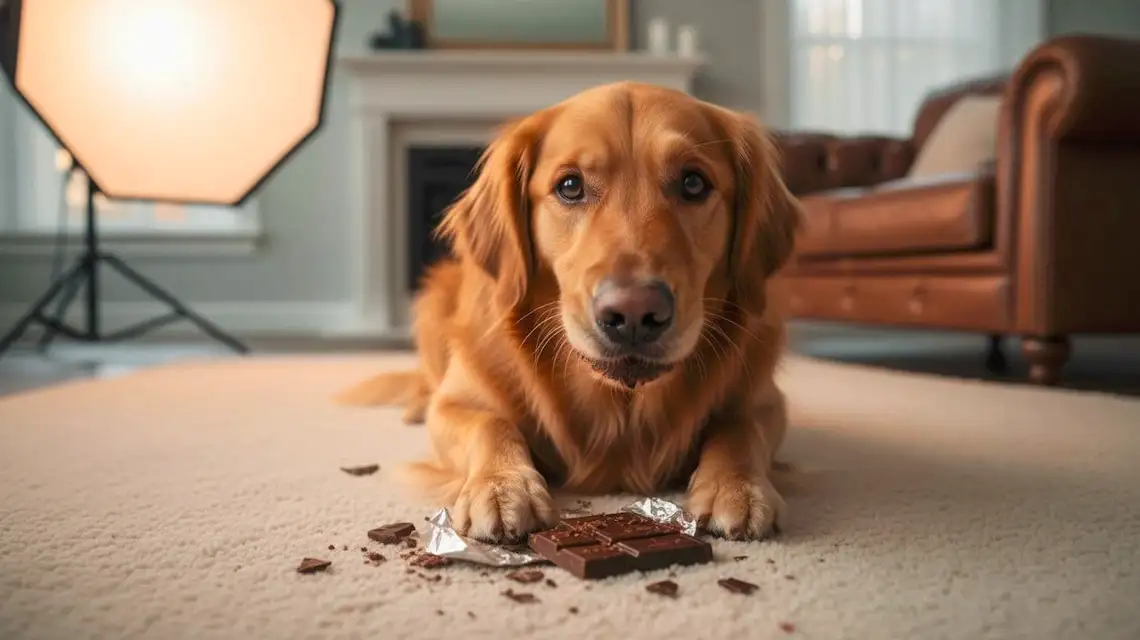
Chocolate looks harmless, but it contains theobromine and caffeine, which are toxic to dogs. Minutes matter when you spot a mess of candy wrappers or a missing brownie. If you’re searching for what to do if dog eats chocolate, here’s your quick plan: check what and how much was eaten, call a vet or a pet poison helpline, follow their instructions, and watch for symptoms. You’ll find simple steps, a quick risk guide, and prevention tips below, so you can act with calm and confidence.
What to do if your dog eats chocolate, step by step
The safest plan for what to do if dog eats chocolate starts with speed and facts, then a phone call to a professional. Your goal is to help your vet make fast decisions.
- Get the wrapper, note the type of chocolate, estimate the amount, and write down the time eaten.
- Grab your dog’s current weight and any health issues. Keep your dog close and calm.
- Call your vet or a pet poison helpline right away. Share the details you collected.
- Follow instructions exactly. Timing matters, since decontamination works best within the first couple of hours.
- Monitor your dog closely for symptoms for at least 24 hours, even if they seem fine.
For a quick estimate while you call, you can use a reputable tool like the Dog Chocolate Toxicity Meter. Treat calculator results as estimates, not a final answer. If the amount eaten is unknown, the chocolate is very dark or baking grade, or your dog is tiny, treat it as urgent and head to an emergency clinic.
Check the type and amount of chocolate, plus your dog’s weight
Gather the wrapper and list the chocolate type, like baking, dark, semi-sweet, milk, or white. Note the amount, the time eaten, and your dog’s weight, age, and health conditions. Darker chocolate has more theobromine and caffeine, so it is riskier than milk chocolate. White chocolate is lowest risk, but large amounts can still upset the stomach. Use a trustworthy calculator to estimate risk while you call your vet, such as the PetMD tool linked above. A vet should always confirm the plan, because brands vary and your dog’s health can change risk.
Call your vet or a pet poison helpline now
Calling is the fastest way to protect your dog. Share your dog’s weight, the chocolate type and amount, the time eaten, any current symptoms, and medicines your dog takes. Go straight to an emergency clinic if your dog is very small, ate baking or dark chocolate, or shows vomiting, tremors, a fast heart rate, or seizures. This is time sensitive, because decontamination works best within 1 to 2 hours.
Do not try random home fixes without vet advice
Skip common mistakes. Do not give milk, oil, salt, alcohol, or human medicines. Do not force vomiting unless a vet tells you to do so. Vets sometimes recommend 3 percent hydrogen peroxide to induce vomiting, but only with the right dose, timing, and when your dog is a good candidate. It can be risky for flat-faced breeds, dogs with breathing issues, or dogs that are already vomiting or very drowsy. Use professional guidance to avoid complications that can make things worse.
Quick risk guide by chocolate type and dog size
Smaller dogs face higher risk with smaller amounts, especially with darker chocolate. These examples are rough guides while you contact a vet.
- A 20 lb dog can show signs with a small amount of baking chocolate, a larger amount of dark chocolate, and much more milk chocolate.
- Baking chocolate and high cocoa percentage dark bars are the highest risk, even in small bites.
- White chocolate is very low in theobromine, but fat and sugar can still upset the stomach.
Exact risk depends on theobromine content, which varies by brand and cocoa percentage. A professional should confirm the plan.
Symptoms of chocolate poisoning in dogs and when to seek emergency care
Chocolate signs often start within hours, but they can be delayed. Mild stomach signs may appear first, then heart and nervous system signs can follow as theobromine is absorbed. Symptoms may last 24 to 72 hours, because theobromine clears slowly in dogs. Any severe sign, or any known large amount of dark or baking chocolate, needs urgent care. When in doubt, your safest move is to go to an emergency clinic. For a practical breakdown of signs and next steps, this overview on signs, risks, and emergency steps can help you prepare while you drive.
Early signs within the first hours
Early signs, usually within 2 to 6 hours, include vomiting, diarrhea, restlessness, pacing, panting, increased thirst, and frequent urination. You may also see hyperactivity or sensitivity to touch and sound. Some dogs look normal at first, then symptoms build as absorption continues. Keep monitoring for a full day, even if your dog seems okay after the initial upset.
Unlock Your Dog’s Full Potential! Start Fun and Effective Brain Training Program Today!
Serious symptoms that need urgent vet care
Red flags include a rapid heart rate, irregular heart rhythm, high blood pressure, tremors, stiff muscles, agitation, collapse, or seizures. Puppies, toy breeds, seniors, pregnant dogs, and dogs with heart disease face higher risk. Head to an emergency clinic immediately if any of these appear, or if a large amount of dark or baking chocolate was eaten. Do not wait for symptoms to get worse. Fast care can prevent dangerous complications.
What vets may do to treat chocolate poisoning
Expect an exam, vital sign checks, and continuous monitoring. If you arrive early enough, your vet may induce vomiting when it is still safe. Activated charcoal may be given to limit absorption. IV fluids help hydration and support the body as it clears theobromine. Medicines can manage heart rate, blood pressure, agitation, nausea, and seizures. Many dogs are monitored for 12 to 24 hours or longer. Bring the wrapper and a timeline of events to help your vet make dosing and monitoring decisions. For more guidance on next steps, see this plain-language overview on what to do next if your dog ate chocolate.
Prevent chocolate emergencies, smart storage, training, and holiday tips
Prevention is easier than an emergency visit. A few small habits block most chocolate mishaps. Set up your home and routines so your dog has fewer chances to grab sweets. Plan ahead for parties and holidays, since candy and desserts are everywhere. Use training, simple management, and clear reminders for guests. You will lower risk and reduce stress for everyone in your home.
Store and label chocolate so dogs cannot reach it
Use sealed containers, high cabinets, closed pantries, and locking trash cans. Keep candy bowls off tables and counters, since many dogs can surf surfaces. Ask family and guests to store purses and backpacks on hooks or in closets, not on the floor or couch. Many people carry chocolate bars or trail mix with chocolate chips without thinking about it.
Teach leave it and drop it for safety
Practice short, daily reps. Reward your dog for ignoring food on the floor, then build up to real-life snacks. Trade a high value treat for anything in your dog’s mouth so drop it becomes a habit. During parties, use a leash, baby gates, or a crate so you can manage the environment. Management works faster than training, so use both.
Choose dog safe treats and avoid hidden dangers
Keep safe swaps on hand, like vet approved dog biscuits or carob treats. Read labels every time. Some peanut butter and candy contain xylitol, which is deadly to dogs even in tiny amounts. Grapes and raisins are also hazardous. Offer safe chews and long lasting treats before guests arrive so your dog is busy and content.
Holiday and travel checklists
- Set a candy station out of reach, and keep dessert trays behind closed doors.
- Assign one adult to manage sweets during gatherings.
- Hand guests a reminder card to keep treats off counters and out of bags on the floor.
- Pack safe chews and treats for road trips to avoid gas station snacks.
- Crate or confine your dog during busy moments like gift opening.
Conclusion
Now you have a simple plan: gather the facts, call your vet, follow the instructions, and watch for symptoms. You know what to do if dog eats chocolate, and you can act fast with calm and care. At the first sign of trouble, contact your veterinarian or a pet poison helpline. Most dogs recover with prompt treatment, and your quick action makes all the difference.
Related post:
What To Do If Dog Eats Chocolate FAQs:
How dangerous is chocolate for dogs?
Chocolate contains theobromine and caffeine. Dogs process these slowly, so even small amounts can cause trouble. Risk depends on type of chocolate, how much was eaten, and your dog’s weight.
What should I do right now?
Remove any remaining chocolate. Check the wrapper for type and percent cocoa. Estimate how much was eaten. Call your vet or a pet poison hotline. Do not wait for symptoms.
When is it an emergency?
Seek urgent care if your dog ate baking chocolate, cocoa powder, or a large amount of dark chocolate. Go in right away if you see vomiting, restlessness, rapid breathing, tremors, or a racing heart. Puppies, small breeds, seniors, and pregnant dogs need faster care.
Which types of chocolate are worst?
- Most toxic: cocoa powder and baking chocolate
- High risk: dark and semi-sweet
- Lower risk, still unsafe: milk chocolate
- Minimal theobromine: white chocolate
Even white chocolate can cause stomach upset from fat and sugar.
How much chocolate is toxic?
Risk rises around 20 mg theobromine per kg body weight, with severe signs near 60 mg/kg. As a rough guide: a small dog can get sick from a few squares of dark or a spoonful of cocoa powder. Any amount of baking chocolate is serious. Call your vet for dose guidance.
What symptoms should I watch for?
Early signs include vomiting, diarrhea, restlessness, panting, and increased thirst or urination. Serious signs include tremors, seizures, high heart rate, high blood pressure, collapse, and abnormal heart rhythm.
How fast do symptoms appear?
Signs can start within 1 to 4 hours, sometimes up to 12 hours. Effects can last 24 to 72 hours, since theobromine sticks around in the body.
Should I make my dog vomit at home?
Do not induce vomiting unless a vet tells you to do so. It is not safe for some dogs or certain situations. Your vet will advise based on type of chocolate, amount, and timing.
What will the vet do?
Common steps include inducing vomiting if recent, giving activated charcoal to limit absorption, IV fluids, heart rhythm and blood pressure monitoring, and meds for tremors, seizures, or nausea. Most dogs do well with prompt care.
Can I use milk, water, or food to dilute the chocolate?
No. Food or milk does not neutralize theobromine. It may slow stomach emptying, which can make treatment harder. Speak with a vet first.
How do I estimate the risk before I reach my vet?
Note your dog’s weight, the chocolate type, and the amount eaten. Darker chocolate has more theobromine. Bring the wrapper. Take a photo of any mess to help estimate how much is missing. Share all of this with your vet.
What if the wrapper lists artificial sweeteners?
If the label says xylitol, treat this as an urgent case. Xylitol can cause a dangerous drop in blood sugar and liver injury. Get immediate veterinary help.
My dog seems fine. Should I still call?
Yes. Some signs are delayed. Early advice helps prevent severe illness. Your vet may tell you to monitor at home or to come in.
How long should I monitor at home?
If your vet approves home monitoring, watch for 24 to 48 hours. Check for vomiting, agitation, tremors, fast heart rate, and panting. Keep your dog calm and limit activity.
Can small amounts ever be safe?
No amount is considered safe. A lick or crumb is unlikely to harm a large dog, but risk still exists. Always check with your vet.
Are some dogs at higher risk?
Yes. Toy breeds, puppies, senior dogs, pregnant dogs, and dogs with heart disease are more sensitive. Greyhounds and sighthounds can be more sensitive to stimulants.
What about cocoa mulch or cacao nibs?
Treat them like dark chocolate. They can contain high theobromine levels. Keep your dog away and call your vet if eaten.
How can I prevent this in the future?
Store chocolate in sealed containers, high and out of reach. Keep bags in closed cabinets, not on counters or in purses. Remind guests during holidays. Teach a “leave it” cue and use baby gates if needed.
Will insurance cover treatment?
Many pet insurance plans cover poisonings, subject to your policy. Save receipts and the wrapper. Contact your provider for details.
When should I skip home care and go straight to the ER?
Go now if your dog ate baking chocolate, cocoa powder, or any unknown amount of dark chocolate. Go fast for small dogs that ate milk chocolate in more than a bite or two, and go now if any symptoms are present, even if mild.
 Dog Trick Training for Beginners
  Gingivitis Cats Symptoms Every Pet Parent Should Know
  How to Make Dog Cookies at Home
  Wet Food or Dry Food for Cats?
  What Is the Healthiest Hamster Breed for Your Home?
  Cat Food Intolerance Symptoms: How To Spot Them Early