

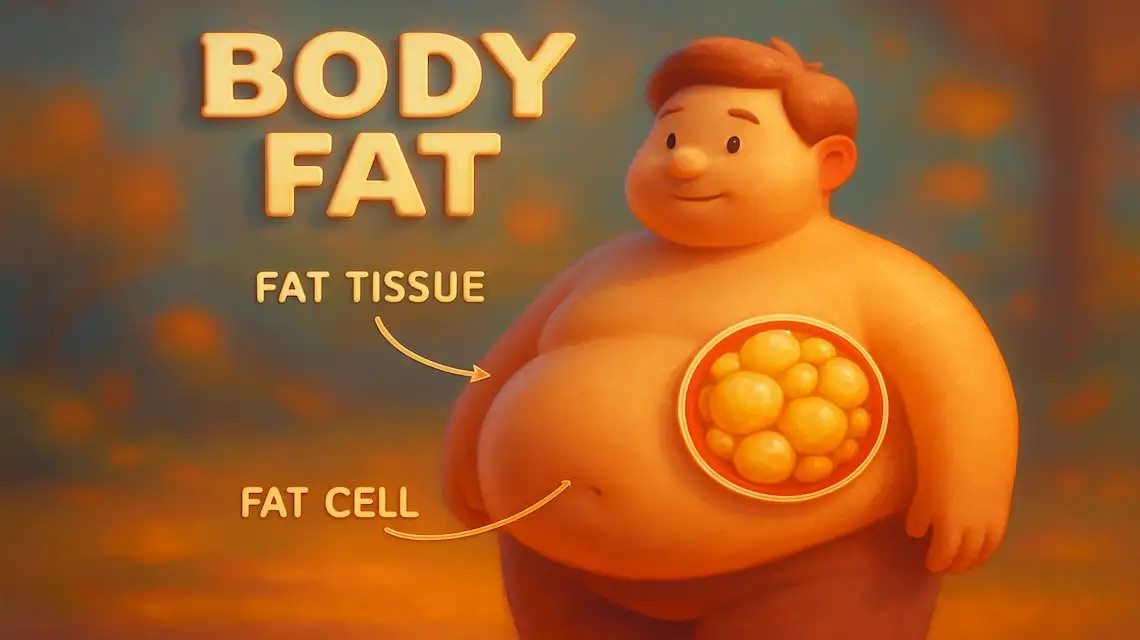
Why do we gain fat even when we feel like we are not eating that much? The short answer to what makes fat in our body is simple. When we eat more energy than we burn, our body stores the extra energy in fat cells as triglycerides. That storage system once helped humans survive, since food was not always available. Today, easy calories and less movement make storage the default.
In this guide, we will unpack the simple science of energy balance, the daily habits that push fat gain, the role of genes and hormones, and smart ways to slow fat gain without strict diets. Expect plain language and useful steps you can start today. You will also learn how your body uses both white and brown fat, and why what makes fat in our body is less about a single hormone and more about the steady pattern of small surpluses over time.
What Makes Fat in Our Body? The Simple Science of Energy Balance
Your body runs on energy from food. Calories in equals what you eat and drink. Calories out equals what your body burns each day. If calories in are higher than calories out, the extra gets stored as body fat. Most of that storage happens in adipose tissue, which is not just padding. It is an active organ that stores and releases energy and sends out hormones that affect appetite and metabolism. For a quick overview of what fat tissue does, see this explainer on adipose tissue function.
Your daily burn has three main parts:
- Basal metabolic rate (BMR): energy used at rest to keep you alive.
- Movement and exercise: steps, sports, chores, and workouts.
- Thermic effect of food (TEF): energy used to digest and process food.
A simple example helps. Say a teen burns about 2,200 calories on a typical day. If they eat around 2,700 calories, that is a 500 calorie surplus. One pound of stored fat holds about 3,500 calories. So a 500 calorie surplus each day could add up to around one seventh of a pound per day in theory, but real life is slower since water weight and daily changes matter. Over time, repeated surpluses add up.
What happens to each macro?
- Dietary fat: Easy to store when extra, since it is already fat. The body can tuck it into adipose tissue with little change.
- Carbs: First refill glycogen in muscle and liver. When glycogen is full, big and repeated carb surpluses can turn some carbs into fat, a process called de novo lipogenesis. In humans, this is usually small unless intake is very high for several days.
- Protein: Used first for repair, enzymes, and muscle. Protein can be stored as fat if far above needs plus a total calorie surplus, but this is less common.
Hormones guide storage and release
Insulin rises after meals and helps move fuel into cells. Glucagon and adrenaline help release stored fuel between meals. Leptin, made by fat cells, tells the brain how much fat is stored. Higher fat mass usually means more leptin, which helps regulate appetite. When someone loses fat, leptin falls, and hunger can rise. This push and pull is one reason the body resists weight loss, as explained in this simple overview of how your body fights weight loss. Insulin alone does not cause fat gain without a calorie surplus. The surplus is still the driver.
Where does fat go first? That depends on genetics, sex hormones, and stress. Many males store more around the belly. Many females store more in the hips and thighs. Visceral fat, the deeper fat around organs, carries a higher health risk than subcutaneous fat under the skin. Most of our fat is white fat, which stores energy. Humans also have brown fat that burns energy to produce heat. For a quick primer on white and brown fat, see this summary on white fat storage and fat burning discoveries, and new research showing how scientists are studying ways to make ordinary fat burn more calories, like in this UCSF update on brown fat activation.
Calories In vs Calories Out, Explained in Real Life
Think of a small daily surplus like a slow drip into a bucket. A 100 to 200 calorie surplus per day can add up over months. That might be a daily soda, a couple of cookies, or an extra slice of pizza on top of your usual meals. If you overshoot on weekends, those two or three high-calorie days can erase five weekday days of eating less. The math does not need to be perfect. What matters is the trend. Over weeks and months, small overages create new fat.
Aiming for a small daily gap the other way, around 200 to 300 calories fewer than you burn, can slow or reverse gain without feeling harsh. Consistency beats intensity.
Don’t wait any longer to achieve the body you’ve always wanted! Try Keto Diet
How Carbs, Fat, and Protein Turn Into Body Fat
Here is the path from plate to storage:
- Carbs break down to glucose. Your body uses glucose right away or stores it as glycogen. When glycogen is full and calories are high for days, the body can convert some carbs into fat. This process is small in most people unless carb intake is very high.
- Fat breaks down to fatty acids and is easy to store as body fat if you are in a surplus. Fat is energy dense at 9 calories per gram, so portions matter.
- Protein breaks down to amino acids, which the body uses for repair and enzymes. Extra protein is less likely to be stored as fat unless you also overeat total calories by a lot.
Quick example meal that can tip someone into a surplus: a cheeseburger, large fries, a milkshake, and a handful of candy later. That could add 1,200 to 1,600 calories on top of breakfast and lunch without much fullness for long.
Insulin Helps Store Fuel, But Surplus Is the Real Driver
Insulin rises after you eat, especially after carbs and mixed meals. It helps move glucose and amino acids into cells and signals fat cells to store energy for later. Between meals and overnight, insulin drops, and glucagon and adrenaline help release stored fuel. If you are not eating more than you burn, insulin is not the sole cause of fat gain. We see this in real life across many diets. Lowering insulin through low-carb eating can help some people eat fewer calories, but the calorie gap is still what drives fat loss.
For a friendly cell-level look at how the body stores and uses energy, this primer on how cells build, burn, and store food energy is helpful.
Where Fat Gets Stored First and Why Bodies Differ
Bodies store fat in different patterns. Belly-first storage is common in people with higher stress, more visceral fat, or lower estrogen. Hip and thigh storage is common in people with higher estrogen and certain genetics. Neither pattern defines your worth. Visceral fat is the concern because it sits around organs and can raise health risk. Subcutaneous fat under the skin is less risky. You can support healthier patterns with steady movement, whole foods, enough sleep, and stress care.
Most stored fat is white fat, which is your main energy reserve. Brown fat uses energy to produce heat. Scientists are mapping ways to increase brown fat activity, but everyday habits still matter most for long-term change.
Daily Habits That Make Us Gain Fat Faster
Many of us do not overeat at one meal. We overeat by a little at many meals, most days. A few habits raise the odds of a calorie surplus. The good news is you can adjust these without a strict plan.
Ultra-Processed Foods, Liquid Calories, and Big Portions
Chips, candy, fast food, and pastries are easy to overeat. They are low in fiber, soft in texture, and pack big flavors. Your brain lights up, but your stomach does not fill up enough. Soda, juice, sports drinks, and fancy coffee drinks add hundreds of calories without much fullness.
Examples:
- Large fries and a soda can add 500 to 700 calories to a meal.
- A 20-ounce sweet tea can add around 200 calories in minutes.
- A blended coffee drink can equal a small meal in calories.
Simple swaps:
- Choose a grilled sandwich with a side salad or fruit.
- Pick sparkling water, unsweet tea, or a small latte with milk.
- Go for air-popped popcorn or nuts instead of chips, and measure a portion.
Low Movement and NEAT: The Hidden Drop in Daily Burn
NEAT means non-exercise activity. It is your steps, fidgeting, chores, and everything you do when you are not asleep or in a workout. NEAT can vary by hundreds of calories per day. Long commutes, all-day desk time, and extra screen time lower NEAT without you noticing.
Try this:
- Set a 50-minute timer, then stand and move for 2 to 3 minutes.
- Add a 10-minute walk after meals, two or three times per day.
- Carry groceries, take the stairs, and park farther away.
Small moves add up. Over a week, these can match a long workout.
Sleep Loss and Stress Can Crank Up Hunger
Poor sleep raises ghrelin, the hunger hormone, and can lower leptin, the fullness signal. That combo drives cravings, especially for sugar and fatty foods. Chronic stress raises cortisol, which can increase snacking and shift storage toward belly fat.
Tips:
- Aim for 7 to 9 hours of sleep most nights.
- Keep a steady bedtime and wake time, even on weekends.
- Use a 20-minute wind-down: dim lights, stretch, read, or breathe.
Leptin comes from fat cells and helps your brain track energy stores. When weight drops, leptin drops too, which can increase hunger. This is part of the body’s built-in brake on weight loss.
Alcohol and Late-Night Eating Slow Fat Burning
Alcohol has 7 calories per gram. It also lowers restraint and pairs well with salty snacks and high-calorie foods. Your body burns alcohol first, which delays burning fat. Late-night meals can also lead to extra calories.
Ideas:
- Set a weekly drink limit, for example, 3 to 5 drinks max.
- Sip slowly and alternate with water or seltzer.
- Eat dinner earlier when you can, and plan a light, protein-rich snack if you get hungry later.
Do Genes, Age, or Hormones Make More Fat in Our Body?
Biology matters, and so does your environment. Genes shape appetite, taste, fat storage pattern, and how you feel after eating. Hormones and medical conditions can shift how hungry you feel and how your body uses energy. Still, daily habits and surroundings play a huge role, and small changes can help.
Genes and Set Point: Influential, Not Destiny
Genes can explain a large share of weight differences across people, but they do not predict your future alone. Family history can point to a higher set point or a stronger appetite. Food access, stress, sleep, culture, and movement patterns still matter. Knowing your tendencies helps you plan, not give up. If evenings are your snack zone, build in a filling dinner and a routine that breaks the snack loop.
Aging, Muscle Loss, and the Metabolism Myth
Metabolism does not suddenly crash after college. The bigger changes come from less movement, more sitting, and a slow loss of muscle. Muscle is active tissue. It uses energy even when you rest. Strength training and enough protein help you keep muscle as you age, which supports your daily burn and how strong you feel.
Hormones, Conditions, and Meds That Affect Fat Gain
Some conditions can push fat gain:
- Low thyroid function.
- PCOS.
- Cushing syndrome.
- Insulin resistance.
Some medicines can also affect weight, such as certain antidepressants, antipsychotics, steroids, and birth control for some people. Signs to talk to a doctor include sudden weight changes, fatigue, hair or skin changes, or changes in your cycle. The gut microbiome may affect hunger, cravings, and how we use calories, but daily habits still carry the most weight for long-term change.
Smart Ways to Limit New Fat Gain Without Strict Diets
You do not need perfect willpower or a strict plan. You need a few steady habits that cut a small daily surplus and help you feel full.
Create a Small Calorie Gap With Filling Foods
Aim for a modest 200 to 300 calorie daily gap. Use the plate method to keep it simple:
- Half plate veggies and fruit.
- Quarter plate protein.
- Quarter plate smart carbs.
- A thumb of healthy fat.
Meal examples:
- Lunch: turkey sandwich on whole grain bread, large side salad with beans, olive oil and vinegar, and a piece of fruit.
- Dinner: stir-fry with tofu or chicken, mixed veggies, a palm of rice, and a small handful of peanuts.
A small gap works better than a big cut for most people. You feel better and stick with it longer.
Protein, Fiber, and Water Help Control Hunger
These three are your hunger helpers:
- Protein: aim for 20 to 30 grams per meal.
- Fiber: aim for 25 to 35 grams per day from beans, oats, veggies, fruit.
- Water: drink a glass before meals and a tall glass with snacks.
Quick choices:
- Greek yogurt with berries and oats.
- Bean and veggie burrito bowl.
- Apple with peanut butter and a glass of water.
Strength Training and Steps Raise Daily Burn
Do 2 to 3 short full-body strength sessions per week, 20 to 30 minutes each. Add 7,000 to 10,000 steps most days. Muscle helps you use more energy, supports joints, and improves performance in daily life and sports. Consistent steps raise NEAT and help you feel clear and energized.
Easy Tracking and Portion Cues That Work
Light tracking keeps you honest without stress.
- Use hand portions: palm of protein, fist of carbs, cupped hand of starch or fruit, thumb of fats.
- Take quick photos of meals to spot patterns.
- Track steps with your phone or watch.
Portion cues:
- Eat slower, set your fork down, and breathe.
- Pause halfway through your meal and check hunger.
- Leave a bite or two if you are full.
Small, repeatable steps beat short bursts of perfection.
Quick Reference: Where Your Daily Energy Goes
| Component | What it is | Typical share of daily burn |
|---|---|---|
| Basal metabolic rate (BMR) | Energy to run essential functions at rest | 60 to 75 percent |
| Movement and exercise | Steps, chores, sports, and workouts | 15 to 30 percent |
| Thermic effect of food (TEF) | Energy to digest and process food | 5 to 10 percent |
Conclusion
The root of what makes fat in our body is a steady calorie surplus. Habits like ultra-processed foods, low movement, poor sleep, stress, alcohol, and late-night eating make surpluses more likely. Genes and hormones matter, but small daily actions still carry real power. You can nudge the balance with simple, repeatable steps that feel good and stick. Build momentum with one change this week, then add another. Your future self will thank you.
- Move more: add short walks, take the stairs, and lift twice a week.
- Eat more whole foods and protein: build plates that keep you full.
- Sleep better: set a steady bedtime and a 20-minute wind-down.
Small changes, done often, shape your energy balance and your health.
Related post:
- How to Treat Obesity Naturally
- Walking to Reduce Belly Fat
- Exercise to Lose Weight Fast at Home
- Banana for Weight Loss Is It Good?
What Makes Fat in Our Body FAQs:
What actually makes our bodies store fat?
Your body stores extra energy as fat. When you eat more calories than you burn, the extra gets packed into fat cells as triglycerides.
Do carbs turn straight into body fat?
Not by default. Carbs fill glycogen first. If calories stay in balance, carbs rarely convert to fat. In a calorie surplus, any macro can add to fat gain.
Does sugar make you fat faster than other foods?
Sugar adds calories quickly and can boost hunger in some people. In a large surplus, sugar and fructose can drive new fat creation in the liver. In a calorie balance, the effect is small.
Is dietary fat more likely to be stored as body fat?
Yes, if you overeat. Dietary fat is energy dense and easy to store as body fat. In a calorie balance, it does not increase fat mass.
How do protein and fiber affect fat gain?
Protein and fiber help you feel full and raise calorie burn slightly. They make it easier to stay in a calorie balance. Protein is the least likely macro to store as fat.
What hormones control fat storage and release?
Insulin helps store nutrients, including fat. Glucagon, adrenaline, and noradrenaline help release fat. Leptin and ghrelin influence hunger and fullness. Thyroid hormones set your baseline burn.
Why does stress seem to add belly fat?
Chronic stress raises cortisol. High cortisol can increase appetite, promote central fat storage, and reduce sleep quality, which compounds the effect.
Can poor sleep cause fat gain?
Yes. Short sleep raises hunger hormones and reduces fullness signals. It also lowers daily movement and can increase cravings, which makes overeating more likely.
Does alcohol lead to fat gain?
Often. Alcohol adds calories, lowers restraint, and pauses fat burning while your body clears the alcohol. Extra food during drinking is common.
What is the difference between subcutaneous and visceral fat?
Subcutaneous fat sits under your skin. Visceral fat wraps organs in the abdomen, carries higher health risk, and responds well to weight loss and exercise.
Can you target fat loss from one area?
No. Spot reduction is a myth. You lose fat systemically, then genetics decide where it comes off first.
Do genetics decide who gains fat easily?
They matter. Genetics affect hunger, satiety, fat cell number, and energy use. Habits still play a large role, and change helps regardless of your genes.
Why do some people gain fat without eating “that much”?
Small daily surpluses add up. Low movement, frequent snacks, drinks, and large portions can push you over. NEAT, your unconscious movement, often drops without you noticing.
Does meal timing affect fat gain?
Total calories matter most. Late eating can worsen appetite control and sleep for some people. If timing helps you eat less, it helps your fat balance.
How does age affect body fat?
Age brings lower muscle mass and less movement. That lowers daily burn. Strength training, protein, and activity can offset much of this change.
Do menopause or low testosterone change fat storage?
Yes. Lower estrogen in menopause can shift fat to the abdomen and reduce energy burn. Low testosterone can reduce muscle mass and increase fat. Medical guidance can help.
Can medications cause fat gain?
Some can. Examples include certain antidepressants, antipsychotics, steroids, insulin, and some birth control methods. Do not stop meds on your own. Ask your clinician about options.
How does the gut microbiome affect body fat?
It may influence appetite, energy harvest, and inflammation. Effects vary by person. A fiber-rich diet with varied plants supports a healthier gut.
Does cardio or weights help more with fat loss?
Both help. Cardio burns more during the workout. Strength training helps keep or build muscle, which protects your metabolism and shape during fat loss.
How fast can fat cells grow or shrink?
They fill or empty daily with your energy balance. The number of fat cells changes slowly in adults. Cells can get smaller with weight loss and larger with gain.
What is the healthiest rate of fat loss?
About 0.5 to 1 percent of body weight per week. Faster loss risks muscle loss, rebound hunger, and lower energy.
Can you turn fat into muscle?
No. They are different tissues. You can lose fat and build muscle at the same time with good nutrition and training.
Do “fat-burning” foods or supplements work?
No single food melts fat. Caffeine may raise burn slightly. Most fat burners add little and can have side effects. A calorie deficit is what reduces fat.
What daily habits help prevent fat gain?
- Eat enough protein and fiber at each meal.
- Choose mostly whole foods, add treats on purpose.
- Lift weights 2 to 3 times per week.
- Walk daily, aim to sit less.
- Sleep 7 to 9 hours, manage stress.
- Track portions if your intake creeps up.
How can I tell if I’m gaining fat or water?
Fat gain is slow and steady. Water weight swings with salt, carbs, hormones, and soreness. Watch weekly trends, not single days. Measurements and clothes fit help too.

Gas S. is a health writer who covers metabolic health, longevity science, and functional physiology. He breaks down research into clear, usable takeaways for long-term health and recovery. His work focuses on how the body works, progress tracking, and changes you can stick with. Every article is reviewed independently for accuracy and readability.
- Medical Disclaimer: This content is for education only. It doesn’t diagnose, treat, or replace medical care from a licensed professional. Read our full Medical Disclaimer here.