

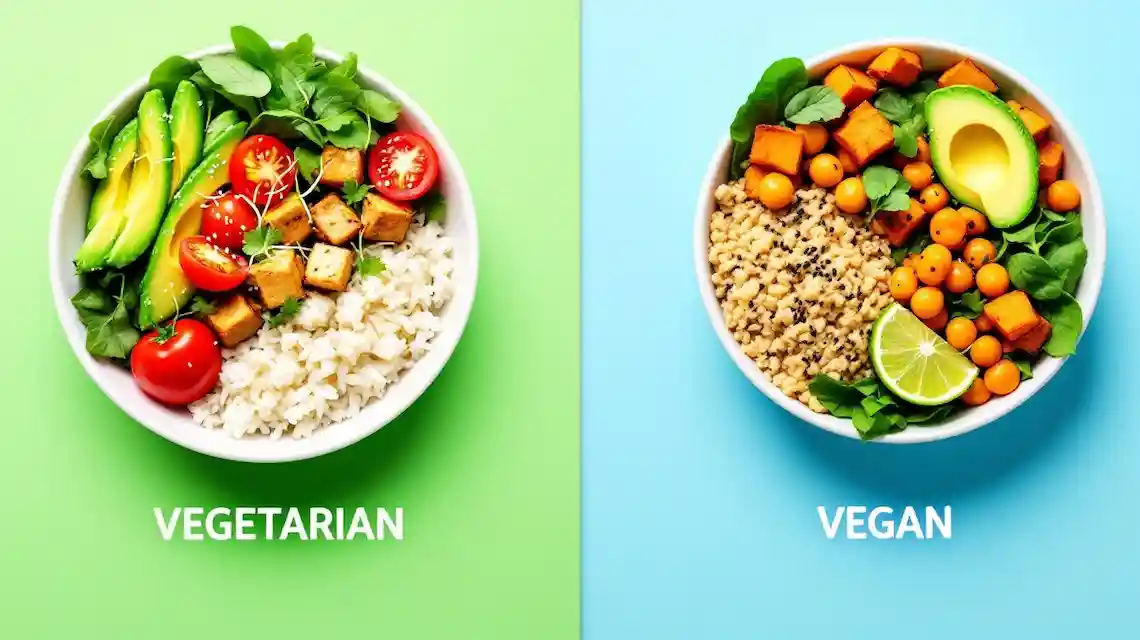
Plant-based eating keeps gaining fans everywhere you look. Whether someone’s curious for health, the environment, or just wants to mix up their meals, the interest keeps growing. With so many trying to sort out labels, many people wonder what is the difference between vegan and vegetarian diet, and why the details matter.
The two diets sound similar but have some clear differences. This article will clear up the confusion, explain what makes each approach unique, and help you decide which path fits your lifestyle. Get ready for a quick, simple look at vegan and vegetarian diets so you can feel more confident about your choices.
What Is a Vegetarian Diet?
A vegetarian diet is one of the most popular plant-focused eating styles. Many people choose it for reasons tied to health, culture, the environment, or animal welfare. When you hear someone say they are “vegetarian,” it generally means they avoid eating meat. However, there are a few types of vegetarian diets with unique rules about what animal products (like eggs and dairy) are allowed. Understanding these details is essential for anyone who wants to know what is the difference between vegan and vegetarian diet.
Basic Definition of a Vegetarian Diet
Vegetarians don’t eat meat, poultry, or seafood. They do get plenty of variety from fruits, vegetables, grains, legumes, nuts, and seeds. The main difference from vegan diets is that most vegetarians still allow some animal-derived foods—eggs, dairy products, or both—depending on their preferences.
Here’s a quick list of foods typically included in a vegetarian diet:
- Whole grains (such as oats, rice, barley)
- Vegetables and fruits of all kinds
- Legumes (beans, lentils, chickpeas)
- Nuts and seeds
- Dairy products (milk, cheese, yogurt, butter) (if included)
- Eggs (if included)
Vegetarians avoid:
- Beef, pork, chicken, turkey, fish, and seafood
- Animal-based ingredients like gelatin (in some variants)
- Products made with animal rennet (in some cheeses)
Types of Vegetarian Diets
There’s not just one way to be a vegetarian. The main types include:
Lacto-Ovo Vegetarian
This is the most common style. Lacto-ovo vegetarians avoid all meat and seafood, but they still eat both dairy products and eggs. It’s flexible and easy to follow for most people.
Lacto-Vegetarian
Lacto-vegetarians avoid meat, poultry, seafood, and eggs, but include dairy products. This type is popular in several cultures, especially in parts of India. Cheese, milk, and yogurt are staples, but omelets are not.
Ovo-Vegetarian
Ovo-vegetarians avoid meat, poultry, seafood, and all dairy products. However, they still include eggs in their meals. It’s a less common type, but it works well for those who are lactose intolerant or have dairy allergies.
Here’s a quick reference table comparing the main types:
| Diet Type | Includes Dairy? | Includes Eggs? | Excludes All Meat & Seafood? |
|---|---|---|---|
| Lacto-Ovo | Yes | Yes | Yes |
| Lacto | Yes | No | Yes |
| Ovo | No | Yes | Yes |
Common Vegetarian Foods
Vegetarian diets pull from nearly every food group except meat and seafood. This allows for lots of variety and creativity at every meal. Some staples include:
- Stir-fries with tofu or tempeh
- Vegetable curries with lentils or beans
- Salads with cheese or nuts
- Breakfasts like oatmeal, yogurt bowls, or veggie omelets
- Pasta dishes with tomato, pesto, or cream-based sauces
If you’re curious about how a vegetarian or plant-based diet can impact your health, see this resource on the benefits of a plant-based diet.
Reasons People Choose a Vegetarian Diet
Motivations for becoming vegetarian vary widely. Some people feel strongly about animal rights, while others focus on boosting their health or reducing their environmental impact. In many cultures, vegetarianism has been the norm for thousands of years, so people may simply follow family or religious traditions. Here are some common reasons:
- Health (lower risk of heart disease, certain cancers, and obesity)
- Environmental concerns (reducing carbon footprint)
- Animal welfare
- Religious or spiritual beliefs
- Desire for a less processed diet
Choosing a vegetarian diet is a personal journey. It’s a flexible option with room for different health needs and taste preferences, making it a popular and approachable step toward plant-based eating.
What Is a Vegan Diet?
Many people use “vegan” and “vegetarian” as if they mean the same thing, but there is a big difference in how each diet is defined and lived. If you are comparing what is the difference between vegan and vegetarian diet, you’ll notice that veganism takes things further when it comes to avoiding animal products. The vegan diet is all about plant foods only, with strict rules about what’s on the plate and often what’s in your closet and bathroom, too.
The Core of a Vegan Diet
The vegan diet removes every form of animal product from the menu. That means no meat, fish, dairy, eggs, or even ingredients like honey. Vegans stick with fruits, vegetables, grains, beans, lentils, seeds, and nuts. This isn’t just a trend or a phase for most; it’s a way of life built on clear choices about food and other areas.
Here’s a quick look at what a typical vegan diet includes:
- Vegetables, fruit, and leafy greens
- Whole grains like rice, oats, and quinoa
- Beans, lentils, and chickpeas
- Nuts and seeds
- Plant-based dairy substitutes (such as oat milk, almond yogurt, or cashew cheese)
Vegans avoid:
- Meat and poultry
- Fish and seafood
- Dairy products (milk, cheese, butter, yogurt)
- Eggs
- Honey
- Animal-derived additives like gelatin, whey, and some food colorings
The Philosophy Behind Veganism
Veganism goes deeper than just what’s on your plate. Most vegans stick to this lifestyle because of a strong belief in animal welfare. Choosing not to eat animal products is often about removing harm from their daily lives. For some, it’s similar to living by a personal code, always keeping in mind which choices line up with their values.
A vegan lifestyle often moves beyond food and shapes decisions around:
- Clothing (no leather, fur, wool, or silk)
- Beauty and personal care (products without animal ingredients or testing)
- Home (avoiding items like down comforters or some candles made with beeswax)
While the main focus is usually on the diet, many people find that once they start, it’s natural to look at other areas of life, too.
Motivations for Choosing Veganism
People move to a vegan diet for a mix of reasons. Some don’t want anything to do with animal harm, and refuse to support industries that use animals. Others want to help the environment or just feel better physically. Vegan diets have a reputation for being kind to the planet and can help with health when balanced the right way.
Here are some of the biggest reasons people choose a vegan diet:
- Animal rights and welfare: No animal pain, no animal use—that’s the core idea.
- Environmental impact: Raising animals for food uses up more land and contributes to pollution and greenhouse gases. A vegan diet uses fewer resources and has a smaller footprint.
- Health: Many find their energy goes up, weight is easier to manage, and cholesterol goes down with plant-powered meals. A diet rich in vegetables, fruits, whole grains, and legumes has shown health benefits for the heart and digestion.
- Personal beliefs: Some choose veganism for spiritual or ethical beliefs.
You can see that what is the difference between vegan and vegetarian diet isn’t just about what you skip at the grocery store, but why you choose those foods in the first place. If you’re interested in starting with meals that stick to these guidelines, check out this plant-based meal plan for beginners for tips and recipes.
Vegan Diets Are Often More Strict Than Vegetarian Diets
Of the two, vegan diets are the most restrictive option. Vegetarians might still eat dairy, eggs, or honey, but vegans take those off the table completely. This rigor often extends to cosmetics, cleaning products, and even clothing. Labels get checked, products get researched, and lots of vegans support businesses that match their standards.
If you’re curious about nutrition, vegans have to pay closer attention to certain nutrients like vitamin B12, iron, calcium, and omega-3 fats, since they skip foods that usually provide those basics. Planning is key, and plenty of plant-based swaps exist. Many start with a beginner vegan recipes to get the basics right from day one.
Plant-Powered Benefits
More people are making the switch, not only for ethical or environmental causes, but also for the health perks. Research shows that a well-planned vegan diet can lower cholesterol, balance blood sugar, and help you maintain a healthy weight over time. Rich in fiber, vitamins, minerals, and plant compounds, it’s a diet designed for long-term wellness.
For those wondering about protein and nutrition, it’s possible to thrive without animal foods. Explore more on the health of plant proteins to learn how to meet your body’s needs without compromise.
The vegan diet is more than eating habits, it’s a commitment to living in alignment with personal values, improving health, and making choices that shape the world, one meal at a time.
Key Differences Between Vegan and Vegetarian Diets
Understanding what is the difference between vegan and vegetarian diet can help you set your own path. While the two ways of eating have much in common, the details shape everyday choices, health, and even your social life. Some differences are obvious, but others may surprise you. Let’s break them down so you can see where each approach stands.
A helpful way to compare vegan and vegetarian diets is with a clear, easy-to-read table. Here’s a side-by-side look at what sets them apart:
| Aspect | Vegetarian Diet | Vegan Diet |
|---|---|---|
| Animal Meat | Avoided | Avoided |
| Dairy & Eggs | Usually included (but depends on type) | Excluded entirely |
| Honey | Often included | Avoided |
| Animal Additives | Some allowed (varies by person) | Completely avoided |
| Reasons | Health, ethics, environment, tradition | Ethics, environment, health, strict philosophy |
| Lifestyle | Focused on food choices | Food, clothing, cosmetics, household items |
| Dining Out | Many options (with some questions) | Fewer options, must check ingredients closely |
| Reading Labels | Often scan for meat ingredients | Must check for all animal-based additives |
| Meal Planning | Can rely more on eggs/dairy for protein | Uses only plant sources for all nutrients |
| Nutrition Focus | May need B12, omega-3, iron (less risk if dairy/eggs eaten) | Need B12, omega-3, iron, calcium, vitamin D (requires more planning) |
Everyday Food Choices
Vegetarians skip meat but typically still eat cheese, yogurt, and eggs. Vegans cut all animal products, which includes less obvious foods like gelatin, certain dyes, or even honey. This can make kitchen swaps a fun challenge—think plant milk instead of cow’s milk, or tofu instead of scrambled eggs.
Both groups choose fruits, veggies, whole grains, beans, nuts, and seeds, but vegans go a step further by rethinking even small ingredients and condiments.
Motivations and Lifestyle
Vegetarians may follow this diet for health, the environment, or tradition. They might be motivated to help animals, but don’t always remove animal products from other areas of life, like clothes or beauty products.
Vegans, in most cases, base their whole lifestyle around avoiding animal exploitation. This affects what they eat, wear, and buy. Some vegans check everything, from shoes to cleaning supplies, giving this lifestyle a bigger impact beyond the plate.
Health and Nutrition Considerations
Both diets can improve health when planned well, often leading to more fruit, veggies, and fiber on your plate. But there are nutrition differences:
- Vegetarians have an easier time getting certain nutrients like calcium and vitamin B12 from dairy and eggs.
- Vegans need to plan more carefully for vitamin B12, iron, omega-3s, and calcium, since they don’t eat the foods that naturally provide these.
- Both may need supplements or fortified foods, depending on their specific choices.
Plant protein is a common question. It’s easy to meet protein needs with beans, lentils, tofu, nuts, and seeds.
Dining Out and Reading Labels
A vegetarian dining out usually has a few options at most restaurants—pasta, veggie burgers, or salads with cheese and eggs are typical choices. A vegan may have fewer choices and must ask questions about hidden ingredients, like butter in side dishes or dairy in dressings.
When shopping, vegetarians check for obvious animal products. Vegans often scan labels for less obvious animal-derived additives like casein, whey, or shellac.
Meal Planning
Vegetarian meal planning can include quick staples like omelets, cheese sandwiches, or yogurt bowls. Vegans rely on plant-based foods for every meal, using nuts, seeds, beans, whole grains, and lots of produce to hit nutrition needs. Both diets benefit from preparing ahead to ensure balanced plates and avoid missing key nutrients.
Common Misconceptions
It’s common to mix up vegan and vegetarian diets or believe myths that just don’t add up. Here’s a look at the biggest misconceptions and the real facts.
- Myth 1: Vegans and vegetarians don’t get enough protein.
Plant-based eaters can easily get ample protein from beans, tofu, lentils, seitan, nuts, and seeds. For both diets, eating a variety of plant foods is the key. Dietitians agree that planning makes all the difference. - Myth 2: Vegans and vegetarians have nutrition gaps.
Both diets can provide all essential nutrients if you eat a range of whole foods. Vegans may need vitamin B12 supplements and to watch out for iron, calcium, and omega-3s, which are easy to manage with intentional planning. - Myth 3: Vegetarian and vegan diets are the same.
While vegetarians avoid meat, they often still eat dairy or eggs. Vegans skip all animal products, even in processed foods, drinks, and many daily products, making their diet and lifestyle stricter. - Myth 4: Being vegan or vegetarian means being healthy by default.
A diet with soda, fries, and vegan cookies is plant-based, but it’s not necessarily balanced. Both diets should focus on whole, minimally processed foods for the best health outcomes. - Myth 5: All animal-free products are vegan.
Some foods and products are marketed as “vegetarian” yet still use animal-based additives, like gelatin or rennet. Always check labels to make sure a product fits your needs.
Reliable Resources for More Information
If you’re curious about nutrition, health, or how to build a balanced meal plan that fits your values, it helps to check well-researched guides. Here are a few reputable sources to explore:
- Academy of Nutrition and Dietetics (AND)
- The Vegetarian Resource Group (VRG)
- Vegan Society
Clearing up these common questions helps answer what is the difference between vegan and vegetarian diet so you can decide which is the right fit for your own life. Both paths can be healthy, social, and rewarding with a little know-how.
Tips for Transitioning to a Plant-Based Diet
Making the switch to a vegan or vegetarian diet may seem overwhelming at first, but it doesn’t have to be an all-or-nothing change. Many people start their journey motivated by the same questions: what is the difference between vegan and vegetarian diet, and how do I start living this way? With a handful of practical steps and a little support, you can set yourself up for success and enjoy the process. The tips below work for either a fully vegan or a vegetarian approach and help ease common worries about nutrition, shopping, and social gatherings.
Start Slow and Set Realistic Goals
Instead of changing everything at once, ease into your new eating style. Give yourself time to adjust and discover new foods that you actually enjoy. Small, steady steps lead to lasting habits.
- Begin by swapping out a few meals each week with plant-based options.
- Try “Meatless Monday” or dedicate certain days to eating vegetarian or vegan.
- Find plant-based versions of your favorite familiar meals to make the transition feel natural.
Get to Know Labels and Ingredients
Hidden animal products can show up where you least expect. Reading labels is a practical skill that sets successful vegans and vegetarians apart.
- Check packaged foods for animal-derived ingredients like gelatin, casein, whey, and certain food colorings.
- Dairy and eggs appear in many foods, sometimes in small amounts. Familiarize yourself with terms like “lactose,” “albumin,” or “rennet.”
- When eating out, ask your server about ingredients or check menus online before you go.
Plan Balanced Meals
Balanced plant-based meals are important for energy, satiety, and nutrition. Don’t just remove meat or cheese, make sure you’re filling the gap with nutritious swaps.
A well-rounded meal includes:
- Protein sources such as beans, lentils, tofu, tempeh, or eggs (if vegetarian)
- Whole grains like brown rice, quinoa, or oats
- Healthy fats from nuts, seeds, avocado, or olive oil
- Plenty of vegetables and some fruit
For easy plant-based breakfast and lunch inspiration, check out these easy vegetarian recipes you can make in under 30 minutes.
Focus on Key Nutrients
One difference between vegan and vegetarian diets is where you get certain nutrients. Both ways of eating need a little extra awareness to make sure you feel your best.
Watch these nutrients closely:
- Protein: Beans, lentils, tofu, tempeh, nuts, and seeds are great sources.
- Vitamin B12: Only found naturally in animal products, so vegans need a supplement or fortified foods.
- Iron: Plant foods have iron, but your body absorbs it better with vitamin C-rich foods, like bell peppers or oranges.
- Calcium: Choose fortified plant milks, leafy greens, or dairy products (if vegetarian).
- Omega-3s: Flaxseeds, chia seeds, walnuts, and hemp seeds provide plant-friendly forms.
- Zinc and Iodine: Pay attention to variety and consider talking with a professional if you have concerns.
A quick reference for plant-based food sources:
| Nutrient | Plant-Based Source Examples |
|---|---|
| Protein | Lentils, tofu, chickpeas, tempeh |
| Iron | Spinach, lentils, pumpkin seeds |
| Calcium | Fortified plant milks, bok choy, tofu |
| Vitamin B12 | Fortified foods, supplements |
| Omega-3s | Flaxseed, walnuts, chia seeds |
Tackle Social Situations with Confidence
Social events, family meals, and dining out present new challenges. Planning ahead will help you enjoy yourself and stick to your values without stress.
- Check restaurant menus online and call ahead if needed.
- Offer to bring a vegan or vegetarian dish to gatherings.
- Let friends and family know about your dietary needs in advance.
- Don’t feel you have to defend your choices. Bring the focus to your health and preferences.
Stock Your Kitchen with Essentials
Building a plant-friendly pantry makes every meal easier. With the basics on hand, you can whip up something good in minutes.
Staples to always keep around:
- Dry beans and canned chickpeas
- Whole grains (rice, oats, pasta)
- Nuts, seeds, and nut butters
- Frozen fruits and vegetables
- Plant-based milks and yogurts
- Herbs, spices, and cooking oils
For home-cooked ideas that don’t take much time, browse these easy vegan meals to make at home.
Find Support and Build Community
Making dietary changes can feel lonely if you don’t have the right support. Luckily, plant-based eaters are everywhere, both in-person and online.
- Join social media groups or forums for recipe ideas, motivation, and troubleshooting.
- Look for local meetups or plant-based potlucks.
- Ask friends or family members to join you for plant-based meals.
Having an ally or two can make a big difference when you run into questions or tough days.
Anticipate Challenges and Don’t Strive for Perfection
Transitioning comes with bumps along the way. It’s normal to slip up or second-guess your choices.
- Treat each meal and day as a fresh start.
- Celebrate progress instead of aiming for perfection.
- Focus on what feels good for your body, your health, and your peace of mind.
Make Shopping Simple
The grocery store might seem unfamiliar at first, but with a simple strategy, picking plant-based foods is quick and stress-free.
- Shop the outer aisles first for fresh produce, whole grains, and bulk basics.
- Try new ingredients in small quantities before stocking up.
- Check the frozen aisle for convenient, nutrient-rich options like mixed veggies, berries, and edamame.
Recap of Best Practices
To wrap up these practical tips for transitioning to a plant-based diet:
- Take small steps, letting your taste buds and habits catch up.
- Learn to scan labels and choose foods that match your values.
- Plan balanced, colorful meals and keep an eye on important nutrients.
- Get support from community, friends, or online resources.
- Expect occasional challenges, but keep your eyes on your goals.
Each step brings you closer to a diet that matches your beliefs, supports your health, and simplifies the answer to what is the difference between vegan and vegetarian diet as you find what works best for you.
Conclusion
Understanding what is the difference between vegan and vegetarian diet helps you make informed choices that fit your lifestyle and beliefs. While both diets focus on plant-based foods, the biggest difference comes down to how strictly you avoid animal products and the personal motivations behind each choice.
Take a moment to think about your own reasons for exploring these diets, whether it’s for better health, animal welfare, or environmental care. Even small steps—like adding more plant-based meals each week—make an impact on your well-being and the planet.
Choosing a path that matches your needs and values is a strong start. Thank you for reading and being open to new knowledge. If you’re hungry for more practical tips and recipes, keep exploring the site and join the conversation on plant-based living.
FAQ:
What’s the main difference between vegan and vegetarian diets?
Vegans avoid all animal products, including dairy, eggs, and honey. Vegetarians don’t eat meat, poultry, or fish but often include dairy and eggs in their meals.
Can vegetarians eat eggs and dairy?
Yes, most vegetarians eat eggs and dairy. Some may choose to skip either eggs or dairy, but most stay clear of just meat, fish, and poultry.
Do vegans eat anything from animals?
No, vegans avoid all food and products that come from animals. This means no eggs, dairy, honey, gelatin, or foods with animal-derived ingredients.
Are honey and gelatin vegan?
No, vegans skip honey and gelatin since honey comes from bees and gelatin is made using animal parts. Vegetarians may still eat honey and sometimes gelatin, depending on personal choice.
Is a plant-based diet the same as vegan?
Not exactly. Plant-based often means focusing mostly on plants, but some people who eat plant-based might still have small amounts of animal foods. Vegan means no animal foods or products at all.
Why do people choose vegan over vegetarian?
Some do it for animal rights or to lower their impact on the planet. Others may avoid all animal products for health or personal reasons.
What foods do both vegans and vegetarians eat?
Both eat plenty of fruits, veggies, grains, nuts, seeds, legumes, plant-based milks, and meat alternatives.
Can you get enough protein on a vegan or vegetarian diet?
Yes, with good planning, beans, lentils, tofu, tempeh, nuts, seeds, and whole grains can all help meet protein needs.
Are vegan and vegetarian diets safe for kids?
When key nutrients like protein, vitamin B12, iron, and calcium are included, both diets can be safe for kids. It’s smart to talk with a doctor or dietitian for guidance.
Do vegans and vegetarians need supplements?
Many vegans take vitamin B12, since it’s not found in plant foods. Vegetarians might also need B12, plus iron or vitamin D, depending on their eating habits.
Can vegans and vegetarians eat at most restaurants?
Yes, but vegans often have fewer options since many meals include hidden animal products. It’s getting easier as more places offer plant-based meals.
Will I lose weight if I go vegan or vegetarian?
Some people lose weight because these diets are often high in fiber and lower in calories. Results depend on total food choices and portions.
Are vegan and vegetarian diets more expensive?
Not always. Beans, lentils, rice, and veggies are budget-friendly. Packaged meat alternatives and specialty foods can raise the cost, but most staples are affordable.
What’s the difference between vegan, vegetarian, and pescatarian diets?
Vegans skip all animal products. Vegetarians avoid meat, fish, and poultry but include eggs or dairy. Pescatarians don’t eat land animals but do eat fish.
Can I switch between vegan and vegetarian diets?
Yes, it’s your choice. Many people start vegetarian before switching to vegan, or eat vegan most days and vegetarian sometimes. Find what works best for you.

Gas S. is a health writer who covers metabolic health, longevity science, and functional physiology. He breaks down research into clear, usable takeaways for long-term health and recovery. His work focuses on how the body works, progress tracking, and changes you can stick with. Every article is reviewed independently for accuracy and readability.
- Medical Disclaimer: This content is for education only. It doesn’t diagnose, treat, or replace medical care from a licensed professional. Read our full Medical Disclaimer here.