

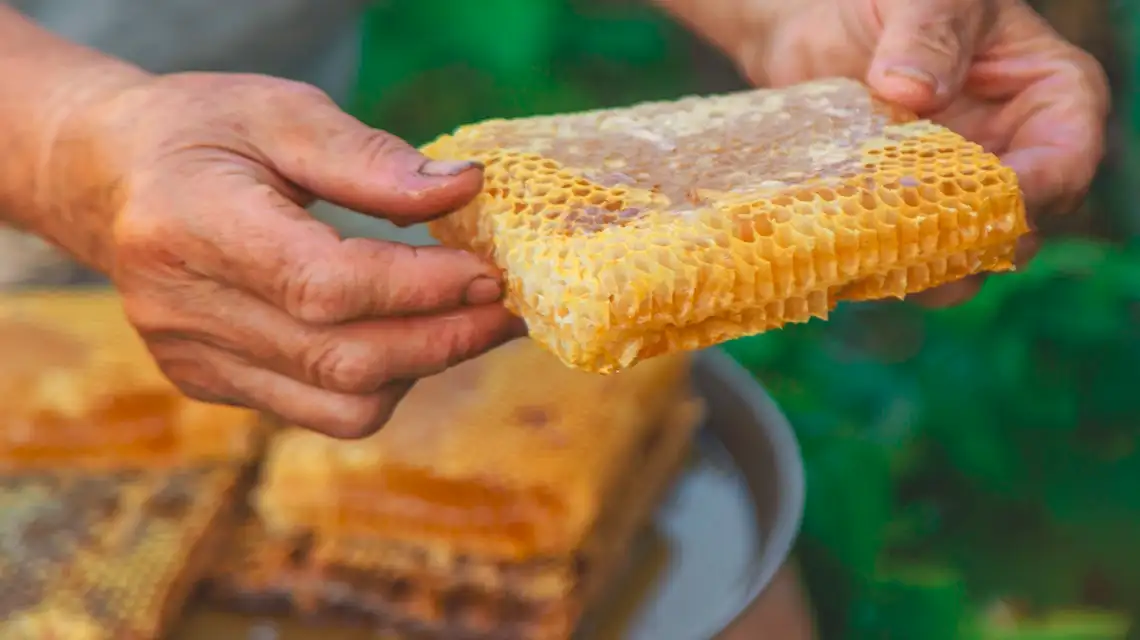
If you are new to bees, you may be asking, “what is brood in beekeeping, and why does it matter so much?” In simple terms, brood is all the baby bees growing inside the comb. It is the heartbeat of the hive, and it tells you a lot every time you crack open a box.
Brood shows if the queen is doing her job, if the colony is growing, and if there might be health problems hiding in the cells. When you learn to read brood, you can spot trouble early and support your bees before a small issue becomes a big one. This post breaks brood down into clear parts so both new and experienced beekeepers can feel more confident every time they pull a frame.
What Is Brood in Beekeeping and Why Does It Matter?
In beekeeping, “brood” means all the developing bees that are not adults yet. It covers eggs, larvae, and pupae tucked into the wax cells. You can think of brood as the hive’s nursery. If the nursery is full and healthy, the colony has a strong future.
Brood sits mostly in the lower boxes, often called brood boxes, and forms what many call the brood nest. The pattern, amount, and look of this brood give you a snapshot of colony strength. A solid brood nest today means plenty of workers three weeks from now to gather nectar, feed young bees, and guard the entrance.
If you want a simple background on the basic stages of bee brood, the article on bee brood from Extension is a helpful visual reference to pair with your own hive checks.
When brood is healthy, your hive can grow, replace old bees, and survive stress like winter or a nectar dearth. When brood is weak or missing, the colony quickly slips behind. That is why many teachers say, “It is all about the brood.” Honey and drawn comb are nice, but brood tells you if the hive will still be thriving a month from now.
Simple definition of brood (eggs, larvae, and pupae)
Brood starts as tiny eggs. They look like tiny white grains sitting straight up in the bottom of each cell. After a short time, each egg bends over and hatches into a larva.
Larvae look like little white grubs curled in a C shape. Nurse bees feed them rich food, and they grow very fast. You will often see them shining with wet jelly in open cells.
When a larva is ready to change, workers cap the cell with wax and it becomes a pupa. Pupae are hidden under these caps while they turn from soft grubs into hairy adult bees. All these stages sit on frames in the brood box, packed close together in a warm cluster.
Brood and the queen: proof your colony is growing
Brood is also the queen’s report card. If you see eggs, larvae, and capped pupae together, you know the queen has been laying in the last days and weeks. Even if you cannot find her, her work is right there in front of you.
Beekeepers talk about “brood pattern.” A tight or solid brood pattern means most cells in an area are filled and capped, with only a few empty cells. This usually points to a strong queen and a healthy colony. A spotty brood pattern has lots of empty cells scattered among the capped ones, which can suggest disease, pests, or an aging queen.
A strong brood pattern today means plenty of workers hatching soon. Those new workers will become nurses, cleaners, and later foragers. When you learn to glance at brood and judge the pattern, you can quickly judge if your queen and colony are on track.
Different Types of Brood and What They Tell You
Not all brood is the same. Worker brood, drone brood, and queen brood each look different and send different messages to the beekeeper. Learning to tell them apart turns confusing frames into clear stories.
For a broader look at how brood sits inside the brood nest, you can pair this guide with Dadant’s introduction to the brood nest, which shows how brood and food often form layered “rings” on the frame.
Worker brood: the backbone of the hive
Worker brood makes up most of what you see on a brood frame. These are the future female worker bees that do almost every job in the hive.
Worker brood usually sits in the center of the frame. The caps are flat and even, with a dry look. A healthy worker brood area often looks like a brown or tan “blanket” with only a few empty cells mixed in.
Most bees in a hive are workers, so plenty of healthy worker brood means the colony will have enough bees to raise young, gather nectar, and guard the entrance. When you hold a frame and see a big, solid patch of worker brood in the middle, you know the hive has a strong backbone.
Drone brood: how to spot it and why it appears
Drone brood makes male bees. It often sits at the edges of frames, along the bottom bar, or on odd burr comb. The cells are larger than worker cells, and the caps stick up higher with a rounded, “bullet” shape.
Some drone brood is normal. Colonies need drones for mating, and they often make more in spring and early summer. Seeing patches of drone brood near the outer edge of the worker brood ring is usually fine.
Trouble can show up when you see a lot of drone brood in the center of the frame or in worker-sized cells. That can hint at a failing queen or even laying workers. High drone levels are a sign to look closer at the brood pattern and queen status, not a reason to panic right away.
Queen brood: rare but important to recognize
Queen brood sits inside queen cells, which look very different from normal brood cells. They are much larger, rough on the outside, and hang down from the comb like a peanut shell.
You might see queen cells when the colony is getting ready to swarm, when bees want to replace a failing queen (supersedure), or when they are raising an emergency queen after losing her. Queen cells can appear along the bottom of frames, in the middle of the comb, or on the edges.
Knowing what queen cells look like helps you decide what is happening in your hive and what to do next. You do not need every detail of swarming to start; just learn to spot these big peanut-shaped cells and treat them as a sign to slow down, think, and maybe ask for advice.
How to Read Brood Frames Like a Beekeeper
Reading brood frames is a skill, like riding a bike. At first, everything looks busy and confusing. After a few checks, patterns start to pop out.
Many beekeepers like to inspect brood every 7 to 14 days in the active season. During each visit, you are not just “looking at bees.” You are checking if the brood is present, healthy, and arranged in a way that makes sense. The article on reading brood frames from Mann Lake has helpful photos that match what you will see in your own boxes.
Signs of healthy brood you want to see
Healthy brood has a few simple signs:
- A fairly even brood pattern, with most cells filled and capped
- White, plump larvae in a C shape lying in the bottom of open cells
- Caps that look dry, domed only slightly, and are not sunken or torn
- Brood in the center, with a band of pollen, then honey around it
You can also compare what you see with photos of solid brood patterns, like those in this brood pattern guide from beehealth.uada.edu. Over time, your eyes will lock onto these features in a second or two. Use the same quick checks at each inspection, and you will build a strong mental picture of what is normal for your hive.
Common brood red flags new beekeepers should watch for
Some brood frames send a quiet warning. A very spotty brood pattern, with lots of random empty cells, can point to problems with the queen or brood disease. Many queen cells when you were not expecting them can signal swarming or queen trouble.
Other warning signs include:
- Strong, unpleasant odors from the brood area
- Caps that are sunken, greasy looking, or have holes
- No eggs or very young larvae anywhere in the brood nest
If something looks very wrong or simply “off,” trust that feeling. A good next step is to compare your frames to photos of healthy and sick brood, such as the examples in this healthy brood overview, then reach out to a local bee club, mentor, or extension agent. You are not alone, and asking for a second set of eyes is part of learning.
Conclusion
Brood is the hive’s future on a frame. When you ask “what is brood in beekeeping,” the real answer is simple: it is your best window into the life and health of the colony. Eggs, larvae, and pupae tell you if the queen is working, if the colony is growing, and if any problems are starting to show.
Learning to read brood takes practice, but every inspection will sharpen your eye. Focus on the basics: brood type, pattern, and general appearance. On your next hive visit, spend an extra minute with one brood frame and see what story it tells. If you can, ask a more experienced beekeeper to walk through a frame with you. In a short time, those “mystery cells” will turn into clear, helpful clues about your bees. You you need beekeeping equipment, check out lighter footprint beekeeping equipment.
What Is Brood in Beekeeping FAQs:
What is brood in beekeeping?
In beekeeping, brood means the developing young bees inside the comb.
It includes eggs, larvae, and pupae that will become adult bees. You will find brood in the cells of the brood comb, usually in the center area of the hive, close to food and warmth.
When beekeepers talk about “checking the brood,” they mean looking at those developing stages to see how strong and healthy the colony is.
What are the different stages of brood?
Honey bee brood goes through three main stages before emerging as an adult:
| Brood Stage | What It Looks Like | Approx. Time (Worker Bee) |
|---|---|---|
| Egg | Tiny white grain, upright in the cell | About 3 days |
| Larva | White “grub,” curled in the bottom | About 6 days |
| Pupa | Sealed under a wax cap | About 12 days |
Worker, drone, and queen brood all follow these stages, but with different timelines.
A quick example: worker brood takes about 21 days from egg to adult, drones about 24 days, and queens about 16 days.
Why is brood important to a hive’s health?
Brood tells you how the colony will look in the next few weeks. Healthy brood now means plenty of foragers later.
A strong brood area usually means:
- The queen is laying well.
- There are enough nurse bees to feed larvae.
- The colony has enough pollen and nectar or syrup.
When brood is weak or patchy, the colony may struggle to replace aging workers, build comb, or store honey. In short, brood is your best early warning sign of how the hive will perform.
How can I tell if brood is healthy?
Healthy brood has a few clear signs you can learn to spot quickly.
Look for:
- Solid pattern of capped cells with few empty cells in the middle.
- Even, slightly domed cappings that are dry, not oily or sunken.
- White, glistening larvae curled at the bottom of the cell.
- No strong foul odor from the brood comb.
Unhealthy brood may show:
- Spotty or scattered pattern.
- Sunken, perforated, or greasy-looking caps.
- Discolored or melted-looking larvae.
- A sour, fishy, or rotten smell.
If something looks off and you are not sure, take a photo, note the frame, and ask a local mentor or bee group for a second look.
What is a brood pattern and what does a good one look like?
The brood pattern is the layout of brood cells on a frame. It shows how the queen is laying and how well the colony is caring for young bees.
A good pattern usually looks like:
- A large, compact area of brood, with few empty cells mixed in.
- Worker brood in the middle, surrounded by a ring of pollen, then a ring of honey.
- Smooth, even cappings over most cells in that area.
A spotty pattern, with many empty cells scattered among capped brood, can signal problems with the queen, disease, or poor nutrition.
Where is brood usually found in the hive?
Brood sits where bees can keep it warm and fed. In a typical Langstroth setup:
- It is mostly in the center frames of the brood box.
- Honey often sits above and to the sides of the brood area.
- Pollen forms a band near the brood, since larvae need protein.
In cooler months, brood tightens into a smaller cluster. In spring, the brood area expands as the queen ramps up egg laying. In summer, especially during a strong nectar flow, brood can fill much of the lower boxes.
How often should I inspect brood, and how do I do it safely?
For most hobby beekeepers, checking brood every 1 to 2 weeks in the active season is enough. That pace lets you spot queen issues or disease before they get out of hand.
To inspect brood safely:
- Use just enough smoke to calm bees, not drench them.
- Gently remove frames and hold them by the lugs at the ends.
- Tilt frames so sunlight shines into the cells.
- Keep frames over the hive body so if a queen falls, she lands back in the hive.
Try to move smoothly and avoid crushing bees. The less you bump or bang frames, the calmer the colony stays.
What common brood problems should new beekeepers watch for?
New beekeepers often first meet brood problems long before they see adult bee issues. Common concerns include:
- Queen failure or drone-laying queen: Many drone cells, few or no worker cells.
- Chalkbrood: Mummified, chalky white or gray larvae at the bottom of cells.
- American foulbrood (AFB): Sunken, perforated caps, brown gooey larvae, strong foul smell.
- European foulbrood (EFB): Twisted, yellowish larvae that die before capping, sour odor.
- Varroa-related brood issues: Deformed wings on newly emerged bees, spotty pattern, many mites in brood cells if you uncap them.
Any suspected AFB should be taken very seriously; check your local rules and contact your state or local bee inspector if you think you see it.
What is a brood break and why do some beekeepers use it?
A brood break is a period when the colony has no capped brood, or very little. This can happen naturally, like during a dearth, or it can be created on purpose.
Beekeepers may create a brood break to:
- Help control Varroa mites, since mites need brood cells to reproduce.
- Reset a struggling colony when requeening.
- Match brood rearing to local nectar flows.
Common ways to create a brood break include caging the queen, removing the old queen and waiting before adding a new one, or making a split. This should be planned carefully so the colony still has enough bees to recover and thrive.
 Lighter Footprint Beekeeping Equipment
  Best Way To Learn Italian
  Outdoor Activities for Teens That Are Actually Fun
  How to Become a Content Creator on X
  How to to Learn Spanish Even When You Are Busy
  How to Play Piano for Beginners