

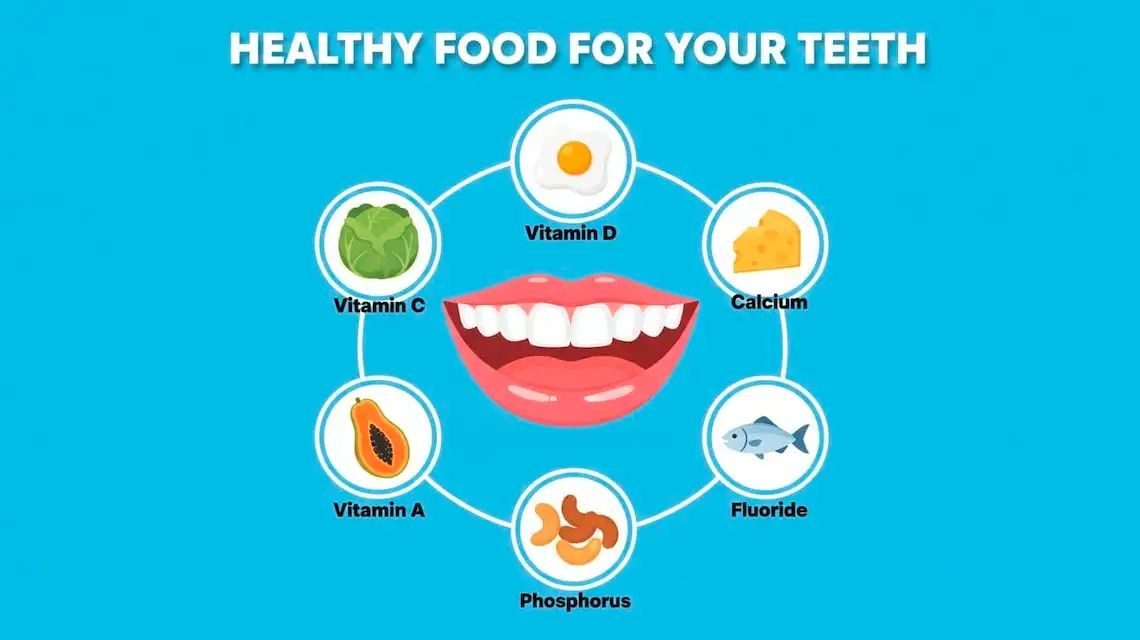
Strong teeth are built in the kitchen as much as at the sink. Enamel is mostly mineral, and your saliva can add minerals back when the balance is right. Daily meals either help this process or make it harder. If you have wondered, what food makes your teeth strong, you are in the right place.
This guide keeps things simple. You will learn which foods support enamel, gums, and the good bacteria in your mouth. We will cover calcium and vitamin D, crunchy high-fiber produce, phosphorus and protein, vitamin C and antioxidants, probiotics, tea, and smart habits that protect your smile. Expect clear picks, quick tips, and easy meal ideas you can use today.
What food makes your teeth strong? The best choices at a glance
Short answer, choose mineral-rich foods, crunchy produce, vitamin C picks, and tooth-friendly drinks, then space snacks and sip water.
Here is the quick list to use this week:
- Calcium and vitamin D, for enamel strength
- Milk, yogurt, cheese
- Canned salmon or sardines with soft bones
- Calcium-fortified plant milks and tofu
- Egg yolks and fortified cereals for vitamin D
- Why it helps, your body needs calcium for enamel, and vitamin D helps you use it
- Crunchy, high-fiber produce, for a natural clean
- Apples, carrots, celery, cucumbers
- Leafy greens like kale and spinach, plus broccoli
- Benefits, more chewing boosts saliva, which helps wash away acids
- Phosphorus and protein, for enamel repair
- Eggs, beans, lentils
- Tofu, tempeh, chicken, turkey, fish
- Benefits, phosphorus teams with calcium to rebuild early enamel wear
- Vitamin C and antioxidants, for firm, healthy gums
- Oranges, kiwis, strawberries
- Bell peppers and tomatoes
- Benefits, vitamin C supports gum tissue and healing
- Probiotics and tea, for a healthier mouth microbiome
- Yogurt or kefir with live cultures
- Green or black tea, without much sugar
- Smart habits and helpers
- Water, sugar-free gum with xylitol
- Pair acidic foods with dairy or nuts
- Keep snacks short, not constant
If you want a deeper list of mouth-friendly nutrients, this quick guide to mouth vitamins from Delta Dental is helpful. See the overview of calcium, vitamin D, and more in 7 vitamins and minerals your mouth needs.
Calcium and vitamin D all-stars: dairy, small fish, and fortified milk
Calcium builds enamel strength. Vitamin D helps your body absorb and use that calcium.
- Dairy picks, milk, yogurt, and cheese. Choose plain or low sugar versions.
- Small fish with soft bones, canned salmon or sardines are calcium powerhouses.
- Fortified options, calcium-fortified plant milks, fortified tofu.
- Vitamin D sources, egg yolks and fortified cereals.
Easy ways to eat: yogurt with berries and chopped nuts, cheese with whole fruit, sardines on whole-grain toast with tomato, or a smoothie using calcium-fortified milk.
If you avoid lactose, choose lactose-free milk or fortified almond, soy, or oat milk.
For a practical list of foods with oral health perks, check out the British Dental Health Foundation’s roundup, 10 foods and drinks with surprising oral health benefits.
Transform Your Smile Today: Discover Denta Smile for Healthy Teeth
Crunchy, high-fiber produce that cleans and protects: apples, carrots, leafy greens
Crunchy fruits and veggies make you chew more, which boosts saliva. Saliva helps sweep away food bits and acids. Many of these foods also bring minerals and vitamins to the party.
- Good picks, apples, carrots, celery, cucumbers, broccoli, kale, spinach.
- Pairings, carrots with hummus, celery with peanut butter, an apple after lunch, or a big salad with leafy greens.
Whole fruit beats juice. Juice is easy to sip for too long, which bathes teeth in acid and sugar.
Phosphorus and protein for enamel repair: eggs, beans, tofu, lean meats
Phosphorus works with calcium to reinforce enamel, like teammates passing the ball.
- Solid choices, eggs, beans, lentils, tofu, tempeh, chicken, turkey, fish.
- Smart combos, eggs with spinach, tofu with greens, beans with cheese, salmon with broccoli.
- Keep portions balanced. Add veggies and whole grains to round out the plate.
For a dentist’s take on phosphorus and other nutrients, Northwell Health explains why phosphorus matters in What foods improve oral health?.
Vitamin C and antioxidants for healthy gums: citrus, berries, peppers
Healthy gums hold teeth steady. Vitamin C supports the collagen in gum tissue and helps wounds heal.
- Easy picks, oranges, kiwis, strawberries, bell peppers, tomatoes.
- Tip, eat vitamin C foods with meals. The meal buffers acidity and is gentler on enamel.
A quick refresher on the big five gum and tooth nutrients is outlined here, Keep Your Teeth and Gums Healthy with These 5 Essential ….
Why these foods work for strong teeth: simple science you can trust
Your enamel is like a shield made mostly of minerals. Acids try to chip away, and saliva steps in to repair. Food choices tip the balance. The right nutrients give your body the raw materials, and the right habits keep acids from winning.
Probiotic foods help good bacteria thrive. Tea brings helpful plant compounds that make life harder for cavity-causing bacteria. Water supports saliva and washes away acid. Put these together, and your mouth gets a calmer, less acidic environment, which gives enamel time to recover.
You do not need a chemistry degree to make this work. Keep meals balanced, avoid long sipping on sweet or sour drinks, and use calcium-rich foods as buffers. That steady routine protects enamel and gums day after day.
Enamel minerals 101: calcium, phosphate, and saliva
Enamel is mostly calcium and phosphate crystals. When your mouth turns acidic, minerals leave that surface. When the acid fades, saliva can add minerals back.
Foods with calcium and phosphate provide the building blocks to repair early damage. If your mouth stays less acidic, saliva can place those minerals back into enamel. That is why cheese with fruit, or yogurt after a meal, can be so helpful.
Vitamins D and K2 help your body use minerals
Vitamin D helps your gut absorb calcium from food. Vitamin K2 helps direct calcium into bones and teeth, not soft tissue. Food examples include egg yolks, cheese, and natto, but the key point is the job these vitamins do. When D and K2 are present, your body uses calcium more wisely.
Probiotics and tea support a healthy mouth microbiome
Good bacteria from yogurt or kefir can crowd out the bacteria that cause cavities and gum issues. Green and black tea contain natural compounds that reduce how well harmful bacteria stick to teeth. Tea can add a little fluoride too, which helps enamel. Keep sugar low if you add any.
Easy meal ideas and smart swaps for stronger teeth every day
Food routines beat one-time fixes. Build meals that protect enamel and keep gums steady. Pair fruit with dairy or nuts to buffer acids. End meals with crunchy veggies or a small piece of cheese. Sip water often. Chew sugar-free gum with xylitol after meals if you like.
Here is a simple one-day plan you can copy and tweak:
- Breakfast, yogurt parfait with berries and chopped almonds, plus water or tea.
- Lunch, salmon with broccoli and brown rice.
- Snack, cheese stick and an apple.
- Dinner, tofu stir-fry with peppers and bok choy, then a small piece of cheese.
Wearing braces or have sensitive teeth? Choose softer crunchy foods like sliced apples without the peel, steamed carrots, or cooked greens. Keep acids brief, and rinse with water after.
Breakfasts and snacks that fight cavities
- Yogurt parfait with berries and chopped nuts.
- Veggie omelet with cheese and spinach.
- Calcium-fortified smoothie with kefir, kale, and banana.
- Whole-grain toast with sardines or nut butter.
- Cottage cheese with pineapple.
Smart snacks, cheese sticks and apple slices, roasted chickpeas, kefir, almonds, or a small tuna salad on whole-grain crackers. Keep added sugars low.
Lunch and dinner plates that protect enamel
- Salmon with broccoli and brown rice.
- Bean and veggie chili with a side salad.
- Tofu stir-fry with peppers and bok choy.
- Chicken, spinach, and quinoa bowl.
- Veggie pasta with sardines and tomato sauce, plus a side of greens.
End meals with crunchy veggies or a small piece of cheese to help neutralize acids.
Simple snack swaps and food pairings that buffer acids
- Water or milk instead of soda.
- Whole fruit instead of fruit snacks.
- Nuts instead of chips.
- Yogurt instead of ice cream.
- Dark chocolate instead of sticky candy.
Pair citrus or tomatoes with dairy or nuts. Rinse with water after acidic foods. Keep portions even, and avoid constant nibbling.
Hydration, chewing, and sugar-free gum with xylitol
Water keeps saliva flowing and helps wash away acids and food bits. Sip water with meals and after snacks. Sugar-free gum with xylitol can reduce cavity-causing bacteria and boost saliva. Chew for 10 to 20 minutes after meals. Skip gum right before bed. Gum helps, but it is not a fix on its own.
What to limit for stronger teeth, and how to enjoy treats safely
You do not need to skip every treat. Just be smart about time, texture, and rinsing. Focus on how long sugar and acid sit on teeth. Keep sweet or sour hits short, and pair them with a meal or a buffer like cheese or nuts.
If you have a sweet or sour drink, plan some recovery steps. Rinse with water right after. Wait before brushing so you do not scrub softened enamel. Then brush well with fluoride toothpaste, and floss daily.
Sugary and sticky foods that cling to teeth
Caramels, taffy, gummy candy, fruit snacks, dried fruit, and sweet granola stick to teeth. Sticky sugar lingers and feeds cavity-causing bacteria. Choose less sticky treats, eat them with a meal, and rinse with water after.
Acidic drinks and how to reduce the harm
Soda, energy drinks, sports drinks, lemon water, kombucha, and fruit juice are acidic. Acid softens enamel and makes it easier to wear away.
Tips that help:
- Limit sipping time.
- Use a straw for sweet and sour drinks.
- Drink with meals, not between them.
- Follow with water or milk.
- Wait 30 to 60 minutes before brushing after acidic drinks.
Smart timing: meal times, grazing, and bedtime rules
Constant snacking keeps acids high. Plan set meals and short snack times. Avoid sugary snacks right before bed. If you need something at night, choose water or plain milk, not juice or soda.
Quick recovery steps after sweets or sports drinks
Use this simple routine:
- Rinse with water.
- Eat a small piece of cheese or a handful of nuts.
- Chew sugar-free xylitol gum for 10 to 20 minutes.
- Brush after 30 to 60 minutes.
Conclusion
The right foods help rebuild enamel minerals, protect gums, and support healthy bacteria. Top picks include calcium and vitamin D foods, crunchy produce, phosphorus and protein sources, vitamin C fruits and veggies, probiotic foods, tea, and plenty of water. Now you know exactly what food makes your teeth strong and how to fit them into your day. Choose two swaps for this week, add one tooth-friendly food to each meal, and drink more water. Make a short grocery list today, and talk with your dentist if you have special needs or questions.
Related post:
- How to Fix Translucent Teeth Naturally
- How Do You Fix Calcium Deficiency in Teeth?
- Tooth Pain Causing Ear Pain
Foods That Make Teeth Strong: FAQ
Which nutrients actually make teeth strong?
Calcium, phosphorus, and vitamin D top the list. Calcium builds enamel, phosphorus pairs with calcium in tooth mineral, and vitamin D helps your body absorb both. Vitamin K2 and magnesium also support mineral balance in teeth and bone.
What are the best calcium-rich foods for enamel?
Milk, cheese, and yogurt are reliable. Canned salmon or sardines with bones, tofu set with calcium sulfate, fortified plant milks, almonds, sesame seeds, and leafy greens like kale also help.
How does cheese help my teeth?
Cheese raises saliva pH and provides calcium and phosphate. A small piece after meals can buffer acids and support remineralization.
Are there good options if I do not eat dairy?
Yes. Choose fortified soy or pea milk, calcium-set tofu, beans, tahini, almonds, chia seeds, and leafy greens. Pair with vitamin D sources so your body can use the calcium.
What foods give me vitamin D for dental health?
Fatty fish like salmon and mackerel, egg yolks, and fortified milk or plant milks. Sunlight also helps your body make vitamin D. Many people still need a supplement, based on blood levels.
Do crunchy fruits and veggies help my teeth?
Yes. Apples, carrots, celery, and cucumbers boost saliva and help sweep away food bits. They do not replace brushing, but they lower the acid load after meals.
Which drinks support strong teeth?
Plain water, especially fluoridated water, is best. Unsweetened green or black tea offers natural fluoride and polyphenols that help curb harmful bacteria.
What is the smartest snack for strong teeth?
Cheese with nuts, plain yogurt, or veggies with hummus. If you want fruit, eat it with a meal. Rinse with water after. Finish with a piece of cheese or chew sugar-free gum to raise saliva.
Is xylitol good for my teeth?
Sugar-free gum or mints with xylitol can reduce cavity-causing bacteria and increase saliva. Use after meals, not as a stand-alone fix.
Which foods weaken enamel that I should limit?
Sugary snacks, sticky candies, dried fruit that clings to teeth, and frequent sipping of soda, juice, or sports drinks. Starchy chips and crackers stick and feed bacteria too.
How should I handle acidic foods like citrus or vinegar?
Enjoy them with meals, not alone. Rinse with water after. Wait 30 to 60 minutes before brushing so you do not scrub softened enamel.
Are whole grains and nuts useful for teeth?
Yes. Whole grains provide magnesium, and nuts offer phosphorus, healthy fats, and protein. Both support tooth structure and keep you full, which cuts down on sugary grazing.
Do probiotics from yogurt help oral health?
Some yogurts with live cultures may support a healthier oral microbiome. Choose plain yogurt to avoid added sugar, add berries or nuts for taste.
Can chocolate be tooth-friendly?
A small piece of dark chocolate, 70 percent or higher, has less sugar and contains polyphenols. Eat it with a meal, not as a frequent nibble.
How much calcium and vitamin D do I need?
Most adults need about 1,000 mg calcium per day, women over 50 and men over 70 need 1,200 mg. For vitamin D, 600 to 800 IU per day is common. Ask your clinician about testing and the right dose for you.
Do I need fluoride from food?
Food is not a major source. Fluoridated water, tea, and toothpaste provide fluoride that hardens enamel and lowers cavity risk.
What about kids, teens, and pregnant people?
They need enough calcium, vitamin D, and protein for growing teeth and bone. Focus on dairy or fortified alternatives, fish low in mercury, eggs, beans, nuts, and leafy greens. Limit sugary drinks and sticky snacks.
Can supplements replace a tooth-healthy diet?
Supplements help when intake falls short, especially vitamin D. Food still does more, since it delivers calcium, phosphorus, protein, and protective compounds together.
Any simple daily plan for stronger teeth?
- Drink fluoridated water all day.
- Eat dairy or fortified alternatives 2 to 3 times.
- Include leafy greens, beans, nuts, and fish or tofu.
- Snack on cheese, nuts, or veggies, not sweets.
- Finish meals with cheese or sugar-free gum.
- Rinse after acidic foods, brush later.

Gas S. is a health writer who covers metabolic health, longevity science, and functional physiology. He breaks down research into clear, usable takeaways for long-term health and recovery. His work focuses on how the body works, progress tracking, and changes you can stick with. Every article is reviewed independently for accuracy and readability.
- Medical Disclaimer: This content is for education only. It doesn’t diagnose, treat, or replace medical care from a licensed professional. Read our full Medical Disclaimer here.