

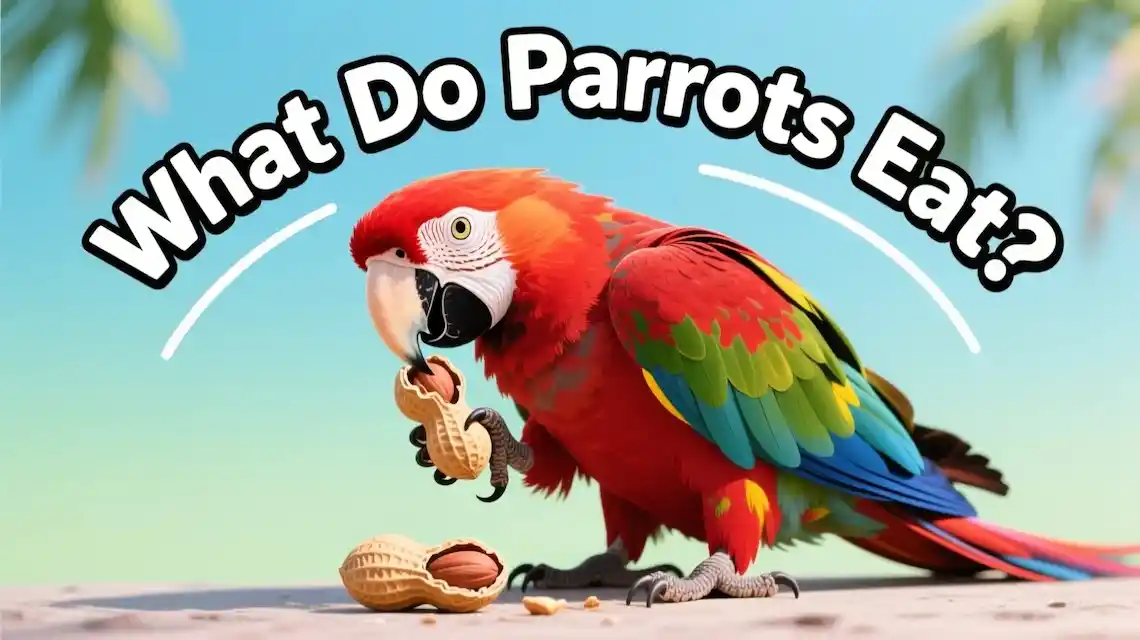
Bright feathers, big personalities, and a beak that means business. Parrots stay vibrant and healthy when their plates match their energy. That starts with smart, varied food, not just a bowl of seeds.
So, what do parrots eat? Most thrive on a quality pellet base, plus daily fresh vegetables, some fruit, whole grains, and small amounts of nuts or seeds. Clean water, every day, matters too.
Many owners worry they might miss the mark. This guide keeps it simple, so you can feed with confidence. You will learn the basics of parrot nutrition, what a balanced plate looks like, and how often to serve it.
We will list safe, parrot‑friendly foods you can offer right away, with easy ideas you can rotate through the week. You will also see common hazards to avoid, like avocado, chocolate, alcohol, caffeine, and salty or sugary snacks.
You will get practical tips that fit real life, such as portion ideas, prep hacks, and how to switch from seed-heavy diets without stress. Expect clear steps you can follow, plus notes for different species and ages. Let’s keep your bird bright, busy, and thriving at mealtime.
Understanding the Basics of What Parrots Eat
Parrots are foragers by nature. In the wild they pick at seeds, fruits, leaves, nuts, and buds across the day. A healthy home diet mimics that pattern with variety, fresh foods, and smart portions. When someone asks what do parrots eat, the short answer is a balanced mix of pellets, vegetables, fruits, grains, and measured treats like nuts or seeds.
A varied plate prevents boredom, weight gain, and feather plucking. It also supports a steady mood and brighter feathers. Think of it like your own meals. You would not thrive on only cereal or only salad, and neither will your bird.
Key Nutrients Every Parrot Needs
Parrots need the right mix of macronutrients and micronutrients to grow, heal, and stay active.
- Fats for energy: Found in nuts and seeds like almonds, walnuts, and sunflower seeds. Offer small amounts. Too much fat leads to obesity and liver stress.
- Proteins for growth and repair: Found in cooked legumes, sprouted grains, and quality pellets. Protein supports muscles, feathers, and beak strength.
- Vitamins A and C for immune health: Vitamin A rich foods include carrots, sweet potato, pumpkin, red bell pepper, and dark leafy greens. Vitamin C shows up in citrus segments, kiwi, berries, and bell peppers.
- Calcium for bones and beaks: Offer dark greens, broccoli, and a calcium-fortified pellet. Low calcium can lead to weak beaks, shaky perches, egg binding in females, and brittle bones.
Spotting a diet gap is easier when you know the signs:
- Behavior: Lethargy, crankiness, or constant begging for food can hint at imbalance.
- Feathers and skin: Dull color, flaking skin, slow molt, or chewing at feathers.
- Droppings: Very watery, very dark, or a sharp change in size or smell calls for a review and a vet visit.
Keep portions sensible. Aim for 50 to 70 percent pellets or vegetables as the base, then add a mix of fruits, grains, and a small daily treat. Choose fresh and lightly cooked foods over processed items. Skip salt, sugar, and oils.

How Parrot Diets Differ by Species
All parrots share core needs, yet size and activity shift the details. Budgies and lovebirds often do well with a higher seed component, paired with leafy greens and a pellet base. Larger birds, like cockatoos and macaws, burn more energy and can handle more nuts and larger fruit pieces, in measured amounts.
African Greys have higher calcium needs and benefit from calcium-rich greens and balanced pellets. Macaws do well with more healthy fats, like a few macadamia or walnut pieces, but still need lots of vegetables. Even with these shifts, most species thrive when 50 to 70 percent of the diet is quality pellets or vegetables, with the rest from fruits, grains, legumes, and limited seeds or nuts.
Think of species like athletes with different training meals, yet the same food groups. When in doubt, ask an avian vet. This is essential for rescues or birds with known health issues. Adjust portions to body condition and activity. You want a trim keel bone, bright eyes, and steady energy. Variety keeps your parrot engaged, nourished, and excited for the next meal.
Safe and Nutritious Foods to Feed Your Parrot
Here is the short list that answers what do parrots eat in real life. Fresh, whole foods carry the day, paired with a pellet base and smart treats. Rotate options, introduce new foods slowly, and keep portions in check. Fall is a great time to add seasonal color and flavor to the bowl.
Fruits and Vegetables Parrots Adore
Fresh produce fuels feathers, skin, and immune health. Wash everything well to remove pesticides, then chop into pea-sized bits for safety and to inspire foraging.
- Apples (no seeds): Crisp fiber for gut health, plus hydration. Fall bonus, Honeycrisp or Fuji slices are a hit.
- Bananas: Easy calories and potassium. Offer small coins to prevent sticky beaks.
- Berries: Blueberries, raspberries, and strawberries bring antioxidants that support feather shine.
- Carrots: Vitamin A for eyes, skin, and beaks. Serve thin coins or soft-cooked sticks.
- Broccoli: Calcium and vitamin C in one bite. Lightly steam if your bird shuns raw florets.
- Leafy greens: Kale, romaine, and chard help bone strength and immunity. Tear into bite-size shreds.
Seasonal ideas for October:
- Pears: Juicy fiber and gentle sweetness. Remove seeds.
- Pumpkin and winter squash: Beta-carotene galore. Offer soft roasted cubes with no salt or oil.
- Cranberries: Tart vitamin C. Use fresh or thawed, not sweetened dried.
Quick tips:
- Start with a teaspoon of a new item and watch droppings and behavior.
- Mix colors and textures to boost interest.
- Hide pieces in foraging toys or paper cups to extend mealtime.
Seeds, Nuts, and Pellets as Diet Staples
These foods round out nutrition when used with care. They add energy, balance, and training power.
- High-quality seed mixes: Keep seeds under 20 percent of the daily diet to avoid fat buildup. Choose mixes with varied grains, minimal sunflower, and no artificial dyes.
- Nuts in moderation: Almonds, walnuts, pistachios, and macadamias offer healthy fats. Use shelled, unsalted pieces as training treats. Adjust for species size to prevent weight gain.
- Formulated pellets: Make pellets the nutrient-complete base. Look for vet-recommended, naturally colored, and balanced formulas suited to your species and age. Extruded pellets tend to be consistent; cold-pressed options may have a softer texture. Both can work well.
How to shift from a seed-heavy bowl without stress:
- Offer pellets each morning when your parrot is hungriest.
- Start with a 75 percent old mix and 25 percent pellets for a week.
- Increase pellets by 10 to 15 percent every few days.
- Warm pellets slightly or crumble them over favorite veggies to boost interest.
- Use nuts or a few seeds as rewards for tasting pellets and greens.
Stay patient, track weight weekly, and celebrate small wins. Consistency builds a better plate.
Dangerous Foods to Keep Away from Your Parrot
When people ask what do parrots eat, the follow-up should be what they must never eat. Avian vets warn that even small bites of certain foods can cause rapid illness or death. If your bird shows vomiting, tremors, or lethargy, call an avian vet right away.
Toxic Foods That Can Harm Parrots
Some everyday foods contain compounds parrots cannot process. These toxins can damage the heart, nerves, or blood cells.
- Avocado: Persin can trigger heart failure and fluid buildup in the chest.
- Chocolate and caffeine: Theobromine and caffeine overstimulate the nervous system and heart. Dark chocolate is the most dangerous.
- Onions and garlic: Allium compounds can cause hemolytic anemia, which reduces oxygen in the blood and leads to weakness.
- Alcohol: A tiny sip depresses the nervous system and harms the liver.
- Apple seeds and pitted fruits: Apple seeds and pits from cherries, peaches, and apricots contain cyanide-releasing compounds. Flesh is fine, seeds and pits are not.
Safer swaps keep your bird happy without risk:
- Offer carrots, sweet potato, bell pepper, and leafy greens for a vitamin A boost instead of avocado.
- Use berries, banana coins, or crisp apple slices without seeds for a sweet treat.
- Choose herbs like parsley or cilantro over onion or garlic flavors.
- Stick to fresh water for drinks, not coffee, tea, or alcohol.
Keep all toxic foods out of reach, and brief family and guests before sharing snacks.
Common Household Items to Avoid
Plenty of human foods look harmless but are not a match for a parrot’s body. Regular feeding of these items raises the risk of obesity, high blood pressure, and fatty liver disease.
- Salty snacks: Chips, crackers, and cured meats push sodium far beyond safe levels.
- Sugary cereals and baked goods: Sugar spikes energy, then crashes mood and appetite control.
- Dairy: Most parrots are lactose intolerant. Milk, ice cream, and cheese can cause diarrhea and gut upset.
Set simple kitchen rules that everyone can follow:
- Label a parrot-safe zone for prep and serving.
- Keep a quick list on the fridge with clear yes and no foods.
- Use training treats like unsalted nuts or small pellet pieces, not table scraps.
Care today prevents emergencies tomorrow. Keep treats clean, portions small, and toxins off the menu.
Practical Tips for Feeding Your Parrot a Healthy Diet
Daily habits make feeding simple and stress free. Mix routine with variety, keep food fresh, and watch how your bird responds. When you think about what do parrots eat, picture a colorful plate with pellets, greens, grains, and small treats that keep foraging instincts alive. Use these tips to build a plan that works every day.
Creating a Daily Feeding Schedule
A steady rhythm helps parrots feel safe, which reduces stress and picky behavior. Try this structure and tweak portions based on your bird’s appetite and weight.
- Morning, fresh foods: Offer chopped vegetables first, then add a little fruit. Think bell pepper, leafy greens, carrot coins, and a few berry halves. Serve in a shallow dish so colors and textures invite sampling.
- Midday, pellets: Make pellets the main course. Refresh the bowl so it smells and tastes new. If your bird is slow to accept pellets, crumble a small amount over warm veggies to boost interest.
- Evening, foraging with seeds: Hide a measured seed mix in paper cups, cardboard rolls, or a puzzle toy. Foraging burns energy and mirrors natural feeding. Keep seeds small, about a teaspoon for small parrots, a bit more for larger species.
Change water twice daily. Clean bowls with hot water and a brush. Watch what is left after each meal and adjust portions. More leftovers mean you can offer less next time. A predictable schedule promotes natural behaviors, better sleep, and calmer moods.
Budget-friendly tip: prep veggie mixes on Sundays, freeze in ice cube trays, and thaw a cube each morning. Involve kids by letting them pick colors for the produce bowl.
Monitoring Your Parrot’s Health Through Diet
Your bird’s body will tell you if the menu is working. Look for:
- Bright eyes and active play
- Smooth, glossy feathers
- Firm, well-formed droppings with consistent color and volume
Weigh your parrot weekly on a gram scale. Track trends, not single days. Sudden loss or gain calls for a review of portions and a call to your avian vet. Book annual vet checkups to catch early issues like fatty liver or low calcium.
Use a simple journal or a free habit app to log meals, weight, and notes on behavior. A quick record helps you spot patterns, like too much fruit or not enough greens. Small, steady changes keep your parrot thriving and make what do parrots eat an easy question to answer every day.
Conclusion
Parrots thrive on variety. Build the bowl around quality pellets, then add daily vegetables, a little fruit, cooked grains or legumes, and measured nuts or seeds. Keep fresh water available at all times. Rotate colors and textures, and use foraging to keep minds busy.
Safety matters as much as variety. Skip avocado, chocolate, caffeine, alcohol, onions, garlic, apple seeds, and pits. Avoid salty, sugary, and dairy foods that stress the heart, liver, and gut. Keep portions sensible, watch weight weekly, and refresh bowls so food stays clean and appealing.
Small routines lead to big wins. Serve produce in the morning, pellets midday, and a tiny seed forage at night. Adjust to your bird’s size, age, and activity. If you are still asking what do parrots eat, the answer is a balanced mix of pellets, plants, and smart treats, never toxins.
Share what works for your flock in the comments, your tips help others. If you see sudden weight changes, dull feathers, or behavior shifts, call an avian vet. Thanks for caring for your bird’s plate, and for giving them a long, happy life.
Related post: Do Hamster Feel Pain?
Parrot Diet FAQ: What They Can Eat, What They Should Skip
What should a parrot eat each day?
Aim for 60 to 70 percent pellets, 20 to 30 percent vegetables, and up to 5 percent fruit. Use nuts and seeds as treats, not the main course.
Are pellets better than a seed-only diet?
Yes. Pellets cover key vitamins and minerals. A seed-only diet is high in fat and often lacks vitamin A, calcium, and iodine.
Which vegetables are best for parrots?
Offer dark leafy greens, carrots, sweet potato, bell peppers, broccoli, squash, and green beans. Rotate choices for variety and nutrients.
Can parrots eat fruit?
Yes, in small amounts. Try berries, apples without seeds, pears, mango, papaya, melon, and kiwi. Keep fruit at 5 percent of the diet.
Which foods are toxic or unsafe?
Avoid avocado, chocolate, caffeine, alcohol, xylitol, fruit pits, apple seeds, raw kidney beans, and large amounts of onion or garlic. Skip salty, sugary, and fried foods.
Are nuts and seeds okay?
Yes, as training treats or energy boosts. Choose almonds, walnuts, pistachios, or sunflower seeds in small portions. Balance them with vegetables.
Do different species need different diets?
Yes. Lories and lorikeets need nectar-based diets, not pellets. Eclectus do best with more fresh produce and careful supplements. Macaws can handle more nuts. African greys need steady calcium sources. Budgies and cockatiels still need pellets and greens, not just seeds.
How much should I feed?
Start with measured portions and watch weight and droppings. Adjust so your bird maintains a steady, healthy body condition. Check with an avian vet for a target weight.
How often should I feed my parrot?
Most do well with breakfast and dinner. Offer foraging options during the day to keep them busy and reduce boredom.
What protein sources are safe?
Offer cooked lentils, chickpeas, beans, quinoa, and small amounts of cooked egg. Skip processed meats and heavy oils.
Can parrots have dairy or bread?
Birds don’t digest lactose well, so skip dairy. Plain whole-grain bread is fine in tiny amounts, without salt or added sugar.
What about sprouts and grains?
Sprouted seeds and legumes are great if grown cleanly. Offer brown rice, oats, barley, and quinoa. Keep them plain and lightly cooked if needed.
Do parrots need supplements or grit?
Most parrots on pellets don’t need extra vitamins. Use supplements only with vet guidance. Parrots don’t need grit, since they hull their seeds.
How do I switch a bird from seeds to pellets?
Go slow over 2 to 4 weeks. Mix a small amount of pellets into familiar foods, increase daily, and offer veggies to boost interest. Track weight during the change.
Which veggies boost vitamin A?
Carrots, sweet potato, pumpkin, butternut squash, dark leafy greens, and red peppers. Vitamin A supports eyes, skin, and immune health.
How do I support calcium needs?
Offer leafy greens, broccoli, and a cuttlebone or mineral block. African greys often need closer calcium monitoring. Never add calcium water drops without vet input.
What human foods are safe as treats?
Plain cooked grains, steamed veggies, a few nuts, and small pieces of fruit. Avoid sauces, salt, sugar, butter, and seasonings.
How do I choose a good pellet?
Pick a well-known brand formulated for your species. Look for balanced nutrition, appropriate pellet size, and good acceptance. Avoid treats dyed to look like candy.
How can I make feeding more enriching?
Use foraging toys, paper cups, skewers, and hidden food puzzles. Offer chopped “salad” bowls with varied textures and colors.
What are signs the diet isn’t right?
Watch for weight loss or gain, poor feathers, flaky skin, weakness, or changes in droppings. If you see these, call an avian vet quickly.
How fresh should food and water be?
Change water daily, more often if soiled. Remove fresh foods after a few hours. Wash bowls and cutting boards well to avoid bacteria.
 Dog Trick Training for Beginners
  Gingivitis Cats Symptoms Every Pet Parent Should Know
  How to Make Dog Cookies at Home
  Wet Food or Dry Food for Cats?
  What Is the Healthiest Hamster Breed for Your Home?
  Cat Food Intolerance Symptoms: How To Spot Them Early