

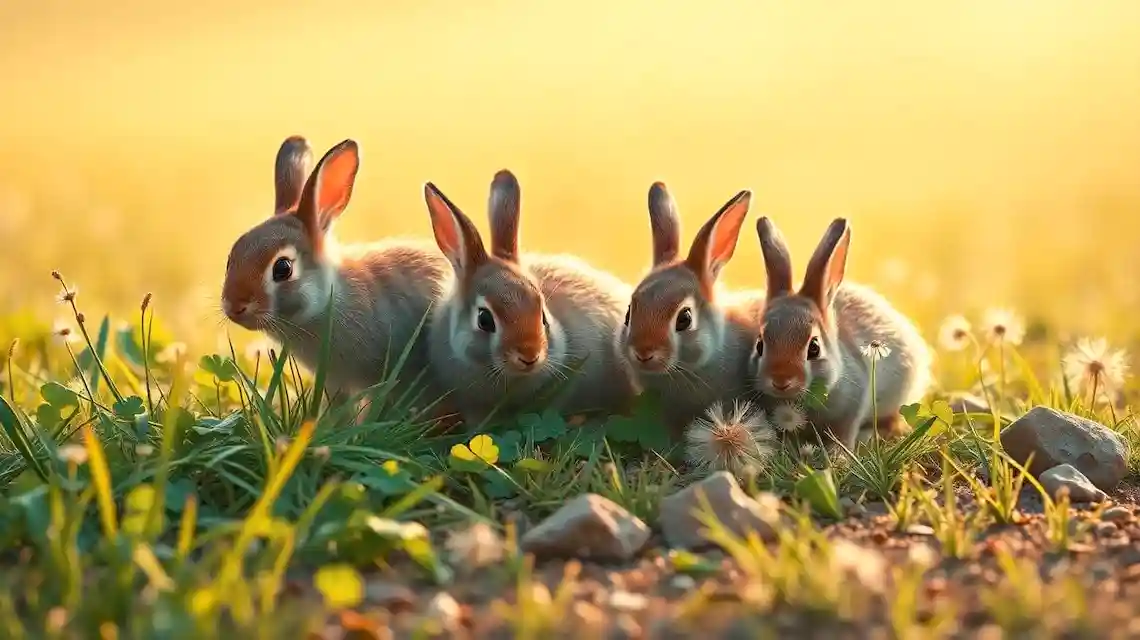
What can wild rabbits eat? It is one of the most common questions people ask after spotting a bunny in the yard. Wild rabbits follow a natural, seasonal diet built around fiber-rich plants. Feeding the wrong foods can upset their gut, attract predators, or teach them to beg. This guide explains safe foods, what to avoid, and easy ways to help without harm.
You will also get quick answers to common searches: can wild rabbits eat carrots, lettuce, apples, or bird seed? Short answer, treats are not staples, and seeds are not safe. Keep reading for clear, friendly tips at an 8th grade reading level. By the end, you will know how to support your local rabbits without causing problems. That means better choices for you, and a healthier life for them.
What can wild rabbits eat in nature? Seasonal diet and how they stay healthy
Wild rabbits graze all day on high-fiber plants. That steady nibbling is their secret to staying healthy. Their menu changes with the seasons, but the goal is always the same, lots of fiber, steady moisture, and safe cover.
In warm months, they prefer fresh grasses and leafy weeds. In cooler months, they switch to woody plants and dry grasses. Many rabbits get most of their water from plants and morning dew. They will drink from shallow, clean water if it is available.
Fiber keeps their gut moving and their teeth worn to a safe length. Without enough fiber, food can slow down in the digestive tract. That can cause gas, pain, and serious illness. A natural menu centers on grasses, weeds, and browse.
Rabbits thrive when they forage on their own. If you want to help, focus on habitat and water instead of handouts. For feeding dos and don’ts, this article explains safe practices and risks when people offer food to wild bunnies, Feeding Wild Rabbits, the Do’s and Don’ts.
Spring and summer foods wild rabbits eat
In spring and summer, new growth is soft and easy to digest. You will see rabbits on tender grasses like fescue, bluegrass, ryegrass, and meadow mixes. They also love clover, plantain, dandelion, chickweed, shepherd’s purse, and young shoots of common weeds and wildflowers.
If they reach gardens, they may sample lettuce or other greens. Can wild rabbits eat lettuce? Small amounts of dark leafy greens are better than iceberg, since iceberg is mostly water and low in nutrients. Alfalfa leaves may be eaten, but they are rich in protein and calcium, so they are not ideal as a main food for adult rabbits. Think variety and fiber, not rich or sugary plants.
Fall and winter foods wild rabbits rely on
When lawns and weeds fade, rabbits switch to woody plants and leftover stems. What do wild rabbits eat in winter? They nibble bark and twigs from willow, maple, birch, apple, dogwood, and sumac. They will also chew on raspberry and blackberry canes, buds, and sometimes a few evergreen needles.
Dry grasses and old garden stems help fill the gap. Winter nibbling on young tree bark is a normal survival behavior, not a sign of mischief. Protect trees if needed, but remember they are doing what they must to get through the cold months.
Why fiber matters: how a rabbit gut works
Rabbits need steady fiber to keep food moving through the gut. They also produce cecotropes, small nutrient-rich droppings that they eat directly, which gives them vitamins and proteins they would otherwise miss. It sounds odd, but it is a key part of rabbit health.
Sudden diet changes or low-fiber, sugary foods can upset that system. That can lead to gas, diarrhea, or worse. What do wild rabbits drink? Mostly water from plants and dew, but they will use clean, shallow water if available, especially in heat or drought.
Myth check: can wild rabbits eat carrots and fruit?
Carrots, apples, and berries are sweet. Can wild rabbits eat carrots or can wild rabbits eat apples? In tiny amounts, these are treats, not staples. Too much sugar can disrupt gut bacteria, cause gas, and add to dental wear problems. If a rabbit steals a small bite from a garden, it is usually fine. People should not offer fruit or carrots on purpose.
Fruit also draws predators and teaches rabbits to return for snacks. Keep gardens protected, and stick with habitat help instead of treats.
What not to feed wild rabbits and hidden risks to avoid
Feeding wild animals can cause harm even when intentions are good. Rabbits have a sensitive digestive system built for fiber, not human snacks. The wrong foods can cause choking, bloat, gut slowdown, or dangerous shifts in gut bacteria. Sweet or salty foods also pull rabbits away from natural foraging.
There are safety concerns beyond food. Lawns and gardens with pesticides or herbicides can leave residues on grass and weeds. That residue can sicken rabbits. Some places also have rules about feeding wildlife. Check local laws before you put out any food. A better path is to offer safe cover, clean water, and humane protection for your plants.
Human foods to avoid
Skip all processed foods and pantry items. That includes bread, crackers, cereal, milk or yogurt, candy, chocolate, peanut butter, nuts, seeds, corn, beans, peas, and bird seed. These have the wrong nutrients, too much sugar or salt, and can cause choking, gas, or bloat. Dry grains and seeds are not part of a rabbit’s natural diet.
Can wild rabbits eat bird seed? No, it is not safe. Seeds and corn can sit in the gut and cause serious problems. Keep feeders tidy so spilled seed does not attract rabbits.
Toxic or risky plants and garden items
Some plants are dangerous for rabbits. Avoid offering rhubarb leaves, nightshade plants and leaves (potato, tomato, eggplant), and the onion family (onion, garlic, chives, leeks). Common ornamentals like azalea, rhododendron, yew, oleander, foxglove, hemlock, lily of the valley, daffodils, and tulip bulbs are risky. Buttercups, philodendron, pothos, and dieffenbachia can also be harmful.
Some wild plants like milkweed can be toxic too. If you do not know the plant, do not feed it. Keep yard trimmings with chemicals or unknown plants out of reach.
Chemicals, baits, and lawn treatments
Pesticides, herbicides, and rodenticides pose serious risks. Residues on grass and weeds can make rabbits sick. Poison baits can harm them directly, and sometimes indirectly if predators eat poisoned animals.
Do not feed rabbits from treated lawns or gardens. If you must manage pests, choose pet-safe and wildlife-safe products, and follow labels closely. Spot treatments are better than broad sprays.
Why you should not hand-feed wild rabbits
Hand-feeding teaches rabbits to rely on people. That can change their natural behavior, bring them into conflict with pets, and spread disease. In some places, feeding wildlife is illegal. Is it okay to feed wild rabbits? It is best not to.
Enjoy them from a distance. If you want to help, focus on habitat, clean water, and humane garden protection. Those steps support rabbits without risk.
Safe ways to help wild rabbits and protect your garden
You can support rabbits and still keep your garden safe. The key is habitat, water, and smart protection instead of snacks. Small changes can make your yard safer for wildlife and less tempting for nibbling.
Offer cover with shrubs and brush, and give them clean, shallow water with stones for footing. Keep pets supervised. Use fencing and tree guards where it matters. If pressure is high, plant a decoy patch outside your main beds to give them a legal snack zone. When in doubt, favor simple, low-cost steps you can maintain.
If you must offer food, what is safest and how much
If you decide to offer food, keep it light and rare. Safer choices include small amounts of untreated native grasses, clover, and dandelion leaves. Timothy hay can help in a pinch, but do not make a routine of it.
Provide fresh, shallow water and change it daily. Portion guide, no more than a palm-sized handful, once or twice a week at most. Stop if animals begin waiting for food. Natural foraging is best. When people ask what can wild rabbits eat, the honest answer is simple, the plants they find on their own.
For a helpful overview of what wild rabbits eat, see this plain-language guide on what wild rabbits eat and browse across seasons.
Make your yard rabbit-friendly without feeding
Plant native grasses, clover patches, brambles, and shrubs that give both cover and forage. Leave a small brush pile and some leaf litter in a corner. That creates shelter for many small animals.
Keep dogs and cats supervised, especially at dawn and dusk. Avoid loose netting, it can trap wildlife. Set a shallow water dish with a few stones so bees and birds can drink safely too.
Protect your garden humanely
Use a 2 to 3 foot fence with 1 inch mesh, buried 6 inches to stop digging. Add tree guards to young trunks in winter to prevent bark chewing. Try raised beds and row covers for greens and herbs.
Plant a small decoy strip outside the fence with clover or rye to ease pressure on your crops. Safe, scent-based repellents can help, reapply after rain. Combine these methods for best results.
When to help a rabbit and who to call
Quiet, still kits in shallow nests are usually fine. The mother visits at dawn and dusk for a few minutes. Do not move them. Help only if they are cold, bleeding, swarmed by flies, or a pet brought one in.
For injured or orphaned rabbits, contact a licensed wildlife rehabilitator or your state wildlife agency. Search “wildlife rehabilitator near me” for local help. Never give cow’s milk or human formula.
Conclusion
The core answer to what can wild rabbits eat is this, mostly high-fiber plants that change with the seasons. Fresh grasses and weeds in warm months, woody browse and dry grasses in winter. Skip bread, seeds, sweets, and human snacks, and do not hand-feed. Focus on simple, safe help like habitat and water, and protect gardens with fencing and guards.
Enjoy these animals from a respectful distance, and check local rules before offering anything. Small, smart choices keep rabbits healthy and your yard peaceful. That is a win for you and for the rabbits.
Related post:
Wild Rabbit Diet FAQ
What do wild rabbits eat most of the time?
Wild rabbits eat grasses, leafy weeds, and clover. They also nibble plantain, dandelion, and young shoots. In winter, they chew bark, twigs, and buds.
Is it safe to feed wild rabbits in my yard?
It is not a good idea. Handouts can cause gut problems, spread disease, and make them bold. If you want to help, grow native plants and keep an unfrozen water source.
Can wild rabbits eat carrots or lettuce?
Carrots are a treat, not a staple. Offer a thin slice at most, and not daily. Skip iceberg lettuce, it can cause diarrhea. Romaine and dark leafy greens are safer, in small amounts.
Which plants are safe for them to browse?
Safe options include native grasses, clover, dandelion greens, plantain, and sow thistle. Always avoid plants treated with pesticides or herbicides.
Which plants are harmful or toxic?
Do not let rabbits access yew, azalea, rhubarb leaves, foxglove, lily of the valley, oleander, nightshade, daffodil, or buttercups. Many ornamental bulbs and evergreens are risky.
Can I give fruit to a wild rabbit?
Only tiny amounts, and rarely. A small berry or a thin apple slice is enough. Too much sugar upsets their gut.
Should I put out pellets or commercial rabbit food?
No. Pellets are for domestic rabbits and can disrupt a wild rabbit’s digestion. Stick to natural browse if you offer anything at all.
What about nuts, seeds, corn, or bread?
Do not feed these. Rabbits cannot digest high fat or starchy foods well. They can cause bloat or serious gut issues.
How does their diet change in winter?
They shift from soft greens to bark, woody stems, evergreen needles, and winter buds. You can help by leaving brush piles and native shrubs, not by giving grains.
Do wild rabbits need water from people?
Rabbits get moisture from plants, but clean water helps in heat or drought. Offer a shallow, scrubbed dish on the ground, then remove it at night to reduce predators.
Is kale or spinach okay?
Small amounts are fine. These greens are high in oxalates, so rotate with other leaves like romaine, cilantro, or carrot tops if you offer any.
Can baby wild rabbits be fed by humans?
No. Do not feed baby rabbits. Their needs are very specific, and improper feeding can kill them. If truly orphaned or injured, contact a licensed wildlife rehabilitator.
Are garden herbs safe?
Many are fine in small amounts, like parsley, cilantro, basil, and dill. Avoid chives and anything treated with chemicals. Offer variety, not volume.
Are salt or mineral licks helpful?
No. Wild rabbits meet mineral needs through a varied natural diet. Licks can attract predators and other wildlife.
How can I rabbit-proof toxic plants without harming them?
Use fencing with small mesh, at least 2 feet high, with the bottom buried a few inches. Choose rabbit-resistant plantings for exposed spots, and avoid chemical repellents where possible.
What is the best way to help wild rabbits without feeding them?
Grow native grasses and clover, leave some leaf litter, and keep a brush pile for cover. Provide clean water, keep pets indoors at dawn and dusk, and avoid chemicals in the yard.
Do different wild rabbit species eat different foods?
Diet is similar across species, mainly grasses and forbs. Local plants vary by region, so the exact mix changes, but the fiber-heavy pattern stays the same.
 Dog Trick Training for Beginners
  Gingivitis Cats Symptoms Every Pet Parent Should Know
  How to Make Dog Cookies at Home
  Wet Food or Dry Food for Cats?
  What Is the Healthiest Hamster Breed for Your Home?
  Cat Food Intolerance Symptoms: How To Spot Them Early