

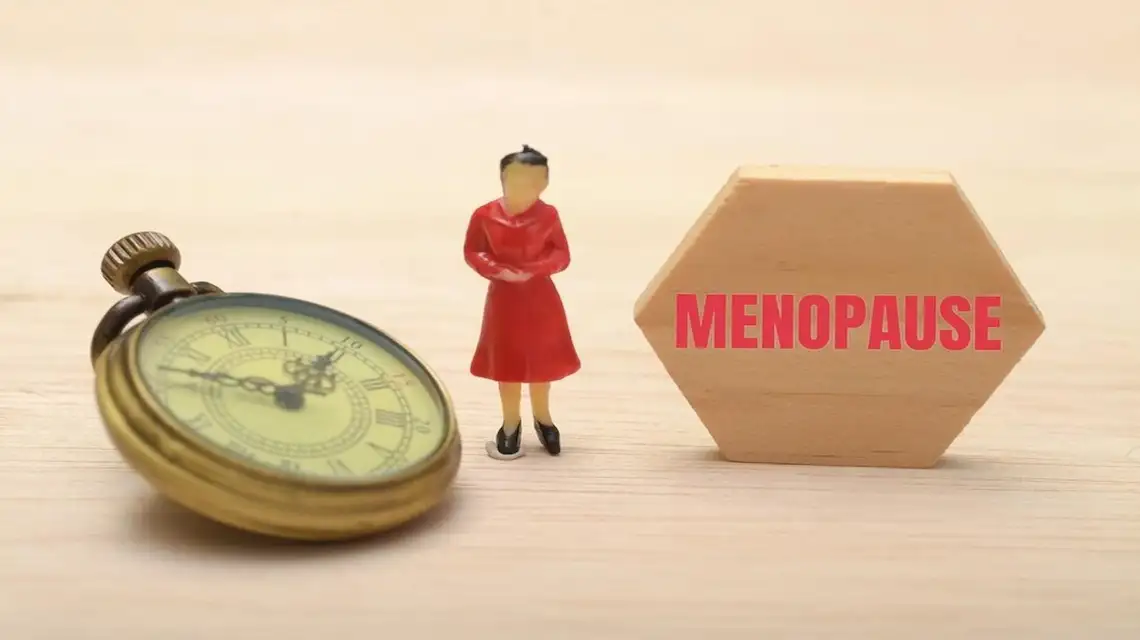
Menopause actually feels challenging for so many many women. You could go through emotional changes and physical changes too. This talks about the five worst symptoms disrupting daily life. It shares what to expect and how to actually cope better.
Understanding Menopause: An Overview
Menopause ends menstrual cycles and kind of marks fertility ending. It is a phase every woman deals with by age fifty. Hormonal changes trigger this phase like estrogen dropping levels. These changes might basically cause uncomfortable symptoms. Some women face mild issues but others struggle way more. Honestly speaking, it varies a lot.
The process actually begins with something called perimenopause. Symptoms start showing during this stage. The menopause itself is confirmed after 12 months of no periods. Postmenopause follows after that. Symptoms worsen or continue after menopause and feel endless sometimes. Women actually deal with sexual, emotional and physical issues here. Honestly you know it feels actually overwhelming.
Actually, menopause raises health risks too. Things like bone density loss, heart problems, or even diabetes become common concerns. Women need to monitor these risks closely. This phase happens in life but does not totally ruin it. Learning these symptoms kind of helps worries lessen a bit. Understanding makes menopause kind of easier actually to handle.
Hot Flashes: The Uncontrollable Heat Surges
Hot flashes are actually the most known menopause symptom. Women suddenly feel extremely hot without any reason. These heat surges often start with a sensation in the chest. The heat then spreads all over the body. It may last a few seconds or even minutes.
Hot flashes you know happen kind of unexpectedly. They make women sweaty and feel like fainting sometimes. Women face redness on the face or neck also. This makes the situation even more awkward in public. It interrupts my day by day activities. Hot flashes happen many times in a day and feel unbearable.
Hot flash triggers vary a lot like completely. Caffeine, weather stress and spicy food are triggers many know. Avoiding triggers you know reduces frequency but does not fully stop them. Each woman experiences different triggers, so finding yours is critical. Keeping a journal may help identify patterns.
Carrying tissues or a handheld fan can sort of help manage hot flashes while in public spaces. It does not fix the issue but provides quick relief. Practicing relaxation techniques, like deep breaths, might also help. Women can explore hormone replacement therapy if hot flashes are severe. Always consult your doctor though before starting treatments.

Night Sweats: Sleep Disruptions and Discomfort
Night sweats are hot flashes that happen while sleeping. Women wake up sweaty and sheets drenched like bad. The sleep disruptions exhaust the body and mind. This makes daily functioning harder without enough rest. Sweating at night feels embarrassing, especially with partners.
Night sweats make going back to sleep hard actually. The sudden heat sometimes actually causes anxiety. Women kind of wake up many times late at night. Cooling afterward takes time and disrupts sleep patterns fully. This leads to fatigue during the daytime. It increases irritability and basically makes work productivity less.
Manage night sweats by keeping sleeping areas actually cool. Use lighter bedding or breathable sheets for your bed. Wearing good moisture sleepwear seems like a smart pick basically. Fans and AC help kind of regulate room cooling. These adjustments work but only provide temporary comfort.
Some women take herbal supplements to manage symptoms, though effectiveness varies. Relaxing before bed with calming teas may work too. Drinking cold water can reduce body temperature before sleeping. Medical options like hormone therapy are also available. Solutions actually depend a lot on every person.
Mood Swings: Emotional Rollercoasters
Mood swings seem another common struggle for women here. Emotional highs and lows feel frustrating and unpredictable basically. Hormones imbalances mostly create all this menopause type chaos. Women feel irritable one moment and suddenly feel fine the next. It feels like a carousel that just always spins round.
Mood swings increase sadness and anxiety a lot basically. Women who had depression experience worse symptoms actually. Unpredictable moods harm relationships at the workplace and even at home. Many women feel misunderstood or unsupported during this phase. Others withdraw emotionally just to cope better.
Managing mood swings starts with acknowledging your feelings. Talking to loved ones about menopause and its effect helps them understand. Exercise improves mood as endorphins get released regularly. Eating balanced meals stabilizes emotional health too basically. Small adjustments slowly make big differences.
Managing stress plays obviously an important role here. Practicing meditation or yoga just calms down your mind. Joining menopause help groups with women actually helps more. Sharing struggles with others can just reduce loneliness plenty. You know, self-care during menopause is not selfish. It is necessary for emotional health and well felt being.
Vaginal Dryness: Addressing an Overlooked Issue
Vaginal dryness becomes another discomfort women face during menopause totally. People hesitate discussing it due mainly to their embarrassment. Estrogen lowering causes low lubrication and thin vaginal skin tissues. Dryness basically makes vaginal activities painful and very uncomfortable basically.
Pain during sex happens mainly due to vaginal dryness. The discomfort discourages them from trying again. This often creates tension between partners. Daily stuff feels uncomfortable like even wearing tight clothes. This may seem small which badly affects living quality overall.
OTC moisturizers reduce dryness but just like short periods. Water based stuff is safest and avoids any more irritation. Regular usage of them stops friction plus painful moments more. Doctors prescribe estrogen creams in severe cases mainly. These creams restore vaginal health when applied consistently.
Drinking more water each day avoids dryness caused by dehydration. Foods with vitamins like A and E help vaginal health tissues. Being gentle with hygiene helps irritation lower more overall. Avoid perfumed soaps which cause further big discomfort daily. Open discussions with your doctor help find relief options.
Loss of Libido: Its Impact on Relationships
Declining libido is another big challenge during menopause. Hormonal imbalances reduce sexual desire significantly. Women feel less interested or even repelled by the idea of sex. This naturally concerns both partners. It creates emotional tension in relationships over time, especially without proper communication.
Stress and fatigue caused by other menopause symptoms also lower libido. Women struggle with energy levels or confidence during intimacy. Painful sex happening means dryness adds so many hurdles. The emotional burden of these issues worsens the situation further. Relationships require patience and understanding during such times.
Boosting libido takes a holistic approach often. Open conversations between partners are very crucial for improving intimacy. Using lubricants, as mentioned before, addresses physical discomfort. Doctors suggest medications or hormonal therapy if low libido persists. Counseling intimacy helps some couples connect better overall.
Simple lifestyle changes help with a better mood like eating well. Feeling physically good boosts self confidence and improves intimacy plenty. Emotional bonding through small gestures restores closeness outside the bedroom first. These changes slowly help strengthen all relationships quite over time.
FAQs
What triggers the most common menopause symptoms?
Hot flashes and menopause symptoms happen as estrogen lowers more quickly. Stress diet health worsens or helps symptoms differently woman to woman.
How long do the worst menopause symptoms typically last?
Menopause symptoms often last 5 years in perimenopause, mostly harder really. Some symptoms continue after menopause ends too. Experience with menopause varies greatly for really every other woman.
Are there effective treatments for hot flashes and night sweats?
Lifestyle changes herbs and hormone therapy help hot flashes management too. Professional medical help identifies basically your treatment like best options.
Key Takeaways
Symptoms feel overwhelming but good understanding actually reduces menopause fears. Learning to handle hot flashes, dryness or mood changes helps life improve. Open communication, self-care, and medical advice offer solutions for most symptoms. Move forward with confidence tackling this natural life phase step by step.

Gas S. is a health writer who covers metabolic health, longevity science, and functional physiology. He breaks down research into clear, usable takeaways for long-term health and recovery. His work focuses on how the body works, progress tracking, and changes you can stick with. Every article is reviewed independently for accuracy and readability.
- Medical Disclaimer: This content is for education only. It doesn’t diagnose, treat, or replace medical care from a licensed professional. Read our full Medical Disclaimer here.