

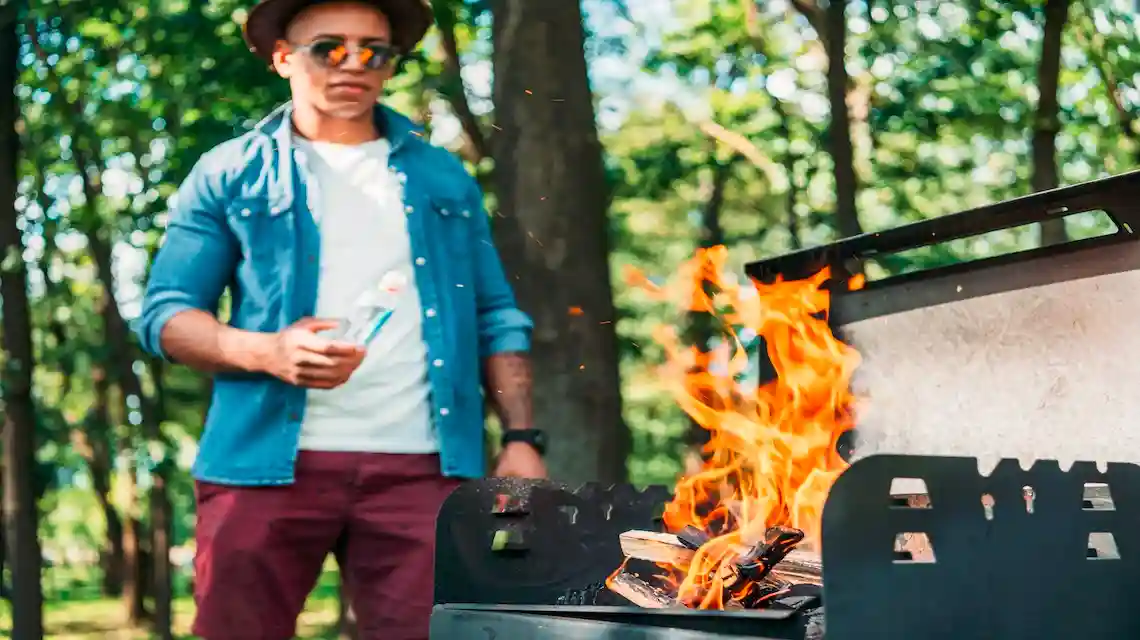
You fire up the grill, everyone is hungry, the food smells amazing. Then the burgers stick, the chicken burns outside, and the inside is still pink. Sound familiar?
Many home cooks wonder, “What are some common grilling mistakes, and why does this keep happening?” The problem usually is not the grill itself. It is a handful of small habits that quietly dry out meat, kill flavor, or even raise food safety risks.
This guide breaks those habits down into simple, fixable steps. No chef talk, no shame. Just clear tips you can use today.
By the time you finish reading, you will know how to avoid the biggest grilling errors and get better results on your very next cookout.
Prep Mistakes That Ruin Your Food Before It Hits the Grill
The biggest problems often start long before the food touches the grate. A few minutes of better prep can save an entire meal.
Skipping the preheat: Why a cold grill ruins sear and flavor
Putting food on a cool or barely warm grill is a fast way to ruin texture. The meat sticks, you get weak grill marks, and the food spends too long in the “danger zone” where bacteria grow.
A simple rule: preheat your grill for 10 to 15 minutes with the lid closed. Aim for medium-high heat for most meats. Clean the grates, then lightly oil them with a folded paper towel and tongs.
Those few minutes help food release easily, build a flavorful crust, and cook more evenly.
Bad seasoning habits: Too little salt, too late, or only on top
Plain meat on a grill tastes, well, plain. A light sprinkle of salt on one side right before serving will not fix that.
Seasoning early gives salt time to move into the meat. For larger cuts like chicken breasts or thick pork chops, season both sides at least 20 to 30 minutes before grilling. For burgers and thin steaks, season right before they go on.
Use more salt than you think you need, especially on thicker cuts, and make sure you hit the edges too. Balanced seasoning helps build a tasty crust instead of a bland surface.
Marinating and oil mistakes that lead to flare-ups and off flavors
Sweet, sticky marinades and heavy oil sound great, but too much causes trouble. When sugary or oily marinade drips into the fire, it feeds big flare-ups. Those flames char the outside and leave bitter, burned spots.
Before grilling, let extra marinade drip off, then gently pat the surface dry. Lightly oil the food, not the whole grill. Save sugary barbecue sauce for the last few minutes of cooking so it can glaze instead of burn.
For more ideas on balancing marinades and heat, you can check out Food Network’s guide to common grilling mistakes.
Grilling Mistakes With Heat, Timing, and Technique
Most people asking “What are some common grilling mistakes?” are really asking about grill control. Heat and timing are where things usually go wrong, and they are also where you can make the fastest gains.
Using only high heat: When everything is on full blast
Many people crank the burners to high and leave them there. That works for thin hot dogs, but not for thick steaks or chicken. High heat alone burns the outside while the inside stays raw or gets dry.
Think in two zones. On a gas grill, keep one side hot and the other side at medium or low. On charcoal, pile coals on one half of the grill and leave the other half with fewer coals.
Sear your steak or chicken on the hot side, then move it to the cooler side to finish gently. This simple trick gives you a nice crust and a juicy center.
Constant flipping and poking: Why you should stop messing with the meat
It is tempting to fuss with the food. Flip, press, poke, repeat. That habit hurts your results.
When you flip too often, you stop a crust from forming. When you press burgers with a spatula, you squeeze the juices into the fire. When you stab with a fork, you poke holes that let more juice escape.
Instead, let the meat sit. Flip once, maybe twice at most, when it releases easily from the grates. Use tongs or a spatula, not a fork. Your burgers and steaks will stay much juicier.
Ignoring food safety and doneness: Guessing instead of using a thermometer
Guessing by color or feel leads to two bad outcomes. You either serve meat that is not fully cooked, or you dry everything out “just to be safe.”
A simple instant-read thermometer fixes that. It is not a pro-only tool; it is a home cook’s best friend. Aim for about 165°F for chicken, 145°F for pork and whole cuts of beef, and let them rest for a few minutes off the grill.
If you want extra guidance, CNET’s article on rookie grilling mistakes breaks down how chefs use thermometers without overthinking it.
Saucing too early: Burning your BBQ sauce instead of glazing
Most barbecue sauces are packed with sugar. Sugar burns long before the meat is done if you put it on from the start.
When sauce hits high heat for too long, it turns black and tastes bitter, not smoky. Instead, cook the meat almost to your target temperature first. Then brush on sauce during the last 5 to 10 minutes.
Move the food to the cooler side of a two-zone grill while the sauce sets. You will get a shiny, sticky glaze and sweet, smoky flavor instead of a scorched crust.
Skipping the rest: Cutting into meat the second it leaves the grill
You pull a steak off the grill and slice right in to “check” it. Juice floods the cutting board, and the meat tastes dry. That juice is the moisture you worked so hard to keep.
Hot meat needs a few minutes to rest so the juices can settle back inside. For burgers and small pieces, 5 minutes is plenty. For thick steaks or chicken breasts, give them about 10 minutes.
Set the meat on a plate or board and cover it loosely with foil. Do not wrap it tight, or it will steam and lose its crust.
Cleanup and Care Mistakes That Hurt Flavor Next Time
Grilling does not end when you turn off the burners. What you do after cooking changes how your next session tastes and feels.
Not cleaning the grill grates: Old gunk, sticky food, and bad smoke
Dirty grates are one of the most common problems people ignore. Old burned bits stick to fresh food, create hot and cold spots, and give off harsh smoke.
Get into the habit of brushing the grates while they are still warm, before and after each cook. Use a safe grill brush or scraper, then wipe with an oiled paper towel for a light nonstick layer.
Clean grates make better grill marks, lighter smoke, and less sticking. Your future self will be glad you spent those 60 seconds.
Ignoring fuel and airflow: Running out of gas or choking the fire
Few things kill a party like running out of propane with half-cooked chicken on the grill. For charcoal fans, closing all the vents can smother the fire so the food just sits there.
Before long cooks, check your propane level with a simple scale or built-in gauge. For charcoal grills, learn basic vent positions for low, medium, and high heat, then keep notes for your setup.
If you want a broader view of these issues, this breakdown of common BBQ grilling mistakes offers more real-life examples and fixes.
Conclusion
Most backyard cooks struggle with the same handful of issues: cold grills, weak seasoning, wild flare-ups, bad heat control, guessing on doneness, and skipping cleanup. The good news is that each one has a simple fix.
Now that you know what are some common grilling mistakes, you can avoid them instead of repeating them every weekend. You do not need to change everything at once. Pick one or two tips, like preheating longer or using a thermometer, and see how much better your next meal turns out.
Fire up the grill, try a small change, and pay attention to the flavor and juiciness. Then build from there, one relaxed, tasty cookout at a time.
What Are Some Common Grilling Mistakes FAQS:
How hot should my grill be before I start cooking?
Most people start grilling on a surface that is too cool. That leads to pale food, sticking, and overcooked interiors.
As a simple guide:
- High heat (450–550°F): Steaks, burgers, quick sears
- Medium heat (350–450°F): Chicken pieces, sausages, veggies
- Low to medium (250–350°F): Ribs, roasts, whole chickens
If you do not have a thermometer, use the hand test. Hold your hand about 4 inches over the grate.
If you can hold it:
- 2–3 seconds: high heat
- 4–5 seconds: medium heat
- 6–7 seconds: low heat
Always preheat for at least 10 to 15 minutes with the lid closed. That heats the grates and reduces sticking.
Why does my food keep sticking to the grill grates?
Sticking usually comes from cold grates, dirty grates, or wet food.
To fix it:
- Preheat the grill until the grates are very hot.
- Scrub them clean with a good grill brush.
- Lightly oil the grates or, better, pat your food dry and oil the food instead.
Also, do not flip too early. Meat releases on its own once a crust forms. If you try to flip and it fights you, give it another 30 to 60 seconds.
How often should I flip meat on the grill?
People often flip too much. That tears the surface and steams the meat instead of searing it.
For most foods, aim for:
- Steaks and chops: 1 to 2 flips
- Burgers: 1 flip
- Chicken pieces: Turn every few minutes, but only when browned on one side
Let the first side build a good sear before moving or flipping. This gives better grill marks and keeps juices in the meat.
Avoid pressing burgers with a spatula. That only squeezes out the juices and dries them out.
Why is my grilled food burned on the outside but raw inside?
This usually means heat is too high for too long or you are using only direct heat.
Try a two-zone fire:
- One side on high heat (direct heat)
- The other side on low or off (indirect heat)
Start thick cuts, like bone-in chicken or pork chops, on the hot side to sear. Then move them to the cooler side to finish cooking through.
A basic rule:
Thin cuts handle direct heat. Thick cuts need direct heat to sear, then indirect heat to finish.
Do I really need a meat thermometer when grilling?
Yes, if you want food that is safe and not overcooked. Guessing by color is very unreliable, especially with chicken and burgers.
Key internal temps:
| Food | Target Internal Temp (°F) |
|---|---|
| Chicken (all) | 165 |
| Ground beef | 160 |
| Steak, medium | 135–140 |
| Pork chops/roast | 145, then rest |
| Fish | 130–135 |
Use an instant-read thermometer in the thickest part of the meat, away from bone. Pull food a few degrees before your target, then let it rest so carryover heat finishes the job.
Should I leave the grill lid open or closed?
A simple way to think about it:
- Lid open: Thin, quick foods (shrimp, thin burgers, hot dogs, thin steaks)
- Lid closed: Thicker cuts, bone-in pieces, roasts, whole birds, or anything that needs 10 minutes or more
Closing the lid turns your grill into a mini oven. That cooks food more evenly and helps avoid burnt outsides with raw centers.
If you are not sure, close the lid for most of the cook and open it only to flip or check.
Is it a mistake to sauce my food too early?
Yes, if you are using sweet sauces like most BBQs. The sugar burns fast.
Use this timing instead:
- For chicken pieces: sauce during the last 5 to 10 minutes
- For ribs: sauce in the last 20 to 30 minutes over low heat
- For burgers and chops: brush on sauce in the final 2 to 3 minutes
If you want more flavor early, use a dry rub or marinade before grilling, then finish with sauce near the end.
Why does my grilled food taste bitter or too smoky?
This often comes from flare-ups, dirty grates, or burning fat.
Common fixes:
- Trim excess fat so it does not drip as much.
- Keep one side of the grill cooler so you can move food away from flames.
- Clean the grates and drip pan often so old grease does not ignite.
- Use only a small amount of wood chips if you are after a light smoke flavor.
If you get a flare-up, move the food to a cooler zone, wait for flames to settle, then move it back.
How long should I let meat rest after grilling?
Skipping the rest is a common mistake. Cutting right away sends juices running onto the plate instead of staying in the meat.
Simple rest times:
- Steaks, chops, burgers: 5 to 10 minutes
- Large cuts and whole chickens: 10 to 20 minutes
Tent loosely with foil so heat stays in, but do not wrap it tight. That can steam the crust you worked hard to build.
How can I keep grilled chicken from drying out?
Dry chicken usually comes from too high heat or overcooking.
Better approach:
- Grill chicken over medium heat, not screaming hot.
- Use indirect heat for bone-in pieces, then finish with a quick sear if needed.
- Brine or marinate chicken before grilling to add moisture and flavor.
- Use a thermometer and pull it off at about 160°F, then rest to reach 165°F.
Oil the chicken lightly and season well. Thin cutlets cook very fast, so keep a close eye on them.
What is the biggest mistake beginners make when grilling?
Many beginners rush the whole process. They start with a cold grill, throw on cold meat, then poke and flip it nonstop.
A better routine:
- Preheat the grill until the grates are hot.
- Start with meat that has sat at room temperature for 20 to 30 minutes.
- Pat food dry, season, oil lightly.
- Sear, then use direct or indirect heat as needed.
- Rest the meat before serving.
Slow down a bit, and your grill will reward you with better flavor, better texture, and fewer surprises.
 How to Make a Cheese Grilled Sandwich
  Simple Grill Recipes That Make Dinner Easy And Fun
  How to Cook Ribs on the Grill
  How Long To Grill Salmon In Foil
  How To Use A Grill With Charcoal