

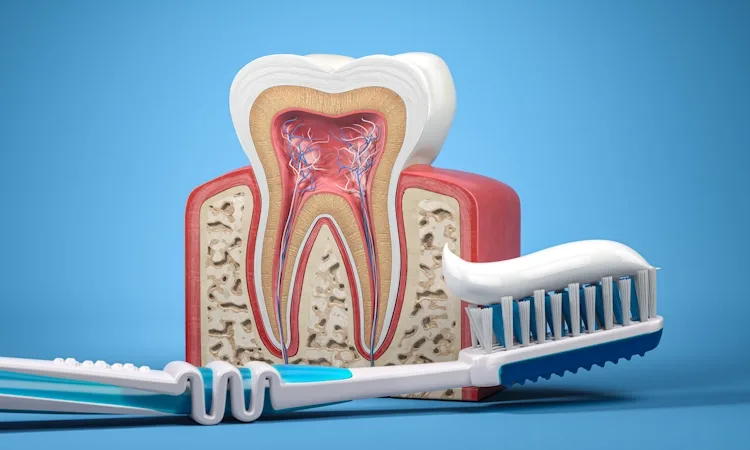
Enamel is like a brick wall. When you snack often, sip soda, or deal with dry mouth, acids pull minerals out of that wall. At first, the surface only softens. Later, it can break, and that’s when you get a true cavity.
The hopeful part is that tooth remineralization can strengthen early damage, especially the chalky “white spot” stage. Your mouth can put minerals back where they belong, if you give it the right conditions. The realistic part is just as important: once enamel is fully gone and there’s a hole, it can’t “grow back” at home.
This guide sticks to practical, evidence-based steps you can do daily, plus signs you should book a dental visit. If you’ve been searching for ways to reverse cavities naturally, this will help you separate what’s possible from what’s wishful thinking.
How tooth remineralization works in real life (and how to tell if it is still possible)
Your teeth go through a quiet tug-of-war all day. After you eat or drink something acidic (or sugary, since bacteria turn sugar into acid), your enamel loses minerals. That’s demineralization. Later, when the acid level drops, saliva washes in calcium and phosphate, and the enamel can harden again. That’s tooth remineralization.
Saliva is the unsung hero here. It dilutes acids, buffers pH, and acts like a delivery truck for minerals. Without enough saliva, even a “good brushing routine” can feel like trying to mop up a flood with a paper towel.
Early decay often shows up as:
- A dull, chalky white patch near the gumline or around braces
- A rough spot you can feel with your tongue
- Mild sensitivity to cold, sweets, or acidic foods
What it usually doesn’t show up as, at least at first, is sharp pain. That’s why early enamel changes can be easy to ignore.
If you want a science-heavy view of modern remineralizing systems (and why early management matters), this open-access review is a solid reference: state-of-the-art enamel remineralization systems.
A dentist can confirm whether a spot is still “non-cavitated” with an exam, good lighting, and X-rays (especially for the areas between teeth). Home care works best when you start before a lesion collapses.
The tipping point: when a weak spot can heal vs when a cavity needs a filling
Think of early enamel damage like a scuffed clear coat on a car. You can often polish and protect it. A dented panel is a different job.
Here’s a simple way to sort it out:
Signs an early weak spot may improve with consistent home care:
- White spot that looks chalky (not brown or black)
- Slight roughness, but no visible hole
- Mild sensitivity that comes and goes
- No food trapping in one exact spot
Signs you likely need professional treatment:
- A visible hole or chip where food catches
- Sharp, lingering pain (hot or cold)
- A dark shadow that seems to come from within the tooth
- Gum swelling, a pimple on the gum, or facial swelling
If you can see a hole, or pain wakes you up, don’t wait. That’s past the “fix it with toothpaste” stage.
The phrase reverse cavities naturally only applies to early, non-cavitated lesions. Once the surface caves in, a filling (or another dental treatment) is how you stop the damage from spreading.
The saliva factor most people forget (dry mouth, meds, mouth breathing, and acid reflux)
If your mouth feels dry often, remineralizing gets harder. Many common issues reduce saliva, for example:
- Antidepressants, antihistamines, and some blood pressure meds
- ADHD stimulants
- Dehydration (including lots of coffee or alcohol)
- Mouth breathing, often tied to nasal congestion or sleep apnea
- Acid reflux, which can bathe teeth in acid, especially at night
Small fixes can make a big difference:
- Sip water regularly (steady, not chugging once a day)
- Chew sugar-free gum with xylitol after meals
- Treat nasal blockage so you can breathe through your nose at night
- Ask your prescribing clinician if dry mouth is a known side effect, and if options exist
When saliva improves, tooth remineralization tends to improve too, because the mouth can neutralize acids faster and move minerals back into enamel.
Daily enamel repair methods that actually move the needle at home
Most “enamel hacks” fail because they chase rare ingredients and skip the basics. The basics work because they reduce acid time and keep protective minerals in contact with teeth.
If your goal is to remineralize teeth at home, focus on three levers: plaque control, acid exposure, and mineral support. Do those well, and your odds go up.
First, brush gently but thoroughly. Aggressive brushing doesn’t strengthen enamel, it can wear it and irritate gums. Use a soft-bristled brush, angle it toward the gumline, and take your time. Two minutes matters more than brushing like you’re scrubbing a stained pan.
Next, get the timing right. After soda, citrus, sports drinks, or even a vinegar-heavy salad, enamel is softer for a while. Brushing right away can act like sandpaper. Rinse with water first, then wait about 30 minutes before brushing.
Also, don’t underestimate how often you snack. A single cookie with lunch is usually less harmful than “just one bite” every hour. Teeth need breaks so saliva can raise pH again.
For a research summary comparing different approaches and measurements used in studies, this systematic review is useful background: analysis of enamel remineralization techniques.
Consistency is where the results come from. White spots and sensitivity often fade slowly, then you realize you haven’t reached for pain meds in weeks. That’s progress.
Fluoride and hydroxyapatite toothpaste, what to choose and how to use it right
Both fluoride and hydroxyapatite support enamel in different ways. Fluoride helps make enamel more acid-resistant. Hydroxyapatite (a mineral similar to what teeth already contain) can settle into tiny weak areas on the surface. The fluoride vs hydroxyapatite debate gets loud online, but the better question is simpler: which one will you use correctly, every day?
A quick side-by-side helps:
| Option | What it helps with | Best for | How to use |
|---|---|---|---|
| Fluoride toothpaste | Strengthens enamel, improves acid resistance | Most people, higher cavity risk | Brush 2 minutes, spit, don’t rinse right away |
| Hydroxyapatite toothpaste | Supports surface repair, may reduce sensitivity | People wanting a fluoride-free option, sensitivity concerns | Brush 2 minutes, spit, avoid rinsing right away |
| Prescription fluoride (dentist) | Stronger daily support | High risk, dry mouth, frequent decay | Use as directed, often at night |
| Fluoride rinse (OTC) | Extra support between brushes | Some teens and adults at higher risk | Use at a separate time from brushing |
Takeaway: the “best” toothpaste is the one that stays on teeth long enough to work. Night brushing is your anchor habit.
For a careful discussion about evidence behind hydroxyapatite toothpaste for preventing caries, see: evidence review on hydroxyapatite toothpaste.
No matter which you choose, use these enamel repair methods that people often skip:
- Brush before bed, when saliva drops overnight.
- Spit, then leave a thin film behind. Don’t rinse hard with water.
- Keep the brush soft, and pressure light.
Brush at night, then spit, not rinse. You’re leaving a “mineral coat” behind for hours.
Your eating pattern matters more than you think (cut the acid hits, not just the sugar)
A mouth full of acid is like a storm on that brick wall. One storm is manageable. Storms every hour cause damage.
It’s not only candy that lowers pH. Many “healthy” habits do it too, like sipping lemon water all morning or grazing on dried fruit. The bigger issue is frequency. Each sip or bite can restart the acid cycle.
Try a few realistic swaps:
- Drink plain water most of the time, save juice or soda for occasional meals.
- If you do drink something acidic, finish it in one sitting, don’t nurse it.
- Use a straw for cold acidic drinks to reduce tooth contact.
- Pair sweets with meals instead of solo snacking.
- Choose cheese, yogurt, nuts, or crunchy veggies for snacks.
- Chew sugar-free xylitol gum after eating when brushing isn’t possible.
- Rinse with water after coffee, citrus, or sports drinks.
Food can also help, especially when you choose enamel strengthening foods that bring minerals to the table. Calcium-rich foods (dairy, fortified options), phosphate sources (meat, eggs, beans), and vitamin D support (diet and safe sun habits) all play a role in overall tooth health. Diet won’t “paint enamel back on,” but it can support the conditions that allow tooth remineralization to keep up.
Pro-level tooth remineralization options at the dentist, and who needs them
Home routines can take you far, but some mouths need extra support. You may benefit from in-office help if you have frequent new cavities, lots of white spots, braces, dry mouth, or a history of dental work that keeps growing.
Dentists also see what you can’t. A spot between teeth can look fine in the mirror, while an X-ray shows early decay. Catching those early is where professional care shines.
In-office tooth remineralization support often feels simple on the patient side. Many treatments are painted on, placed, or fitted quickly. Costs vary by region, insurance, and risk level, so it’s worth asking for options that match your budget and goals.
If you want a straightforward overview of newer materials and approaches researchers are exploring, this paper gives helpful context: new approaches to enhanced enamel remineralization.
The biggest win is risk control. When the cause is dry mouth, frequent acids, or plaque buildup around orthodontic brackets, the best “treatment” is the one that removes the reason enamel keeps losing minerals.
Fluoride varnish, prescription toothpaste, and sealants for high-risk teeth
These are common tools dentists use when a patient needs more protection than standard toothpaste alone.
Fluoride varnish is a sticky coating brushed onto teeth in minutes. It can lower sensitivity and strengthen enamel, especially for kids, teens, and adults with higher risk. Prescription fluoride toothpaste is another step up, often used at night to keep fluoride in contact with enamel longer.
Sealants work differently. They cover deep grooves on back teeth where brushes miss. You don’t feel them much after placement, and they act like a raincoat for cavity-prone pits and fissures.
Used together with good home habits, these options support prevention and can help early lesions stabilize.
White spot treatments and enamel smoothing, what improvements to expect
White spots can fade, but the result depends on why they formed and how deep they are. Some improve with consistent brushing and better eating patterns, because mineral balance slowly returns.
Other spots remain noticeable even after they’re “inactive.” In those cases, dentists may discuss cosmetic options such as resin infiltration or microabrasion. The goal is usually two-part: stop the weak area first, then decide if the look still bothers you.
When you talk with your dentist, ask two questions:
- Is this spot active or stable?
- Are we treating health, appearance, or both?
Research keeps moving, including biomaterials that aim to repair enamel more effectively. For a current look at where the science is headed (and the limits), see: next-generation strategies for enamel repair.
Conclusion
If enamel is starting to soften, you have a real window to act. Pick a proven toothpaste (fluoride or hydroxyapatite), brush gently for two minutes, and make night brushing non-negotiable. After brushing, spit, then avoid rinsing so minerals stay on the teeth longer. Next, cut the number of acid hits per day by limiting sipping and grazing, and add enamel strengthening foods that support mineral balance. Finally, protect saliva with water, xylitol gum, and help for dry mouth triggers.
Most importantly, book a dental visit if you see a hole, trap food in one spot, or have ongoing pain.Tooth remineralization can help reverse early enamel damage, but steady, daily habits make the difference for your oral health.

Gas S. is a health writer who covers metabolic health, longevity science, and functional physiology. He breaks down research into clear, usable takeaways for long-term health and recovery. His work focuses on how the body works, progress tracking, and changes you can stick with. Every article is reviewed independently for accuracy and readability.
- Medical Disclaimer: This content is for education only. It doesn’t diagnose, treat, or replace medical care from a licensed professional. Read our full Medical Disclaimer here.