

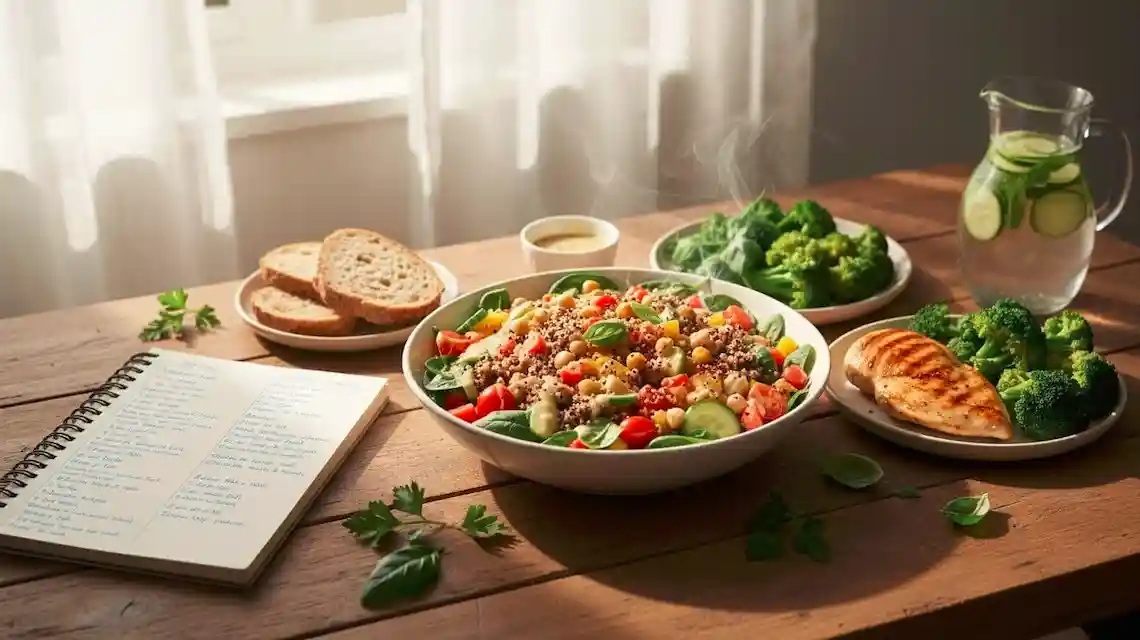
If you think healthy food always costs more, this guide will change your mind. We’ll walk through tasty healthy low cost meals recipes that work for busy students, parents, and anyone watching their wallet. You’ll learn how to plan around store sales, turn leftovers into new dishes, and save “cheat meals” for when they matter most. Get ready to cook food you’re proud of, without draining your bank account.
You will get a simple framework for building craveable, balanced plates, plus 15-minute dinners, one-pot and sheet-pan favorites, and a 3-day meal prep plan. Short ingredient lists, basic techniques, and flexible swaps keep it stress free. Ready to cook smarter, not fancier?
What makes a meal tasty, healthy, and low cost?
Start with a simple playbook. Build flavor with a few low-cost boosters, aim for balance on the plate, and shop smart with a compact pantry. This keeps meals satisfying and affordable.
Flavor gives meals staying power. Salt in layers, add acid at the end, and use a touch of fat for richness. A pinch of chili heat and a hit of umami make budget ingredients pop. Finish with something fresh and crisp.
Nutrition comes from smart portions. Think half veggies, a quarter protein, and a quarter starch. That ratio fills you up, supports steady energy, and leaves room for treats.
Shopping sets the tone for the month. A small set of shelf-stable foods turns random groceries into meals. Rice, oats, beans, and canned tomatoes stretch across many cuisines. Frozen vegetables bridge gaps when produce prices spike.
If you want recipe inspiration to pair with this framework, browse ideas like Healthy Budget Dinner Recipes for more combinations that keep costs low and flavor high.
Flavor on a budget: simple tricks that make cheap meals craveable
- Toast spices in the pan first for a deeper, warmer taste.
- Add acid, like lemon juice or vinegar, right before serving to brighten.
- Use a small spoon of fat, like olive oil or peanut butter, for body.
- Sprinkle chili flakes or hot sauce for clean heat.
- Boost umami with soy sauce or tomato paste to make sauces savory.
- Finish with fresh toppers, like scallions, cilantro, or a dollop of yogurt.
Quick wins: roast veggies for browning, zest citrus for aroma, and save pasta water to thicken sauces.
Nutrition that fills you up: protein, fiber, color
Use the plate method: half veggies, a quarter protein, a quarter starch. It is simple and works for most diets.
Budget proteins: eggs, beans, lentils, tofu, canned tuna, chicken thighs, cottage cheese, Greek yogurt.
High-fiber carbs: oats, brown rice, whole wheat pasta, potatoes, tortillas.
Healthy fats: olive oil, nuts, seeds.
Example plates that land 25 to 35 g of protein per serving:
- Brown rice bowl with black beans, sautéed peppers and onions, cabbage slaw, and avocado yogurt sauce.
- Whole wheat pasta with lentil tomato sauce, roasted zucchini, and a sprinkle of Parmesan.
- Tuna and white bean salad over chopped greens with tomatoes, olives, and lemon olive oil dressing.
For more ideas across cuisines, skim options like 16 Cheap, Healthy Dinners for quick patterns you can copy at home.
Pantry staples that cut costs all month
Keep a compact starter pantry, about $20 to $30 if you shop store brands and sales: rice, oats, pasta, canned tomatoes, tomato paste, beans, lentils, tuna, peanut butter, frozen mixed veggies, onions, garlic, eggs, oil, vinegar, soy sauce, chili powder, cumin, Italian seasoning, cinnamon. Each staple unlocks multiple meals, like soups, stir-fries, tacos, bowls, pasta, and quick breakfasts.
How to calculate cost per serving in seconds
Formula: total cost of the ingredients used divided by number of servings.
Example, beans and rice for 4 servings:
| Ingredient | Cost Used |
|---|---|
| 1 cup dry rice | $0.50 |
| 1 can black beans | $0.85 |
| Onion, garlic | $0.40 |
| Spices, oil | $0.25 |
| Total | $2.00 |
$2.00 divided by 4 servings equals $0.50 per serving.
Tips: buy store brands, check unit prices, and plan around sales and seasonal produce.
15-minute dinners: tasty healthy low cost meals recipes for busy nights
Weeknights call for fast, tasty meals with simple steps. These four recipes rely on pantry basics and freezer staples, hit solid protein goals, and target $1.25 to $2.00 per serving. Cook times assume you prep while the pan heats. Use what you have and swap as needed.
Black Bean and Sweet Potato Tacos
- Hook: Smoky, sweet, and creamy, ready in minutes.
- Ingredients: canned black beans, diced sweet potato, taco seasoning or chili powder and cumin, tortillas, salsa, cabbage or lettuce, lime. Optional avocado.
- Steps: Microwave or small-dice and skillet-cook the sweet potato. Warm beans with seasoning. Crisp tortillas in a dry pan. Pile with sweet potato, beans, slaw, salsa, and lime.
- Target cost: $1.50 to $2.00 per serving.
- Protein: about 18 to 22 g with cheese or Greek yogurt.
Veggie Egg Fried Rice with Frozen Vegetables
- Hook: Better than takeout and uses what you already have.
- Ingredients: day-old rice, eggs, frozen mixed veggies, soy sauce, garlic, scallions, vinegar. Optional tofu or edamame.
- Steps: Scramble eggs and set aside. Stir-fry garlic, rice, and veggies. Add soy sauce and a splash of vinegar. Fold in eggs and scallions.
- Target cost: $1.25 to $1.75 per serving.
- Protein: 20 to 25 g with 2 eggs per person.
Greek Yogurt Tuna Salad Wraps
- Hook: Creamy, bright, and high protein without mayo.
- Ingredients: canned tuna, Greek yogurt, lemon, celery or pickles, black pepper, whole wheat tortillas or lettuce cups, spinach. Optional paprika.
- Steps: Mix tuna, yogurt, lemon, and add-ins. Spoon into wraps with spinach. Roll tight.
- Target cost: $1.50 to $2.00 per serving.
- Protein: 25 to 30 g. Swap chickpeas for a vegetarian spin.
Quick Chickpea Spinach Curry
- Hook: Pantry curry with a rich, silky sauce.
- Ingredients: canned chickpeas, canned diced tomatoes, coconut milk or yogurt, curry powder, garlic, spinach.
- Steps: Bloom curry powder in oil for 30 seconds. Add garlic, tomatoes, chickpeas, and coconut milk or yogurt. Simmer 8 to 10 minutes, wilt in spinach. Serve over rice.
- Target cost: $1.50 to $2.00 per serving.
- Protein: 15 to 20 g.
One-pot and sheet-pan dinners under $2.50 per serving
These low-cleanup recipes build flavor with hearty ingredients and pantry seasonings. Most components cook together, so you spend less time washing dishes and more time eating. Double up for leftovers and freeze for later.
For a broader set of ideas that fit weeknight windows, browse time-friendly lists like Low-Calorie Dinners Ready in 30 Minutes. Use them as templates and plug in budget swaps.
One-Pot Lentil Bolognese with Whole Wheat Pasta
- Ingredients: dry brown lentils, onion, garlic, tomato paste, canned tomatoes, Italian seasoning, whole wheat pasta, olive oil.
- Steps: Sauté onion and garlic. Add tomato paste and toast. Pour in lentils and tomatoes with water, simmer until lentils are tender. Add pasta to the pot with water as needed, cook until al dente. Stir in a splash of pasta water for silkiness.
- Protein: 20 to 25 g per serving.
- Tip: Grate in a carrot for natural sweetness and extra body.
Sheet-Pan Lemon Chicken Thighs with Root Veggies
- Ingredients: bone-in chicken thighs, potatoes, carrots, onions, lemon, paprika, garlic powder, olive oil, salt.
- Steps: Toss veggies with oil and seasonings on a sheet pan. Nestle chicken thighs on top, squeeze lemon over everything. Roast at 425°F until chicken is crispy and cooked through, 35 to 45 minutes depending on size.
- Protein: 30 to 35 g per serving.
- Tip: Save bones for stock. Swap in sweet potatoes or seasonal roots when on sale.
Skillet Peanut Noodle Stir-Fry
- Ingredients: spaghetti or rice noodles, cabbage or broccoli slaw, carrots, tofu or chicken, peanut butter, soy sauce, vinegar, honey or sugar, chili flakes.
- Steps: Whisk a quick sauce with peanut butter, soy, hot water, and vinegar. Sear tofu or chicken, remove. Stir-fry veggies, add cooked noodles and sauce, toss with protein.
- Protein: 20 to 30 g per serving based on protein choice.
- Allergy swap: Use tahini or sunflower seed butter.
Hearty Vegetable and Bean Chili
- Ingredients: mixed beans, onion, bell pepper, canned tomatoes, tomato paste, chili powder, cumin, corn. Optional ground turkey.
- Steps: Sauté onion and pepper. Stir in spices and tomato paste. Add beans, tomatoes, and corn. Simmer 20 to 30 minutes.
- Protein: 15 to 30 g depending on turkey.
- Serve with rice, baked potatoes, or cornbread. Freezes well for meal prep.
If you want more budget meal lists to spark ideas, check collections like 50 Cheap Meal Ideas That Actually Taste Good. Use them to spot patterns, then remix with your pantry.
Budget meal prep, family favorites, and leftover makeovers
Stretch your groceries with a light plan and flexible combos. Keep storage simple: most cooked meals last 3 to 4 days in the fridge and up to 3 months in the freezer. Cool fully before chilling, and label with the date.
3-day meal prep under $20: shopping list and game plan
- Small cart: 1 dozen eggs, 2 cans beans, 1 lb rice, oats, frozen mixed veg, 1 lb chicken thighs or tofu, canned tomatoes, yogurt, tortillas, onions, bananas, spinach.
- Plan: Day 1 fried rice and yogurt parfaits. Day 2 tacos or wraps. Day 3 lentil or bean chili.
- Batch cook rice on day 1. Roast chicken thighs or tofu while you prep veggies. Use leftovers across lunches.
Mix-and-match grain bowls that never get boring
Formula: base, protein, veggies, sauce.
- Southwest: brown rice, black beans or chicken, corn and peppers, salsa lime yogurt.
3-ingredient sauce: Greek yogurt, salsa, lime juice. - Mediterranean: quinoa or rice, tuna or chickpeas, tomatoes and cucumbers, lemon herb yogurt.
3-ingredient sauce: yogurt, lemon, dried oregano. - Curry: potatoes or rice, lentils or tofu, spinach and carrots, peanut curry drizzle.
3-ingredient sauce: peanut butter, curry powder, hot water plus a pinch of salt.
Kid-friendly cheap meals everyone eats
- Turkey and bean quesadillas with whole wheat tortillas and a side of salsa.
- Pizza toast on whole grain bread with marinara, shredded cheese, and chopped peppers or mushrooms.
- Banana oat pancakes: blend 2 eggs, 1 cup oats, 1 ripe banana. Cook on a lightly oiled pan.
Tips for picky eaters: add dips like yogurt ranch, cut foods smaller for easy bites, and let kids choose one topping to build buy-in.
Leftover makeovers so nothing goes to waste
- Roasted veggies into a frittata or omelet.
- Cold rice into soup or a fast fried rice.
- Chili over baked potatoes with yogurt and green onions.
- Shredded chicken into pasta, tacos, or a grain bowl.
- Stale bread into croutons or breadcrumbs.
Storage and reheat basics: chill cooked food within 2 hours, store in shallow containers, reheat to steaming hot. For the freezer, cool fully, remove extra air, label with the date, and thaw in the fridge overnight.
Conclusion
Good food does not need a high price tag. With a small pantry, smart flavor moves, and flexible recipes, you can cook meals that taste great, keep you full, and respect your budget. Start with one 15-minute dinner this week, then try one one-pot meal and a simple 3-day prep. Swap in seasonal produce and check local prices to keep costs low. Save this list of tasty healthy low cost meals recipes, and share your favorite budget tip or recipe in the comments.
Related post:
Tasty Healthy Low Cost Meals Recipes: FAQ
What makes a meal both cheap and healthy?
Use whole foods, simple proteins, and seasonal produce. Aim for a balance, half plate veggies, a quarter protein, a quarter whole grains. Limit sauces high in sugar or sodium. Cook with oils in small amounts and add herbs for flavor.
Which low-cost proteins work best for quick meals?
Try eggs, canned tuna or salmon, beans, lentils, tofu, and chicken thighs. Greek yogurt and cottage cheese also add protein fast. Rotate options to keep meals interesting and balanced.
How can I cut grocery costs without sacrificing nutrition?
Plan meals around store sales and in-season produce. Buy staples in bulk, like rice, oats, beans, and frozen veggies. Choose store brands. Stick to a short list and avoid single-use items.
Are canned or frozen foods healthy?
Yes, they can be. Choose low-sodium canned beans and tomatoes, and fruits packed in juice, not syrup. Frozen veggies and fruit are picked at peak ripeness, so they keep nutrients well.
What pantry staples should I keep on hand?
Rice, oats, pasta, canned beans, lentils, tomatoes, tuna, broth, peanut butter, and spices. Add onions, garlic, eggs, and frozen veggies. These cover breakfasts, soups, bowls, and quick dinners.
How do I add flavor without a lot of salt or pricey sauces?
Use garlic, onion, citrus, vinegar, and fresh or dried herbs. Toast spices in oil to wake them up. Add a finishing touch, like lemon, scallions, or yogurt, for brightness.
What are some fast, low-cost meals for busy nights?
- Bean and veggie quesadillas with salsa and yogurt
- Egg fried rice with frozen peas and carrots
- Lentil tomato soup with toast
- Tuna pasta with garlic, spinach, and olive oil
How do I batch-cook on a budget?
Pick one grain, one protein, and two veggies for the week. Cook larger amounts, then change sauces and spices for variety. Portion and chill within two hours, then freeze extras for later.
How can I make one pot stretch into more meals?
Cook a base, like chili, shredded chicken, or roasted veggies. Serve it over rice, in tacos, on baked potatoes, or as a soup add-in. Change toppings to avoid boredom.
What are good cheap whole grains?
Brown rice, oats, barley, bulgur, and whole wheat pasta. Buy larger bags for better value. Cook extra and freeze flat in bags for quick use.
How do I build a balanced low-cost plate?
Start with vegetables, raw or cooked. Add a palm-sized protein and a fist-sized grain or starchy veg. Include a little healthy fat, like olive oil, nuts, or avocado.
Can I eat healthy on a tight breakfast budget?
Yes. Try overnight oats with fruit and peanut butter. Eggs with toast and spinach. Yogurt with frozen berries and granola. All are fast, filling, and cheap.
What are smart swaps that save money?
Use lentils instead of ground beef in sauces and tacos. Try frozen spinach instead of fresh for cooked dishes. Replace sour cream with plain yogurt. Choose chicken thighs over breasts.
How do I keep meals kid-friendly without extra cost?
Use simple flavors and familiar shapes. Serve sauces on the side. Mix veggies into pasta, rice bowls, and quesadillas. Let kids pick toppings, like cheese, corn, or cucumbers.
Any low-cost plant-based meal ideas?
Chickpea curry with rice, black bean tacos, lentil bolognese, tofu stir-fry, and peanut noodles. Use canned beans, frozen veggies, and pantry spices. Add nuts or seeds for crunch and healthy fats.
What spices should beginners buy first?
Start with garlic powder, onion powder, chili powder, cumin, paprika, Italian seasoning, cinnamon, and black pepper. Add curry powder or smoked paprika for variety. These cover most recipes.
How do I use leftovers safely?
Cool and refrigerate within two hours. Store in shallow containers. Eat within 3 to 4 days, or freeze for longer. Reheat to steaming hot, 165°F in the center.
How can I cook once and pack lunches all week?
Choose sturdy dishes, like grain bowls, soups, stews, baked oats, and frittatas. Portion in airtight containers. Keep sauces separate so textures stay fresh.
Are air fryers or slow cookers worth it for budget meals?
If you have them, yes. Slow cookers turn cheap cuts, beans, and veggies into tender meals. Air fryers crisp veggies and proteins fast with little oil. Both reduce takeout temptation.
How do I price out meals per serving?
Write the cost of each ingredient and divide by servings. Use unit prices on shelf tags to compare sizes. Track a few favorites, then repeat the best values.
What snacks are cheap, healthy, and filling?
Popcorn, fruit with peanut butter, yogurt, cottage cheese with pineapple, roasted chickpeas, and hard-boiled eggs. Keep them ready to grab and you will skip costly snacks.
Can I eat well with food allergies on a budget?
Yes. Use oats, rice, potatoes, beans, and safe proteins. Read labels for allergens and added sugars. Make simple sauces at home to avoid expensive specialty products.
How do I reduce food waste while saving money?
Plan around what you already have. Freeze ripe fruit for smoothies and herbs in oil for cooking. Save veggie scraps for broth. Cook wilted greens into soups and eggs.
What are a few go-to formulas I can memorize?
- Grain + bean + veggie + sauce, for bowls
- Egg + veg + cheese, for frittatas or wraps
- Pasta + canned tomatoes + protein, for quick dinners
- Soup base + frozen veg + spice blend, for fast lunches
Do cheap meals have to be bland?
Not at all. Layer flavors, salt in small amounts as you cook, then finish with acid, like lemon or vinegar. Use texture, like toasted nuts or crunchy veggies, for interest.
 Health Benefit of Sesame Seed
  Healthiest Breakfast Cereal for Children
  Vegan Oil Free Mayonnaise Recipe
  Nutrition to Enhance Athletic Performance
  Gluten Free Food Options
 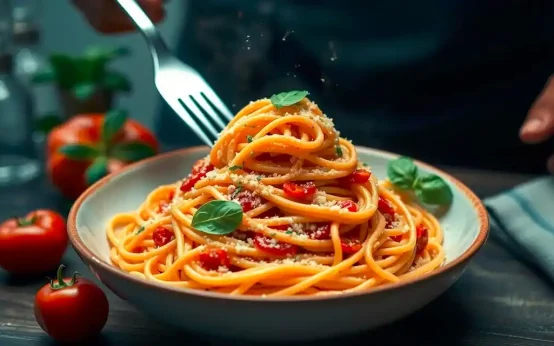 How to Cook Delicious Spaghetti at Home