

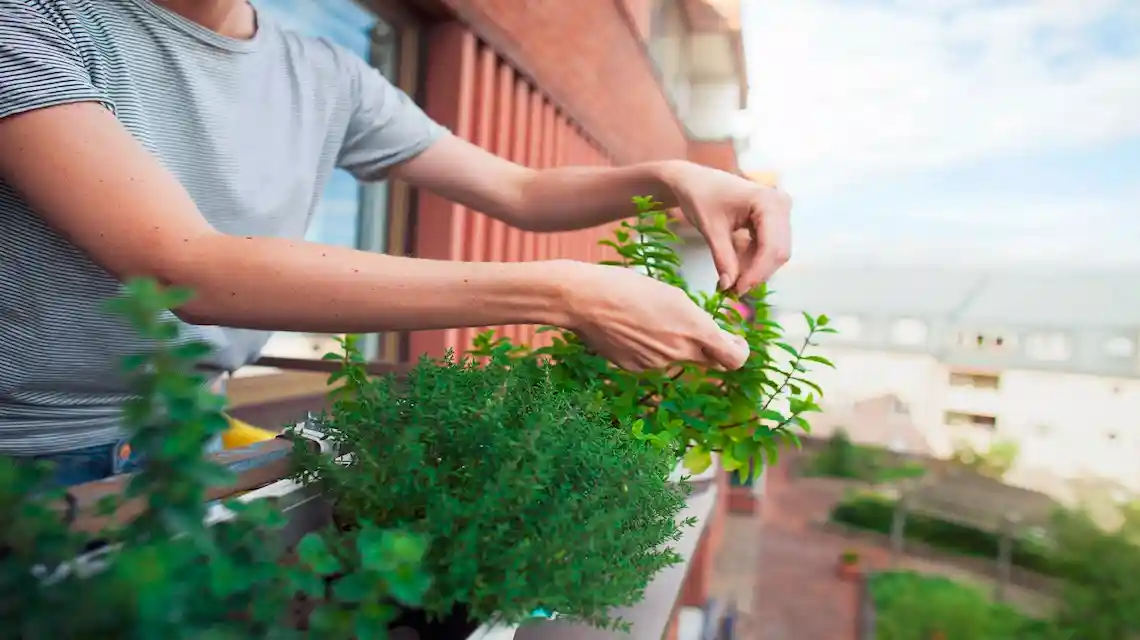
If you have a tiny balcony and big dreams of fresh basil, you are not alone. Many people search for small balcony herb garden ideas because they feel stuck with limited space, light, and money. The good news is that herbs are some of the easiest plants to grow in tight spots.
With a bit of planning, your balcony can turn into a mini kitchen garden. You will learn how to check your light and space, choose smart containers, pick beginner-friendly herbs, and keep everything alive without stress. By the end, you will see that you do not need a yard to step outside and snip your own fresh herbs for dinner.
Plan Your Small Balcony Herb Garden for Success
A few smart choices before you buy plants can save money and time. Planning also helps your herbs grow better so you get more flavor from every pot.
Think of your balcony like a small room. You would not buy furniture without checking the size, light, and layout first. Herbs are the same. A quick check now means fewer sad, dried-out plants later.
Check your light, wind, and space before you buy plants
Start by watching how much sun your balcony gets on a normal day.
- Full sun: about 6 or more hours of direct light.
- Part shade: 3 to 5 hours of direct light.
- Mostly shade: less than 3 hours of direct light.
Look in the morning, midday, and late afternoon. A south-facing or west-facing balcony often gets strong sun. A north-facing balcony may be cooler and more shaded.
If you live on a higher floor, pay attention to wind. Strong wind can dry pots very fast and break soft stems. You might need heavier containers, a wind screen, or to tuck pots near a wall or corner.
Next, measure and sketch your space. Note spots like: a narrow city balcony with a metal railing, a tiny corner off a bedroom, or a shallow ledge by sliding doors. Mark open floor space and any railing or wall that could hold hanging planters or shelves. This simple map guides every choice you make.
Choose the right containers for tiny balconies
Good containers make small spaces work harder. Railing planters are perfect for sunny railings and keep plants off the floor. Hanging baskets and wall-mounted planters turn empty air into growing space.
For renters, a tiered plant stand in a corner can hold several pots without blocking the walkway. Long trough planters placed along a wall or ledge create a neat herb row that is easy to water.
Always pick containers with drainage holes so roots do not sit in water. On upper floors, choose lightweight plastic, fabric grow bags, or resin pots instead of heavy clay. You can also reuse food-safe containers, like yogurt tubs or metal tins, by adding drainage holes at the bottom.
If you want more small balcony herb garden ideas tips, the guide on growing herbs on a balcony has helpful photos and examples.
Best Herbs and Layout Ideas for a Small Balcony
Once you understand your space, you can choose herbs that fit both your light and your cooking style. This is where small balcony herb garden ideas turn into real plants and real meals.
Mix fast-growing basics with a few special flavors, then arrange them so everything is easy to reach and care for.
Easy herbs that thrive in pots and small spaces
Most common herbs grow very well in containers. Great starter choices include:
- Basil: loves sun, perfect for pasta, pizza, salads, and pesto.
- Rosemary: a woody herb that likes lots of sun and drier soil, great with potatoes and roasted meat.
- Thyme and oregano: sun lovers that stay low and bushy, ideal for soups, stews, and roasted veggies.
- Mint: handles part shade, tastes great in tea, water, and desserts.
- Parsley: does well in part shade, brightens sauces, salads, and grain bowls.
- Chives: handle cooler spots, add a mild onion flavor to eggs and potatoes.
- Cilantro: prefers cooler weather and part shade, perfect for tacos, salsa, and rice bowls.
Group herbs with similar needs in the same pot. For example, basil, oregano, and thyme all like full sun and well-drained soil. Mint prefers its own pot because it can spread fast. For more pairing ideas, you can check this guide to the best herbs for container gardens.
Simple layout ideas for every kind of balcony
Railing or ledge herb row: Line a narrow balcony railing or ledge with a long planter. Place taller herbs, like basil and parsley, toward the wall side, with lower growers, like thyme and oregano, by the edge. Keep the herbs you grab most, such as basil or chives, near the door.
Vertical herb wall: Use hanging pockets, shelves, or a slim rack to stack herbs up the wall. Put sun-loving herbs at the top where they get more light, and shade-tolerant ones like mint and parsley lower down. Keep your favorite cooking herbs at eye or waist height so you can snip them without bending.
If you want a DIY project, this tutorial on how to build a vertical balcony garden shows a simple way to grow upward in a tiny space.
Corner herb tower: Place a tiered plant stand in a sunny corner. Put larger pots or rosemary on the bottom, medium herbs like basil and parsley in the middle, and trailing thyme or oregano near the top to spill over the edges.
Kitchen favorites container: Set one wide pot or trough near your door with your most-used herbs, such as basil, parsley, and chives. This “grab-and-go” pot is perfect for quick cooking, even on busy weeknights.
Cozy design touches that make your herb balcony feel like a retreat
Small balcony herb garden ideas can be practical and relaxing at the same time. Matching pots in simple colors like white, gray, or terracotta make the space look calm and tidy. A small foldable chair and a slim side table turn your balcony into a mini café.
String lights or a small solar lantern add charm in the evening. A compact storage box can hold your watering can, scissors, and potting mix so the area stays neat. Herbs themselves add scent and green color, so even a few pots can make the space feel softer and more peaceful.
Simple Care Tips to Keep Balcony Herbs Alive and Happy
Herbs are forgiving, but balcony conditions can be tough. With a few simple habits, you can keep your plants strong from spring through fall.
Watering, feeding, and protecting herbs on a balcony
Containers dry out faster than garden beds, especially in sun and wind. Check the soil by sticking your finger into the pot. If the top inch feels dry, it is time to water.
Water until you see extra water come out of the drainage holes. Empty saucers so roots are not sitting in standing water. In very hot weather, some pots may need water once a day, especially dark containers in full sun.
Feed herbs with a mild liquid fertilizer once or twice a month during the growing season. Signs of stress include drooping, yellow leaves, or leaves that look crispy. On very hot days, move pots out of harsh afternoon sun if you can, or group them together to give a bit of shade and keep moisture in.
For more ideas on watering and long-term use of your balcony harvest, the guide on harvesting and preserving balcony-grown herbs is a helpful resource.
How and when to harvest herbs so they keep growing
The more you pick most herbs, the more they grow. Light, regular harvests tell the plant to send out new stems.
Follow a few simple rules:
- Do not cut more than one-third of the plant at one time.
- Snip stems just above a pair of leaves so the plant can branch out.
- On basil, pinch off flower buds when you see them to keep the flavor strong.
Use your herbs right away to boost simple meals. Toss fresh basil into pasta, add chives to scrambled eggs, or steep mint leaves in hot water for tea. These small habits make your balcony garden feel like a natural part of daily life.
Conclusion
You do not need a big yard to enjoy fresh, homegrown flavor. With a bit of planning, smart containers, and the right plants, even the smallest balcony can support a lush collection of herbs. Simple small balcony herb garden ideas like railing planters, vertical walls, and corner towers help you use every inch of space.
Start with two or three herbs you cook with often, such as basil, parsley, and mint. Picture yourself stepping outside, snipping a handful of leaves, and stirring them into dinner within minutes. That first harvest from your own balcony is a small change that can make every meal feel more special.
Small Balcony Herb Garden Ideas FAQs:
How much sun does a small balcony herb garden need?
Most herbs like at least 4 to 6 hours of direct sun each day.
Mediterranean herbs such as rosemary, thyme, oregano, and sage prefer the higher end of that range. Softer herbs like mint, parsley, and chives can handle less and often do well in partial shade.
If your balcony is shaded, choose more shade-tolerant herbs, use light-colored pots to reflect heat, and place plants in the brightest spot you have, such as railings or window ledges (if it’s safe and allowed).
Which herbs grow best on a tiny balcony?
Start with herbs that are compact, forgiving, and productive. Good choices include:
- Basil (needs warmth and consistent watering)
- Mint (very hardy, but keep it in its own pot)
- Chives (great for small spaces and cut-and-come-again harvests)
- Parsley (curly or flat-leaf, both do well in containers)
- Thyme and oregano (low-growing and drought-tolerant)
- Rosemary (slower growing but long-lasting)
If space is tight, skip huge plants like full-size dill or fennel, or grow them only if you’re okay with them taking a lot of room.
How do I stop herbs from taking over such a small space?
Use individual pots or a small modular planter instead of one huge container. This keeps aggressive herbs in check and makes rearranging easier.
Herbs that spread fast, like mint, lemon balm, and oregano, should stay in separate containers. Trim them often and harvest regularly so they stay compact.
If a plant keeps outgrowing its pot, you can root-prune it when you refresh the soil, or replace it with a smaller variety that suits your balcony better.
What containers work best for a balcony herb garden?
On a small balcony, containers need to be light, stable, and well-draining. Good options:
- Plastic or resin pots: lightweight and less likely to crack
- Fabric grow bags: great drainage and easy to move
- Rail planters (if allowed): free up floor space
- Stacked or tiered planters: add “vertical” room for more herbs
Always choose pots with drainage holes, and use matching saucers or trays under them to protect the balcony floor and control drips.
What kind of soil and fertilizer should I use for balcony herbs?
Use a high-quality potting mix, not garden soil. Potting mix stays lighter, drains well, and lets roots breathe. For Mediterranean herbs, you can mix in some sand or perlite to keep soil from staying soggy.
Fertilize lightly, about once every 3 to 4 weeks during the growing season, with a balanced liquid fertilizer at half strength. Herbs taste stronger when they are not overfed. Too much fertilizer can make them grow fast but lose flavor.
How often should I water my balcony herbs?
Container herbs dry out faster than plants in the ground. As a rule, check soil daily and water when the top 1 inch feels dry to the touch.
In hot or windy weather, you might water once a day, or even twice for small pots in full sun. In cooler or rainy weather, you may only need to water every few days.
Water deeply until it starts to drain out the bottom, then let the pot drain fully. This encourages deep roots and healthier plants.
What can I do if my balcony is windy or very hot?
Wind and heat can stress herbs and dry them out quickly. To protect them:
- Group pots together so they shelter each other
- Place taller or sturdier plants on the windward side
- Use heavier pots or add stones at the bottom so containers do not tip
- Add a light shade cloth or move pots slightly back from the railing in extreme heat
Herbs like rosemary and thyme handle heat well once established, while basil, parsley, and cilantro may need more shade during the hottest part of the day.
Can I grow herbs on a north-facing or shady balcony?
Yes, but choose herbs that tolerate lower light and adjust your expectations. They will grow slower, but you can still get good harvests.
Better options for shade or low light: mint, parsley, chives, cilantro, lemon balm, and oregano. Avoid sun-lovers like lavender and some types of rosemary unless they get at least a few hours of direct light.
If your balcony is very dark, clip herbs often, keep foliage thin, and consider a small grow light indoors near a window for backup.
How do I keep pests under control on a balcony herb garden?
Check plants often, especially the backs of leaves and tender new growth. Common balcony pests are aphids, spider mites, and whiteflies.
To manage them:
- Spray with a strong jet of water to knock off soft-bodied pests
- Use insecticidal soap or neem oil, following the label
- Remove heavily infested stems and toss them in the trash
- Keep plants spaced enough for air flow so foliage dries quickly after watering
Avoid harsh chemicals on herbs you plan to eat. Gentle methods used early usually work best.
How do I harvest balcony herbs so they keep growing?
Harvest little and often. Regular cutting keeps herbs dense and productive.
- For leafy herbs like basil and mint, pinch just above a pair of leaves. This encourages two new shoots.
- For woody herbs like rosemary and thyme, snip soft, green tips, not thick woody stems.
- Avoid taking more than one-third of the plant at once so it has enough energy to recover.
Use what you cut right away, or dry or freeze extra so nothing goes to waste.
Can I keep my balcony herbs alive through winter?
It depends on your climate and the herbs you grow.
- Hardy herbs like thyme, sage, and some types of rosemary can survive outdoors in cooler zones if pots are large and insulated.
- Tender herbs like basil will die with frost and work better as warm-season plants only.
On a cold balcony, you can:
- Move pots against a wall for extra warmth
- Wrap containers with bubble wrap, burlap, or fabric
- Bring small pots indoors to a bright window for the winter
If winter is very harsh where you live, plan to replant tender herbs each spring and treat them like seasonal crops.
 Backyard Decor Ideas
  Kitchen Waste Compost Made Simple
  Healthy Living Through Sustainable Gardening Ideas
  What to Fill a Raised Garden Bed With
  Inside Herb Garden Ideas for Small Kitchens
  How to Keep Cats Out of a Flower Garden