


Taking care of your skin does not have to be expensive or confusing. You do not need a drawer full of fancy products or a 15 step routine to see real change. A few simple skincare tips and tricks, done every day, can make a big difference.
Good skin is not just about looks. It is about confidence, comfort, and health. When your skin feels calm and balanced, you feel more comfortable in your own body.
This guide will walk you through easy daily routines, quick fixes for common issues, and small habits you can start today. Whether you are busy, on a tight budget, or just starting to care about your skin, these tips will fit into your life without stress.
Build a Simple Daily Routine With Skincare Tips and Tricks
A basic daily routine is the foundation of healthy skin. Simple steps you actually stick with will always beat a long, fancy routine that you drop after a week. Think of it like brushing your teeth. Short and regular works better than long and rare.
Here is an easy routine you can follow morning and night.
Know Your Skin Type Before You Buy Products
Before you buy anything, you need to know what kind of skin you have. Different skin types need different care. A product that helps your friend might bother your skin.
Here are the main skin types and simple signs of each:
- Oily skin: Shiny forehead, nose, and chin, bigger looking pores, makeup slides off.
- Dry skin: Tight feeling after washing, rough or flaky spots, can sting with some products.
- Combination skin: Oily in the T zone (forehead, nose, chin) but dry on the cheeks.
- Normal skin: Feels comfortable most of the time, not very oily or very dry.
- Sensitive skin: Gets red or irritated easily, stings or burns with many products.
If you want extra help figuring this out, you can check a clear guide like What Is My Skin Type? | Facts & Tips.
Knowing your skin type helps you choose the right cleanser and moisturizer. This lowers your risk of breakouts, dryness, and irritation. It also saves you money because you buy products that actually suit your skin.
Cleanse the Right Way Morning and Night
Cleansing removes dirt, sweat, oil, sunscreen, and makeup. If you skip it, pores can clog and skin can look dull. If you overdo it, skin can get dry and angry.
Keep it simple:
- Wash your face morning and night.
- Use lukewarm water, not hot. Hot water strips your natural oils.
- Massage cleanser gently for 30 to 60 seconds.
- Rinse well and pat dry with a soft towel.
Do not scrub hard or use rough cloths. That can damage your skin barrier and cause redness.
If you are very tired at night, keep a bottle of gentle micellar water and cotton pads by your sink or bed. You can use that to remove makeup and sunscreen, then do a quick rinse with water when you can. It is not perfect, but it is better than sleeping in full makeup.
Moisturize Every Day for Soft, Calm Skin
All skin types need moisture, even oily skin. When your skin is too dry, it can produce more oil to make up for it, which can lead to more breakouts.
Use this simple guide:
- Oily skin: Choose a light gel or oil free lotion.
- Dry or mature skin: Use a richer cream.
- Sensitive skin: Look for fragrance free products with a short ingredient list.
Apply moisturizer on slightly damp skin, right after cleansing. This helps lock water into your skin so it stays softer longer.
You do not always need a separate eye cream, especially if you are younger. A gentle face moisturizer is often enough for the eye area. If your under eyes are very dry or you like a thicker texture there, then you can add an eye cream.
Never Skip Sunscreen, Even on Cloudy Days
If you remember only one tip from this guide, let it be this. Sunscreen protects your skin from UV rays, which can cause dark spots, wrinkles, and skin cancer. It also keeps your skin tone more even over time.
SPF means how well a product protects you from UVB rays. For daily use, go for SPF 30 or higher. Look for broad spectrum on the label so you get protection from both UVA and UVB.
The American Academy of Dermatology shares helpful advice on this in their guide to healthier looking skin.
Easy sunscreen habits:
- Keep your sunscreen next to your toothbrush so you remember to use it every morning.
- Use about a nickel sized amount for your face and neck.
- Reapply every 2 hours if you are outside, at the pool, or sweating.
- On very sunny days, add a hat and sunglasses for extra protection.
Sunscreen is one of the smartest skincare tips and tricks for long term skin health.
Smart Skincare Tips and Tricks for Common Skin Problems
Everyone deals with skin problems at some point. Pimples, dry patches, or dull skin are normal. You are not alone and you are not “gross” or “dirty” because of them.
These ideas are for mild, everyday issues. They are not medical advice. If your skin is very painful, bleeding, or not improving, see a dermatologist or doctor for help.
Elevate Your Skincare Routine! Discover the magic of Hydrossential
Gentle Acne and Breakout Care Without Damaging Your Skin
When a big pimple pops up before school or work, it is tempting to squeeze it. Try not to. Picking can push bacteria deeper, cause scars, and make redness last longer.
Use gentle steps instead:
- Wash your face twice a day with a mild cleanser.
- Use a clean towel and clean hands.
- Try a spot treatment with benzoyl peroxide or salicylic acid in low strength.
- Start every other night so you do not dry your skin too much.
With acne, less is more. Using five strong products at once can burn or peel your skin and make it more sensitive.
Small habits can help too:
- Change your pillowcase every few days.
- Avoid touching your face during the day.
- Clean your phone screen often.
- Take off makeup before bed.
These little changes help reduce the germs and oil that can lead to breakouts.
Quick Tricks to Soothe Dry, Flaky, or Tight Skin
Dry skin can feel tight, itchy, or rough. It often shows up more in winter or in very dry rooms.
To calm dry skin:
- Take short, warm showers, not long hot ones.
- Use a gentle, non foaming cleanser.
- Pat your skin dry instead of rubbing.
- Apply a thicker cream while your skin is still slightly damp.
Look for ingredients that:
- Pull water into your skin, like glycerin or hyaluronic acid.
- Help repair your skin barrier, like ceramides.
Think of your skin barrier like a brick wall. The cells are the bricks and ceramides are the glue that holds them together. When that glue is strong, skin loses less water and feels more comfortable.
Easy Ways to Make Dull Skin Look Brighter and More Awake
Skin can look dull for many reasons. Dead skin can build up. You might not be sleeping well. You might be a bit dehydrated. Sun damage can also make skin look tired over time.
A few simple changes can help your skin look fresher:
- Use gentle exfoliation 1 to 2 times a week.
- Choose a mild scrub with very fine grains or a soft chemical exfoliant.
- Avoid scrubs with sharp bits, like crushed shells.
Do not exfoliate every day. That can make your skin red, sore, and more sensitive to the sun.
Lifestyle habits matter too:
- Get enough sleep so your skin has time to repair itself.
- Drink water during the day, not just with meals.
- If your budget allows, add a serum with vitamin C to help brighten dark spots over time.
If you want more ideas tailored to your skin type, you can read guides like The Ultimate Guide to Skincare for Different Skin Types.
Everyday Habits and Home Skincare Tricks That Really Help
Great skin is not only about what you put on your face. It is also about what you do every day. The good news is that small, realistic habits can help a lot, even if you are busy or on a budget.
Healthy Lifestyle Habits That Show Up on Your Skin
Your skin often reflects how your body feels on the inside.
A few clear examples:
- Sleep: Lack of sleep can make dark circles and breakouts worse. Aim for a regular sleep schedule as often as you can.
- Stress: High stress can trigger more oil and more pimples. Simple things like short walks, deep breaths, or music breaks can help.
- Food: No food is “bad,” but a lot of very sugary snacks might link to more pimples for some people. Try to balance sweets with fruits, veggies, and protein.
- Water: Staying hydrated helps your skin look plumper and less dull.
You do not need a perfect lifestyle. Just choose one small change at a time and build from there.
Budget Friendly Skincare Tips and Tricks at Home
You do not have to spend a lot of money to care for your skin. Many cheap, simple items can help.
Safe, easy home tricks:
- Use a cool, clean washcloth on puffy eyes in the morning.
- Put petroleum jelly on very dry spots, like lips, cuticles, or cracked knuckles.
- Keep a small moisturizer by your sink so you remember to use it after washing your hands.
Be careful with harsh DIY recipes. Lemon juice, strong baking soda pastes, or straight vinegar can burn or irritate your skin. If something stings or burns, rinse it off.
Remember, steady care beats fancy products. A gentle cleanser, basic moisturizer, and sunscreen, plus a few smart habits, are often enough to see real progress.
Conclusion
Clear, calm skin does not come from a magic product. It comes from consistent, simple habits that you can keep up. Know your skin type, cleanse gently, moisturize every day, and never skip sunscreen. Treat acne, dryness, and dullness with care, not harsh fixes, and support your skin with healthy daily habits and a few smart tricks at home.
Pick one or two skincare tips and tricks from this guide to try this week. Once they feel easy, add another step. Over time, those small choices add up to healthier, happier skin and a more confident you.
Related post:
- Metabiotic Skin Care, Why Is It Important
- What Treats Psoriasis? Proven Options That Calm Skin
- How Your Diet Can Help With Aging Skin
Skincare Tips and Tricks FAQs:
How do I figure out my skin type?
Wash your face with a gentle cleanser, then wait 30 to 60 minutes.
Do not apply any products.
Now check:
- Feels tight, flaky, or rough: likely dry
- Looks shiny all over: likely oily
- Shiny in the T-zone, normal or dry on cheeks: likely combination
- Feels comfortable, not too oily or tight: likely normal
- Stings or turns red easily: likely sensitive (this can overlap with other types)
Your skin type can change with age, hormones, and seasons, so reassess a few times a year.
What is the simplest skincare routine that still works?
A basic routine can be just three steps:
- Cleanser (morning and night)
- Moisturizer (morning and night)
- Sunscreen (every morning, SPF 30 or higher)
Get this consistent first.
Then, if needed, add a treatment step, such as vitamin C in the morning or retinol at night.
How often should I wash my face?
Most people do well with twice a day: morning and night.
- Morning: removes oil, sweat, and leftover products
- Night: removes makeup, sunscreen, dirt, and pollution
If your skin is very dry or sensitive, you can sometimes rinse with lukewarm water in the morning and use cleanser only at night.
Do I really need sunscreen every day?
Yes, every single morning, even if you stay indoors.
UV rays pass through windows and contribute to wrinkles, spots, and skin cancer.
Use a broad spectrum SPF 30 or higher on face, neck, and any exposed areas.
Reapply every 2 hours if you are outside, sweating, or swimming.
What order should I apply my skincare products?
A simple rule: thin to thick, water based to oil based.
Typical order:
- Cleanser
- Toner or mist (optional)
- Water based serums (vitamin C, niacinamide, hyaluronic acid)
- Treatment products (retinoids, acne treatments, exfoliants)
- Eye cream (optional)
- Moisturizer
- Sunscreen (daytime, always last)
At night, skip sunscreen and finish with moisturizer or an oil.
How can I make my pores look smaller?
You cannot shrink pore size, but you can reduce how visible they look.
Helpful tips:
- Use a gentle chemical exfoliant (like salicylic acid) a few times per week
- Keep oil and sunscreen fully removed at night
- Use non comedogenic products if you are prone to clogged pores
- Consider a retinoid at night, which smooths skin over time
Avoid harsh scrubs, they can irritate skin and make pores look worse.
What is the difference between dry and dehydrated skin?
Dry skin lacks oil. Dehydrated skin lacks water.
- Dry skin often feels rough, tight, or flaky all the time
- Dehydrated skin can feel oily and tight at the same time, with dullness or fine lines
For dry skin, add richer creams and facial oils.
For dehydration, increase water intake and use hydrating products with ingredients like hyaluronic acid, glycerin, and aloe.
You can have both dry and dehydrated skin at once.
How can I reduce acne without wrecking my skin barrier?
Start slow and keep your routine simple.
- Use a gentle, non stripping cleanser
- Add one acne treatment at a time, such as benzoyl peroxide or salicylic acid
- Moisturize daily, even if your skin is oily
- Avoid using multiple strong acids and scrubs together
If skin feels tight, burns, or peels, cut back on active products and focus on moisture and barrier repair.
Persistent or painful acne is a reason to see a dermatologist.
Are face scrubs bad for your skin?
Physical scrubs are not always bad, but many are too harsh.
Large, jagged grains (like walnut shell) can cause micro tears and irritation.
If you like a scrub, choose one with very fine, smooth particles and use it at most 1 or 2 times per week.
Many people do better with chemical exfoliants, such as lactic, mandelic, or salicylic acid, used in low strength a few times per week.
How can I fade dark spots and acne marks?
Consistency matters more than speed.
Useful ingredients:
- Vitamin C
- Niacinamide
- Azelaic acid
- Retinoids
- Gentle chemical exfoliants (like glycolic or lactic acid)
Always pair brightening products with daily sunscreen.
UV exposure keeps dark spots dark. Results often take 8 to 12 weeks, sometimes longer.
Is “clean beauty” better for my skin?
“Clean” is a marketing word, not a medical standard.
Natural ingredients can still irritate or cause allergies.
Synthetic ingredients can be safe and gentle.
Focus on:
- How your skin reacts
- Evidence backed ingredients
- Fragrance level if you are sensitive
- Clear labeling and honest claims
If a product works for your skin and is safe for you, it is a good product, no matter the label.
How can I tell if a product is breaking me out?
Watch for new clusters of pimples or clogged pores that show up 2 to 6 weeks after starting something new.
Tips:
- Introduce 1 new product at a time
- Patch test on a small area for a few days first
- Stop the product if you see consistent new breakouts in that area
Keep in mind, some active ingredients, like retinoids, can cause a temporary purge that looks like a breakout.
This usually affects areas where you normally get acne, not brand new areas.
Do I need separate products for my face and neck?
The skin on your neck and chest ages quickly and gets a lot of sun.
You do not always need special products, but you should bring your existing routine down to the neck and upper chest.
Use:
- Gentle cleanser
- Moisturizer
- Daily sunscreen (SPF 30 or higher)
Strong actives (like retinoids or acids) can irritate the neck, so start with a small amount, less often, and build up slowly.
How can I get glowing skin without makeup?
Focus on healthy habits and steady care, not quick fixes.
Helpful steps:
- Use a hydrating serum, then seal it in with moisturizer
- Exfoliate gently 1 or 2 times per week
- Use daily sunscreen to prevent dullness from sun damage
- Get enough sleep and manage stress as best you can
- Drink water regularly and eat a balanced diet
Glow usually comes from a calm, well hydrated skin barrier, not from harsh peels.
Is it okay to mix different active ingredients?
Some combos work well, others can irritate.
Generally well tolerated:
- Vitamin C with niacinamide
- Hyaluronic acid with almost anything
- Niacinamide with retinoids or acids
Use more caution with:
- Strong acids plus retinoids in the same routine
- Benzoyl peroxide plus retinoids, since both can be drying
If you want to use stronger actives, try separating them: one in the morning and one at night, or on alternating days.
When should I see a dermatologist instead of trying to fix it myself?
Get professional help if you have:
- Painful or cystic acne
- Sudden severe breakouts
- Rashes, blisters, or intense itching
- Suspicious moles or changing spots
- Skin that burns or stings with almost anything you apply
A short visit can save you months of trial and error and protect your skin health.
 How To Use Rosemary Water For Hair Safely At Home
 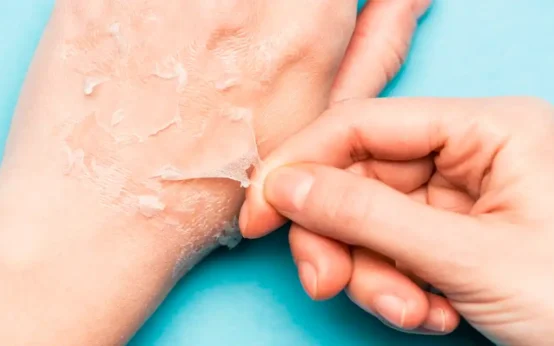 How To Exfoliate Peeling Skin After Sunburn
  How To Use Green Color Corrector Under Eyes
  What Causes Dark Circles Under Eyes
  Best Skincare Routine for Aging Skin
  How To Remove Sun Tan From Hands