


Shiny forehead by lunchtime, makeup sliding off, and new breakouts every week can feel exhausting. If your face looks greasy in photos or your pores seem to get bigger by the day, you are not alone.
The good news is that a simple skincare routine for oily skin types can make a huge difference. You do not need a 10-step routine or expensive products. You just need the right steps, done every day, with gentle products that work for your skin.
This guide walks you through an easy morning and night routine that helps control excess oil, prevent acne, and keep your skin healthy and hydrated, not tight and stripped.
What Makes Oily Skin Different and Why It Needs a Special Routine
Oily skin makes more sebum than it needs. Sebum is your skin’s natural oil. You need some of it to protect your skin, but too much can cause shine, clogged pores, and breakouts.
People with oily skin often have larger pores, especially on the forehead, nose, and chin. Makeup may slide off, and powder may last only a short time. Even after washing, the skin can feel greasy again in a few hours.
Because of this, oily skin needs products that control oil without hurting the skin barrier. A good Skincare Routine for oily skyn Types focuses on balance. The goal is clean, calm, and hydrated skin, not a squeaky clean, dry feeling that leads to more oil later.
Dermatologists often recommend gentle, non comedogenic products for oily skin. You can see common product types and tips in guides like A Gentle Skincare Routine for Oily Skin, which also stress cleansing twice a day and daily sunscreen.
How to Tell If You Have Oily Skin
You might have oily skin if you notice:
- Shiny T zone or shine on the whole face
- Makeup sliding or fading by midday
- Frequent blackheads and whiteheads, especially on the nose and chin
- Enlarged pores that are easy to see
- Skin feeling greasy a few hours after washing
Some people have combination skin, which means oily in some areas and normal or dry in others. If this is you, this routine can still help. You may just use lighter products on oily areas and a bit more moisture on any dry spots.
Why Oily Skin Gets Breakouts and Clogged Pores
Extra sebum mixes with dead skin cells, sweat, and dirt on the surface of your skin. This mix can get stuck in your pores. When that happens, you get blackheads, whiteheads, or inflamed pimples.
Hormones, stress, and diet can all affect oil production. Hormonal changes during puberty, periods, or times of high stress often make breakouts worse. Very heavy or greasy products can also block pores and trigger acne.
The right skincare routine for oily skin types does not try to remove all oil forever. It focuses on gently clearing out pores, calming the skin, and keeping the barrier strong so your skin does not freak out and make even more oil.
Big Myths About Oily Skin You Should Stop Believing
Myth 1: Oily skin does not need moisturizer
This is one of the most common myths. When you skip moisturizer, your skin can feel dry on the surface and may respond by making even more oil. A light, oil free moisturizer helps balance things out.
Myth 2: Harsh scrubs will fix oily skin
Rough, gritty scrubs can scratch your skin and irritate active acne. They also do not reach inside the pores where oil and dead cells build up. Chemical exfoliants with gentle acids work better for oily skin.
Myth 3: Washing your face many times a day removes oil for good
Over washing strips your natural oils and can damage your skin barrier. This often leads to redness, sensitivity, and a rebound of even more oil. Twice a day cleansing is enough for most people.
Myth 4: Oily skin cannot use facial oils
Some light oils, like squalane, can be helpful for some oily skin types. The key is to choose non comedogenic oils and use them sparingly. You do not have to use oils, but they are not always the enemy.
Morning Skincare Routine for Oily Skin Types: Step by Step
Your morning routine should control shine, protect your skin, and help makeup last. It does not need to be complicated.
Step 1: Use a Gentle Foaming Cleanser to Remove Overnight Oil
In the morning, wash with a mild, water based or gel cleanser. Look for labels like oil free, non comedogenic, and pH balanced. These are less likely to clog pores or strip your skin.
Use lukewarm water, not hot. Massage the cleanser on your damp face for about 30 to 60 seconds, then rinse and pat dry with a clean towel. Washing more than twice a day can irritate oily skin, so stick to morning and night.
Step 2: Apply an Alcohol Free Toner to Balance and Refine Pores
Toner helps remove any leftover oil or cleanser, adds light hydration, and makes pores look smoother for a bit. For oily or acne prone skin, helpful ingredients include:
- Salicylic acid (BHA) for unclogging pores
- Witch hazel in an alcohol free formula
- Niacinamide for oil control and redness
- Green tea for soothing and antioxidant support
Avoid strong, alcohol heavy toners that sting or burn. If it feels harsh, it is probably too strong for daily use.
Step 3: Use a Lightweight Serum to Control Oil and Support Skin
A serum is a thin liquid with focused active ingredients. You only need one main serum in the morning.
Good serum ingredients for oily skin include:
- Niacinamide to reduce excess oil and improve pores
- Hyaluronic acid for light hydration without grease
- Salicylic acid for acne prone skin
Apply a few drops to clean, toned skin and let it sink in for a minute before moving to the next step.
Step 4: Choose an Oil Free Moisturizer So Skin Stays Soft, Not Greasy
Oily skin still needs moisture. Without it, the skin barrier weakens and can trigger more oil. Pick a gel or water cream texture that feels light and sinks in quickly.
Look for non comedogenic and oil free on the label. If your face feels tight or dry after washing, that is a clear sign you need moisturizer. Even if it does not feel tight, a small amount of light moisturizer is still helpful.
Step 5: Always Finish With SPF to Prevent Dark Spots and Damage
Sunscreen is important for every skin type. It helps prevent dark spots, sunburn, and early wrinkles. Oily skin often prefers lightweight, gel, or fluid formulas.
Choose:
- At least SPF 30
- Oil free or non greasy formulas
- Matte finish or shine control types
Use a generous amount on your face and neck every morning. You need SPF even on cloudy days if you will be outside, since UV rays still reach your skin. For more ideas on product types and textures that work for oily skin, you can check guides like Skincare Routine for Oily Skin.
Night Skincare Routine for Oily Skin Types: Clean, Treat, and Repair
At night, your goal is to clean your skin well, treat any breakouts, and support repair while you sleep. You still do not need a long or expensive routine.
Step 1: Double Cleanse If You Wear Makeup or Sunscreen
If you wear makeup or long wear sunscreen, start with a cleansing balm or micellar water. This first step removes the outer layer of product and oil.
Then follow with your gentle foaming cleanser from the morning to wash your skin. If you do not wear makeup, you can go straight to your regular cleanser. Clean skin at night helps prevent clogged pores and new breakouts.
Step 2: Use a Chemical Exfoliant a Few Nights a Week for Clearer Pores
Chemical exfoliants use acids to loosen dead skin cells and clear out pores. For oily skin, salicylic acid (BHA) and glycolic acid (AHA) work well. They reach inside the pores better than rough scrubs.
Use them only 2 to 3 nights a week, not every night. Apply after cleansing and before moisturizer. On nights when you use strong acne treatments or retinoids, skip the exfoliant to avoid irritation. Many dermatologists in guides like The Ultimate Skin Care Routine for Oily Skin also suggest starting slow with acids.
Step 3: Spot Treat Pimples Without Drying Out Your Whole Face
Spot treatments are meant for active pimples, not the entire face. Common spot treatment ingredients include:
- Benzoyl peroxide
- Sulfur
- Salicylic acid
Use a thin layer directly on clean, dry pimples. These products can cause mild dryness or flaking, which is normal in small areas. This is another reason why moisturizing after is so important.
Step 4: Moisturize at Night to Protect Your Skin Barrier
At night, your skin works hard to repair itself. Even oily skin needs help. Use a light gel or lotion that might be slightly richer than your daytime one but still non comedogenic.
Helpful ingredients include:
- Ceramides to support the barrier
- Niacinamide for redness and oil control
- Hyaluronic acid for water based hydration
Apply a small amount over your whole face. Your skin should feel soft and comfortable, not tight or sticky.
Optional: Add Retinol or Prescription Treatments Slowly and Safely
Retinol and prescription retinoids can help with acne, oil control, and uneven texture. They can also support anti aging over time. However, they are strong and can cause dryness or irritation at first.
Start by using them 1 or 2 nights per week and slowly increase if your skin does well. Avoid using them on the same nights as strong exfoliants. For severe acne, very sensitive skin, or if you already use other active products, talk to a dermatologist before adding these treatments. You can find helpful discussions and simple routines in communities like recommended skin care routine for oily skin?.
Easy Lifestyle Tips to Support Your Skincare Routine for Oily Skin Types
Small daily habits can support your products and help keep pores clear.
Smart Habits That Help Control Shine and Breakouts
- Keep hands off your face: Touching transfers oil and bacteria, which can trigger pimples.
- Wash pillowcases often: Change them at least once a week, since oil and product build up on the fabric.
- Clean your phone screen: Wipe it daily because it presses against your cheek and jaw.
- Use clean makeup brushes: Wash brushes and sponges regularly to avoid bacteria and leftover oil.
- Choose oil free makeup: Look for non comedogenic foundation and concealer so they do not clog pores.
When to See a Dermatologist for Oily or Acne Prone Skin
Sometimes home care is not enough, and that is okay. See a dermatologist if:
- You have painful, deep cystic acne
- You notice scars starting to form
- Over the counter products do not help after a few months
- Your skin reacts easily and gets very red or sore
Oily skin is very common and treatable. With the right guidance, you can get a routine that fits your life and your budget.
Conclusion
Oily skin does not need harsh scrubs or constant washing. It needs gentle care, smart product choices, and a steady routine that keeps oil in balance, not wiped out.
In the morning, focus on a light cleanse, toner, serum, oil free moisturizer, and SPF. At night, clean your skin well, add treatment like exfoliants or spot care a few nights a week, then finish with a calming moisturizer.
Start with the basics first, such as cleanser, toner, light moisturizer, and sunscreen. Then slowly add extras like serums or chemical exfoliants if your skin needs more help. With a consistent skincare routine for oily skin types, you can expect to see clearer, calmer skin over the next few weeks and months.
Related post:
- Skincare Tips and Tricks
- Metabiotic Skin Care, Why Is It Important
- How Your Diet Can Help With Aging Skin
FAQ for Oily Skin Types
How do I know if I really have oily skin?
Your skin is likely oily if it:
- Looks shiny a few hours after cleansing
- Feels greasy to the touch, especially on the T-zone (forehead, nose, chin)
- Has enlarged pores, mostly on the nose and cheeks
- Breaks out often with blackheads or pimples
If your whole face feels tight after washing, then turns shiny by midday, you probably have oily or combination skin, not dry skin.
How often should I wash my face if I have oily skin?
Most people with oily skin do best with cleansing twice a day, morning and night.
Washing more than twice can strip your skin, trigger more oil, and cause irritation. If you exercise, rinse with lukewarm water or use a gentle micellar water instead of a harsh third cleanse.
What kind of cleanser is best for oily skin?
Choose a gentle, water based cleanser that removes oil without leaving your face tight.
Look for:
- Gel or foaming formulas
- Labels that say “oil free,” “non comedogenic,” or “for oily/acne prone skin”
- Ingredients like salicylic acid, tea tree, or zinc, if you get breakouts
Avoid bar soaps and strong “oil stripping” products. If your skin feels squeaky, the cleanser is too harsh.
Do I really need moisturizer if my skin is oily?
Yes, you still need moisturizer. If you skip it, your skin can get dehydrated and may produce more oil to compensate.
Pick a light, non comedogenic formula:
- Gel creams
- Oil free lotions
- Moisturizers with hyaluronic acid, glycerin, or aloe
If your face looks greasy right after you apply, the product is probably too rich for you.
What kind of sunscreen works best on oily skin?
Use a broad spectrum SPF 30 or higher that feels light and dries down quickly. Good options are:
- Gel or fluid sunscreens
- “Oil free” or “matte finish” formulas
- Mineral sunscreens with zinc oxide, if chemical filters irritate your skin
If sunscreen always feels heavy, try a sunscreen made for acne prone or sensitive skin.
Which ingredients should I look for in products for oily skin?
Helpful ingredients include:
- Salicylic acid, clears pores and helps prevent breakouts
- Niacinamide, balances oil and soothes redness
- Clay (like kaolin or bentonite), absorbs excess oil in masks
- Zinc, helps with shine and inflammation
- Retinoids (adapalene, tretinoin), control acne and oil over time
Start one new active ingredient at a time, so you can tell how your skin reacts.
Are facial oils bad for oily skin?
Not always, but you need to choose carefully. Some lightweight oils can work in small amounts, usually at night, and can help support the skin barrier.
If you want to try one, look for:
- Squalane
- Hemp seed oil
- Rosehip oil
Avoid heavy or comedogenic oils like coconut oil on the face if you break out easily. Many people with oily skin prefer to skip facial oils and use gel moisturizers instead.
How can I reduce shine during the day without harming my skin?
Use products that manage oil instead of stripping it. Try:
- Blotting papers, press gently without rubbing
- Translucent powder on the T-zone
- A mattifying primer under makeup
- Oil controlling moisturizers or sunscreens
Avoid constant powder touch ups with heavy layers. That can mix with oil and clog pores.
What’s a simple skincare routine for oily skin?
Keep it short and consistent. For most people:
Morning:
- Gentle cleanser
- Lightweight, oil free moisturizer
- Broad spectrum SPF 30 or higher
Night:
- Gentle cleanser
- Treatment (like salicylic acid or a retinoid, if your skin can handle it)
- Lightweight moisturizer
You can add a clay mask or exfoliating product 1 or 2 times a week if needed.
How often should I exfoliate oily skin?
Start with 1 or 2 times a week. Many people with oily skin do well with 2 or 3 times a week, but daily exfoliation is often too much.
Chemical exfoliants like salicylic acid or lactic acid are usually safer and more even than harsh scrubs. If you see more redness, flaking, or stinging, cut back.
Can diet affect how oily my skin is?
Diet is not the only cause, but it can play a role. Some people notice more breakouts or oil when they:
- Eat a lot of sugary foods and drinks
- Have frequent fast food or high fat meals
- Drink a lot of milk or whey based protein
A balanced diet with plenty of water, fruits, vegetables, and whole grains supports overall skin health, even if it does not “cure” oily skin.
Does oily skin age slower than dry skin?
Oily skin often shows fine lines later, because natural oil can give more moisture and a plumper look.
That does not mean you can skip sunscreen or moisturizer. Sun damage, smoking, and poor sleep still age skin quickly, no matter how oily it is.
Can I use makeup if I have very oily skin?
Yes, you can. Choose products that fit your skin type:
- Oil free, non comedogenic foundation
- Powder or long wear formulas for base makeup
- Primer that controls shine on the T-zone
- Setting powder or setting spray to keep makeup in place
Always remove makeup fully at night with a gentle cleanse. Leaving makeup on is a quick path to clogged pores.
Are pore strips and peel off masks good for oily skin?
They can remove some blackheads and surface oil, but they do not fix the cause and can irritate your skin. If you use them, do it rarely, not as a regular treatment.
For long term results, focus on salicylic acid, retinoids, and a consistent routine. These keep pores clearer and less noticeable over time.
When should I see a dermatologist about my oily skin?
See a dermatologist if:
- You have deep, painful acne or cysts
- Drugstore products do not help after 2 or 3 months
- You have scars forming
- Your skin burns, peels, or reacts to many products
A dermatologist can suggest prescription treatments, adjust your routine, and check for other conditions that might look like acne or oiliness.
 How To Use Rosemary Water For Hair Safely At Home
 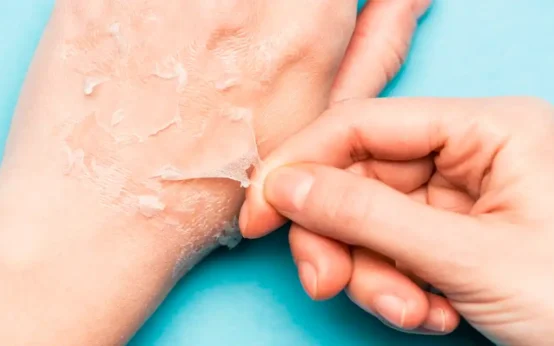 How To Exfoliate Peeling Skin After Sunburn
  How To Use Green Color Corrector Under Eyes
  What Causes Dark Circles Under Eyes
  Best Skincare Routine for Aging Skin
  How To Remove Sun Tan From Hands