

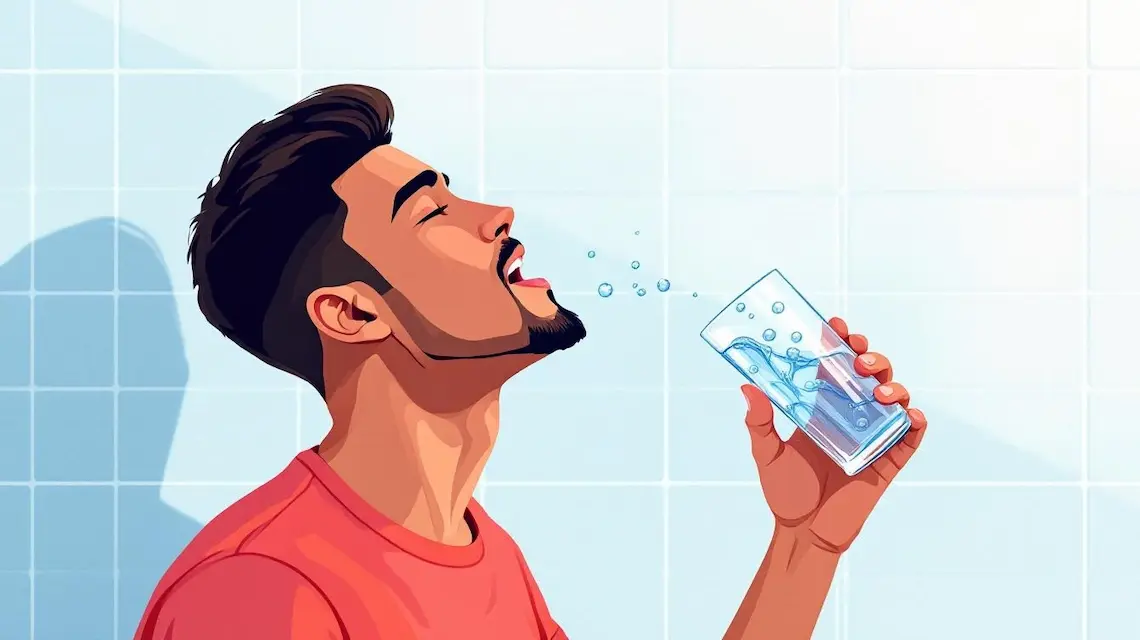
Hiccups can hit you out of nowhere and be both distracting and embarrassing. They’re caused by sudden muscle spasms in your diaphragm, which make your vocal cords snap shut and create that familiar “hic” sound. It happens for all kinds of reasons, like eating or drinking too quickly, sudden excitement or even changes in temperature.
Most of us just want hiccups gone fast because they get in the way of talking, eating or even relaxing. Luckily, there are simple tricks for stopping hiccups fast that really work, and you don’t need any fancy equipment or special training. This guide will help you find easy, quick relief so you can get back to your day without the hiccup hassle.
What Causes Hiccups and Why Fast Relief Matters
Hiccups might seem like a small problem, but when they stick around, they cause frustration and throw off your focus. Understanding why hiccups happen and why it’s worth stopping them quickly can help you deal with them more effectively. When you know the cause, the simple tricks for stopping hiccups fast make a whole lot more sense.
How Hiccups Start: The Science Behind the Spasm
Hiccups happen when your diaphragm (a dome-shaped muscle under your lungs) suddenly contracts. This makes your vocal cords close quickly and creates the hiccup sound. These muscle spasms are quick and out of your control.
Most people get hiccups at some point, and they’re usually harmless. Still, they can show up suddenly and outlast your patience.
What Triggers Hiccups?
Several everyday actions or habits can set off hiccups. Here’s a quick list of some common triggers:
- Eating too quickly or overeating: Swallowing too much air or having a full stomach can agitate the diaphragm.
- Hot or spicy foods: These can irritate nerves in the throat or stomach.
- Drinking carbonated drinks: Bubbles from soda can bloat your stomach and set off spasms.
- Sudden excitement or stress: Emotions can change your breathing rhythm and surprise your diaphragm.
- Temperature changes: Going from hot to cold or vice versa too fast can shock your body.
Sometimes hiccups can even show up for no clear reason at all. But knowing what sets them off helps you avoid some triggers in the future.
Why Stopping Hiccups Fast Really Matters
Nobody wants to sit through a meeting, meal, or movie with a case of hiccups. Quick relief is important for a few reasons:
- Reduces discomfort: Hiccups can feel like tiny punches inside your chest or throat. Fast relief means less irritation.
- Minimizes embarrassment: Hiccup bursts in quiet settings can draw attention and make you feel uncomfortable.
- Keeps routines moving: Hiccups interrupt speaking and eating, making simple moments awkward or even unsafe if you’re drinking.
- Prevents frustration: The longer hiccups linger, the harder it is to focus on anything else.
That’s why finding simple tricks for stopping hiccups fast can really save the day. Understanding the science and triggers gives you a better shot at a quick fix, and it sets the stage for trying out new strategies that work right when you need them.
Top Simple Tricks for Stopping Hiccups Fast
You don’t have to wait helplessly for hiccups to go away on their own. With the right at-home remedies, you can kick hiccups to the curb in minutes. These simple tricks for stopping hiccups fast use everyday items and techniques that are both easy to remember and quick to try. Let’s break down the best approaches for instant hiccup relief you can count on.
Breath Control Techniques
Breathing plays a big role in calming hiccups. By changing your breath pattern, you interrupt the reflex that’s causing the diaphragm to spasm. Here are a few trusted methods:
- Hold Your Breath: Gently inhale and hold your breath for about 10 to 20 seconds. Holding your breath lets carbon dioxide build up in your lungs, which makes the diaphragm relax. Once you exhale, hiccups often stop.
- Deep, Slow Breaths: Slowly inhale through your nose, filling your lungs as much as you can. Exhale just as slowly. Repeating this cycle a few times calms the nervous system and often soothes hiccups away.
- Breathe Into a Paper Bag: Place a small paper bag around your mouth and nose (never plastic), and breathe in and out slowly. The controlled breathing and rise in carbon dioxide help reset the hiccup reflex. Don’t do this for more than a minute, and stop if you get dizzy.
These tricks aren’t just old wives’ tales. They work by sending new signals to your diaphragm and “resetting” the part of your brain that controls hiccups. Breath control is easy, discreet, and safe to do in most situations.
Physical Maneuvers That Help
Physical tricks often involve changing the way signals travel along your nerves, especially the vagus or phrenic nerves, which play a role in hiccups. Some of the fastest home remedies are:
- Drink Cold Water: Sip a glass of cold water or take small, quick gulps. The cool temperature and swallowing motion can calm the diaphragm and distract your body from the hiccup cycle.
- Swallow Sugar: Place half a teaspoon of granulated sugar on your tongue and swallow it dry. The gritty texture slightly irritates the throat, which can “reset” nerve signals and stop hiccups.
- Stimulate the Back of the Throat: Gently tickle the back of your throat with the tip of a clean straw or even your own finger. You can also try sipping ice water through a straw or swallowing a spoonful of honey. These distractions can end hiccups by sending strong signals to the nerves that help control swallowing and breath.
These physical tricks are popular because they work quickly and can be done with common items found at home. They’re also safe when done with care.
Sensory Distraction Methods
Sometimes, the quickest way to stop hiccups is to “shock” your senses into paying attention to something else, giving your diaphragm a chance to reset. Sensory distraction methods use sharp tastes or unique sensations:
- Bite on a Lemon: Take a wedge of fresh lemon and bite down. The sour flavor creates a strong reaction in your mouth and throat, which can interrupt hiccup signals.
- Sip Vinegar: Swallowing a small amount of vinegar (such as apple cider vinegar) stirs up your taste buds and nerves. Just one or two sips usually do the trick.
- Eat a Teaspoon of Peanut Butter: Peanut butter requires effort to chew and swallow, making you pause your normal breathing rhythm. This change can help put an end to hiccups.
All these sensory tricks use simple ingredients you probably already have in your kitchen. They’re quick and safe, helping you regain control before hiccups become a lasting bother.
When to Seek Help: Persistent or Severe Hiccups
Most hiccups are more of a nuisance than a medical issue, but not all cases are so simple. Sometimes, hiccups last much longer than normal or come back over and over. In these situations, the body may be sending a signal that something deeper needs attention. It’s important to know when hiccups cross from quirky to concerning, so you can tell when it’s time to reach out for expert help.
Hiccups That Don’t Go Away
Normal hiccups usually fade on their own or respond to the simple tricks for stopping hiccups fast, often within minutes. But hiccups that hang around for longer are worth a second look. Doctors define two types based on how long they last:
- Persistent hiccups: last more than 48 hours.
- Intractable hiccups: go on for more than two months.
If you or someone you know has hiccups sticking around this long, it’s time to talk to a healthcare provider. Chronic hiccups can sap your energy, mess with sleep, and even make eating difficult. They’re rarely just inconvenient, often, they’re trying to tell you something.
Clues That Hiccups May Signal Something Serious
Not all hiccups are innocent. Sometimes, they hint at a bigger problem with your nerves, brain, stomach or other organs. Here are common red flags that need attention:
- Hiccups keep you from eating or sleeping.
- You notice chest pain, shortness of breath, fever, vomiting or a severe headache alongside hiccups.
- You have a history of recent head injury or surgery.
- Hiccups show up along with slurred speech, trouble moving, or confusion.
These signs point to something more serious, like nerve irritation, infection or even a problem with the brain or digestive system. Hiccups combined with other symptoms shouldn’t be ignored.
Why See a Doctor for Persistent Hiccups
Unusual hiccups don’t just interrupt your day, they can be a sign of an underlying medical condition. Issues with the nervous system, stomach disorders, lung or heart diseases, and even stress can all trigger ongoing hiccups. If you’re regularly battling hiccups that refuse to quit, a doctor can help identify the real cause.
A medical professional may recommend simple tests to check for infections or nerve problems. They can also help manage symptoms, ensuring that frequent or severe hiccups don’t drain your quality of life.
While it’s rare, severe hiccups may result from certain medications, nerve issues, or sometimes even problems with the liver or kidneys. Trust what your body is telling you if hiccups just won’t stop.
In some cases, steps like finding ways to reduce stress on digestion can ease symptoms if the cause is digestive upset or reflux. Still, it’s best to get professional advice to find a lasting solution.
Don’t Ignore Persistent or Severe Hiccups
It’s easy to brush off hiccups as a minor bother, but you shouldn’t ignore symptoms that linger or get worse. Hiccups that don’t stop after a couple of days—or that show up with other serious symptoms—deserve the same focus as any other signal from your body. If your hiccup story doesn’t have a quick, happy ending, pick up the phone and get the advice you need.
Preventing Future Hiccups: Simple Lifestyle Tips
Hiccups are usually harmless and easy to fix, but frequent episodes can be a real bother. With a few smart changes to your daily routine, you can lower the odds of hiccups showing up again. Small habits in what you eat, how you drink, and even the way you breathe make a big difference in preventing those pesky spasms before they start.
Eat and Drink at a Comfortable Pace
Rushing through meals or gulping down drinks is a common hiccup trigger. Slow down, chew your food well, and take smaller bites or sips. Here’s how you can make meals easier on your system:
- Take your time: Set down your fork between bites and focus on eating mindfully.
- Avoid talking while chewing: Chit-chat at the table can lead to swallowing extra air, which irritates the diaphragm.
- Skip carbonated drinks: Bubbles in soda or sparkling water expand your stomach, making spasms more likely.
A relaxed pace at meals not only helps prevent hiccups but is also kinder to your digestion overall.
Watch Out for Irritating Foods
Certain foods and drinks can spark hiccups, especially if you’re sensitive. Spicy or very hot foods, large servings, and alcohol are common offenders. To keep hiccups at bay:
- Limit spicy dishes, extra-hot sauces, and foods with a lot of acid (like citrus or tomato).
- Avoid very cold or very hot beverages right after each other.
- Eat smaller portions throughout the day, rather than a few very big meals.
These changes reduce stress on your digestive tract and keep your diaphragm happy.
Support Healthy Digestion Every Day
A calm digestive system is less likely to trigger hiccups. Add healthy, fiber-rich foods to your meals, like fruits, veggies, and whole grains. Seeds are another simple way to keep digestion smooth. For more, take a look at these best seeds for digestion, which can play a role in supporting gut comfort.
You can also:
- Drink water throughout the day, not just during meals.
- Skip excessive caffeine, especially if you’re prone to reflux or heartburn.
These steps make your gut less sensitive and cut down hiccup risk.
Learn to Manage Stress
Stress and anxiety can change your breathing patterns or tense your stomach muscles, both of which make hiccups tougher to avoid. Try building simple, soothing practices into your routine:
- Stretch or practice gentle yoga each day.
- Take a few deep breaths when you feel tension rising.
- Find short moments for rest or a walk, even in a busy schedule.
Regular relaxation makes it easier for your body to work the way it should, including when it comes to hiccup prevention.
Fix Your Posture and Breathing
Slouching after eating or taking shallow breaths sets the stage for hiccups. Sit up straight at meals and for a little while afterward. Taking slow, deep breaths supports both healthy digestion and a relaxed diaphragm.
When you put these small but effective habits into practice, you greatly reduce the chance of hiccups coming back. Over time, you’ll notice fewer unwanted interruptions—and a smoother day overall.
Conclusion
Simple tricks for stopping hiccups fast can help anyone get quick relief without hassle or risk. Breath control methods, physical maneuvers, and sensory distractions are safe and easy, using items around your house or simple changes in how you breathe and swallow. These practical steps work for both kids and adults, making hiccup relief something anyone can master.
Regular hiccups rarely need medical help, but if yours linger, listen to your body. If you want extra support for your gut health and fewer hiccup interruptions, consider adding more foods that support gut health to your day.
Use these simple tricks for prompt hiccup relief so missed moments and distractions don’t slow you down. Try these fast fixes next time hiccups hit, and feel the difference taking control can make.
FAQ: Simple Tricks for Stopping Hiccups Fast
What causes hiccups?
Hiccups happen when your diaphragm suddenly contracts, causing your vocal cords to close quickly. This creates the classic “hic” sound. They often start after eating or drinking too fast, spicy foods, carbonated drinks or even sudden excitement.
Does holding my breath actually stop hiccups?
Holding your breath can help by building up carbon dioxide in your blood, which may stop the hiccup reflex. Take a deep breath, hold it for 10 to 20 seconds, then breathe out slowly. Repeat if you need to.
Will drinking water get rid of hiccups?
Sipping cold water can work by calming the nerves linked to your hiccup reflex. Take small, steady gulps without stopping for a few seconds. Swallowing interrupts the hiccup cycle.
Does swallowing sugar really help?
Swallowing a spoonful of granulated sugar can work for some people. The grainy texture might reset the nerves involved in your hiccups. Let the sugar dissolve a bit on your tongue before swallowing.
Can I scare someone to stop hiccups?
A sudden scare may shock your system and force the hiccups to stop, though it’s hit or miss. Make sure it’s safe and harmless if you try this.
Is breathing into a paper bag safe?
Breathing slowly into a paper bag raises the carbon dioxide in your blood, which sometimes helps hiccups stop. Don’t do this for more than 30 seconds at a time and never use anything except a plain paper bag. Avoid this method if you have breathing or heart problems.
Does sipping vinegar or biting a lemon work?
Some people find that the sharp taste of vinegar or sucking on a lemon slice can stop hiccups. These strong flavors might distract your body from the hiccup reflex.
Why do hiccups start after eating or drinking?
Eating quickly, swallowing air, carbonated drinks or spicy foods can irritate your diaphragm and trigger hiccups. Slowing down and chewing well can help prevent them.
When should I worry about hiccups?
Most hiccups go away on their own within a few minutes to a couple hours. If they last longer than 48 hours or make it hard to eat, sleep, or breathe, talk with your doctor. This could signal another health problem.
Are hiccups ever dangerous?
Hiccups are almost always harmless, but if they don’t stop or happen with other symptoms like chest pain, trouble breathing, or vomiting, get medical help right away.
Can kids and babies use these tricks?
Most tricks like sipping water or holding breath are safe for older kids. For infants, try gently burping them or giving a pacifier. Talk to your doctor before trying home remedies with babies.
Do any medications stop hiccups?
For most people, medicine isn’t needed. In rare cases, doctors may prescribe medication if hiccups won’t go away or are linked to another illness.
What if none of these tips work?
If simple tricks haven’t helped and hiccups last longer than two days or keep coming back, reach out to a healthcare provider for advice.

Gas S. is a health writer who covers metabolic health, longevity science, and functional physiology. He breaks down research into clear, usable takeaways for long-term health and recovery. His work focuses on how the body works, progress tracking, and changes you can stick with. Every article is reviewed independently for accuracy and readability.
- Medical Disclaimer: This content is for education only. It doesn’t diagnose, treat, or replace medical care from a licensed professional. Read our full Medical Disclaimer here.