

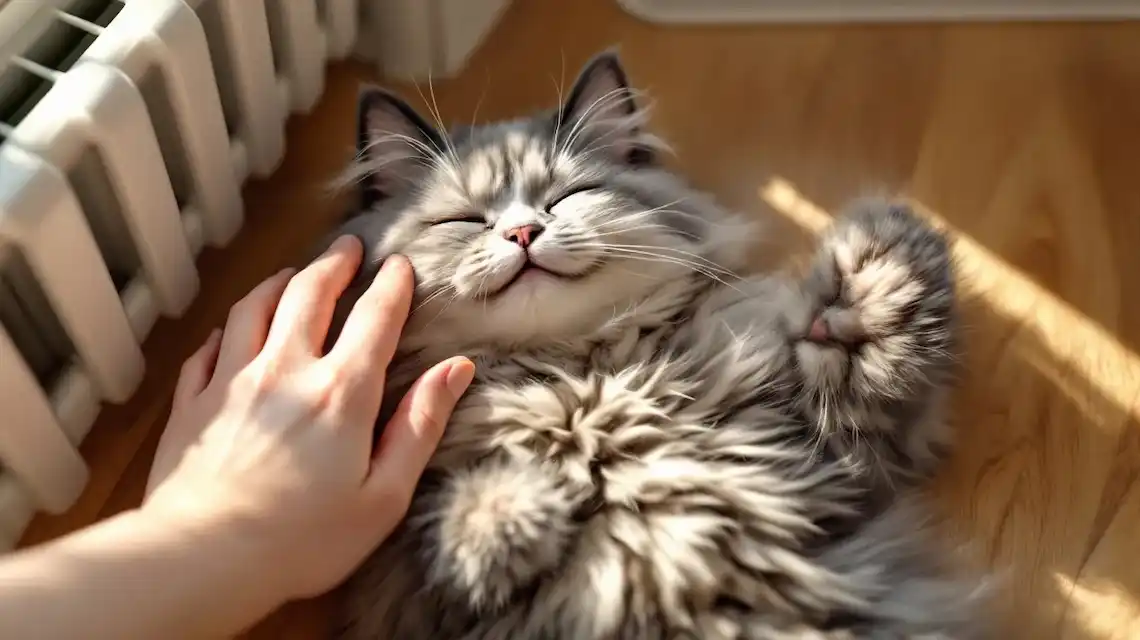
Cats feel mysterious, like they speak in a language we only half hear. They meow at us, sure, but most of what they say is quiet. Tails, ears, eyes, whiskers, and posture do the real talking, and once you see it, you cannot unsee it.
This guide explains how silent cat communication with humans works in everyday moments. You will learn body language basics, from a slow blink to a twitching tail tip. You will spot signs of emotion, like calm, stress, fear, and playful moods. You will also get simple tips to read the room and respond in ways your cat understands.
If your cat swats, hides, or ignores you, it is not random. Often, the message was there in small cues, we just missed it. When you recognize those cues, you avoid misunderstandings and gain trust. Your cat feels safer, you feel more confident, and daily life gets easier.
By the end, you will know what common signals mean, when to give space, and how to invite connection. You will practice timing, tone, and touch that match your cat’s comfort level. Small changes lead to big wins, like smoother play, better grooming, and calmer vet days. Ready to hear what your cat has been saying all along? Understanding these cues sets you both up for a happier, more tuned-in bond.
Decoding Basic Body Language in Silent Cat Communication
Cats speak with motion more than sound. When you learn the basics, small shifts in tail, ears, whiskers, and posture turn into clear messages. This is the core of silent cat communication with humans, and it guides how you respond in real time.
What Your Cat’s Tail Reveals About Their Mood
A tail tells the story. An upright tail, often with a soft curve at the tip, signals confidence and a friendly greeting. Picture your cat trotting to the door, tail high, ready for contact. A slow swish from side to side can mean focus or mild irritation. It often appears during play or while stalking a toy, so keep hands out of the chase.
A fast thrash or thump means frustration or anger. Stop petting, give space, and redirect to a toy if needed. A tucked tail under the body shows fear or high stress. Lower your voice, step back, and let the cat choose if and when to approach. As a rule, match energy. Calm tails invite gentle touch, tense tails call for patience.
Reading Ear Positions for Hidden Emotions
Ears are quick little mood meters. Forward ears suggest curiosity and comfort, often seen during sniffing or gentle play. Flattened ears, pinned back against the head, signal fear or aggression; do not reach in, even if the cat seems still. Twitching ears show alertness or uncertainty, like when a new sound or person enters the room.
Use ears with other signals for a true read. Forward ears with a loose body say safe. Pinned ears with a tight body say threatened. When in doubt, pause, soften eye contact, and give the cat a path to retreat.
The Power of Whiskers and Posture in Everyday Cues
Whiskers point the way. Forward whiskers show interest and engagement, often during play or exploring. Pulled-back whiskers signal caution or stress. Posture fills in the rest. An arched back or crouch with tucked limbs means defense. A stretched, loafed, or side-lying body shows ease.
If you see stress signs, do not force contact. Turn slightly sideways, blink slowly, and invite instead of insisting. Offer a toy or treat near, not on, the cat. Let choice drive closeness.

Spotting Affection and Stress Through Silent Signals
Cats send rich messages without a sound. When you read multiple cues in context, you get a clearer story. This is where silent cat communication with humans shines, especially during play, visitors, or vet days. Look for patterns, not single moves, and respond with calm, steady actions that match the moment.
Silent Ways Cats Show Love and Trust to Humans
Affection often starts with scent. Rubs on your legs or furniture are not random; your cat is marking a shared “family scent” with cheek and flank glands. That mixed scent tells them you belong together. It boosts safety and bonds you both.
Head bunts are direct affection. A soft bump to your hand or face means yes, you are safe, keep contact light. Offer a finger for them to press, then stroke the cheek area where scent lives. During couch time, this simple routine builds deeper trust.
A slow blink is a quiet “cat kiss.” Soften your eyes, blink slowly, and pause. Many cats blink back, then settle nearby. Combine these cues after calm play or when greeting your cat after work. Shared scent plus gentle eye contact teaches your cat that you are predictable, kind, and worth choosing.
Key Signs Your Cat Feels Stressed or Scared Silently
Stress shows up fast in the eyes and body. Dilated pupils, a sudden freeze, or a puffed tail signal high alert. Hiding or slipping away is a silent plea for space. Respect the retreat.
Calm the scene. Give access to a quiet room, high perch, or covered bed. Speak softly, turn your body sideways, and avoid direct staring. Offer treats by tossing them near, not at, your cat. In tough moments like vet visits, use a familiar blanket with home scent and a carrier that stays out daily. Safety comes first; closeness can wait until the body softens again.
Tips to Strengthen Your Bond Using Silent Cat Communication
Small habits make big progress. Build your bond through patient observation and kind responses. When you act on what you see, silent cat communication with humans becomes second nature. Think of it as a daily back-and-forth where your cat leads and you respond.
How to Observe and Respond to Your Cat’s Non-Verbal Cues
Set mini check-ins during feeding, play, and rest. Watch tail tension, ear angle, and body shape before you touch. Note what your cat tolerates and what they seek.
Respond to calm signals with a soft voice, a slow blink, or a light cheek rub. Mark wins with a small treat or a short play burst. If you see tight muscles, pinned ears, or a swishing tail, pause and give space. Move sideways, lower your energy, and invite later.
Keep a simple log on your phone. Track time of day, cue, and your response. Patterns emerge fast. Be patient, each cat has a personal style, and learning it takes steady, low-pressure practice.
Avoiding Common Misreads in Cat-Human Interactions
Cats are not dogs. A wagging tail can mean stress or conflict, not joy. Punishing a hiss, swat, or retreat tells your cat you are unsafe. Fear rises, and trust drops.
Use positive reinforcement to guide better choices. Reward calm looks, soft bodies, and voluntary contact. Teach your cat that approaching you pays.
Try these quick guardrails:
- Do: Reward relaxed postures, slow blinks, and gentle approaches.
- Do: End petting while your cat is still happy, then offer a treat.
- Do: Give clear exits and quiet zones to reduce pressure.
- Do not: Force holding, hugging, or eye contact.
- Do not: Punish vocalizing, hiding, or swatting.
- Do not: Assume all tail movement equals happiness.
Aim for predictable, kind actions. When your cat trusts your timing, they choose you more often.
Conclusion
Silent cat communication with humans is clear once you know the signs. Tails set the tone, ears fine tune the message, and eyes and posture confirm the mood. Upright tail and soft body say safe. Fast swish or pinned ears warn you to pause. Dilated pupils, a crouch, or a tucked tail ask for space.
When you match your response to these quiet cues, stress drops for both of you. Trust grows, grooming gets easier, play stays fun, and vet days feel calmer. Small choices, like stopping petting before a tail thrash or offering a slow blink, lead to lasting wins.
Circle back to your first insight, your cat talks in silence and you can hear it. Practice for a few minutes each day, then reward calm and choice. You will build a steady bond your cat can count on.
Observe your cat today, tail to ears to eyes, and note what you see. Share your moments and surprises in the comments so others can learn too. Thanks for reading, and here is to a kinder, quieter conversation with your best little roommate.
Related post: What Fruits Can Cats Eat?
FAQ: Silent Cat Communication With Humans
What does a slow blink mean?
A slow blink shows trust and calm. Return the blink to signal safety. This builds a soft bond over time.
Why does my cat stare at me without meowing?
A steady gaze can ask for something, like food or play. A hard, unblinking stare can be a warning. Soften your eyes, then offer space or a clear cue.
What does a tail held upright say?
A tail up, often with a slight curve at the tip, means greeting and confidence. A puffed tail signals fear or high arousal. A low, tucked tail shows stress.
How do ear positions speak?
Ears forward show interest. Ears to the side mean uncertainty. Ears flat back signal fear or anger. Give space if ears pin back.
Do whiskers share a message?
Yes. Whiskers forward show focus or excitement. Whiskers pulled back can signal worry or defensive feelings.
Is a “silent meow” really silent?
Often it is a very quiet meow that humans barely hear. Some cats may produce higher pitches that are hard to detect. The open mouth still signals a request or greeting.
What does a head bunt or cheek rub mean?
It is friendly scent marking. Your cat is mixing scents to claim you as safe and familiar. Let them initiate. Pet the cheeks if invited.
Why does my cat knead my lap without a sound?
Kneading shows contentment and comfort. It can also self-soothe. Offer a blanket if the claws are sharp.
Does purring count as silent communication?
Purring is sound, but it often pairs with quiet signals. It can mean comfort, bonding, or even pain. Check body language and context to read it right.
How can I tell if silence means stress?
Watch for hiding, tense posture, rapid grooming, dilated pupils, or reduced play. A sudden change in routine can trigger stress. Create safe spots and keep a steady schedule.
How do cats ask for food without meowing?
They use routines, eye contact, sitting by the bowl, and leading you to the kitchen. Some tap you with a paw or sit in your path. Consistent cues help reduce nagging.
Can I use hand signals to “talk” back?
Yes. Pair simple hand cues with actions, like a palm down for sit, or a hand target for come. Reward with treats or play. Keep sessions short and positive.
What does it mean when my cat follows me from room to room?
It shows social interest and a wish to stay close. Offer brief pets or a play break. Some cats just like to keep tabs on their person.
Why does my cat bring me toys in silence?
It is a request to play or a social gift. Praise them, then start a short play session. Rotate toys to keep interest high.
Does my scent matter to my cat?
Very much. Cats read scent to feel safe. Leave a worn T-shirt in a bed or carrier to reduce stress during changes.
How should I greet a cat that stays quiet?
Turn your body slightly, blink slowly, and offer a finger at nose level. Let the cat choose contact. Avoid looming or fast moves.
What silent signs mean “stop petting”?
Look for a flicking tail, skin twitching, ears turning away, or a head turn. Pause for three seconds. If the cat leans back in, continue. If not, give space.
Can deaf or mute cats communicate well without sound?
Yes. They rely on vision, touch, vibration, and routine. Use lights, gentle taps, and clear hand cues. Keep the environment predictable.
When should I call the vet about silent changes?
Call if your cat hides more, stops jumping, eats less, or avoids the box. Sudden behavior shifts can point to pain or illness. Early checks help.
 Dog Trick Training for Beginners
  Gingivitis Cats Symptoms Every Pet Parent Should Know
  How to Make Dog Cookies at Home
  Wet Food or Dry Food for Cats?
  What Is the Healthiest Hamster Breed for Your Home?
  Cat Food Intolerance Symptoms: How To Spot Them Early