

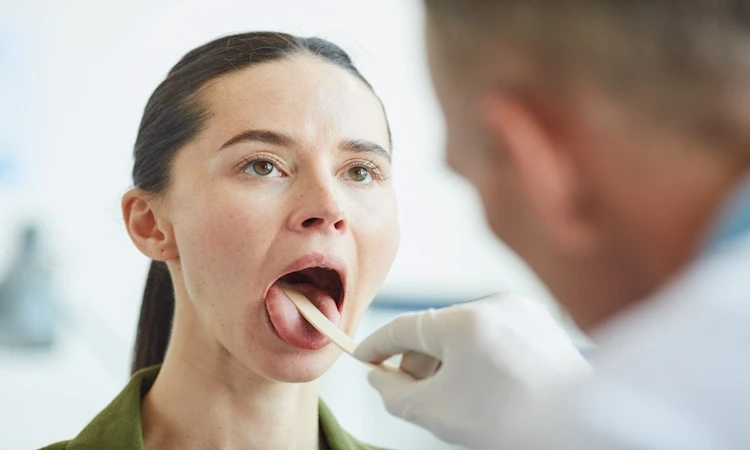
Saliva isn’t just spit. Think of it as a daily report from your body that shows up in your mouth. When your saliva changes, it can hint at what’s going on with hydration, teeth, gums, digestion, and even how well your mouth is defending itself.
In this guide, you’ll learn practical signs you can notice at home, what they often mean, and what to do next. You’ll also get simple checks you can repeat over time, especially after an illness, a diet shift, or a new medication.
Quick safety note: this isn’t a diagnosis. Still, paying attention to saliva health can help you decide when it’s time to call a dentist or doctor.
What healthy saliva looks and feels like (and why saliva health matters)
Most of the time, “normal” saliva doesn’t draw attention. It shows up as a steady, comfortable wetness that lets you speak clearly, swallow easily, and enjoy food. It’s usually watery, with a slight slippery feel. It shouldn’t burn, sting, or have a strong odor.
Good saliva health also means your mouth recovers after you eat. After a meal or snack, saliva helps wash away food bits and calm the acid that builds up. That matters because teeth and gums face small stressors all day long, like coffee sips, crackers, or a quick sports drink. Saliva is part of your built-in cleanup crew.
On the other hand, when saliva health is off, the mouth often feels “sticky” first. Then you may notice more plaque, more sensitivity, or gums that get irritated easier. Small shifts add up because your mouth never gets a true day off.
The jobs saliva does every day: cleaning, protecting, and starting digestion
Saliva’s cleaning job is simple: it moves things along. It helps rinse away leftover sugars and acids, and it keeps tissues from drying out. That flow also helps you talk and swallow without thinking about it.
It also has a saliva digestion role. Saliva starts breaking down some foods, softens what you chew, and helps your taste buds do their work. If your mouth feels dry, food can taste flat, and swallowing dry snacks can feel like pushing sand.
Just as important, saliva and immunity work together. Saliva contains compounds that help control germs so they don’t overgrow on teeth, gums, and the tongue. When flow drops, germs and plaque can stick around longer. As a result, cavities and gum irritation become more likely, especially if you snack often.
Saliva pH balance, what it means for cavities and enamel
pH is a simple scale that describes how acidic something is. Lower pH means more acid. Higher pH means less acid. Your mouth swings toward acid after you eat or drink things with sugar or acid, then saliva helps bring it back toward neutral.
That saliva pH balance matters because acid softens enamel. Frequent sipping of soda, sweet coffee drinks, sports drinks, or grazing on snacks keeps the mouth acidic longer. Saliva can buffer some of that, but it needs time and enough flow to do the job.
If low pH teams up with low flow, tooth wear can speed up. You may notice sensitivity, rough edges, or more staining that doesn’t brush off easily. For a solid plain-English overview of saliva and salivary gland problems, see the NIDCR guide to saliva and salivary gland disorders.
Red flags in your saliva that can threaten saliva health
A mouth can have an “off day” after a salty dinner, a night of poor sleep, or a long flight. Still, patterns matter. If something keeps showing up, it’s worth paying attention.
These changes don’t always mean poor saliva health, but they can point to common issues like dehydration, mouth breathing, gum inflammation, cavities, or reflux. Less often, they can connect to medical conditions that affect glands, nerves, or hormones.
Below are everyday signs people notice first, plus simple next steps.
Dry mouth and low saliva production: the most common signal
Dryness is the most common saliva health complaint because it has so many triggers. Common dry mouth causes include dehydration, stress, mouth breathing, aging, alcohol, cannabis, and heavy caffeine use. Sleep problems also play a role, especially if you snore or wake up with your mouth open.
Medications are a big one too. Many allergy pills, antidepressants, anxiety medicines, and some blood pressure meds can reduce flow. If you suspect medicine is involved, don’t stop it on your own. Instead, bring it up with your prescriber and your dentist. This overview from the Merck Manual can help you spot patterns in common dry mouth symptoms and causes.
Signs of low saliva production often look like this:
- You need water to swallow crackers or bread.
- Your lips crack more often.
- Your tongue feels burning or “raw.”
- You wake up thirsty, even after a normal day.
For mouth dryness treatment that’s generally safe, start simple. Sip water often, especially between meals. Chew sugar-free gum or suck on sugar-free lozenges (xylitol can help). Try a humidifier at night. If congestion is driving mouth breathing, work on nasal breathing or talk with a clinician about allergy control. Also, limit alcohol and avoid tobacco.
If your dry mouth lasts over 2 weeks, or you’re getting cavities fast, get checked. Persistent dryness isn’t something to “push through.”
Call your dentist or doctor sooner if you have trouble swallowing, swelling under the jaw, new severe dryness after starting a medication, fever, or pain.
Thick, stringy, foamy, or very sticky saliva: what it can point to
Thick saliva often travels with low flow. Sometimes it’s as simple as not drinking enough water. Other common causes include mouth breathing, allergies with congestion, and dry indoor air.
Diet can play a part too. High sugar intake can make plaque feel heavier, and it can change how your mouth feels after snacks. Acid reflux is another common culprit, especially if you wake up with a bad taste or throat irritation.
Because thick spit can signal saliva health is under stress, focus on habits that boost flow and reduce irritation. A short “reset” can help you figure out what’s driving it:
- Sip water regularly instead of chugging once.
- Rinse with plain water after snacks.
- Check if you snore or wake up with a dry mouth.
- Review meds and recent changes with your pharmacy or clinician.
- Watch reflux triggers (late meals, spicy foods, peppermint, alcohol).
If the stickiness comes with mouth sores, swelling, or trouble eating, schedule an exam. A clinician can check for infection, blocked glands, or other causes.
Bad taste or bad breath that keeps coming back
Bad breath isn’t always about brushing harder. Often, it comes from a coating on the tongue, gum inflammation, cavities, tonsil stones, dry mouth, or reflux. Since saliva helps wash away odor-causing compounds, low flow can make smell linger.
A metal taste can show up with gum bleeding, certain medications, or dry mouth. A sour taste may point to reflux, especially if it’s worse in the morning.
At home, start with the basics for 2 weeks:
- Brush the gumline gently and consistently.
- Clean your tongue once a day (scraper or toothbrush).
- Floss or use interdental brushes nightly.
- Hydrate, especially if you drink coffee or alcohol.
Better saliva health usually improves breath because the mouth clears food and bacteria more effectively. If you have bleeding gums, tooth pain, or breath that doesn’t improve after 2 weeks of better care, book a dental visit. For a clear medical overview of symptoms and care options, Cleveland Clinic explains dry mouth causes and treatment options, which often ties directly to stubborn breath.
Simple ways to check your saliva health at home (no special tools)
You don’t need strips or gadgets to notice changes. Home checks work best when you repeat them the same way, then compare week to week. These quick checks support saliva health tracking, especially after a cold, a stressful stretch, or a new medication.
Use the same time of day when you can. Morning and mid-afternoon are often the most revealing because they highlight nighttime mouth breathing and daytime hydration.
Here are a few simple, safe self-checks:
- Notice stickiness before your first sip of water.
- Check how easily you swallow a dry snack (like a plain cracker).
- Pay attention to tongue coating and how fast it returns after brushing.
- Note how often you need water to speak for long periods.
The quick “sip, swallow, speak” check for dryness and flow
Try this before eating, ideally midday.
First, close your mouth and breathe through your nose for 30 seconds. Then swallow once. A smooth swallow suggests decent moisture. Next, say a full sentence out loud. If your voice sounds “dry” or you feel your tongue sticking, your mouth may be running low.
Add a morning version too. Waking up with a dry mouth can point to mouth breathing, snoring, alcohol the night before, or reduced flow while you sleep. If mornings are always worse, note it. That clue helps a dentist narrow the cause.
Track what changes your mouth day to day: food, drinks, stress, and meds
A short log can beat guesswork. For 7 days, jot down a few items: caffeine, alcohol, salty snacks, spicy meals, new meds, sleep quality, and water intake. Then note symptoms like sticky saliva, sour taste, or gum bleeding.
This matters because patterns often connect to saliva pH balance and dryness. For example, frequent acidic drinks can keep your mouth in an “acidic zone” longer, especially when you sip slowly. If you want a practical explanation of how foods and acids affect mouth pH, Colgate lays out steps to rebalance mouth pH in simple terms.
If your notes show patterns, you can protect saliva health earlier. Bring the log to your dental cleaning. It gives your dentist something concrete to work with.
When to get help, and what a dentist can test or treat
If symptoms are mild and short-lived, home steps are often enough. Still, get professional help when changes persist, worsen, or come with pain.
See a dentist first if you have frequent cavities, bleeding gums, mouth sores that don’t heal, or ongoing dryness. A dentist can check for gum disease, tooth decay, infection, and signs of grinding. They can also build a cavity-risk plan, which may include fluoride varnish, prescription fluoride toothpaste, or guidance on snack timing.
See a doctor if dryness is severe, you have trouble swallowing, you notice gland swelling, or you have dry eyes along with dry mouth. Those can suggest broader issues that need medical care.
Because saliva and immunity help keep oral infections in check, low flow can raise the odds of thrush and inflamed gums. Early care prevents bigger problems.
Saliva testing is also a growing area in medicine. If you’re curious about the science behind saliva measurements, this review covers saliva’s diagnostic potential in saliva physiology and disease markers.
A simple “protect your mouth today” list:
- Drink water with meals and after snacks.
- Chew sugar-free gum after eating.
- Brush twice daily and clean between teeth once daily.
- Limit frequent sugary or acidic drinks.
Conclusion
Your mouth gives you signals all day, and saliva changes are some of the earliest. Dryness and thick, sticky saliva are the big ones to watch because they often point to hydration issues, mouth breathing, medications, or reflux. Small habits help, like water sips, sugar-free gum, and steady brushing and flossing. Also, cut back on frequent sugar and acidic drinks to give your enamel time to recover.If your symptoms stick around, get worse, or come with pain, swelling, fever, or trouble swallowing, see a healthcare professional. With the right care, your saliva flow and oral health can improve sooner than most people expect.

Gas S. is a health writer who covers metabolic health, longevity science, and functional physiology. He breaks down research into clear, usable takeaways for long-term health and recovery. His work focuses on how the body works, progress tracking, and changes you can stick with. Every article is reviewed independently for accuracy and readability.
- Medical Disclaimer: This content is for education only. It doesn’t diagnose, treat, or replace medical care from a licensed professional. Read our full Medical Disclaimer here.