

Probiotics for Anxiety: Strains, Limits, and Safety
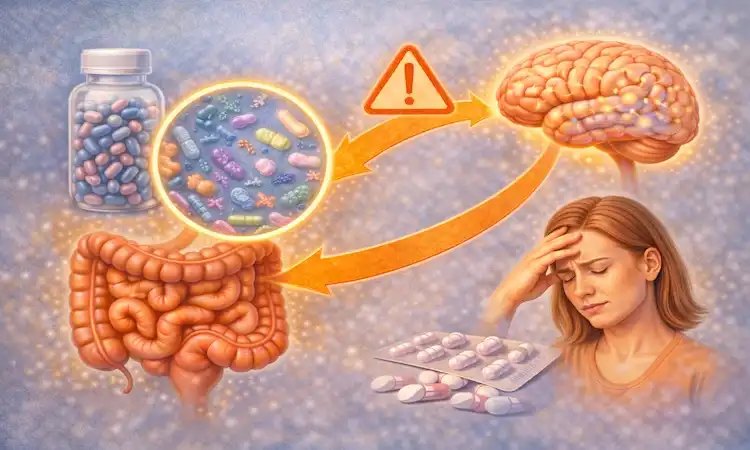
When anxiety spikes, the gut often joins the conversation. You might feel nausea before a big meeting, lose your appetite during a stressful week, or deal with sudden bathroom urgency on a rough day. That’s why so many people connect gut health with anxious feelings, the gut and the brain are in constant contact.
Probiotics for anxiety are a popular idea because microbes in the gut help shape digestion, immune signals, and chemical messages that can affect mood. Still, expectations matter. Probiotics may help some people, results are usually modest, and they aren’t a replacement for therapy, lifestyle support, or prescribed medication.
Probiotics are live microbes that, in the right amount, can support health. When researchers study probiotics for mental health outcomes, you’ll sometimes see the term psychobiotics. For a helpful overview of how psychobiotics are discussed in research, see a narrative review on psychobiotics.
This guide covers which strains have the best evidence, what probiotics can and can’t do for anxious feelings, and how to use them safely.
How probiotics may affect anxiety through your gut, brain, and immune system
Think of your gut like a busy train station. Food, hormones, immune cells, and microbes all pass messages back and forth. Under stress, that station gets louder and less organized. Digestion speeds up for some people and slows down for others. You might notice reflux, bloating, cramps, or irregular stools. Those symptoms can make you feel even more on edge, which can become a loop.
The “gut-brain axis” is the two-way link between your digestive system and your nervous system. It includes nerve pathways, immune signals, and chemical byproducts made during digestion. Stress hormones (including cortisol) can shift gut movement and gut sensitivity, and they can also change the mix of microbes over time. Some probiotics may nudge that system toward a steadier response, but the effect depends on the strain, the dose, and the person taking it.
A key point that gets lost in marketing is that probiotics aren’t one thing. “A probiotic” is like “a dog”. A Chihuahua and a Great Dane are both dogs, but you wouldn’t expect the same behavior. The same idea applies to probiotic strains.
Also, gut health, stress, and sleep are tightly linked. Poor sleep can raise stress reactivity the next day, and stress can worsen sleep quality. If a probiotic helps digestion or supports more stable gut signaling, some people notice small changes in probiotics and sleep, which can indirectly support anxiety.
The gut-brain axis in plain language: nerves, chemicals, and messages
One major “phone line” is the vagus nerve, which connects the gut and the brain. It carries information upward (like gut stretch and discomfort) and downward (like stress-related changes in digestion). If you want a plain-English explanation of this connection, Northwell Health has a clear summary in their gut-brain axis overview.
Gut microbes also break down fibers into short-chain fatty acids (SCFAs). These byproducts can influence the gut lining and immune signaling. The gut microbiome can also affect how the body handles amino acids and other compounds involved in neurotransmitter pathways (often discussed in relation to GABA and serotonin signaling). That doesn’t mean probiotics “add serotonin” the way a medication changes brain chemistry, but it helps explain why researchers keep studying the connection.
Why probiotics might help stress, sleep, and anxious feelings in some people
When you’re stressed for weeks or months, the gut barrier and immune balance can shift. Some people become more sensitive to foods, get more bloating, or notice more IBS-like symptoms. That physical discomfort can feed worry and tension.
Certain strains appear to support calmer stress reactivity in some trials, which is why you’ll see interest in probiotics for stress as well as anxiety. If benefits show up, they’re usually subtle: a little less “wired” at night, fewer stress-related stomach flare-ups, or a small drop in worry intensity. Don’t expect an instant calm, and don’t expect the same effect from a different strain.
Probiotic strains with the best evidence for anxiety and mood (and what the research actually shows)
The most honest summary of the psychobiotics evidence is simple: it’s promising, mixed, and still developing. Many studies are small, the populations differ (healthy adults vs people with diagnosed conditions), and the outcomes measured vary a lot (stress scales, anxiety scores, sleep quality, gut symptoms).
A 2024 meta-analysis focused on strain-specific findings highlights why details matter. Some strains show signals of benefit while others don’t, even within the same species. See strain-specific effects meta-analysis (2024) for a deeper look at how results can change by strain.
It also helps to zoom out. In working adults, overall effects often look modest when you average trials together. A January 2026 systematic review and meta-analysis discusses this broader view in probiotic intake and mental health in working adults.
Instead of searching for “best probiotic for anxiety” as a single answer, use a better question: Which specific strain, at what dose, in which type of person, showed what kind of change?
Here’s what to look for on a label before you buy anything:
| Label detail that matters | What “good” looks like | Why it matters |
|---|---|---|
| Full name | Genus, species, and strain ID (example format: B. longum ABC123) | The strain is what was studied, not just the species |
| CFU statement | CFU “through expiration” (not only “at time of manufacture”) | Potency can drop over time |
| Dose match | Dose similar to human studies when possible | Too low may do nothing, higher isn’t always better |
| Storage guidance | Clear instructions (room temp vs refrigerated) | Heat and moisture can reduce viability |
Lactobacillus and Bifidobacterium strains that show the most promise
Most research on probiotic strains for mood and anxious feelings clusters around Lactobacillus and Bifidobacterium. Within those, strain details matter (the letters and numbers after the name are not decoration).
In practical terms, these are commonly studied categories you’ll run into:
- Lactobacillus rhamnosus (strain dependent): Some studies suggest stress or mood support, others show no change. If a product only says “L. rhamnosus” without a strain ID, you can’t match it to research.
- Lactobacillus helveticus (often in blends): Frequently used in combinations in mood-related trials. Blends can complicate the story, but they’re common in real-world products.
- Bifidobacterium longum (strain dependent): Studied for stress resilience and mood in some settings, but results vary by strain and population.
- Bifidobacterium breve: Also appears in mood and gut comfort research, with mixed outcomes across trials.
This is the main takeaway: the species name isn’t specific enough. If you’re trying probiotics for anxiety, strain transparency is the difference between a thoughtful experiment and a random purchase.
Single strain vs blends, plus where prebiotics and synbiotics fit
Single-strain products are easier to test. If you notice a change, you can credit (or blame) one strain. Blends may offer broader gut effects, but they make it harder to know what worked.
Prebiotics are not probiotics. Prebiotics are fibers that feed helpful microbes already living in your gut. When people talk about prebiotics and anxiety, they’re usually pointing to the idea that better fiber fermentation and gut signaling may support steadier mood. The catch is that more fiber can also mean more gas, especially if you raise it too fast or if you have IBS.
Synbiotics combine probiotics plus a prebiotic in one product, which is why you’ll see the phrase synbiotics mental health in research reviews. Some trials look at probiotics, prebiotics, and synbiotics side by side. For a research summary that includes anxiety, depression, and sleep outcomes across these categories, see BMC Psychiatry’s 2025 meta-analysis.
If you’d rather start with food prebiotics, keep it simple: oats, beans, slightly green bananas, onions, and garlic. Start low and go slow, your gut should feel supported, not pressured.
Limits you should know before spending money on probiotics for anxiety
Probiotics aren’t a quick fix, and they’re not a guaranteed fix. Many people who report benefits describe them as “a notch better,” not “my anxiety is gone.” If you go in expecting a dramatic shift, you’ll likely be disappointed.
Timing matters too. If a strain helps, it often takes days to weeks. In studies, four to eight weeks is common, and some people notice digestive changes before any mood changes. Alcohol, poor sleep, low fiber intake, and high stress can all blunt the impact. Antibiotics can also disrupt gut balance, which may change how a probiotic feels (and sometimes whether it’s useful at all).
It’s also worth saying out loud: anxiety has many causes. Trauma, chronic work stress, thyroid issues, panic disorder, nutrient deficiencies, medication side effects, perimenopause, and heavy caffeine use can all play a role. Probiotics fit best as one tool in a bigger plan, not the tool.
To track results without obsessing, pick a couple of simple markers and check them once a day, or even every few days. The goal is to notice patterns, not to monitor yourself minute by minute.
What probiotics can do, what they cannot do, and who is least likely to notice a change
A realistic “best case” for many healthy adults looks like improved gut comfort and a small reduction in stress intensity. Possible outcomes include steadier digestion during stressful weeks, slightly better sleep continuity, or a modest shift in daily tension.
Unrealistic expectations include stopping panic attacks overnight, replacing therapy, or fixing severe anxiety on their own.
People least likely to notice much change from probiotics alone include those with severe anxiety, ongoing trauma, major depression, or intense life stress that isn’t letting up. In those cases, probiotics may still support gut symptoms, but they shouldn’t be the foundation of care.
A simple 4 week test plan to see if a strain is helping you
A short, structured trial keeps you from wasting money and guessing.
- Pick one product that lists clear strain IDs and storage instructions.
- Keep the rest of your routine steady (sleep schedule, caffeine, alcohol, and major diet changes).
- Take it daily for 4 weeks. If you’re sensitive, take it with food.
- Track 2 to 3 metrics: worry level (0 to 10), sleep time or awakenings, and one gut symptom (bloating, stool consistency, urgency).
- Stop early if symptoms keep getting worse, or if you develop signs that need medical attention.
If you want to try a different strain, change one variable at a time. Don’t stack three new supplements and hope you’ll know what helped.
Safety, side effects, and smart buying tips
For most healthy adults, probiotics are considered low risk, but “low risk” isn’t “zero risk.” The most common issues are mild and temporary, often happening in the first week: gas, bloating, and changes in stool frequency.
Risk is higher in certain medical situations, and supplement quality varies a lot. Probiotics are living organisms, so storage and manufacturing standards matter more than they do for many basic vitamins.
For a broader discussion of safety concerns and who should be cautious, see Probiotics: Should All Patients Take Them?. If you’re pregnant or breastfeeding and considering a supplement, strain-specific safety data matters, and it’s smart to review guidance like the safety of probiotics in pregnant and lactating women with your clinician.
Common side effects, and when to stop or get medical advice
Mild bloating or gas that eases within a week can be normal. Drinking enough water and taking the supplement with food can help.
Stop and get medical advice if you develop fever, severe abdominal pain, hives or rash, trouble breathing, or symptoms that keep escalating instead of settling down.
Talk to a clinician before starting probiotics if you’re immunocompromised, have a central line, recently had major surgery, are critically ill, or are caring for a premature infant. Pregnancy and breastfeeding also deserve a quick check-in since products and strains vary.
How to choose a probiotic you can trust
A trustworthy product is boring in the best way. It tells you exactly what’s in it and how to store it.
Look for strain IDs, a CFU count that’s guaranteed through expiration, and evidence of third-party testing when available. Don’t assume “more CFU” is better. A well-studied strain at a reasonable dose beats a massive CFU number with vague labeling.
Fermented foods (like yogurt, kefir, kimchi, and sauerkraut) can be great for many people, but they aren’t the same as a targeted strain used in research trials. If you’re histamine sensitive, some fermented foods may make you feel worse, which can mimic anxiety symptoms like jitteriness or poor sleep.
Final thoughts on probiotics for anxiety
Probiotics can be a reasonable add-on for anxious feelings, but they work best with realistic expectations. Strain choice matters, and the psychobiotics evidence is still mixed, even though certain Lactobacillus and Bifidobacterium strains look promising in research. For most healthy adults, safety is generally good, and side effects are usually mild and short-lived.
If you’re curious, run a simple four-week trial with one clearly labeled product and track a few practical outcomes, like worry level, sleep quality, and stress-related gut symptoms. Pair that with basics that support both gut and mood: consistent sleep, fiber-rich foods, regular movement, and stress skills that fit your life.
If your anxiety feels intense, comes on fast, or disrupts daily life, or if you have a higher-risk health condition, check in with a healthcare professional before adding probiotics for anxiety to your routine, even if you’re focusing on the gut-brain axis.

Gas S. is a health writer who covers metabolic health, longevity science, and functional physiology. He breaks down research into clear, usable takeaways for long-term health and recovery. His work focuses on how the body works, progress tracking, and changes you can stick with. Every article is reviewed independently for accuracy and readability.
- Medical Disclaimer: This content is for education only. It doesn’t diagnose, treat, or replace medical care from a licensed professional. Read our full Medical Disclaimer here.