

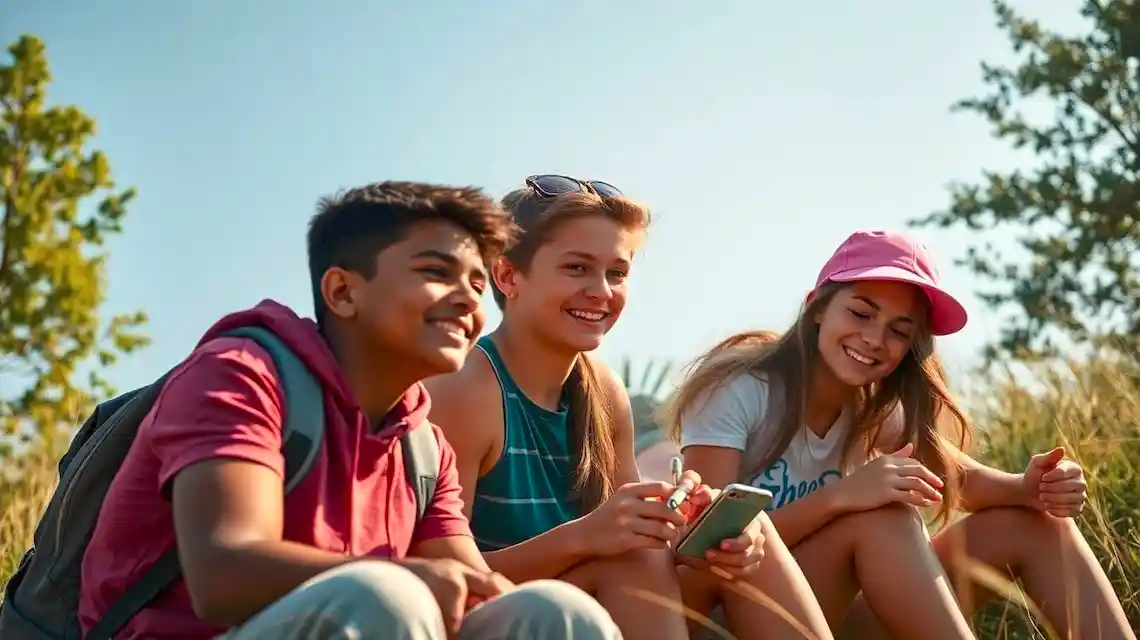
Teens today juggle school, homework, group chats, social media, and a steady stream of notifications. It is no surprise that real outdoor play often ends up last on the list. Parents worry about screen time, and teens feel stressed and tired.
The good news is that even a little more time outside can make a big difference. Regular outdoor activities for teens can boost health, ease stress, and help them connect with real friends, not just usernames. Outdoor time works like a reset button for the body and mind.
This guide walks through simple benefits, easy ideas close to home, and smart ways to plan so teens actually say yes. You will find low-cost, low-pressure options, plus tips to help even shy or hesitant teens feel more comfortable stepping outside.
Why outdoor activities for teens are worth the effort
Getting a teen off the couch can feel harder than any workout. Before you start suggesting ideas, it helps to know why outdoor time matters so much. When parents and teens see clear benefits, it is easier to stay motivated.
Time outside supports three big areas: health, mental health, and friendships. It does not have to mean a full sports season or long hikes. Short bursts of active play, a walk to the park, or a casual game with friends all count.
A few hours spread across the week can lead to more energy, better sleep, lower stress, and closer bonds with friends and family. Think of it as a small habit that quietly supports everything else in a teen’s life, from grades to mood.
Health benefits: more energy, better sleep, stronger bodies
Outdoor movement helps hearts, lungs, and muscles grow stronger. Simple activities, like walking the dog, biking to a friend’s house, or shooting hoops, get the body working in a natural way.
Sunlight helps the body set a healthy sleep rhythm, so teens fall asleep faster and sleep more deeply. That extra rest often leads to better focus in class and fewer afternoon crashes.
The best part is that it does not need to be full-on sports. Yard games, scooter rides, or a relaxed game of frisbee still help the body stay strong.
Mental health benefits: less stress, more confidence, better mood
Nature has a calming effect. A short walk around the block or a sit on the grass can lower stress from school and social pressure. Many teens find that problems feel a little smaller after time outside.
Trying new outdoor activities also builds confidence. When a teen learns to ride a new bike route or finishes a small hike, they see proof that they can handle hard things. That feeling often carries over to homework, tests, and social situations.
For more ideas on how nature supports mood and focus, you can look at this guide on outdoor activities to boost teen mental health.
Social benefits: stronger friendships and real life connection
Outdoor time gives teens reasons to meet face to face. A simple plan like “meet at the park at 4” can turn into an afternoon of pickup basketball, skate practice, or just talking on a bench.
Group activities, like a short hike or a backyard game night, help teens practice teamwork and problem solving. They share wins, laugh at fails, and build real memories together.
Fun and easy outdoor activities for teens close to home
Big trips are nice, but daily habits start right outside the front door. These ideas work in backyards, nearby parks, school grounds, and sidewalks, and they do not need much money or planning.
Backyard games and challenges that keep teens moving
Turn the yard into a mini adventure zone. Teens can set up capture the flag with glow sticks, race through DIY obstacle courses, or design relay races with silly tasks.
Let them create the rules, pick teams, and tweak games to fit their age and sense of humor. For more ideas, you can scroll through this big list of outdoor games for teenagers.
Set a rough time limit, like 45 minutes, and keep the tone light. The goal is fun and movement, not intense competition.
Park and neighborhood adventures that cost almost nothing
Local parks and sidewalks are free gyms. Teens can:
- Join or start a pickup game of basketball or soccer
- Try frisbee or disc golf with a cheap disc
- Ride bikes or scooters around a set loop
- Practice skateboarding skills in an empty lot or skate park
To keep it interesting, suggest small goals. They might try a new route each week, count how many park benches they pass, or track steps on a phone.
If your teen likes planning, have them pick ideas from a list of summer ideas for teens and adapt them for weekends during the school year.
Creative outdoor activities for teens who do not like sports
Not every teen wants to sweat or compete, and that is fine. Being outside still helps, even during quiet activities.
Ideas for non-sporty teens:
- Nature photography with a phone
- Sidewalk chalk murals or street art practice
- Sketching or painting trees, buildings, or pets
- Reading a favorite book at the park
- Simple outdoor journaling on a blanket
Parents can support by asking, “What do you already love, and how can we move that outside?” Music, art, reading, or writing all feel fresh in the open air.
Small group hangouts that feel fun, not forced
Some teens avoid outdoor time because it sounds like “exercise.” Turn it into a social hangout instead.
Try:
- Outdoor movie nights with a sheet and projector
- Fire pit evenings with s’mores (if local rules allow fires)
- Potluck picnics where everyone brings one snack
- Themed photo scavenger hunts around the neighborhood
These ideas give teens a clear reason to say yes. It feels like a party, not a workout. For more inspiration, you can check lists of fun and outdoor activities to do with teenagers.
How to plan outdoor activities for teens so they actually join in
Ideas are great, but the real win is getting teens to show up and enjoy themselves. A few simple habits around safety, choice, and routine can make a big difference.
Safety basics and ground rules everyone can agree on
Start with shared safety rules that feel fair. Talk through sunscreen, hats, and water bottles for sunny days. Check the weather so no one gets stuck in a storm in flip-flops.
Use a buddy system for walks, rides, or park visits. Ask teens to share their location on their phone or check in by text at set times.
Agree on clear limits about where they can go and what time they need to be home. When rules are simple and consistent, teens feel trusted instead of watched.
Let teens choose and lead the outdoor fun
Choice is huge at this age. Instead of announcing a plan, offer a short list and let your teen pick. For example, “Bike to the park, shoot hoops, or take the dog for a long walk, which sounds best today?”
Invite them to plan the route, make a playlist, or set the game rules. You can also encourage them to invite friends so it feels more like their event than a family task.
Listen to feedback. If they say, “That was boring,” ask what would make it better next time and adjust.
Make outdoor time a simple habit, not a big event
Large, all-day outings take energy to plan, so they do not happen often. Small habits are easier to keep.
You might:
- Take a 20-minute evening walk three days a week
- Ride bikes together every Saturday morning
- Meet friends at the same park every Sunday afternoon
Keep the focus on “most weeks” instead of perfection. A wall calendar, simple checklist, or low-key phone reminder can help track progress without pressure.
Conclusion
Outdoor time will not fix every problem, but steady outdoor activities for teens can support health, calm the mind, and grow strong friendships. They do not need to be fancy or expensive. A backyard game, a walk with a friend, or a relaxed movie night under the stars all count.
You do not have to change your whole routine to see benefits. Start small and local. Pick one new idea from this list, ask your teen for their input, and try it this week.
Open the door, grab a water bottle, and take that first step outside together.
Related post:
Practical FAQs About Outdoor Activities For Teens
How much outdoor time is healthy for teens each week?
Most health experts suggest teens get at least 60 minutes of physical activity a day, with some of that outside when possible.
If daily outdoor time is hard, aim for 4 to 6 active sessions per week, like sports practice, hikes, bike rides, or walks with friends. What matters most is regular movement, not perfection.
What are good outdoor activities for teens who don’t like sports?
Plenty of options don’t feel like traditional sports at all. Ideas include:
- Hiking or nature walks on local trails
- Casual biking around the neighborhood or park
- Photography walks, focusing on nature or street scenes
- Skateboarding or scootering at a local park
- Geocaching, which is like a real-world treasure hunt using GPS
- Outdoor art, such as chalk art, sketching, or painting outside
The key is to pick something that feels fun or creative, not like a workout.
How can parents encourage teens to get outside without nagging?
Start with choice and control, not pressure. Invite, do not demand.
Helpful approaches:
- Offer a few options, then let your teen pick.
- Suggest outdoor time around their interests, like music (walk with headphones) or photography (sunset photos).
- Plan short, low-commitment activities, like a 20-minute walk after dinner.
- Join in sometimes, so it feels social, not like a chore.
Positive reinforcement works better than lectures. Notice and mention when they seem happier or more relaxed after time outside.
What outdoor activities work well for small groups of teens?
Small groups do best with activities that are social and flexible. Strong picks include:
- Pick-up basketball or soccer at a local court or field
- Frisbee or disc golf
- Outdoor escape or scavenger games, planned at a park or in a neighborhood
- Picnics with music, card games, or simple lawn games
- Short hikes or nature walks, with plenty of time to talk
Keep it relaxed, and let teens shape the plan so it fits their energy and mood.
How can teens stay safe while doing outdoor activities?
Safety starts with a few simple habits:
- Go out with friends or in pairs when possible.
- Tell someone at home where you are going and when you will be back.
- Keep a charged phone, some water, and a small snack.
- Wear proper shoes and weather-appropriate clothing.
- Use helmets and pads for biking, skating, or scootering.
- Check local rules about trails, water areas, and park hours.
If something feels off, leave and regroup somewhere public.
What are low-cost or free outdoor activities for teens?
You do not need much money to have a good time outside. Free or low-cost ideas include:
- Walking or jogging on local paths
- Playing basketball, tennis, or soccer on public courts and fields
- Frisbee in the park
- Volunteer clean-ups at parks, rivers, or beaches
- Stargazing from a yard, driveway, or field
- Body-weight workouts outside, like push-ups, planks, and lunges
Public parks, school grounds, and community spaces offer a lot without a high price tag.
What outdoor activities can teens do in a small backyard or limited space?
Even a small space can work if you get a bit creative. Good options:
- Mini workout circuits, like squats, jumping jacks, and light stretching
- Jump rope or agility drills with cones or chalk marks
- Cornhole, ring toss, or ladder toss
- Slackline, if there are two sturdy anchor points
- Gardening in pots or raised beds
- Chalk games, such as hopscotch or four square
Short, frequent sessions can add up to a lot of outdoor time.
How can teens stay active outside when the weather is bad?
Weather does not have to end outdoor time, it just changes the plan.
- In cold weather, dress in layers, cover ears and hands, and keep moving with brisk walks, short runs, or winter sports where available.
- In hot weather, go out early morning or evening, stay in the shade, drink plenty of water, and avoid intense activity in peak heat.
- On rainy days, try quick walks under a raincoat, covered porches, or short outdoor breaks between indoor activities.
Always check local weather alerts and avoid storms, extreme heat, or unsafe conditions.
How can outdoor activities support mental health for teens?
Time outside can reduce stress, boost mood, and help with sleep. Sunlight supports the body’s natural clock, and movement helps release tension and anxious energy.
Outdoor activities also create space away from screens and school pressure. Even a 15-minute walk, some quiet time on a bench, or a short bike ride can help a teen reset after a long day.
How can teens balance outdoor activities with schoolwork and screens?
Balance works best when it is planned, not left to chance. A few simple habits help:
- Save 30 to 60 minutes most days for outdoor time, even if it is broken into two short blocks.
- Use outdoor breaks between homework sessions instead of scrolling on a phone.
- Tie outdoor time to existing routines, like, “After homework, I go for a 20-minute walk.”
Treat outdoor time as a normal part of the day, just like meals or brushing teeth, not as extra work.
 Lighter Footprint Beekeeping Equipment
  What Is Brood in Beekeeping?
  Best Way To Learn Italian
  How to Become a Content Creator on X
  How to to Learn Spanish Even When You Are Busy
  How to Play Piano for Beginners