

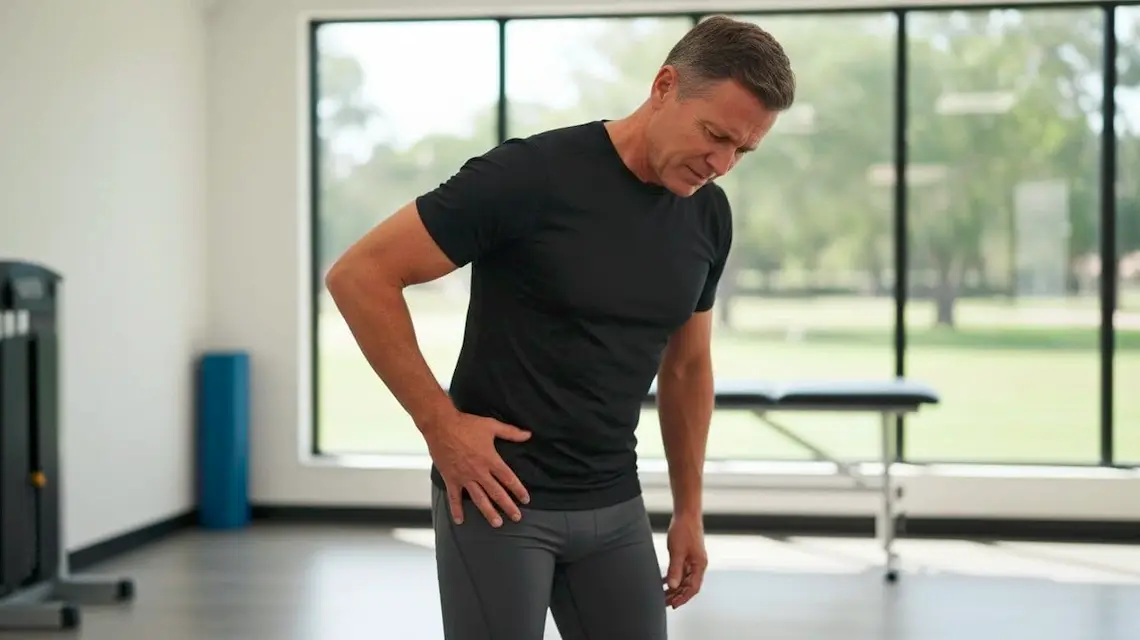
Arthritis in the hip means the smooth cartilage in the joint is worn or inflamed. That wear and tear or immune irritation can spark pain, stiffness, and a deep ache during simple tasks. Walking, getting up from a chair, or sleeping on your side can feel tough. You are not stuck, though. This guide shares natural remedies for hip arthritis pain you can start at home.
You will learn quick ways to soothe a flare, simple gear swaps that reduce stress on the joint, and calm routines that make sleep easier. These are practical, low cost steps you can mix and match. Small, steady changes add up.
Safety first. Call a doctor if you have red flags: sudden swelling, fever, severe new pain after a fall, or pain that wakes you at night and does not ease with rest. If your pain is getting worse week to week, you need a check.
Best natural remedies for hip arthritis pain you can do at home today
You can lower pain today with a few focused steps. Start with heat or cold at the right times, then try a topical on sore spots. Set up your sleep to reduce pressure on the hip. Make small gear tweaks during the day to unload the joint. These actions give quick wins while you build longer term habits.
Heat or cold: when to use each for faster hip pain relief
- Heat: use a moist heat pack or take a warm shower for 15 to 20 minutes before activity to relax muscles and ease stiffness.
- Cold: apply a gel pack wrapped in a thin towel for 10 to 15 minutes after activity or during a flare to calm swelling.
- Tip: try contrast therapy, 5 minutes warm then 5 minutes cool, repeat up to 3 cycles.
- Safety: protect skin, do not sleep with heat or ice, avoid on numb skin or open wounds.
Keep heat gentle, not scalding. Aim for warm, not hot. With cold, your skin should feel cool and slightly numb by the end, not burning. Wait at least an hour before repeating either method.
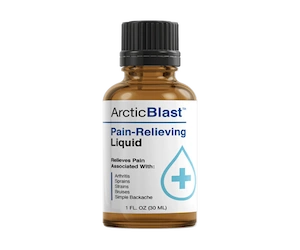
Topical options: arnica, capsaicin, and menthol for targeted relief
- Arnica gel 2 to 3 times daily on sore areas.
- Capsaicin cream 0.025% to 0.075% 3 to 4 times daily, expect a warm tingle for the first week.
- Menthol or camphor gels can distract pain receptors for short term relief.
- Patch test sensitive skin, avoid eyes and broken skin. Ask your clinician if you take blood thinners or have skin conditions.
Apply a pea sized amount to the outer hip and glute area where you feel pain. Wash hands after capsaicin and menthol. Stay consistent for at least 2 weeks to judge benefit.
Sleep better with hip arthritis: positions, pillows, and a calm routine
- Side sleeper: place a medium pillow between knees and ankles to keep hips level.
- Back sleeper: put a pillow under knees to lower hip stress.
- Choose a medium firm mattress topper if your bed is very soft.
- Night routine: 5 minutes of gentle hip circles, warm shower, then a short breathing exercise.
- Keep bedroom cool, dark, and quiet to lower pain sensitivity.
If you wake sore, adjust pillow height or try switching sides. A flat, stable base keeps your pelvis from twisting. Pair the routine with a regular bedtime to train your body to relax.
Daily tweaks that reduce hip stress: chairs, shoes, and posture
- Sit on higher, firm chairs, avoid low couches that force deep hip bend.
- Use supportive shoes with a slight rocker sole or cushioned insoles.
- Keep hips and knees level when standing from a chair, use your hands on the armrests.
- Carry bags across your body, not on one shoulder.
- If needed, use a cane in the hand opposite the painful hip to unload the joint.
Set your work chair so your hips are at or just above knee height. When standing up, scoot to the edge, plant both feet, and lean forward from the hips to use your legs. A small change in posture can cut strain you feel by the end of the day.
Move to ease pain: simple hip arthritis exercises and physical therapy at home
Motion feeds the joint. Gentle exercise brings fluid into cartilage, reduces stiffness, and supports muscles that protect the hip. Start easy, warm up, and use a pain check. A little discomfort is okay, sharp pain is not. Use this rule: during and after, pain stays at or below 3 out of 10. If it spikes above that, reduce the range or reps, or switch to a gentler move.
Begin with a warm up to increase blood flow. Try 2 to 3 minutes of easy marching in place or a short walk around your home. Then work on mobility and strength, followed by low impact cardio.
Daily mobility: gentle range of motion to loosen stiff hips
- Warm up with 2 to 3 minutes of easy marching in place.
- Hip pendulums: stand holding a counter, swing leg front to back, 10 to 15 swings each side.
- Seated knee lifts: lift one knee toward chest, lower slowly, 10 reps each side.
- Figure 4 stretch: lying or seated, hold 20 to 30 seconds, 2 to 3 times each side.
- Pain rule: stay at or below 3 out of 10 during and after.
Move slow and smooth. Breathe out on the effort. With the figure 4 stretch, stop before sharp pain and keep your low back relaxed.
Stronger hips, less pain: beginner glute and core strengthening
- Glute bridge: 2 to 3 sets of 8 to 12 reps, focus on slow lift and lower.
- Clamshells with or without mini band: 2 sets of 10 to 15 reps each side.
- Sit to stand from a chair: 2 sets of 8 to 12 reps, add arm support as needed.
- Standing hip abduction with band or at a wall: 2 sets of 10 reps each side.
- Train 2 to 3 days per week, rest a day between for muscle recovery.
Quality beats quantity. Keep your ribs down during bridges, squeeze the glutes, and avoid arching your back. With clamshells, roll the top hip slightly forward to stop your back from helping.
Low impact cardio for hip arthritis: walking, cycling, or pool work
- Start with 10 to 20 minutes at an easy pace where you can talk in full sentences.
- Options: flat walking, stationary bike with seat high enough to keep a slight knee bend, or water walking.
- Aim for 90 to 150 minutes per week total, split across 3 to 5 days.
- If pain climbs above 4 out of 10, slow down, shorten the session, or switch to water.
Water reduces joint load and can feel great on stiff days. On the bike, adjust the seat so your knee stays slightly bent at the bottom of the pedal stroke. Build time first, then mild intensity.
Smart pacing: avoid flare ups and build consistency
- Use the 10 percent rule: increase total activity time by no more than 10 percent per week.
- Break long tasks into 20 to 30 minute blocks with short movement or rest breaks.
- Keep a simple log to track steps, pain level, and sleep. Adjust based on your notes.
- Include a 7 day starter plan: Day 1 mobility 10 minutes, Day 2 mobility plus bridges, Day 3 walk 15 minutes, Day 4 rest or gentle stretch, Day 5 mobility plus clamshells, Day 6 walk or bike 20 minutes, Day 7 review and light stretch.
Plan your week so hard days have easy days around them. Consistency builds capacity. Your log will show what helps and what triggers flares.
Foods and supplements that calm inflammation in hip arthritis
Food choices can help quiet daily pain and improve energy. Focus on adding whole foods, not strict rules. Aim for color, fiber, and steady protein. Supplements may help some people, though they are not cures. Pick one or two to test, and give them time. Most need several weeks to show any effect.
Anti-inflammatory eating made simple: what to add and what to limit
- Add daily: colorful veggies and fruits, beans, nuts, olive oil, herbs and spices.
- Protein choices: fish 2 times per week, poultry, tofu, or lentils.
- Grains: choose oats, brown rice, or quinoa most days.
- Limit added sugar, refined carbs, and ultra processed snacks.
- Sample plate: half veggies, quarter protein, quarter whole grains, plus olive oil.
Small swaps stick. Trade soda for sparkling water with lemon. Swap white bread for whole grain. Use olive oil and herbs for flavor instead of creamy sauces.
Supplements with some evidence: turmeric, omega 3s, glucosamine, collagen
- Turmeric curcumin: 500 to 1000 mg per day with piperine, may help pain and stiffness.
- Omega 3s (EPA + DHA): 1 to 2 grams daily, supports lower inflammation.
- Glucosamine sulfate: 1500 mg daily, chondroitin sulfate 800 to 1200 mg daily, mixed evidence, may help some.
- Collagen peptides: 5 to 10 grams daily, may support joint comfort over time.
- Safety: check with your clinician if you take blood thinners, have diabetes, or are pregnant. Choose USP or NSF certified products when possible.
Try one supplement at a time for 8 to 12 weeks to judge response. Take with food to reduce stomach upset. Stop if you notice rash, swelling, or digestive pain.
Hydration, weight balance, and blood sugar control for happier hips
- Drink water regularly, aim for pale yellow urine.
- If you carry extra weight, small losses help. Even 5 to 10 percent of body weight can lower hip load and pain.
- Steady blood sugar with balanced meals can reduce inflammation and energy dips.
Keep a water bottle nearby. Fill half your plate with plants, add lean protein, and include whole grains to balance meals. Slow, steady changes win.
What to avoid and when to talk to your doctor
- Avoid high dose supplements without guidance, and do not mix multiple pain products.
- Stop any product that causes rash, swelling, or stomach upset.
- Call your doctor for new weakness, quick joint swelling, fever, or pain after a fall.
- Work with a registered dietitian or clinician if you have kidney, heart, or bleeding issues.
If you take medications, check for interactions before starting any supplement. Quality matters, so pick tested brands.
Complementary therapies and a simple weekly plan to stay on track
Beyond home care, some people get added relief from gentle therapies. The best plan blends targeted sessions with daily movement and rest. Set a simple weekly rhythm you can repeat. Add more only when the basics feel easy.
Acupuncture or acupressure: can they help hip arthritis pain?
- Acupuncture may ease pain and stiffness for some people after several sessions.
- Try 1 session per week for 4 to 6 weeks with a licensed practitioner.
- At home acupressure: gentle circular pressure on tender points around the hip for 1 to 2 minutes, then relax.
Track your pain and function before and after each session. If you improve, consider a maintenance visit every few weeks.
Massage and self release: loosen tight muscles around the hip
- Options: gentle Swedish massage, or self massage with a foam roller or ball on glutes and outer hip.
- Spend 30 to 60 seconds per tender spot, keep pressure at a 3 out of 10.
- Warmth after massage can extend relief. Avoid deep work during sharp flares.
Focus on gluteus medius, piriformis, and outer thigh. Move slowly, breathe, and stop if you feel sharp pain or tingling.
Mind body tools: breathing, meditation, and stress relief
- 4 6 breathing: inhale 4 seconds, exhale 6 seconds for 3 to 5 minutes.
- Short guided meditation or body scan once a day to lower pain sensitivity.
- Gentle yoga or tai chi 1 to 2 times per week can improve balance and mood. Choose hip friendly classes.
These tools change how your nervous system processes pain. Consistent practice matters more than long sessions.
Your 7 day natural hip pain plan and when to call a pro
- Plan outline: combine heat before activity, mobility daily, strength 2 to 3 days, cardio 3 days, sleep routine nightly, and food goals.
- Example rhythm: Mon mobility plus bridges, Tue walk 15 to 20 minutes, Wed mobility plus clamshells, Thu rest or yoga, Fri walk or bike 20 to 30 minutes, Sat mobility plus sit to stands, Sun review, gentle stretch, meal prep.
- Call a clinician if pain worsens week to week, if you have night pain that does not ease, or if you are unsure which movements are safe. A physical therapist can personalize your plan.
Set two check points each week to review your log. Keep what helps, drop what does not, and adjust one variable at a time.
Conclusion
Hip arthritis can be stubborn, but small, consistent habits work. Build your plan around heat or cold at the right times, simple topicals, smarter sleep, and daily tweaks that reduce stress on the joint. Add mobility, light strength, and low impact cardio, then support your body with steady meals and calmer nights. Mix several natural remedies for hip arthritis pain, track what helps, and adjust each week.
Movement, food, sleep, and stress tools work best together. If pain limits walking, sleep, or daily life, talk with your doctor or a physical therapist for a tailored plan. You are not starting from zero. You are starting from here.
Related post:
- What Exercise Can Help With Lower Back Pain
- Natural Remedies for Hip Arthritis Pain That Actually Help
- How to Stay Active With Back Pain
Natural Remedies for Hip Arthritis Pain: FAQs
What simple daily habits help hip arthritis pain?
Keep moving, even on sore days. Do short walks, gentle stretches, and avoid long periods of sitting. Use heat in the morning to loosen joints, then ice after activity if you have soreness.
Which exercises are best for hip arthritis?
Choose low impact work, like walking on flat ground, cycling, or swimming. Add range-of-motion drills and light strengthening for glutes, hips, and core. Aim for most days, 20 to 30 minutes total, split if needed. A physical therapist can tailor a plan.
Heat or ice, which should I use?
Use heat before activity to relax stiff muscles. Use ice after activity or during a flare to calm swelling and dull pain. Try 15 to 20 minutes at a time, with a thin cloth between your skin and the pack.
Can weight loss reduce hip pain?
Yes, even 5 to 10 percent weight loss can ease load on the hip and improve function. Pair modest calorie changes with steady movement for the best results.
Do anti-inflammatory diets help?
A Mediterranean-style diet may lower joint inflammation. Focus on fish, olive oil, nuts, beans, whole grains, fruits, and vegetables. Limit added sugar, refined carbs, and processed meats.
Which supplements are worth considering?
Turmeric or curcumin, omega-3s, and ginger have some evidence for mild pain relief. Results vary, and benefits are usually modest. Give it 4 to 8 weeks to judge. Talk with your clinician about dosing and safety.
Are there supplement risks I should know about?
Yes, natural does not mean risk-free. Turmeric, ginger, and fish oil can increase bleeding with blood thinners. Willow bark contains salicylates, which can irritate the stomach. Buy third-party tested brands, like USP, NSF, or ConsumerLab.
Does CBD help hip arthritis?
Some people report less pain and better sleep, but research is limited. Products vary in purity and dose. Start low, avoid if pregnant or breastfeeding, and check for drug interactions with your pharmacist.
What topical options are natural?
Capsaicin cream, made from chili peppers, can dull pain signals with regular use. Expect a warm or burning feel at first. Apply to intact skin, away from eyes and mucous membranes. Give it two to four weeks to see benefit.
Can acupuncture relieve hip arthritis pain?
It can help some people with pain and function. Effects are usually modest and build over a few sessions. Choose a licensed practitioner who uses sterile, single-use needles.
Is yoga or tai chi safe for hip arthritis?
Yes, with gentle styles and good instruction. Focus on range-of-motion, balance, and breath, not deep end-range poses. Stop any move that causes sharp pain.
How should I manage flares at home?
Scale back activity for a day or two, not full rest. Use ice or alternating heat and ice, and gentle motion within comfort. Short walks and simple hip stretches can prevent stiffness.
What’s a good sleep setup for hip pain?
Sleep on your back with a pillow under your knees, or on your side with a pillow between your knees and ankles. A slightly firmer mattress or a foam topper can reduce pressure points.
Do assistive devices really help?
Yes. A cane in the opposite hand can offload the painful hip. Raised chairs, shoe horns, and long-handled reachers make daily tasks easier and reduce strain.
Which activities should I avoid?
Skip high impact moves, deep squats below comfort, and long hill climbs during flares. Swap running or jumping for cycling, pool work, or brisk walking on level paths.
How long until I notice results from natural methods?
Heat or ice helps right away. Exercise and diet changes often show gains in 4 to 12 weeks. Supplements, if they help, may take 4 to 8 weeks.
Can physical therapy help even if I’m already active?
Yes. A therapist can spot weak spots, adjust your gait, and teach joint-sparing moves. Small tweaks in form can cut pain and improve function.
Should I use braces or supports?
Hip braces help some, but comfort and fit vary. Compression shorts can offer mild support during activity. Try them during exercise first to see if they help.
When should I see a doctor?
Seek care for sudden severe pain, swelling, warmth or redness, fever, a fall, night pain that wakes you, or new numbness or weakness. Also check in if pain limits walking or sleep, or if you’re considering new supplements with other meds.
How do I build a simple weekly plan?
Aim for 3 to 5 days of low impact cardio, 2 to 3 days of gentle strength for hips and core, and daily range-of-motion work. Layer in heat before you move, ice after longer activity, and steady sleep and nutrition habits. Keep notes so you can track what works.

Gas S. is a health writer who covers metabolic health, longevity science, and functional physiology. He breaks down research into clear, usable takeaways for long-term health and recovery. His work focuses on how the body works, progress tracking, and changes you can stick with. Every article is reviewed independently for accuracy and readability.
- Medical Disclaimer: This content is for education only. It doesn’t diagnose, treat, or replace medical care from a licensed professional. Read our full Medical Disclaimer here.