

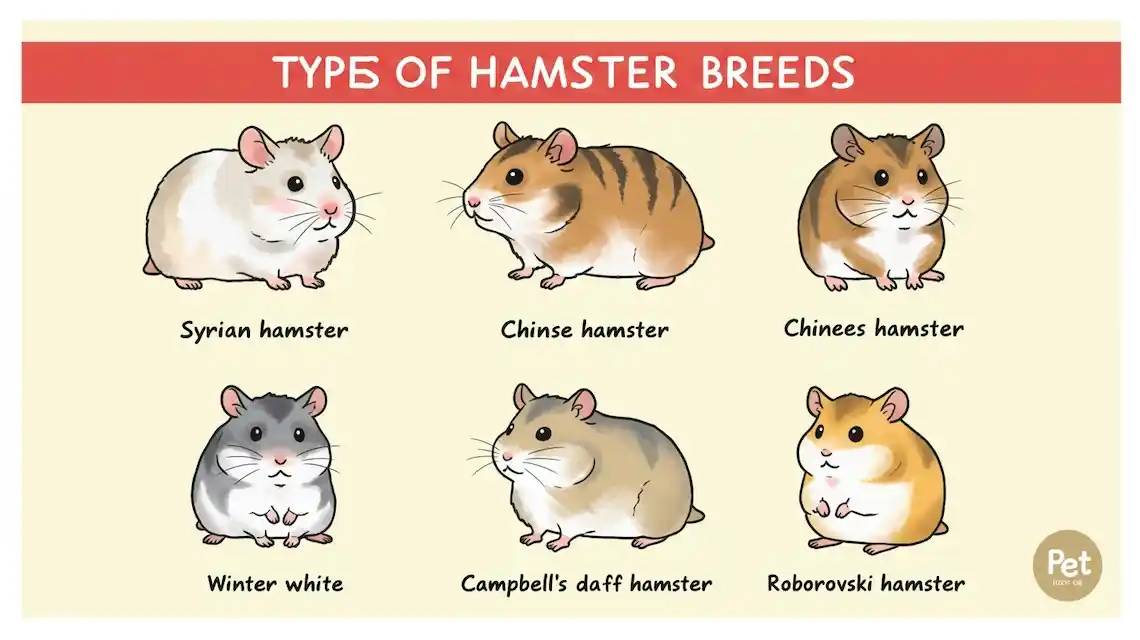
A cuddly hamster that climbs onto your hand, leans into gentle pets, and seems happy to hang out can make your day. If you want a small pet that enjoys people time, choosing the right breed matters.
This guide looks at the most affectionate hamster breed and why that quality counts for new owners. Friendly hamsters feel safer in small hands, handle daily care without stress, and bond faster. Many keepers find Syrians easiest to tame and the most relaxed with handling, thanks to their size and steady nature.
We’ll set clear expectations, since personality and early handling shape any hamster’s behavior. You’ll see how “affection” shows up in hamsters, like calm handling, soft grooming licks, slow blinking, and curious approaches. We’ll also compare Syrians with dwarfs, including Campbell’s, Winter White, Roborovski, and Chinese, so you understand the trade-offs.
By the end, you’ll know which breed tends to be the top pick for cuddles, how to handle gently for trust, and what signs show real comfort. You’ll get a quick breed rundown, simple bonding steps, a basic setup checklist, and tips to choose a hamster that fits your home. Let’s make it easy to pick a sweet, people-friendly buddy and start off on the right paw.
What Makes a Hamster Breed More Affectionate?
Affection in hamsters looks different than in a dog or cat. You are looking for calm behavior, soft curiosity, and a hamster that chooses to be near you. Breed traits, size, and early handling shape that response. This is why many owners call Syrians the most affectionate hamster breed. They tend to be steady, easy to handle, and quick to relax with patient care.
Temperament matters. Some breeds are naturally high energy and wary, like Roborovskis. Others, like Syrians, move slower and show clearer body language. Size plays a role too. A larger hamster is easier to support in your hands, so trust builds faster. Social needs also count. Syrians live alone, so your hands become a safe “friend” with good handling. Dwarf species can be social with their own kind, yet some stay more independent with people.
Affection grows with consistent, gentle contact from a young age. Pups handled well before 12 weeks often accept people more. Calm housing reduces fear. Give a spacious enclosure, deep bedding, hides, and a predictable routine. Avoid sudden grabs or loud rooms. Pair your scent with treats, and move slowly from side to side where they can see you.
A few factors make the biggest difference:
- Genetics and temperament: Some lines are calmer.
- Size and handling ease: Bigger bodies feel more secure in hands.
- Early socialization: Kind, short sessions build trust fast.
- Low-stress setup: Roomy cage, good sleep, and gentle sounds.
- Routine: Same time, same steps, same scent teaches safety.
Signs Your Hamster is Ready for Cuddles
A cuddle-ready hamster shows relaxed, open behavior. Look for slow, unhurried movement, soft whisker twitching, and a body that stretches rather than stiffens. Many will approach your hand, sniff, and step on with both front paws. Some give tiny grooming nibbles or a lick, which is a sweet sign of comfort. Calm hamsters accept pets along the cheeks or shoulders and do not nip when you lift them with full support.
Shy or less affectionate hamsters often freeze, dart away, or pancake flat. Roborovskis, for example, may pinball around and avoid contact.
Try these quick tips:
- Offer your hand after playtime, when energy dips.
- Hold still and let them choose contact.
- Pair gentle touches with a small treat so your scent means good things.

Comparing Popular Hamster Breeds for Affection Levels
If you want a people-friendly pet, breed traits matter. Here is how the main pet hamsters stack up for cuddles, calm handling, and bonding, so you can spot the most affectionate hamster breed for your home.
Syrian Hamsters: The Cuddly Solo Stars
Syrians are larger, easy to support, and usually calmer in the hand. That size gives them confidence, so they settle faster and show clearer signals. Their solitary nature also helps. Since they live alone, they rarely carry the cage-mate tension that can spill into handling. With steady, kind care, Syrians often seek your hand, sit for gentle cheek rubs, and learn simple tricks like stepping up, target touches, and short tunnels to your palm.
Many keepers call Syrians the most affectionate hamster breed because they pair curiosity with patience. Short taming sessions, consistent routines, and rewards build a strong bond. They enjoy training before peak night zoomies or after a play session when energy dips.
Give them a setup that keeps stress low:
- Spacious cage with at least 600 square inches of floor space
- Deep bedding for digging and hides for security
- Large wheel and chew toys to prevent boredom
Dwarf Hamsters: Speedy but Sometimes Shy
Dwarfs are tiny power in motion, sweet to watch and fun to train with care. Affection varies by species and handling.
- Campbell’s: Bold and curious, but can nip when overstimulated. A teen in our rescue learned to hand-feed a Campbell’s sunflower chips. The nips stopped once sessions stayed short and calm.
- Winter White: Often steady if raised well. My neighbor’s Winter White would climb into a hoodie pocket after a week of step-up practice, then snooze for a few minutes.
- Roborovski: Athletic and fast, more “look, don’t hold.” Robo fans enjoy target training and free-run playpens. Most prefer hands-off affection.
Some dwarfs can live in same-sex pairs, yet pair stress may spark nips. Their small size makes them harder to support, which can spook them. With daily, gentle handling, many become friendly, but they are less consistently cuddly than Syrians.
Chinese Hamsters: Elegant but Elusive Pets
Chinese hamsters have a slender, mouse-like body and a graceful way of moving. They are crepuscular to nocturnal, so you see the best behavior at dusk or night. With patient owners, they show moderate affection and can sit quietly in cupped hands. Still, they are rarer in pet stores, a bit skittish, and quick to slip away when startled. That makes them less ideal for a first-time owner who hopes for regular cuddles. Compared to Syrians, they require more patience, more quiet time, and a slower path to trust. For calm observers, they can be a rewarding match.
Why Syrian Hamsters Top the List as the Most Affectionate Breed
When people ask for the most affectionate hamster breed, Syrians lead for good reasons. They are calm by nature, larger in the hand, and easier to read. That mix makes them a top choice for families and first-time owners who want gentle, hands-on time.
Pet experts often point to a Syrian’s steady, docile personality. Bigger bodies feel more secure in your hands, so handling is less scary. This comfort lowers bite risk when you support them well and move slowly. Syrians also tame quickly with short, daily sessions and positive rewards. Many learn to step up, sit for cheek rubs, and relax during quiet cuddles.
Do Syrians enjoy human interaction? They show it with soft approaches, slow blinking, and tiny grooming licks. They choose contact once they feel safe. That choice is the heart of affection in small pets.
Let’s clear a common myth. People think all hamsters are loners that avoid people. Syrians are solitary with other hamsters, yet they often bond deeply with their person. With a predictable routine and a roomy, low-stress setup, they seek your hand and settle in. Owners love the calm, and the rhythm reduces stress for you too. A few peaceful minutes with a friendly Syrian can lower your shoulders and quiet your day.
In short, if you want the most affectionate hamster breed, pick a Syrian for calm handling, fast taming, and gentle, people-focused moments.
Tips to Build a Strong Bond with Your Syrian Hamster
Progress comes from calm, daily contact. Keep sessions short and sweet, then grow as trust builds.
- Handle gently every day, near their active hours. Support the body with two hands.
- Offer small treats during playtime. Use pea flakes, oats, or tiny seed bits.
- Add safe toys for interaction. Try tunnels, a target stick, or a foraging mat.
- Watch personality. Some Syrians love cheek rubs, others prefer hand sits.
- Never force affection. If they pull away, pause and try later.
Sample daily routine:
- Late afternoon check-in. Refresh water, scatter a few treats.
- Evening playpen time. Open palm, let them step up on their own.
- Two to five minutes of gentle handling. Keep voices soft, movements slow.
- End with a small reward, then return to the cage while they still feel calm.
Stay patient, stay consistent, and your Syrian will meet you halfway.
Choosing and Caring for Your Affectionate Hamster Companion
Set your Syrian up for calm, friendly behavior from day one. Good choices early on, paired with gentle daily care, help your hamster relax and seek contact. This is how you support the most affectionate hamster breed for long-term cuddles.
How to Choose a Healthy Syrian
Pick a confident, well-raised hamster from a trusted source. Look for:
- Bright eyes and clean nose with no crusts or clicking.
- Smooth coat with no bald patches or wet tail.
- Even breathing and steady movement.
- Curious, calm behavior when you offer a flat hand.
Ask about age, diet, and handling history. Ethical breeders and rescues share records and match you with a good fit.
Setup That Promotes Trust
A low-stress home helps your hamster feel safe and social.
- Cage size: At least 600 square inches of floor space.
- Bedding: Paper-based, 8 to 10 inches deep for burrowing.
- Wheel: 10 to 12 inches, solid surface.
- Hides: Two or more, plus a sand bath for grooming.
- Chews and foraging: Scatter feed to reduce boredom.
Place the enclosure in a quiet room with a steady day-night cycle.
Simple Diet Basics
Keep food balanced and steady.
- High quality pellet or lab block as the base.
- A measured seed mix a few times per week.
- Fresh greens and veggies in small amounts.
- Extra protein once or twice weekly, like mealworms or plain chicken.
- Fresh, clean water daily.
Skip sticky treats, citrus, chocolate, onion, and garlic.
Quick Weekly Health Checks
Do a gentle once-over to catch issues early.
- Weight and body shape.
- Teeth length and nail tips.
- Fur, skin, and scent gland.
- Ears, eyes, and bottom for discharge.
- Gait and breathing.
Log changes and call a small pet vet if anything seems off.
Common Mistakes to Avoid
- Tiny cages and wire wheels.
- Scented bedding and strong cleaners.
- Waking a sleeping hamster.
- Housing Syrians together.
- Rushing handling without choice and treats.
A Nudge to Adopt
Many rescues have sweet Syrians that want a calm home. With space, routine, and kind hands, your Syrian will show why this is the most affectionate hamster breed for real, lasting cuddles.
Conclusion
Syrian hamsters stand out as the most affectionate hamster breed for everyday handling, calm sit time, and easy reading of body language. Their larger size helps them feel secure in your hands, and a steady routine builds trust fast. With space, gentle training, and patient touches, they often choose contact and enjoy short cuddles.
An affectionate pet adds joy, and it also teaches care, patience, and responsibility. Syrians reward kind habits with soft approaches, tiny grooming licks, and relaxed time in your palm. If you want that bond, visit a reputable pet store or a local shelter, ask about handling history, and pick a confident, healthy hamster.
Ready to start? Set up a roomy enclosure, keep sessions short and calm, and use treats to make every touch a safe one. You will see progress week by week, and that daily rhythm will lift your mood too.
Share your experience in the comments. Which habits helped your hamster open up? If you found this guide useful, pass it on to a friend choosing their first small pet. Here is to finding the most affectionate hamster breed for your home, and to many quiet, happy moments together.
Related post: How Do Chameleon Change Color?
FAQ:
Which hamster breed is the most affectionate?
Syrian hamsters are usually the most affectionate. They’re larger, slower, and easier to handle. With patient taming, many enjoy gentle handling and will seek your hand.
Are dwarf hamsters affectionate too?
Some are, but it varies. Winter White and Campbell’s can tame well. Roborovski hamsters are quick and skittish, so they rarely enjoy handling. Chinese hamsters can bond but often stay shy.
Do hamsters like to cuddle?
Not for long. Many Syrians will sit in your hand or hoodie pocket for short periods. Keep sessions brief, warm, and calm.
Male or female, which is calmer?
In Syrians, males are often calmer and less scent-marky. Females can be more active and vocal. Personal temperament still matters more than sex.
How do hamsters show affection?
They climb onto your hand, groom near you, relax their body, and take treats from you. A curious hamster that approaches you is showing trust.
How long does taming usually take?
Plan on 2 to 4 weeks of daily, short sessions. Go at their pace. Use treats, speak softly, and let them come to you.
What’s the best age to adopt for bonding?
Six to eight weeks is ideal. Young hamsters tend to adapt faster. Older hamsters can still bond with steady, gentle handling.
What handling mistakes hurt bonding?
Grabbing from above, waking during the day, loud rooms, and rushed sessions. Scoop with two hands, offer treats, and let them step up.
Do hamsters bond with one person?
Often, yes. They learn your scent and routine. They may tolerate others, but they usually trust the main caretaker most.
Are Syrians better for kids?
Usually yes, due to size and calm handling. Still, adults should supervise. Teach slow, gentle movements and short sessions.
Can I keep two affectionate hamsters together?
No for Syrians, they must live alone. Dwarf pairs often fight as they mature. House all pet hamsters alone to prevent injury.
Does cage size affect affection?
Yes. A larger, enriched habitat lowers stress, which improves temperament. Aim for a spacious cage, a safe wheel, deep bedding, and daily enrichment.
What time of day should I handle them?
Evening is best. Hamsters are crepuscular or nocturnal. Let them fully wake up before handling.
Do affectionate hamsters ever bite?
Any hamster can bite if scared or in pain. Learn stress signals, such as ears pinned back, hissing, and teeth chattering. Rule out health issues if biting starts.
Which signals mean my hamster trusts me?
They take treats from your fingers, climb into your hand, explore your lap, and show loose, steady breathing around you.
What if my hamster stays shy?
Slow down and shorten sessions. Hand-feed high value treats. Try a bonding bin with few distractions. Be consistent daily. Some individuals stay reserved, and that’s okay.
 Dog Trick Training for Beginners
  Gingivitis Cats Symptoms Every Pet Parent Should Know
  How to Make Dog Cookies at Home
  Wet Food or Dry Food for Cats?
  What Is the Healthiest Hamster Breed for Your Home?
  Cat Food Intolerance Symptoms: How To Spot Them Early