

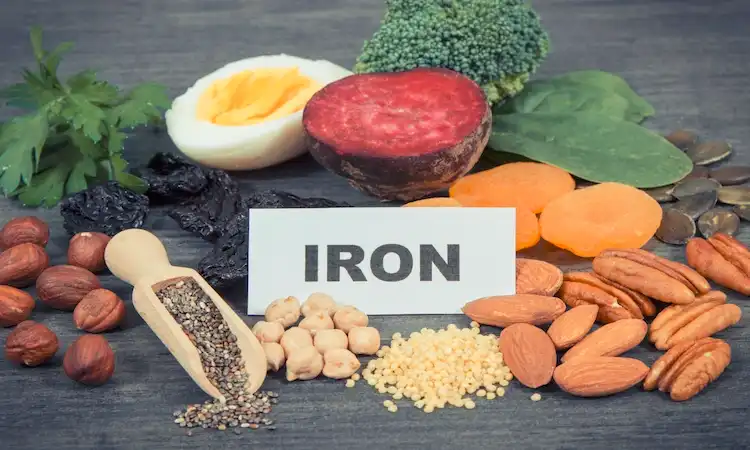
You’re tired, your nails feel weak, and your labs keep showing low iron. So you do the “right” thing, you eat more iron-rich foods or start a supplement. Then… nothing changes. It can feel like pouring water into a cup with a tiny crack.
Here’s the missing piece: iron is picky. Your body can only absorb so much at once, and what you eat, drink, or swallow alongside it can shrink that amount even more. That’s where mineral interactions and a few common habits (like coffee with breakfast) can quietly get in the way.
This guide breaks it down in plain language: the difference between heme and non-heme iron, which minerals compete with iron (especially calcium, zinc, and copper), how tea and coffee affect absorption, and simple timing plans you can actually follow without living on a stopwatch.
Start with the basics: which iron you eat changes what gets absorbed
Iron shows up in food in two main forms, and they don’t behave the same. If you’ve been focused on “getting enough iron” but not on the type, that alone can explain why your numbers won’t budge.
The first type is heme iron, found in animal foods. Your body tends to absorb it more easily because it comes packaged in a form that’s simpler to take in.
The second type is non-heme iron, found in plant foods and many fortified foods. It’s still valuable, but it’s more sensitive to what else is in your meal. Certain minerals, fiber patterns, and drinks can lower how much you absorb, even when the label says you’re getting plenty.
Absorption also isn’t fixed. If your iron stores are low (often measured by ferritin), your body usually tries to absorb more. If stores are solid, it absorbs less. That’s normal, and it’s part of why two people can eat the same meal and absorb different amounts. For a deeper look at factors that influence absorption, see this overview on iron absorption limits and enhancers.
A practical takeaway for mixed meals: with heme vs non-heme iron, you don’t need perfection, you need smart pairings. Plant iron does best when you add a “booster” and avoid stacking it with the biggest blockers at the same time.
Heme vs non-heme iron, explained without the science headache
Heme iron comes from animal sources, such as:
- Beef and lamb
- Chicken and turkey
- Fish and shellfish
Non-heme iron comes from plant foods and many fortified products, such as:
- Beans and lentils
- Tofu and tempeh
- Spinach and other greens
- Iron-fortified cereals and breads
If you rely mostly on plant sources, don’t panic. It just means timing and pairing matter more. A bowl of lentils can be a great iron choice, but lentils plus black tea at the same meal is not the same as lentils plus citrus.
The easiest “upgrade” for plant iron: add vitamin C
Vitamin C helps your body absorb non-heme iron by keeping it in a form that’s easier to take in. You don’t need mega-doses or special powders. A normal serving of a vitamin C food at the same meal can help.
Easy pairings that don’t feel like a nutrition project:
- Beans or chili with salsa, tomatoes, or bell peppers
- Oatmeal with strawberries, kiwi, or orange slices
- Spinach or tofu with lemon juice on top
- Lentil soup with a side of fruit
If you want a simple rule, think “plant iron plus color.” A fruit, a handful of peppers, or a squeeze of citrus is often enough to create a helpful vitamin C iron combo without changing your whole diet.
The main mineral interactions that can block iron, and how to time them
Minerals can compete for absorption because they share pathways in the gut, especially when you take higher doses in supplements. Food amounts are usually less dramatic, but timing still matters if you’re trying to correct low iron.
The goal isn’t to avoid other minerals. You need calcium for bones, zinc for immune function, copper for normal blood health, and magnesium for muscle and nerve function. The trick is spacing higher-dose sources so iron gets a clear lane.
A simple timing window works for most people: separate iron from competing mineral supplements by about 2 hours when you can. If that sounds hard, remember you’re not trying to space every bite of food. You’re mainly spacing the heavy hitters: supplements, fortified drinks, and very high-calcium meals.
If you take a multi-mineral that contains calcium, magnesium, and zinc, it may be convenient, but it can be a bad match with iron taken at the same time. A food composition review of mineral competition is summarized in this review of iron, zinc, and calcium absorption factors.
Calcium and iron timing: the most common mix-up
Calcium is the classic iron “traffic jam.” When calcium and iron show up together in large amounts, your body may absorb less iron from that dose or meal. This tends to matter most when:
- You take a calcium supplement with an iron supplement
- You take iron with a high-calcium meal
- You pair iron with calcium-fortified drinks (some plant milks, fortified juices)
Clear examples of “high calcium at the same time”:
- Iron pill with a glass of milk
- Yogurt with iron-fortified cereal
- Calcium chew taken alongside an iron tablet
A practical fix is simple: keep a 2-hour gap when possible. Many people do iron in the morning and calcium at lunch or bedtime, or the other way around if iron upsets their stomach.
If you’re trying to remember one phrase, make it calcium iron timing. The habit matters more than the occasional overlap.
Zinc, copper, and iron: when “more” is not better
Zinc is popular during cold season, and it can be helpful in the right dose and time frame. The problem is long-term high-dose zinc can reduce copper absorption. Copper is involved in normal iron transport and red blood cell health, so pushing zinc too hard for too long can backfire.
You don’t need to memorize numbers to get this right. Think in terms of balance:
- Avoid long-term high-dose zinc unless a clinician recommends it.
- Choose a balanced multivitamin rather than stacking separate zinc products daily.
- Don’t take separate zinc and iron supplements together unless you’ve been told to.
This idea is sometimes described as a zinc copper ratio, but you don’t need a “perfect” ratio. You need to avoid extremes.
A common real-life scenario: you’re using zinc lozenges, taking a daily multi, and adding iron for low ferritin. If you pile these into the same morning window, you increase the chance of competition and stomach upset. Spread them out across the day instead.
Food and drink blockers: what to avoid around iron (and what’s fine)
Some of the biggest iron blockers aren’t “bad foods.” They’re normal parts of life. The issue is timing, especially when you’re relying on non-heme iron or taking an iron pill.
Tea and coffee contain compounds (tannins and polyphenols) that can reduce iron absorption from a meal, with a stronger effect on non-heme iron. You don’t need to quit your morning coffee forever. You just need to stop letting it sit right on top of your iron.
Research on this topic often shows patterns between frequent tea or coffee intake and iron status in some groups. If you like reading the data, this paper on coffee and green tea intake and iron deficiency anemia gives useful context.
Other factors can also reduce absorption when paired closely with iron:
- Very high-bran, high-fiber cereal right with an iron pill
- Cocoa or high-polyphenol foods right at iron time
- Meals that combine several fortified products (iron plus calcium plus zinc)
If you want a quick mental “traffic light” without turning meals into math:
- Green (best near iron): vitamin C foods, citrus, peppers, berries, tomatoes
- Yellow (fine with spacing): coffee and tea, cocoa, high-fiber choices
- Red (most likely to interfere when paired): iron supplement with a latte, iron with calcium chews, iron with a dairy-heavy breakfast
That’s the heart of tea coffee iron timing: it’s rarely about never, it’s about when.
Coffee and tea do not ruin iron forever, but timing is key
For most people, a workable rule is: wait about 1 to 2 hours after an iron supplement or iron-rich meal before having coffee or tea. If you’re a “coffee first” person, flip it. Have coffee early, then plan iron later.
Near iron time, the simplest drinks are your friend:
- Water
- Citrus water
- A small glass of orange juice (if it fits your diet)
This matters most if your iron stores are low, if you’re pregnant, or if most of your iron comes from plants. If your iron status is normal and you eat mixed meals with heme iron, the effect may be less noticeable.
If you also take supplements in the morning, it’s helpful to understand why coffee and pills can clash. This overview on taking vitamins with coffee explains common timing issues in simple terms.
A few other sneaky blockers (plus what people get wrong about them)
Bran-heavy meals can bind minerals in the gut, which is one reason iron-fortified bran cereal plus coffee can be a rough combo for low iron. You don’t need to fear fiber, but you may not want your highest-fiber meal to be your iron supplement meal.
Cocoa and some very polyphenol-rich foods can also reduce absorption when they sit right next to iron. Again, timing fixes most of it.
One common myth is that spinach is a “perfect iron food.” Spinach is healthy, but its non-heme iron is harder to absorb because it comes with natural compounds that can bind minerals. That doesn’t make spinach pointless, it just means pairing matters (spinach plus lemon beats spinach alone). For a balanced take on these natural compounds, see Harvard’s explainer on anti-nutrients in common foods.
Put it all together: simple schedules for meals and supplements
You don’t need a rigid plan. You need a routine you can repeat most days.
Here are three templates that work in real life.
1) If you take an iron supplement Take iron with water, and consider a small snack if your stomach gets upset (fruit is a common choice). Keep it away from calcium and coffee.
- Morning: iron plus fruit (or iron plus breakfast if you tolerate it, but skip dairy)
- Mid-morning: coffee or tea
- Evening: calcium or multi-mineral if needed
2) If you’re focusing on iron from food Build one “iron-friendly” meal daily.
- Lunch: lentil bowl with peppers or citrus dressing
- Drink: water or citrus water
- Coffee or tea: later in the afternoon
3) If you take calcium or a multi-mineral Separate the “mineral stack” from iron.
- Morning: iron (or iron-rich breakfast without dairy)
- Afternoon: coffee or tea
- Bedtime: calcium and magnesium (many people like this for sleep), which also supports magnesium calcium balance without crowding morning iron
A quick checklist you can screenshot:
- Aim for a 2-hour gap between iron and calcium supplements.
- Keep coffee or tea 1 to 2 hours away from iron.
- Pair non-heme iron with a vitamin C food.
- Be cautious with long-term high-dose zinc, and don’t stack zinc and iron together unless advised.
- If your iron is slow-release or enteric-coated, follow your clinician’s guidance because absorption can differ, and some forms are chosen for tolerance.
Conclusion
Low iron can feel confusing because it’s not only about how much you take, it’s about what your body can actually absorb. The good news is that mineral interactions are usually manageable with a few timing changes.
Focus on three habits: choose iron sources that fit your diet (including some heme iron if you eat animal foods), pair plant iron with vitamin C, and separate iron from calcium and high-dose multi-mineral combos. Keep coffee and tea, just don’t park them on top of your iron.
If symptoms keep going or labs stay low, ask a clinician about ferritin and full iron studies, and discuss common causes like heavy periods, low intake, or GI issues. Even small tweaks can build real progress, and your next lab results can show it, backed by nutrient science.

Gas S. is a health writer who covers metabolic health, longevity science, and functional physiology. He breaks down research into clear, usable takeaways for long-term health and recovery. His work focuses on how the body works, progress tracking, and changes you can stick with. Every article is reviewed independently for accuracy and readability.
- Medical Disclaimer: This content is for education only. It doesn’t diagnose, treat, or replace medical care from a licensed professional. Read our full Medical Disclaimer here.