
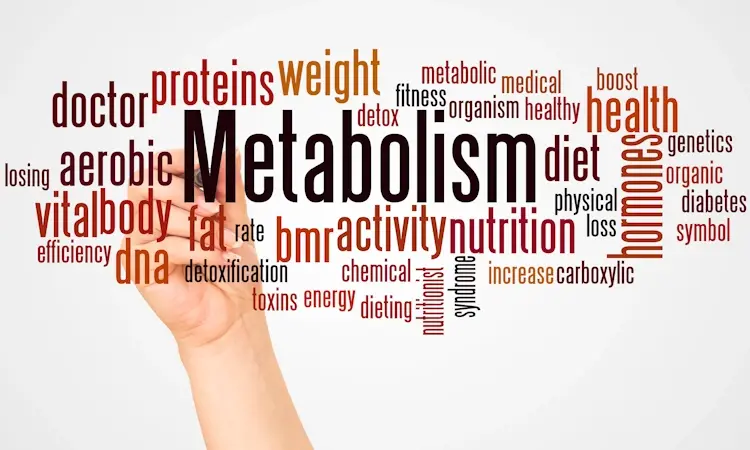
You start a diet and the first week feels like magic. The scale drops fast. Your jeans loosen. Then, out of nowhere, progress slows. You’re hungrier, a little crankier, and workouts feel heavier than they did two weeks ago. It’s tempting to think, “My metabolism is broken.”
Here’s the simple answer: yes, metabolism can slow down when dieting, but it’s usually a mix of normal weight-loss math and your body adapting to lower fuel. In other words, part of the “slowdown” is expected because you’re smaller, and part can happen because your body tries to save energy while you’re in a deficit.
Weight Loss Programs

Diet & Weight Loss

Diet & Weight Loss

Diet & Weight Loss

Diet & Weight Loss
This post breaks it into three clear parts: what “metabolism” means in real life, why your calorie burn drops during a diet (including the sneaky role of NEAT), and what you can do to limit the slowdown so fat loss keeps moving without crash dieting.
What “metabolism” really means during a diet (and what it does not)
Most people use “metabolism” as a single number, like a thermostat set too low. In real life, it’s more like your total daily budget. Some spending is automatic, some depends on how active you are, and some changes with your choices.
When someone says their metabolism slow down when dieting, they usually mean their daily calorie burn feels lower than it used to. That daily burn is often called total daily energy expenditure (TDEE). Think of TDEE as the total “fuel bill” your body racks up in a day.
TDEE has a few main parts:
- Your resting burn (energy used to keep you alive, even lying still).
- Your movement (everything from steps to chores).
- Your workouts (if you do them).
- Digestion (it takes energy to process food).
A simple example helps. Imagine two days with the same meals. On Day A, you walk 9,000 steps, do laundry, and stand a lot. On Day B, you hit 3,000 steps, sit more, and skip errands because you feel tired. Even if you do the same gym session, Day B can burn a lot less.
Before the details, it’s worth saying this clearly: a “slower metabolism” is not a character flaw. It’s often your body responding predictably to less food and less body mass.
For a solid, plain-English explanation of how calorie burn works, see Mayo Clinic’s overview of metabolism and weight loss.
Your daily calorie burn has a few main parts
Here’s total daily energy expenditure explained in the simplest way: you burn calories at rest, you burn calories through movement, and you burn a smaller amount digesting food.
This quick table shows how the pieces fit together.
| Part of TDEE | What it includes | What changes during a diet |
|---|---|---|
| Resting metabolic rate (RMR) | Breathing, circulation, organ function | Often drops as you lose weight, may dip extra |
| NEAT (daily movement) | Steps, chores, fidgeting, standing | Commonly drops without you noticing |
| Planned exercise | Gym sessions, runs, classes | May stay steady, but can feel harder |
| Thermic effect of food | Energy to digest meals | Often drops when you eat less |
The big takeaway: many plateaus aren’t “metabolism damage.” They’re a quiet drop in daily movement plus a smaller body that needs less fuel.
BMR vs RMR: why the difference is small, but the idea matters
You’ll see both BMR and RMR online. The BMR vs RMR difference is mostly about testing conditions. BMR is measured under stricter, more “perfect” lab rules (fully rested, fasting, very controlled). RMR is measured in more typical resting conditions.
For most people, the numbers are close enough that the practical message stays the same: both estimate your resting burn. And most real-world “metabolism slowdown” talk is about resting burn plus less movement during the day, not some mysterious switch flipping off.
If you want a quick breakdown of the terms, here’s WebMD’s explanation of BMR vs RMR.
So, does metabolism slow down when dieting? Yes, and here is why
Your calorie burn can drop for two main reasons. First, you weigh less, so daily life costs less energy. Second, your body often adapts to the deficit by subtly pushing you to conserve energy. Both can happen at the same time, which is why stalls feel personal when they’re actually predictable.
There’s also a timing issue that confuses people. The first week or two of a diet often shows fast scale loss because you drop water weight and stored carbs. After that, the trend slows to a more realistic rate of fat loss. That shift can feel like something “broke,” even when you’re still losing fat.
A plateau is often a math problem plus a behavior change you didn’t notice yet, not a broken body.
Let’s make the two main reasons concrete.
Reason one: a smaller body burns fewer calories
A lighter body is cheaper to run. That’s it. Your heart works a bit less to pump blood. Moving your body through space takes less effort. Even standing and walking cost less fuel.
Picture carrying a backpack. If you take 20 pounds out of it, the same walk feels easier because it is easier. Your body works the same way. As a result, your maintenance calories go down as your weight drops.
This is why calorie needs shift during a cut. It’s also why “I’m eating what used to work” can stop working after you’ve lost weight. Nothing is damaged. Your new body size just has a new baseline.
Reason two: your body quietly saves energy (adaptive thermogenesis)
The second reason is what most people mean when they worry about a slowdown: adaptive thermogenesis. In plain language, when food stays lower for a while, your body often gets more efficient. It may nudge your resting burn down a bit, increase hunger, and make you feel less driven to move.
You might notice:
- You feel colder than usual.
- Your workouts feel harder at the same weights.
- Recovery seems slower.
- Hunger feels louder, even with “clean” eating.
An RMR drop during cut is more likely when the deficit is aggressive, stress is high, sleep is short, and the diet drags on without breaks. The size of the effect is usually modest but real for most people, and it varies a lot by person.
If you want a research-focused summary of how big adaptive thermogenesis can be after moderate weight loss, see this PubMed overview.
NEAT is the sneaky one: you move less without realizing it
NEAT stands for non-exercise activity thermogenesis. That’s a long phrase for everyday movement that isn’t a workout: steps, errands, cleaning, pacing on phone calls, even fidgeting.
A NEAT decrease during dieting is common because your body tries to conserve energy. You don’t “choose” it most of the time. It just happens. You sit longer. You park closer. You stop taking the long way around Target. You hit the couch after work instead of knocking out chores.
For some people, this drop is small. For others, it’s the whole plateau. That’s why two people eating the same calories can see very different results during a diet.
If you want a clinician-friendly explanation of NEAT and why it matters, the Obesity Medicine Association’s guide to NEAT lays it out clearly.
How to limit the slowdown and keep losing fat without crash dieting
If your progress stalled, the fix usually isn’t “eat way less.” That approach often backfires by making fatigue worse and NEAT even lower. Instead, aim for a plan you can repeat, week after week, without feeling like your body is fighting you every day.
Start with a moderate calorie deficit. Many people do better with a smaller cut they can stick to than a big cut they can’t. Next, protect muscle with protein and strength training. Then, treat steps like part of the plan, not a bonus.
Sleep and stress matter too. Poor sleep can ramp up hunger and lower daily activity. High stress can do the same, plus it can make comfort eating harder to control.
Finally, be honest about diet fatigue. If you’ve been pushing hard for months, a planned maintenance phase can help you regain energy and training quality.
When people talk about how to increase metabolism after dieting, what they really mean is reversing the adaptations: eat at maintenance for a bit, train consistently, and let daily movement come back up. It’s not magic, it’s recovery.
For a practical overview of reverse dieting and what it can and can’t do, see Verywell Health’s explanation of reverse dieting.
Protect muscle, because it helps protect your resting burn
Muscle isn’t the only driver of metabolism, but it matters. Keeping muscle supports your resting burn and usually makes you look leaner at the same scale weight.
Two basics help most:
First, lift weights (or do resistance training) consistently. You don’t need a perfect program, but you do need progressive effort. Think squats, presses, rows, hinges, and loaded carries.
Second, prioritize protein. A simple approach is to aim for 25 to 40 grams of protein per meal, depending on your body size and preferences. Protein helps with fullness, and it gives your body the building blocks to keep muscle while you diet.
If you’re mostly doing cardio and cutting hard, you’re more likely to lose muscle, and that can make your resting metabolic rate after weight loss lower than it needs to be.
Make your plan “stall-proof” with steps, sleep, and smart diet breaks
Steps are the easiest way to protect NEAT. Pick a range you can hit most days and treat it like an appointment. Many people do well with 7,000 to 10,000 steps a day, but your best target is the one you can repeat.
Sleep is the other big lever. Try for a steady schedule and a realistic wind-down routine. Even 30 more minutes can help hunger and mood.
Diet breaks can also help when fatigue builds. A diet break is not a free-for-all. It’s a planned stretch (often 7 to 14 days) of eating around maintenance with the same food structure. People often find that training improves, steps rise, and cravings calm down. After that, the next fat-loss phase feels less punishing.
Be cautious with overly low calories, especially for long stretches. If you’re dizzy, constantly exhausted, losing hair, or feeling obsessed with food, the plan is too aggressive.
Here’s a simple 2-week checklist to reset momentum:
- Track steps daily and raise your average by 1,000 to 2,000 if it’s fallen.
- Hit protein at each meal (use the 25 to 40 grams guideline).
- Lift 2 to 4 times per week, focusing on steady progression.
- Keep the deficit moderate, not extreme, and tighten consistency before cutting more.
- Get consistent sleep (same wake time most days).
Conclusion
So, does metabolism slow down when dieting? Yes. Part of it is normal because a smaller body burns fewer calories. Another part is adaptation, often shown as a small dip in resting burn and a bigger drop in movement, especially through lower NEAT. The good news is that most stalls are fixable.
Focus on a moderate deficit, strength training, enough protein, and consistent steps. Then support recovery with better sleep and, when needed, a planned maintenance break. For your next step, track steps for a week, tighten up protein, and only adjust calories after you check movement and consistency.
If tiredness gets intense, like dizziness, missed periods, fainting, or chest pain, pause losing weight and talk to a clinician before continuing. Also, if you have a past eating disorder, get medical guidance first.

The content provided on tokeepyoufit.com is intended for general informational and educational purposes only. All materials on this site, including articles, recipes, tips, guides, opinions, and product recommendations, are not a substitute for professional advice from a qualified medical, nutrition, or fitness expert. Users should consult a licensed professional before making any decisions related to health, diet, or exercise. Please read our full Medical Disclaimer here.
Dietary Supplements

Dietary Supplements
Cardio Slim Tea – Daily Support for Heart Health and Weight Management

Dietary Supplements

Dietary Supplements
Dietary Supplements
Neuro-Thrive – Daily Brain Support for Focus and Cognitive Clarity