

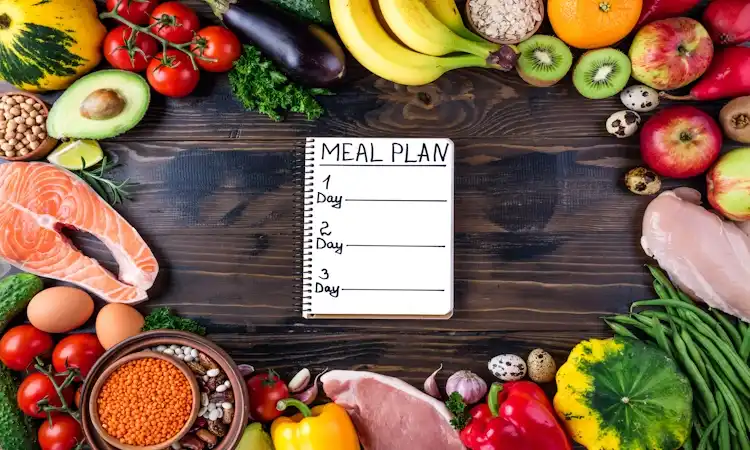
Ever notice how some days you feel great on lighter meals, while other days your body begs for carbs? That push and pull is normal. Metabolic flexibility meal plan ideas are built around that reality, because your body can run on carbs or fat depending on what you ask it to do.
A “carb day” is a planned day where you eat more carbohydrates than usual, often around harder training. It’s not a free-for-all, and it’s not a cheat day. Instead, it’s a tool to support energy, workouts, mood, and long-term consistency.
In this post, you’ll get a simple carb-day template, two sample menus (training day and lighter day), and practical tips to avoid cravings. You’ll also see who should be cautious before trying carb cycling.
What a carb day does in a metabolic flexibility meal plan
A carb day works a bit like topping off your gas tank before a road trip. If you’re lifting heavy, running longer, or simply dragging through the week, carbs can help you show up with more “go.” Within a metabolic flexibility meal plan, carb days create a rhythm: lower-carb days teach your body to rely more on fat at rest, while higher-carb days support higher output when demand goes up.
Carb days can also make a plan easier to stick to. When you know a higher-carb day is coming, low-carb days feel less like punishment. That psychological relief matters, especially if you’ve been stuck in an all-or-nothing pattern.
There’s also a performance angle. Carbs refill glycogen, the stored form of glucose in muscle. Glycogen is your body’s fast-access fuel for hard sessions. When glycogen stays low for too long, workouts can feel flat, recovery slows, and cravings can spike at night.
Carb days don’t need to be huge. For many people, the win comes from a moderate bump in carbs with protein staying steady. Calories may go up slightly, or they may stay close to normal if you bring fat down a bit that day.
Finally, a smart carb day helps you practice flexibility in real life. Birthdays, travel, or a team dinner will happen. Learning how to “eat more carbs on purpose” can keep you calm and consistent.
Refeed day meaning, and how it supports training and recovery
If you’ve heard the term refeed day, it usually refers to a planned increase in calories, mostly from carbs, after a stretch of dieting. The refeed day meaning gets twisted online, so let’s make it plain: a refeed is structured, not chaotic. A binge is impulsive, secretive, and leaves you feeling out of control.
On a refeed-style carb day, you’re mainly refilling muscle glycogen. That can lead to better training output and a stronger “pop” in your workouts. It can also support recovery because hard sessions draw heavily on glycogen.
Common signs you may benefit include:
- Your lifts feel “flat” for more than a week.
- You feel unusually irritable or low for no clear reason.
- Hunger stays high even with adequate protein.
- Sleep worsens on low-carb streaks.
For a deeper explanation of how refeeds work in practice, see Working Against Gravity’s guide to refeed days.
A good carb day should feel planned and boring in a good way. When it feels like a food free-for-all, it’s usually not a carb day anymore.
Fat adaptation vs flexibility, why carb days do not reset your progress
People often mix up fat adaptation vs flexibility. Fat adaptation is about getting better at burning fat, especially during easier efforts and daily life. Flexibility is broader: it’s the ability to switch fuels when needed, without drama.
So no, carb days don’t “erase” your progress. In a metabolic flexibility meal plan, the goal is not to fear carbs. It’s to use them with intention.
Myth vs fact: Myth, one higher-carb day kicks you back to day one. Fact, your body adjusts fuel use based on what you eat and what you do, and a planned carb increase can fit into a week without derailing fat loss or health goals.
How to plan your carb days, timing, portions, and a simple weekly schedule
Planning matters because carb days work best when they match your training and your life. Think of carbs like a flashlight. You’ll get more value using it where it’s dark, not shining it at noon. With a metabolic flexibility meal plan, “where it’s dark” usually means hard workouts, long sessions, and the days you need your best focus.
Start with one decision: how many carb days per week can you repeat. After that, pick which days get the carbs. Most people do best placing them on the toughest training day, or the day before.
Here’s a beginner-friendly low carb high carb schedule you can use right away. This table shows options, not rules.
| Goal and training week | Carb-day frequency | Best placement | Why it works |
|---|---|---|---|
| Fat loss, 3 to 4 workouts | 1 day per week | Leg day or longest session | Supports performance without daily high carbs |
| Strength focus, higher volume | 2 days per week | Heavy lower, heavy full-body | Helps training quality and recovery |
| Endurance build (runs, rides) | 2 to 3 days per week | Long run, tempo, intervals | Fuels sessions that rely more on glycogen |
The takeaway: pick the smallest effective dose, then adjust based on results.
One more note: if you’ve heard the “metabolic confusion diet vs carb cycling” debate, here’s the practical difference. Carb cycling is structured and tied to output. Metabolic confusion is often vague. If you can’t explain your plan on a sticky note, simplify it.
Carb cycling for beginners, pick a schedule you can repeat
For carb cycling for beginners, the best schedule is the one you’ll follow when work gets messy. Aim for boring consistency first, then refine.
Three simple options:
- 1 carb day weekly: Place it on your hardest lift day, long run day, or the day before.
- 2 carb days weekly: Put them on your two toughest sessions (often lower body and long endurance).
- “Weekend carb day”: If weekdays are stressful, choose Saturday as your higher-carb day and keep Sunday moderate.
Because life isn’t a lab, don’t chase perfect timing. Track performance, hunger, and mood for two weeks, then fine-tune.
If you want a research-focused look at periodized carbs and flexibility, skim this Frontiers paper on periodized carbohydrate intake and metabolic flexibility.
Endurance vs strength nutrition, where carbs matter most
Endurance vs strength nutrition can look similar on paper, yet feel different in your body. Endurance sessions often demand more steady carbs, especially as the session passes 60 to 90 minutes. Strength training can vary more, depending on volume, rest times, and intensity.
A simple rule of thumb:
- Long or fast endurance: prioritize carbs before and after.
- High-volume lifting: carbs help you push reps and recover.
- Low-volume, heavy lifting: carbs still help, but you may need fewer.
Mini examples:
- Runner: If your long run is Saturday, make Friday dinner and Saturday breakfast higher carb, then refill again after.
- Lifter: If you squat heavy Tuesday, make Tuesday a carb day, then go moderate Wednesday.
For extra context on why runners often need more carbs, see USU Extension’s guide to carbohydrates for endurance runners.
Carb day meal plan templates, foods to choose, and sample day menus
On carb days, keep protein steady, raise carbs, and keep fats moderate to lower, because high fat plus high carb can overshoot calories fast. Within a metabolic flexibility meal plan, that one swap (more carbs, a bit less fat) often makes carb days feel clean instead of slippery.
You don’t need perfect macros. You need repeatable meals that digest well, keep cravings down, and fit your schedule. Below are two sample carb-day menus using normal grocery store foods.
Sample carb-day menu (hard training day)
- Breakfast: Greek yogurt bowl with berries, oats, and a drizzle of honey, plus a pinch of salt in water or coffee.
- Lunch: Chicken rice bowl (chicken, white or brown rice, black beans, salsa, lettuce), fruit on the side.
- Pre-workout snack (60 to 90 minutes before): Banana plus a protein shake, or toast with jam and a side of cottage cheese.
- Dinner: Salmon or lean steak, roasted potatoes, big salad with a light dressing.
- Evening option if hungry: Cereal with milk, or a smoothie (milk, frozen fruit, whey, cinnamon).
Sample carb-day menu (rest or lighter day)
- Breakfast: Scrambled eggs plus sourdough toast, fruit on the side.
- Lunch: Turkey sandwich on whole-grain bread, veggie soup, and an apple.
- Snack: Cottage cheese with pineapple, or edamame and grapes.
- Dinner: Shrimp tacos (corn tortillas, slaw, pico), side of beans or rice.
- Dessert planned on purpose: A couple of cookies, or a small serving of ice cream, paired with a protein-forward snack earlier.
The big idea stays the same: carbs go up, protein stays consistent, fats don’t climb at the same time. That’s how a metabolic flexibility meal plan stays controlled while still feeling generous.
Build your plate on carb days, simple macro guide without counting
Use your hands as rough portions. It isn’t perfect, but it’s consistent.
At each meal:
- Protein: 1 to 2 palms (chicken, fish, lean beef, eggs, tofu, Greek yogurt).
- Carbs: 1 to 3 cupped hands (rice, potatoes, oats, fruit, beans, tortillas).
- Veggies: 1 to 2 fists (salad, broccoli, peppers, carrots).
- Fats: 1 thumb (olive oil, avocado, nuts, cheese), smaller than on low-carb days.
If you train hard, put more carbs at breakfast and lunch, or around the workout window. On a lighter day, distribute carbs evenly to avoid a sleepy afternoon.
Fiber and water matter more on carb days. When carbs rise, your body stores more glycogen, and glycogen pulls water with it. That’s why the scale can jump overnight. It’s not instant fat gain.
If your stomach feels tight on carb days, don’t cut carbs first. First, add water, salt, and fiber slowly, and keep meals simple.
Best carbs for carb days, plus common mistakes that cause cravings
“Best” usually means foods you digest well and can portion easily. Most people do well with:
Rice, potatoes, oats, fruit, beans, lentils, whole-grain bread, pasta, quinoa, yogurt, and cereal that’s not loaded with fat. You can also include fun foods on purpose, especially after training, as long as you keep the rest of the day structured.
A helpful reference on how carb cycling is typically set up is BodySpec’s overview of carb cycling.
Cravings often come from a few predictable mistakes:
Too little protein is a big one. If breakfast is mostly carbs, hunger hits early. Another common issue is stacking high fat with high carb (pizza plus wings plus dessert). That combo can be easy to overeat because it’s calorie-dense.
Skipping veggies can also backfire. Veggies add volume, crunch, and fiber, which helps you feel satisfied. Finally, avoid the whiplash pattern: going extremely low carb the day after a carb day, then feeling deprived and over-correcting at night. In a metabolic flexibility meal plan, the day after is usually moderate, not extreme.
Conclusion
Carb days work best when you treat them like a tool, not a reward. In a metabolic flexibility meal plan, the goal is simple: keep protein steady, place higher carbs near harder training, and plan portions so the day stays calm. Start with one carb day per week for two weeks, then track energy, hunger, sleep, and workout quality. After that, adjust the schedule, not your willpower.
If you have diabetes, you’re pregnant, have a past eating disorder, or take glucose-lowering meds, check with a clinician before trying carb cycling or any metabolic eating plan. When you use metabolic flexibility meal plan strategies with structure, carb days can support performance and consistency without the guilt spiral.

Gas S. is a health writer who covers metabolic health, longevity science, and functional physiology. He breaks down research into clear, usable takeaways for long-term health and recovery. His work focuses on how the body works, progress tracking, and changes you can stick with. Every article is reviewed independently for accuracy and readability.
- Medical Disclaimer: This content is for education only. It doesn’t diagnose, treat, or replace medical care from a licensed professional. Read our full Medical Disclaimer here.