

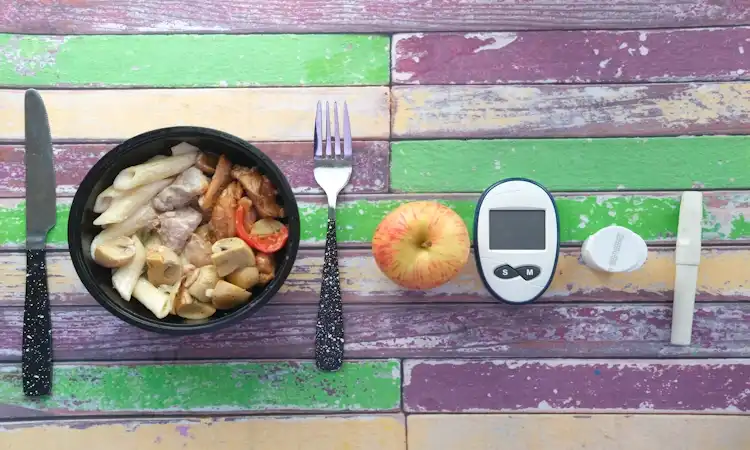
If your energy feels like a roller coaster, your cravings hit hard in the afternoon, or your labs are creeping up, insulin resistance may be part of the story. In plain terms, insulin resistance means your cells don’t “listen” well to insulin, so glucose stays higher in the blood and your body often makes more insulin to compensate.
In this article, metabolic eating means eating in a way that steadies blood sugar, supports muscle, and avoids big insulin demands meal after meal. It’s not a quick fix. Think of it like setting up guardrails on a winding road, you still drive, you just crash less.
You’ll learn what to eat, how to build plates, and how to handle snacks, cravings, and eating out, using a simple framework for metabolic eating for insulin resistance.
What insulin resistance changes in your body, and what your meals can do about it
Every time you eat carbs, your body breaks them into glucose. Glucose rises in your blood, then insulin acts like a key that helps move glucose into muscle and other cells. With insulin resistance, the “lock” gets stubborn. As a result, your body often releases more insulin to get the same job done.
Over time, that pattern can show up in ways many people recognize. You might feel sleepy after meals, get “hangry” quickly, or notice you’re hungry again soon after eating. Some people see belly weight gain that doesn’t respond to the same old calorie tricks. On paper, insulin resistance can connect with numbers like A1C, fasting glucose, fasting insulin, and triglycerides. (If you’re tracking labs, your clinician can help you interpret them.)
Here’s the empowering part: food is a daily lever. You’re not trying to “eat perfectly.” You’re trying to make your meals ask less of insulin, more often. That’s the heart of metabolic eating for insulin resistance.
One helpful mindset is to stop judging meals as “good” or “bad” and start asking, “Will this keep me steady for 3 to 5 hours?” When the answer is yes, you tend to snack less, think more clearly, and feel calmer around food.
If you want a clinician-backed starting point for food choices, Cleveland Clinic’s overview of an insulin resistance diet and foods to focus on lines up well with the steady-plate approach.
The big goal: fewer spikes after meals, and steadier energy all day
Big post meal glucose spikes matter because they often bring a crash later. That crash can feel like brain fog, shaky hunger, or a sudden urge for sweets. Steady meals usually create a smoother curve, so you feel more even and satisfied.
“Steady” often looks like: fewer cravings, fewer snack attacks, better focus, and less urgency around food. You still get hungry, it just feels normal instead of frantic.
Picture two mornings.
Sweet coffee and a pastry can spike fast, then fade fast. By late morning, you’re scanning for more sugar.
Eggs with berries and plain Greek yogurt usually land differently. Protein and fiber slow digestion, so glucose rises more gradually. That’s the idea behind building stabilize blood sugar meals that you can repeat without feeling stuck.
The metabolic plate method, a simple way to build meals that keep blood sugar steady
You don’t need a perfect meal plan to eat well with insulin resistance. You need a template you can use anywhere: at home, at work, at a restaurant, even at the gas station.
The “metabolic plate” is a practical version of the Diabetes Plate Method. If you like visuals, Blue Cross NC explains the Diabetes Plate Method for managing blood sugar in a clear, beginner-friendly way.
Here’s the version that works well for metabolic eating for insulin resistance:
- Protein first (palm-sized, or 25 to 35 g for many adults)
- Fiber-rich plants (at least half your plate when possible)
- Smart carbs (cupped-hand portion, adjusted to your needs)
- Healthy fats (thumb-sized portion, or 1 to 2 tablespoons)
- A drink (water, sparkling water, unsweet tea, coffee with minimal added sugar)
A simple rule that helps: if you’re adding a carb, “pay for it” with protein and plants on the same plate.
This doesn’t mean you can’t eat pasta, rice, or bread. It means you build the plate so the carb doesn’t take over. When you do that consistently, metabolic eating for insulin resistance starts to feel less like restriction and more like control.
Protein first, because it helps you feel full and slows the rise in blood sugar
Protein matters because it supports muscle and helps with fullness. It also tends to soften the glucose response when you eat carbs. In other words, carbs with protein and fiber usually hit differently than carbs alone.
Easy protein options include eggs, chicken, turkey, fish, tofu, tempeh, beans, Greek yogurt, and cottage cheese. Canned tuna or salmon can be a weekday lifesaver. If you’re plant-based, tofu, lentils, and higher-protein yogurts can still do the job.
Breakfast is where many people struggle most. A pastry breakfast teaches your body to chase quick fuel all day. A protein-forward breakfast teaches it steadiness. If you do nothing else this week, aim for a clear protein at breakfast, even if lunch and dinner take longer to improve.
When you keep repeating that pattern, metabolic eating for insulin resistance becomes easier because your hunger signals calm down.
Fiber and color: vegetables, beans, and berries that work with your metabolism
Fiber slows digestion, which can lower the size of glucose spikes. It also helps meals feel bigger without adding a lot of calories. That combination matters when you’re trying to feel satisfied and steady.
High-fiber picks include leafy greens, broccoli, peppers, cucumbers, tomatoes, Brussels sprouts, mushrooms, beans, lentils, chia, flax, and berries. Frozen veggies count, too. So do bagged salads and pre-cut veggie trays.
Three “add fiber fast” moves that don’t require a recipe:
- Add beans to a salad or burrito bowl.
- Stir frozen spinach into eggs or a tofu scramble.
- Add berries and chia to plain Greek yogurt.
The goal isn’t to eat a mountain of kale. It’s to make fiber automatic, so your plate supports your metabolism without a ton of effort. Over time, that repeatability is a big part of metabolic eating for insulin resistance.
Choosing carbs you can live with, without feeling like you are on a diet
Carbs aren’t “bad.” The type and amount just matter more when insulin is working overtime. Less processed carbs tend to digest slower, often because they come with more fiber and structure. That’s the plain-English idea behind “low glycemic” choices.
Smart carb options many people tolerate well:
- Oats (especially less processed)
- Quinoa or brown rice
- Sweet potato
- Corn tortillas
- Fruit (especially berries, apples, citrus)
- Beans and lentils
Portion helps as much as the carb choice. Start by measuring cooked grains once or twice so your eyes relearn servings. Also, avoid drinking sugar when you can. Soda, sweet tea, and many coffee drinks raise glucose quickly.
One kind boundary to set with yourself: if a food triggers overeating, adjust portion or frequency. You don’t need willpower battles at 9 pm. You need a plan that respects your patterns.
Fats and flavors that make healthy meals actually satisfying
Fat slows digestion and adds satisfaction, which can reduce random snacking later. Still, portions matter because fats are calorie-dense. Think “a little goes a long way.”
Good options include olive oil, avocado, nuts, seeds, and fatty fish like salmon. Nut butter can work well, but it’s easy to overdo, so portion it on purpose.
A simple flavor starter kit keeps meals enjoyable: lemon, salsa, garlic, herbs, chili flakes, vinegar, and spice blends. When food tastes good, you’re less likely to hunt for “something else” an hour later.
This is also where metabolic eating for insulin resistance stays realistic. Satisfaction is not optional, it’s the difference between a plan you repeat and a plan you quit.
Make it real: a 3-day metabolic eating plan with breakfast, lunch, dinner, and snack ideas
If you like structure, a short plan helps you practice the plate method. This is not medical advice, just a practical template. For some readers, thinking of it as a prediabetes meal plan makes it easier to stay consistent, especially when you’re also working on sleep and activity.
Here’s a simple 3-day framework for metabolic eating for insulin resistance. Each meal includes protein, fiber, a smart carb (optional or smaller), and a satisfying fat.
Before the table, one quick tip: if you’re having a higher-carb meal, eat protein and veggies first. Many people find that order helps.
| Day | Breakfast | Lunch | Dinner | Snack (if needed) |
|---|---|---|---|---|
| 1 | Greek yogurt, chia, berries, walnuts | Big salad with chicken (or tofu) and beans, olive oil vinaigrette | Salmon, roasted broccoli, small sweet potato, olive oil | Apple with peanut butter |
| 2 | Veggie omelet, side berries | Burrito bowl with greens, chicken, black beans, salsa, small scoop rice | Turkey (or lentil) chili, side salad, avocado | Cottage cheese with cinnamon |
| 3 | Overnight oats with protein, berries, peanut butter | Tuna plate with veggies, whole-grain crackers, hummus | Stir-fry: tofu or shrimp, mixed veggies, cauliflower rice or small brown rice | Carrots with guacamole |
The takeaway: you’re not rotating “diet foods.” You’re rotating proteins, plants, and carbs you tolerate well.
Quick breakfasts that prevent the late-morning crash
These low glycemic breakfast ideas are fast, filling, and easier to repeat than complicated recipes:
A veggie omelet with berries keeps the plate simple (protein plus fiber, with a small carb). Greek yogurt with chia, berries, and walnuts takes two minutes and travels well. Overnight oats work best when you add protein powder or extra yogurt, plus nut butter for staying power. A tofu scramble with avocado is a solid option if you don’t do eggs.
For more breakfast inspiration, Health.com’s list of breakfast foods that don’t spike blood sugar includes easy pairings that match the protein-plus-fiber idea.
Busy morning tip: prep proteins and wash fruit or chop veggies the night before. When breakfast is ready, decisions get easier.
Lunches you can pack, order, or throw together in 10 minutes
Strong insulin resistance lunch ideas usually look like “protein plus plants,” with carbs added on purpose.
A turkey or tofu salad with beans and a simple vinaigrette stays steady for hours. A burrito bowl works well when greens and beans lead, rice is a small scoop, and salsa adds flavor. A tuna-and-veggie plate with crackers is simple and surprisingly satisfying. Lentil soup plus a side salad is a solid “grab-and-go” pattern that still hits fiber goals.
When ordering out, use the plate method:
- Build-a-bowl, double veggies, protein, beans, salsa, light rice.
- Bunless burger, add side salad or veggies, sauce on the side.
- Fajita plate, extra peppers and onions, fewer tortillas, add guacamole.
If you want more structure beyond three days, EatingWell’s 7-day meal plan for insulin resistance can give you more combinations to mix and match.
Conclusion
Insulin resistance can feel confusing, but your next plate doesn’t have to be. Focus on meals that reduce spikes by default: protein first, plenty of fiber-rich plants, and smart carbs that fit your body and your life. When you repeat that pattern, cravings tend to quiet down and energy feels steadier.
Start small: pick one meal (often breakfast), use the plate method, and repeat it for seven days. Then adjust, not overhaul. Consistency beats perfection, and a 10-minute walk after meals can also help.
If you take glucose-lowering meds, you’re pregnant, or you manage other health issues, work with a clinician or registered dietitian before making major changes to metabolic eating. With that support, metabolic eating for insulin resistance can become a sustainable way to eat, not another short-term plan.

Gas S. is a health writer who covers metabolic health, longevity science, and functional physiology. He breaks down research into clear, usable takeaways for long-term health and recovery. His work focuses on how the body works, progress tracking, and changes you can stick with. Every article is reviewed independently for accuracy and readability.
- Medical Disclaimer: This content is for education only. It doesn’t diagnose, treat, or replace medical care from a licensed professional. Read our full Medical Disclaimer here.