

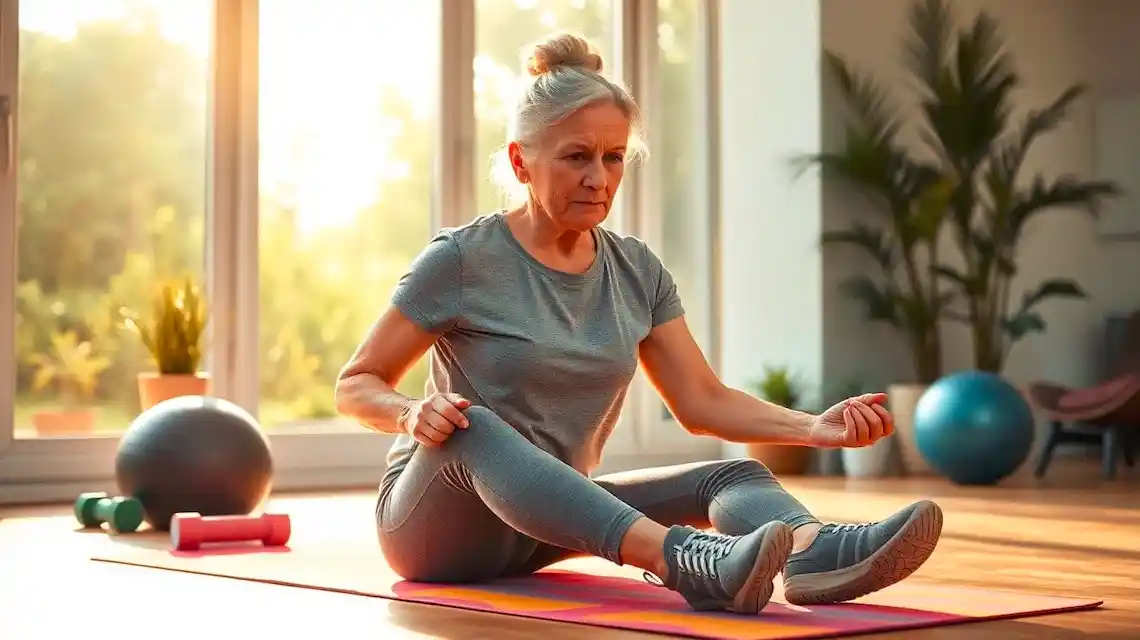
Menopause is a natural shift, not a personal failure. Estrogen drops, and your body may respond with hot flashes, stubborn belly fat, low energy, and poor sleep. That can feel unfair when you are already busy. A menopause workout can help you feel better in weeks, not months. You will get a clear, doable plan that respects your time. In this guide, you will learn why workouts need a few tweaks now, the best plan for strength, cardio, core, and mobility, and the recovery habits that make results stick.
Why a menopause workout is different, and how it helps your body now
What changes in menopause: hormones, muscle loss, and belly fat
Estrogen declines in midlife. That shift can increase body fat around the belly, reduce lean muscle, and weaken bones. Insulin resistance can creep up, which affects blood sugar and energy. Heart risk edges higher, especially with less movement. The good news is that smart training fights these changes. You can build muscle, protect your bones, and steady your mood with consistent effort.
Health wins you can feel in weeks
- Better sleep and fewer night sweats with regular cardio and walks
- Steadier mood and less anxiety from strength work and mobility
- Fewer hot flashes with consistent aerobic training
- Stronger bones and joints from lifting with good form
- Improved blood sugar from strength sessions and intervals
- More daily energy and less brain fog from moving most days
Strength supports muscle and bones. Cardio supports your heart and can ease hot flashes. Mobility calms your nervous system and keeps joints happy.
Safety first: joints, pelvic floor, and bones
Warm up for 5 to 10 minutes before each session. Use good form, start light, and build up slowly. If knees or hips ache, choose low impact options like cycling, rowing, or incline walking. For pelvic floor care, exhale on effort, avoid breath holding, and switch out high-pressure moves if leaks show up. With osteoporosis risk, hinge with a neutral spine and keep loads close to your body.
How often should you work out during menopause?
Aim for strength 2 to 3 days per week. Add cardio 2 to 3 days. Walk daily if you can, even 10 minutes counts. Do mobility most days. Follow general guidelines: 150 to 300 minutes of moderate cardio per week, or 75 to 150 minutes of vigorous cardio. Plus at least two strength days. Keep it friendly and flexible, not rigid.
The best menopause workout plan: strength, cardio, core, and mobility
Strength training to keep muscle and boost metabolism
Plan 2 to 3 strength sessions per week. Focus on big moves that work many muscles at once. Think squat, hinge, push, pull, lunge, and carry. Do 2 to 4 sets of 6 to 12 reps, resting 1 to 2 minutes. Move with control, finish each rep with good form, and leave 1 to 3 reps in the tank.
Options:
- Dumbbells: goblet squat, Romanian deadlift, chest press, one arm row, reverse lunge, suitcase carry
- Bands: banded squats, banded pulls, face pulls, presses
- Machines: leg press, cable row, chest press, lat pulldown
Progress each week by adding a small amount of weight or 1 rep per set. Small steps add up fast.
Unlock the secret to a smoother menopause experience: Try Meno Rescue
Smart cardio for heart health and hot flashes
Pick one of two paths:
- Moderate steady work: brisk walk, cycling, or elliptical for 20 to 40 minutes
- Intervals: 1 minute hard at RPE 6 to 7 out of 10, 2 minutes easy, for 15 to 25 minutes
Use fans, a cool room, and breathable fabric to manage heat. You can also keep a cool towel handy. Your effort should feel challenging, but you should still speak short sentences.
Core and pelvic floor support for leaks and back comfort
Start with diaphragmatic breathing. Feel the ribs widen as you inhale, then gently brace and exhale on effort. Use moves that teach control: dead bug, bird dog, side plank, glute bridge, and suitcase carry. If leaks show up, reduce load, slow down, or swap jumping for low impact cardio. Stay kind to your body, and focus on quality reps.
Mobility and balance to stay flexible and prevent falls
Devote 5 to 10 minutes most days. Include ankle rocks, hip openers, thoracic rotations, and simple calf and chest stretches. Add single leg balance near a wall or chair for safety. Try yoga or tai chi once a week for calm, control, and better awareness.
A simple 7 day menopause workout schedule you can start this week
- Mon: Strength A (squat, push, row, carry)
- Tue: Brisk walk 20 to 30 minutes, plus 5 to 10 minutes mobility
- Wed: Intervals or cycling, 15 to 25 minutes
- Thu: Strength B (hinge, lunge, pull, bridge)
- Fri: Mobility and core, 10 to 20 minutes
- Sat: Long walk or hike, 30 to 60 minutes
- Sun: Rest or gentle yoga, 15 to 30 minutes
Pick your time block: 20, 30, or 45 minutes. Swap days as needed to fit your week.
Recovery, nutrition, and mindset that make your menopause workout stick
Protein, calcium, and vitamin D for strong muscles and bones
Aim for 25 to 35 grams of protein at each meal. Good options include eggs, Greek yogurt, chicken, tofu, fish, or beans. Target about 1,200 mg of calcium daily from food first, like dairy, fortified plant milks, leafy greens, and canned fish with bones. Ask your doctor about vitamin D and blood tests. Hydrate well, and add a pinch of salt to water if you sweat a lot.
Sleep and stress tips to cut cravings and belly fat
Create a 10 to 15 minute wind down. Dim the lights, stretch, read, or breathe slowly. Keep your room cool and dark. Limit screens before bed. A short walk after dinner or a quick journal session can lower stress. Better sleep makes hunger and mood steadier the next day.
Hot flash and heat management during workouts
Plan training in cooler parts of the day. Dress in layers so you can adjust quickly. Keep a fan or cool towel nearby. Sip water often. If a hot flash hits, pause, breathe, and resume at a lighter pace. You are still making progress.
Progress without burnout: small steps add up
Use the 10 percent rule for weekly time or volume increases. Keep most strength sets at RPE 6 to 8. Take an easier week every 6 to 8 weeks. Track non-scale wins, like better sleep, fewer hot flashes, steadier mood, or jeans fitting better. Rest if pain spikes, dizziness shows up, or fatigue lingers. Check in with a clinician if you are unsure about symptoms.
Conclusion
Menopause changes your body, but it does not have to steal your strength. A focused plan links strength, cardio, core, and mobility so you sleep better, feel steadier, and move with confidence. Start simple: pick two strength days and two 20 minute walks this week, plus a 5 minute mobility routine. Keep going, even when life gets loud. Steady practice beats perfection, and your future self will thank you for every small step you take today.
Related post:
Menopause Workout FAQs: Train Smart, Feel Strong
What types of exercise are best during menopause?
Blend strength training, cardio, mobility, and pelvic floor work. Lift weights 2 to 3 days a week, include moderate cardio most days, add short HIIT sessions, and stretch or do yoga for mobility.
How often should I work out each week?
Aim for at least 150 minutes of moderate cardio, or 75 minutes vigorous, plus 2 to 3 strength sessions. Add daily walks and light movement on rest days.
Can exercise help with weight gain and belly fat?
Yes. You cannot spot reduce, but you can reduce total body fat. Lift weights to protect muscle, do regular cardio, hit a modest calorie deficit if needed, prioritize protein, and stay consistent.
Will workouts ease hot flashes and night sweats?
Regular exercise helps mood, sleep, and weight, which can reduce hot flash intensity for some people. Keep the room cool, wear breathable layers, hydrate well, and schedule intense sessions when heat is lower.
Is HIIT safe during perimenopause and menopause?
Usually yes, if you build up gradually. Keep HIIT short, 10 to 20 minutes, one or two times a week. Prioritize recovery and avoid stacking hard sessions back to back.
How heavy should I lift?
Choose a weight you can lift with good form for 6 to 12 reps, stopping 1 to 3 reps before failure. Progress when it feels easier, about 2.5 to 5 percent more weight or 1 to 2 more reps.
What exercises support bone density?
Strength moves like squats, deadlifts, presses, and rows, plus impact loading if joints can handle it. Add brisk walking, hiking, stair climbing, or light jumps. Start low impact if you are new.
I have joint pain. What should I do?
Pick low impact options like cycling, swimming, and walking. Strengthen hips, glutes, and core. Use a full range of motion without pain, and increase volume slowly. If pain lingers, see a clinician.
Can exercise improve sleep during menopause?
Yes. Morning light exposure, regular walks, lifting, and moderate cardio help sleep quality. Avoid very intense workouts late at night if they keep you wired.
What about pelvic floor health?
Do daily pelvic floor contractions, then integrate breath and core bracing into lifts. If you have leakage or prolapse, avoid high impact and heavy bracing until cleared by a pelvic floor therapist.
Should I do cardio or strength if I am short on time?
Strength first. It protects muscle, bone, and metabolism. Add short cardio bursts, like intervals on a bike or brisk 10-minute walks, to cover heart health.
How do hormones affect recovery?
Lower estrogen can slow recovery. Space hard sessions, sleep 7 to 9 hours, eat enough protein and carbs, and take at least 48 hours between hard lifts for the same muscle group.
What protein and nutrition targets work well?
Aim for 1.2 to 1.6 grams of protein per kilogram of body weight daily, split across meals. Include fiber-rich carbs, healthy fats, calcium, and vitamin D. Hydrate before, during, and after workouts.
Do I need supplements?
Not always. Many benefit from vitamin D and calcium if intake is low. Creatine can support strength and cognition. Check with your clinician if you take medications or have kidney issues.
Can I start if I have not exercised in years?
Yes. Begin with walking and two short full-body strength sessions per week. Learn basic patterns, squat, hinge, push, pull, carry, then add load and volume gradually.
How can I manage stress and mood swings with workouts?
Use a mix of strength, steady cardio, and low-intensity sessions like yoga or walking. Short daily movement breaks help more than rare long workouts.
What signs mean I should ease up or see a doctor?
Persistent chest pain, dizziness, unusual shortness of breath, or swelling need medical advice. Ongoing joint pain, pelvic pain, or leakage that worsens also needs evaluation.
Will exercise help cholesterol and blood pressure?
Yes. Cardio and strength both improve heart markers. If you have hypertension, avoid heavy breath holds during lifts, exhale on effort, and monitor blood pressure regularly.
How should I warm up and cool down?
Do a 5 to 10 minute warm-up with light cardio and dynamic moves, then a few prep sets. Cool down with easy movement and gentle stretching, especially hips, hamstrings, calves, and chest.
What is a simple weekly plan to follow?
- 2 to 3 strength days, full body.
- 2 to 3 cardio days, mix steady and intervals.
- Daily walks, 20 to 30 minutes.
- Mobility work, 5 to 10 minutes most days.
How do I track progress without fixating on the scale?
Use multiple markers: how your clothes fit, energy, sleep, mood, strength numbers, step count, and waist circumference. Check once a week, not daily.
Does hormone therapy change my training?
HRT can improve sleep, mood, and exercise tolerance for some people. Training basics stay the same, but you may recover faster. Coordinate with your clinician.
Any tips to stay consistent?
Set short, clear goals, pair workouts with daily habits, lay out gear the night before, and plan backup options at home. Progress is built on repetition, not perfection.

Gas S. is a health writer who covers metabolic health, longevity science, and functional physiology. He breaks down research into clear, usable takeaways for long-term health and recovery. His work focuses on how the body works, progress tracking, and changes you can stick with. Every article is reviewed independently for accuracy and readability.
- Medical Disclaimer: This content is for education only. It doesn’t diagnose, treat, or replace medical care from a licensed professional. Read our full Medical Disclaimer here.