

You’ve been running on stress for months, maybe years. At first, it felt like survival mode gave you fuel. You pushed through on caffeine, adrenaline, and grit. Then something shifts. You’re not “wired” anymore. You’re just… flat. Tired in a way sleep doesn’t touch, less able to cope, and oddly fragile when life gets loud.
That’s the point where many people start wondering about cortisol, your main stress hormone. Cortisol isn’t just for stressful moments. It helps you wake up, steady blood sugar, support blood pressure, and keep inflammation in check. When cortisol is truly low, the body can struggle to stay upright, stable, and resilient.
The tricky part is that these signs can look like a dozen other issues. The goal isn’t to self-diagnose, it’s to spot patterns, understand what’s plausible, and know when it’s time to get checked.
TL;DR: Low cortisol can show up as deep tiredness, lightheadedness, and a hard time handling stress. These signs can look like burnout, but they may also point to health issues that need testing. Watch for patterns, and get checked with the right evaluation, including a cortisol lab.
This helps:
- Featured snippets
- Mobile readers
- Dwell time
What cortisol does in your body, and what “low” really means
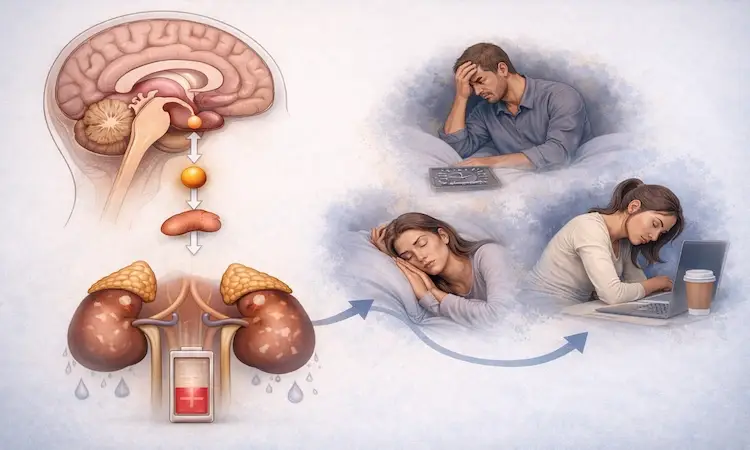
Cortisol is a hormone made by your adrenal glands, which sit on top of your kidneys. It follows a daily rhythm. In most people, it rises in the early morning to help you wake up and get moving, then gradually drops through the day and hits its lowest point at night so you can sleep.
So what does “low cortisol” mean in real life? It can mean your cortisol is lower than expected for the time of day, like a low morning cortisol when it should be high. It can also mean your overall production is too low, which may show up on repeat testing or stimulation testing.
Online, you’ll see terms like “adrenal fatigue” used as a catch-all for feeling exhausted after long stress. In medicine, clinicians look for specific diagnoses that can lower cortisol, such as adrenal insufficiency (including Addison’s disease), pituitary signaling problems, medication effects (especially steroids), or the impact of serious illness. If you want a plain-language refresher on cortisol’s basic functions and how levels are interpreted, Cleveland Clinic’s overview on cortisol and symptoms by level is a helpful starting point.
A quick look at your stress system (HPA axis)
Think of your stress system like a text chain between three body “departments.”
Your hypothalamus (in the brain) sends a message to your pituitary gland. The pituitary then signals your adrenal glands to make cortisol. This loop is often called the HPA axis (hypothalamus, pituitary, adrenal).
This system responds to more than emotional stress. Poor sleep, blood sugar swings, intense training, infections, inflammation, and major life events can all change the signals. If your brain thinks you’re in danger, it may push for more cortisol at the wrong times. If parts of the system are impaired (or suppressed by medications), cortisol output can be too low when you need it most.
Low cortisol vs “adrenal burnout”, why the words matter
Burnout is real. Being overworked, under-rested, and constantly “on” can wreck your mood, sleep, and energy. It can also change appetite, motivation, and how your body feels day to day. People often call that “adrenal burnout,” but burnout isn’t the same thing as measurable hypocortisolism.
True low cortisol (hypocortisolism) can be a hormone problem with medical risk, especially during illness, injury, or vomiting. That’s why the words matter. If someone assumes they just need supplements and rest, but they actually have adrenal insufficiency, they could miss a condition that needs proper evaluation and treatment. Patient-facing education from the Endocrine Society on adrenal insufficiency basics explains how clinicians think about it.
A simple example: if you’re getting dizzy and fainting, guessing “burnout” might delay checking blood pressure, electrolytes, and cortisol at the right time.
Low cortisol symptoms you might notice (and why they happen)
Here’s the part most people care about: what it feels like in daily life. Low cortisol symptoms can show up as a cluster rather than one clear sign. Many people notice their symptoms spike after missed meals, hard workouts, poor sleep, infections, or high-stress days. That pattern matters because cortisol is one of the hormones that helps you stay steady when your body gets pushed.
Cortisol helps keep blood sugar from dropping too low between meals. It supports blood vessels so your blood pressure doesn’t tank when you stand. It also shapes inflammation and immune response, which affects how you feel during illness and recovery.
Fatigue that rest does not fix, brain fog, and low motivation
This isn’t the normal “I need a nap” tired. It’s waking up feeling like your battery never charged. You may drag through mornings, rely on more caffeine than you used to, and still feel slow.
Brain fog often tags along. You might lose words mid-sentence, reread the same email three times, or feel like your thinking is a half-step behind. Emotionally, some people feel flat or detached. Others feel unusually irritable, like their nervous system has no buffer.
One reason cortisol matters here is that it helps regulate energy availability and alertness, especially in the morning. When it’s off, your day can start in a hole.
This fatigue pattern can be confused with a lot of things, including sleep apnea, anemia, thyroid disorders, depression, and side effects from medications. If you’re stuck in the same tired loop for weeks, it’s worth looking wider than stress alone.
Dizziness, low blood pressure, and feeling weak when you stand up
Have you ever stood up fast and felt your vision narrow, like someone dimmed the lights? That’s an “orthostatic” symptom, meaning it happens with posture changes. Some people feel shaky, wobbly, or weak in hot environments too.
Cortisol supports how your blood vessels respond to standing, heat, and dehydration. When cortisol is too low, your body may not tighten blood vessels as well, so blood pressure can drop more than it should.
Daily-life triggers are often predictable: hot showers, long lines, standing at the stove too long, getting up quickly from the couch, or pushing through a workout when you haven’t eaten enough.
Salt cravings, nausea, appetite changes, and unexplained weight loss
Strong salt cravings are one of those symptoms people brush off, until they realize it’s intense and persistent. Salt cravings can happen for many reasons, but they’re classically linked to adrenal insufficiency, especially when another adrenal hormone, aldosterone, is also low. Aldosterone helps your body hold onto sodium and manage fluid balance.
Digestive symptoms can show up too. Nausea, low appetite, belly pain, and general stomach upset can be part of adrenal problems. When you don’t feel like eating, weight can drift down without trying.
This is where “Addison’s disease vs burnout” comes into focus. Burnout often comes with less movement, comfort eating, and weight gain. True adrenal insufficiency can look different, including appetite loss and unplanned weight loss. Mayo Clinic’s summary of Addison’s disease symptoms and causes lists these hallmark signs in one place.
Low stress tolerance, exercise crashes, and getting sick more often
Some people describe it like this: “Small problems feel huge.” Your patience shrinks. Your ability to juggle tasks falls apart. You might tear up easily, snap quickly, or feel wiped out after a minor conflict.
Exercise can also become unpredictable. Instead of feeling pleasantly tired, you crash. You may feel flu-like after a workout, need a full day (or more) to recover, or get dizzy mid-session. This isn’t laziness, it’s a sign your body may not be supporting the stress load well.
Cortisol helps modulate inflammation and immune response. When cortisol signaling is impaired, you can feel more sore, more reactive, and slower to bounce back from colds.
Some people also notice overlap with chronic fatigue syndrome symptoms. There’s a lot of discussion about a chronic fatigue syndrome link, but overlap doesn’t prove cortisol is the cause. It does mean persistent fatigue deserves a careful workup, not a single theory.
What causes low cortisol, and how to tell what is urgent
Low cortisol can happen for different reasons, and not all of them are subtle. Some causes develop slowly and quietly. Others show up fast, especially during illness.
If you’re comparing Addison’s disease vs burnout, here’s the simplest frame: burnout is a strain state, while Addison’s and other forms of adrenal insufficiency are hormone production problems that can become dangerous during stress (like stomach flu, surgery, or injury). The National Institute of Diabetes and Digestive and Kidney Diseases has a clear breakdown of adrenal insufficiency symptoms and causes that can help you understand what clinicians look for.
Common causes: Addison’s, pituitary problems, and steroid medication withdrawal
The big categories are straightforward:
- Primary adrenal insufficiency (Addison’s disease): the adrenal glands can’t make enough cortisol (often due to autoimmune damage).
- Secondary adrenal insufficiency: the pituitary (or hypothalamus) isn’t sending a strong enough signal, so the adrenals don’t get the “make cortisol” message.
- Steroid medication withdrawal: taking steroid meds for a long time can suppress the body’s own cortisol production. Stopping too fast can leave cortisol too low.
Steroids here include more than pills. It can involve injections, and sometimes high-dose inhaled, topical, or other forms, depending on the situation and duration.
Severe illness and critical stress can also disrupt cortisol levels. That’s one reason clinicians take a full history before assuming it’s “just stress.”
Warning signs of an adrenal crisis (do not wait it out)
An adrenal crisis is a medical emergency linked to dangerously low cortisol. Get same-day urgent care or go to the ER if you have symptoms like these, especially if you’ve been diagnosed with adrenal insufficiency or recently stopped steroids:
- Severe weakness or inability to stay upright
- Fainting or near-fainting with very low blood pressure
- Vomiting that won’t stop or severe diarrhea
- Confusion, severe drowsiness, or not acting like yourself
- Severe belly pain
- Signs of dehydration (very dry mouth, minimal urine)
- High fever or severe illness symptoms
- Symptoms that start after missed steroid doses (for people prescribed them) or after stopping long-term steroids
For a straightforward description of what this emergency looks like, MedlinePlus has a solid page on acute adrenal crisis symptoms.
Getting answers and feeling better, tests, next steps, and safe support
If you suspect cortisol might be part of your story, treat it like a mini project. Not a spiral, not an internet scavenger hunt, just a calm plan: track patterns, talk to a clinician, and support your body with basics while you wait.
This also matters because hypocortisolism causes can look similar on the surface, while the care plan can be very different. The right tests can separate “I’m depleted” from “my hormones aren’t responding.”
What to ask your clinician, and what tests are usually used
Cortisol testing depends on timing. A morning blood cortisol test is common because cortisol should be higher earlier in the day. Your clinician may also check:
- ACTH (the pituitary signal that tells adrenals to make cortisol)
- Electrolytes (especially sodium and potassium)
- Glucose
- A follow-up ACTH stimulation test if results are unclear or suggest adrenal insufficiency
MedlinePlus explains the basics of the ACTH stimulation test in plain terms.
Because symptoms overlap, clinicians often consider other checks too, like thyroid labs, iron levels, B12, and sleep issues. Bring a short timeline of symptoms (what started when, what makes it worse), plus a full medication list, including inhalers, steroid creams, and past prednisone use.
Daily habits that support recovery while you wait for results
If you’re exhausted, the goal is stability, not heroics. These habits won’t “cure” a hormone disorder, but they can reduce stress load and help you function while you get answers.
Eat on a schedule when you can. Many people feel worse when they skip meals. Build meals around protein, fiber-rich carbs, and healthy fats to smooth blood sugar. Hydrate consistently, and ask your clinician if electrolytes make sense for you, especially if you’re lightheaded.
Sleep is your cheapest repair tool. Keep a steady wake time, limit late-night scrolling, and aim for a wind-down routine that doesn’t feel like homework.
Move gently. Walking, easy cycling, mobility work, and light strength training are often better than all-out workouts when you’re run down. Pause workouts if you get dizzy, shaky, or wiped out for a full day after. That’s your body asking for a smaller dose.
If you’re thinking about adrenal burnout recovery, think “less intensity, more consistency.” Small daily choices tend to beat big resets.
Conclusion
Feeling flattened after long stress is common, but low cortisol isn’t something to guess at. Low cortisol symptoms can mimic burnout, depression, thyroid issues, and more, but true hypocortisolism has medical causes that deserve proper testing. The signs people often remember most are stubborn fatigue, dizziness when standing, salt cravings, and low stress tolerance that feels out of character.
Keep track of your symptoms for 1 to 2 weeks, then schedule an appointment and bring your notes and a full medication list. If warning signs hit, like extreme weakness, fainting, or nonstop vomiting, don’t wait. Getting the right diagnosis and the right cortisol lab is the first step to feeling steady again.

Gas S. is a health writer who covers metabolic health, longevity science, and functional physiology. He breaks down research into clear, usable takeaways for long-term health and recovery. His work focuses on how the body works, progress tracking, and changes you can stick with. Every article is reviewed independently for accuracy and readability.
- Medical Disclaimer: This content is for education only. It doesn’t diagnose, treat, or replace medical care from a licensed professional. Read our full Medical Disclaimer here.