

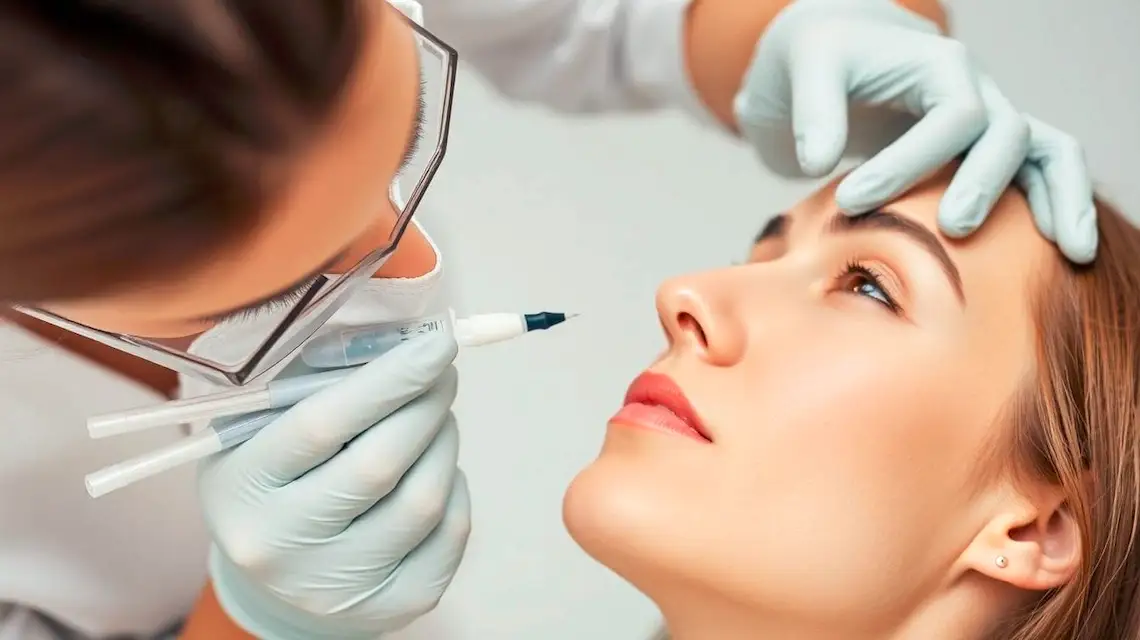
Botox is a purified protein that relaxes targeted muscles for a few months, which softens lines made by movement. Over years, people notice changes in their skin and expression, and many ask if that is good or bad. In this guide, you will learn what changes to expect, which risks matter, and how to stay safe.
You will get a simple overview of benefits and trade-offs, how Botox behaves in your body, and how to plan treatments so you look like you, just more rested. We will separate myths from facts about the long term effects from Botox and show you how to avoid common mistakes.
Here is your roadmap: first, how long-term use affects muscles, nerves, and skin. Next, side effects to watch for and how to avoid them. Then, smart dosing and timing. Finally, planning your results and budget so you love your look for years.
What are the long term effects from Botox on your face and muscles?
With repeated treatments, Botox keeps certain facial muscles from contracting as strongly. This reduces dynamic lines, the ones that show when you frown, raise your brows, or squint. Over time, the skin in those areas folds less, so creases soften and sometimes do not form as deeply. Many people also report a smoother forehead and a more relaxed resting expression.
At the muscle level, light atrophy, or thinning from less use, can occur in treated areas. Think of it like skipping the gym for one specific muscle. This effect is local, which is why some people notice a slimmer jawline when treating the masseter for clenching. On the nerve side, Botox blocks the chemical signal between nerve and muscle. Your body grows new nerve endings after a few months, so the effect fades and movement returns. With steady, correct dosing, people often need fewer units or less frequent visits to maintain a soft look.
The skin can show small improvements too. Some long-time users see finer texture, less shine, and smaller-looking pores in treated zones. That said, genetics, sun, and skincare still drive most of your skin quality.
Cosmetic doses are usually low, and when done by a skilled medical injector, Botox has a strong safety record. For a balanced overview, see a review on PubMed that found no life-threatening long-term adverse effects for cosmetic use (The whole truth about botulinum toxin).
How Botox works in your body each time you get it
- Botox blocks the nerve signal that tells a muscle to contract.
- The effect usually lasts 3 to 4 months as new nerve endings form.
- Repeat treatments keep the muscle relaxed, which softens movement lines.
- It does not fill or plump the skin. It is not a filler.
- When placed correctly, it stays where it is injected. It does not travel around your face.
Will muscles shrink over years, and is that bad?
Mild, localized muscle thinning can happen after years of reduced movement. This is similar to a muscle that gets less work at the gym. In cosmetic areas, this often helps by softening wrinkles and, in the jaw, slimming a bulky masseter. Most people like these outcomes.
Problems start when a muscle is over-weakened or the dose is placed poorly. Nearby muscles may work harder to compensate, which can create new fine lines or odd movement. This is the fix: use the lowest dose that gives your result, adjust placement over time, and keep natural motion in key areas like the brows and smile.
Do wrinkles get worse if you stop Botox?
No, there is no rebound that makes wrinkles worse than before. As the drug wears off, lines return to your baseline. Some users look slightly better long term because the skin folded less for months at a time. That pause can let creases soften.
It helps to know the difference between line types:
- Dynamic lines are caused by movement, like crow’s feet when you smile.
- Static lines are etched into the skin and show even at rest.
Botox helps most with dynamic lines. Deep static lines might need skincare or filler to look smoother.
Skin texture, pores, and oil after long-term use
People often notice a smoother forehead with fewer visible pores and less shine after long-term use. The effect is modest, but real for some. The likely reason is lower oil output and less mechanical folding of the skin.
Still, skin care habits decide most of your glow:
- Daily SPF, retinoids at night, vitamin C in the morning.
- Gentle exfoliation a few times a week.
- Moisturizer that fits your skin type.
Results vary, so set goals with your injector and track changes with photos.
Revitalize your skin with premium beauty serum
Long term side effects from Botox to watch for
Botox is widely used, and serious problems are uncommon with trained injectors and correct dosing. Over years, most side effects are mild and temporary. You can reduce risk by protecting the brow lift muscles, avoiding heavy workouts for a day, and spacing treatments properly.
Common short-term effects:
- Small bruises, tenderness, or a mild headache for a day or two.
- Temporary feeling of heaviness in treated muscles.
Less common effects with long-term use:
- Brow or eyelid droop when product diffuses into nearby muscles.
- A flat or “frozen” look from high doses or too many injection sites.
- Dry eye if crow’s feet injections reduce blinking too much.
- Neck weakness if the platysma is overtreated.
- Shorter duration if resistance develops, which is rare at cosmetic doses.
A neutral take is helpful when sorting facts and fears. The BBC covered how long-running cosmetic use can shape expression patterns, though at typical doses health risks are low.
Brow or eyelid droop: why it happens and how to avoid it
A droop can happen if the product relaxes the frontalis too much, the muscle that lifts your brows, or if it spreads to the levator muscle that lifts the eyelid. The effect is temporary and usually lasts a few weeks.
Prevention tips:
- Use precise placement and conservative dosing near the brow.
- Keep injections higher on the forehead when needed to preserve lift.
- Do not rub the area or do heavy workouts for 24 hours after treatment.
Frozen look and smile changes
High doses or too many injection points can flatten expression or shift your smile. This is more about technique and goals than the product itself.
The fix:
- Ask for smaller doses and fewer sites at first.
- Keep movement in key muscles, such as the outer brow and upper lip.
- Bring photo references that show your target look.
- Give clear feedback at follow-ups so your plan can be adjusted.
Headaches, dry eye, neck weakness, and rare spread
Minor headaches, bruising, and tenderness are common in the first day or two. Dry eye can occur when crow’s feet treatment reduces blinking. Neck weakness can happen with platysma shots if the dose is too high or the spread is wide.
Spread beyond the injection site is rare at cosmetic doses. If you notice trouble swallowing, speaking, or breathing, contact your clinic right away and seek urgent care.
Antibodies and resistance: when Botox stops working
Neutralizing antibodies can form with very high or very frequent dosing, which is rare in cosmetic use. Signs include shorter duration and a weaker effect.
Smart strategies:
- Space appointments to the longest interval that keeps results.
- Use the lowest effective dose.
- If needed, discuss switching to another botulinum toxin brand.
Is long-term Botox safe? Dosing, timing, and who should be careful
With proper dosing, careful placement, and realistic goals, long-term Botox can be both safe and subtle. The safest plans aim for balance. You want softer lines, not zero movement. You also want enough time between visits for the body to reset.
Your injector should tailor dose and timing to your muscle strength, facial shape, and goals. Decisions work best when you share your medical history, show past results, and agree on what you want to keep moving.
How often to get Botox and typical dose ranges
Most people return every 3 to 4 months. Strong muscles or new users may need 2 to 3 months at first. Once lines soften, you might stretch to 4 to 6 months. Think in simple levels instead of exact numbers, since everyone is different:
- Light correction: softens lines but keeps strong movement.
- Medium correction: balances smoothness with natural expression.
- Full correction: the smoothest look, with less movement in the area.
Start lighter if you want to avoid a flat look. You can always add more at follow-up.
When to skip or delay a session
- Pregnancy or nursing.
- Active skin infection, cold, or fever.
- New antibiotics or changes in blood thinners without clearance.
- Big events in the next 1 to 2 weeks if a bruise would be a problem.
- New health issues since your last visit, until you review with your injector.
Who should be extra careful or avoid Botox
Use caution if you have a neuromuscular condition, a bleeding disorder, or a strong allergy history to product ingredients. If you struggle with body image or feel pressured to change, a mental health check-in can help you make a clear choice. Always discuss your medical history with a licensed medical professional before treatment.
Picking a skilled injector and safe technique
- Choose medical professionals who do injections often and have consistent reviews.
- Ask to see before and after photos that match your age, skin, and goals.
- Discuss the product used and approximate units by area.
- Set a plan for natural movement, with check-ins and photos to track progress.
- Look for medical-grade hygiene, proper storage, and clear pricing.
- Do not chase deals that seem too good to be true.
For a perspective on very long-term use, some clinics discuss mild muscle adaptation and how to manage it, such as this overview on what happens after 20 years of Botox. Use these as conversation starters with your provider, not as medical advice.
Results, cost, and long-term planning so you love your look
A good Botox plan looks beyond the next visit. It sets clear goals, maps out realistic timelines, and respects your budget. Results should blend with your features, not replace them.
Aging, sun, and lifestyle shape outcomes. Botox is one tool in a long-term skin plan, not a cure-all. Match it with daily skincare, healthy sleep, and smart sun habits for the best return.
How long results last as you age
Most people enjoy smoother lines for 3 to 4 months, sometimes longer as muscles calm with time. If you stick to regular intervals, you may find you need fewer units to keep a soft look. With age, collagen loss and sun damage show up as static lines, texture changes, and laxity. That is where skincare, energy-based treatments, or fillers add value.
Cost per year and smart ways to save
Plan your year on paper. Estimate visits based on your interval and add a small buffer for touch-ups.
Money-saving ideas that do not cut safety:
- Enroll in the product maker’s loyalty program.
- Bundle visits for multiple areas in one session when it fits your plan.
- Stay with one experienced injector to reduce trial and error.
- Pre-book appointments to keep spacing steady, which can reduce total units over time.
- Avoid counterfeit or diluted products. If the price seems unreal, it probably is.
Pairing Botox with skin care or fillers
Botox reduces movement lines. It does not fix volume loss, deep etched lines, or sagging. That is where a simple skin plan and, when needed, fillers or other treatments help.
Skin basics that boost your Botox results:
- Daily sunscreen, SPF 30 or higher.
- Nightly retinoid, adjusted to your skin’s tolerance.
- Morning vitamin C serum.
- Gentle exfoliation 1 to 3 times a week.
- Moisturizer that fits your skin.
Fillers can soften static lines and restore volume in areas like cheeks or lips. A staged plan with photos helps you see progress and avoid overcorrecting.
Red flags after treatment and when to call
Contact your clinic promptly if you notice:
- Severe or worsening pain.
- Spreading weakness beyond the treated area.
- Vision changes.
- Trouble swallowing, speaking, or breathing.
- Rash, hives, or signs of allergy.
If symptoms are serious, seek urgent care.
Conclusion
Most people do well with careful dosing, smart timing, and a clear plan. Mild muscle thinning and smoother skin can happen with long-term use, while big problems are uncommon with skilled care and correct placement. Set goals, track results with photos, and stick with a qualified injector who respects natural movement. Your best outcome comes from honest communication and steady habits that support long-term skin health.
Ready to plan your next step? Book a consult, bring your questions, and build a simple treatment map you feel good about.
Related post:
- Metabiotic Skin Care, Why Is It Important
- How Your Diet Can Help With Aging Skin
- Winter Remedies for Dry Skin Hydration Tips
Long Term Effects from Botox FAQs:
How safe is long‑term Botox use?
Large studies show a strong safety record when done by trained providers. Most side effects are mild and short lived, like bruising or a headache. Serious issues are rare and usually tied to dosing errors or poor placement.
Can Botox cause permanent changes to my face?
It can change muscle activity over time. Repeated treatment may slim overactive muscles and soften lines, which many people want. If a muscle is overtreated, you could see a flat brow or a stiff smile. These changes usually improve as the product wears off and the plan is adjusted.
Does skin get thinner with long‑term use?
There’s no solid evidence that Botox thins skin at cosmetic doses. Many people notice smoother skin and softer lines because the muscle doesn’t crease the skin as much. Good skincare and sun protection still matter.
Will I need more over time to get the same result?
Not usually. Some people need less or can go longer between visits as muscles weaken from disuse. If results fade faster, it may be a placement or dose issue, not tolerance.
Can I become resistant to Botox?
It’s uncommon but possible. The immune system can form antibodies that reduce effect. Risk rises with very high doses, frequent touch‑ups, and short intervals. Spacing treatments at least 12 weeks, using the lowest effective dose, and avoiding “booster” shots helps.
Are there long‑term risks to facial expression?
You shouldn’t look frozen when it’s done well. Over many years, you can still express yourself. The plan should keep key muscles active so your face moves naturally. If you feel too still, ask for less units or different placement next time.
Do results last longer after years of use?
Often yes. As treated muscles shrink a bit and habits change, lines stay softer between sessions. Some people extend intervals to 4 to 6 months in certain areas, though this varies by muscle and goals.
Can Botox make wrinkles worse when I stop?
No rebound aging. When you stop, muscle activity returns and lines can slowly reappear. You’ll return to your natural aging path for your age and skin, not worse than baseline.
What about long‑term effects around the eyes?
Most effects are temporary, like mild eyelid droop or dry eye if product spreads. Careful placement near the brow and lateral canthus reduces risk. Chronic dry eye can persist if dosing repeatedly disrupts blinking, so share any eye symptoms early.
Does long‑term use affect headaches or jaw pain?
For chronic migraine or jaw clenching, ongoing treatment can stay effective and safe for years under medical care. Dose, pattern, and intervals matter and differ from cosmetic plans.
Any impact on nerves or brain over time?
No evidence of nerve damage or brain effects at cosmetic doses. Botox acts at the neuromuscular junction where the nerve meets the muscle and stays local when dosed correctly.
Can Botox change facial symmetry long term?
It can improve or reveal asymmetries. If one side responds more strongly, you might notice a temporary mismatch. Skilled providers balance units to keep symmetry over time.
Is there a risk of muscle atrophy?
Yes, mild and expected in the treated muscle with repeated use. It often helps soften bulky areas, like the masseter. If slimming is not desired, your provider can adjust dose or rotate sites.
What if I’m planning pregnancy?
Avoid Botox during pregnancy and while breastfeeding because safety data are limited. Plan treatments around family goals and time your last session at least 3 months before trying to conceive.
Do different brands change long‑term outcomes?
Brands vary in proteins, spread, and unit potency. Some may carry a lower antibody risk. Consistency matters, so tell your provider what you’ve used and how you responded.
How should I space treatments for long‑term safety?
Most people do well every 3 to 4 months. Avoid top‑ups within 2 to 4 weeks. Use the lowest dose that meets your goals and reassess areas each visit.
Are there warning signs to watch for over time?
Call your provider if you notice persistent eyelid droop beyond 6 weeks, ongoing dry eye, trouble swallowing, a weak smile that doesn’t improve as it wears off, or steadily shorter durations of effect.
Can lifestyle affect long‑term results?
Yes. Heavy sun, smoking, poor sleep, and high stress speed up skin aging and shorten results. Sunscreen, retinoids, moisturizer, and healthy habits improve outcomes between sessions.
How do I keep it looking natural over many years?
Set clear goals, keep expressions you value, and review photos from past visits. Use conservative dosing on the forehead and tailor units by muscle strength. Small tweaks beat big swings.

Gas S. is a health writer who covers metabolic health, longevity science, and functional physiology. He breaks down research into clear, usable takeaways for long-term health and recovery. His work focuses on how the body works, progress tracking, and changes you can stick with. Every article is reviewed independently for accuracy and readability.
- Medical Disclaimer: This content is for education only. It doesn’t diagnose, treat, or replace medical care from a licensed professional. Read our full Medical Disclaimer here.