

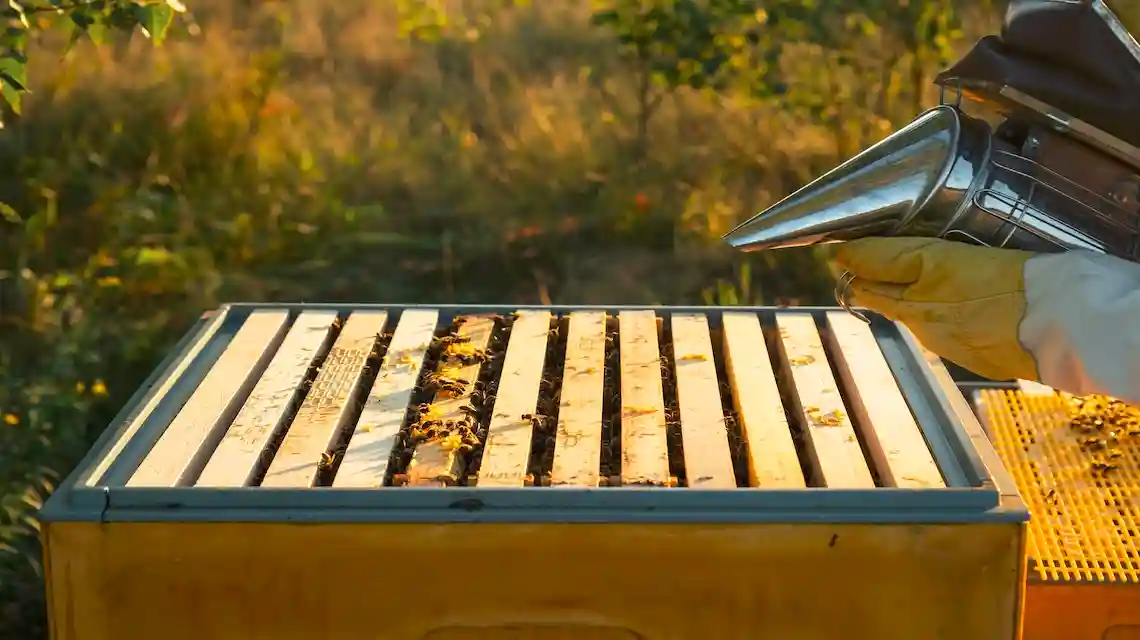
Backyard and small-scale beekeepers in 2025 care about more than honey. Many want lighter footprint beekeeping equipment that uses fewer resources, creates less plastic waste, and keeps colonies strong.
In simple terms, lighter footprint gear means tools and hives that last longer, can be repaired, use safer materials, and do not end up in the trash every few years. It also means choosing options that support forests and reduce energy use across the whole life of the equipment.
This guide walks through three practical areas: how to choose better materials, which pieces of gear to focus on first, and simple steps to upgrade over time without blowing your budget.
How To Choose Beekeeping Equipment With a Lighter Footprint
Every piece of equipment you buy touches more than your bees. It affects forests, mining, shipping, and waste. It also shapes how healthy and calm your colonies stay over the long term.
You do not need a science degree to make better choices. A few clear rules of thumb can guide almost every purchase and keep your apiary simple and low waste.
Sustainable materials: wood, metal, and low-plastic options
Most beekeepers rely on wood, metal, and plastic in some mix. For lighter footprint beekeeping equipment, wood usually does the heavy lifting.
Look for hive bodies and frames made from sustainably harvested or FSC-certified lumber. Companies that explain how they source wood, like the approach in BeeBuilt’s sustainability overview, make it easier to buy with confidence. Local wood also cuts shipping and supports nearby mills.
Untreated or low-toxicity finishes protect the wood without leaving harsh residues where bees walk and groom. Tung oil and simple exterior paints are common choices.
For tools and hardware, stainless steel is your friend. A solid stainless hive tool or smoker lasts for many seasons, while cheap plated metal bends or rusts. Plastic still has a place for food-grade pails and some feeders, as long as they are thick, durable, and reused for years instead of tossed after a season.
Durability, repair, and buying used instead of new
The greenest hive tool is usually the one you already own. The same goes for hive boxes, covers, and extractors.
When you do buy, look for solid joinery, thicker hive walls, and boxes built to standard sizes. Standard gear makes it easy to swap parts instead of replacing whole boxes. Replaceable bottom boards, inner covers, and frames keep the main hive body in service longer.
Used equipment can be a smart, low-impact option when it is clean and disease-free. Guides like Frugal Beekeeping with Used Beekeeping Supplies explain how to inspect and sanitize secondhand gear. Many local clubs also run classifieds or sales where you can check boxes in person before you buy.
Repairing cracked corners, repainting weathered wood, and swapping out a few bad frames can add years to your setup. You save money, send less to the landfill, and avoid the energy use that comes with building and shipping new gear.
Key Lighter Footprint Beekeeping Equipment For Your Apiary
Once you understand the basic ideas, it helps to look at each major category of equipment and see where lighter choices fit.
Eco-friendly hive setups: design, size, and insulation
Most beginners start with the standard Langstroth hive. It is flexible and easy to expand, but it can also turn into a tall stack of boxes the bees struggle to heat and cool.
Horizontal and top-bar hives can use less lumber and may need fewer extra boxes over time. If you are curious about these designs, comparison guides such as Top Bar Vs Langstroth Hive – What’s The Difference? give a clear view of pros and cons for each style.
Whatever hive you choose, focus on solid woodenware, not thin or flimsy boxes. Use screened bottom boards only when they serve a real purpose in your climate, since open floors can force bees to work harder to stay warm. Simple insulation, like wood shavings in quilt boxes or recycled fiber boards under the lid, helps colonies use less energy in winter and can reduce the amount of sugar feeding you need.
Low-impact protective clothing and tools
Protective gear is your main safety net, so it needs to work well and last. That does not mean it has to be wasteful.
Choose suits and jackets made from sturdy cotton, organic fabric, or blends that hold up to many washes. Some modern suits now use recycled fibers in their mesh layers. A mid-priced, well-made suit that lasts for five to ten years often has a lighter footprint than a series of cheap, disposable ones.
When you shop, review guides on safe gear, such as the comparison style of the best beekeeping suits overview, and apply the same “buy once, buy well” mindset.
For gloves, consider high-quality leather or washable fabric with good grip. Pair them with durable metal tools: stainless hive tools, uncapping forks, and queen excluders that do not crack like brittle plastic versions. Clean zippers, mend small tears, and replace elastic or veils instead of tossing the whole suit.
Smokers, fuels, and gentle hive management
Smokers are simple devices, but they touch air quality, fire safety, and bee stress.
Pick a sturdy stainless steel smoker with a heat guard and a solid hinge. It will handle drops, rain, and heat cycles for years. Many models, like the stainless designs sold by gear makers such as Foxhound Bee Company, show what long-lasting construction looks like.
For fuel, skip anything treated, painted, or perfumed. Dry pine needles, clean burlap, wood pellets, or untreated wood chips give cool, steady smoke with fewer strange fumes. Practice calm, planned inspections so you use the minimum smoke needed. Shorter, focused visits keep colonies less stressed and reduce fuel use at the same time.
Honey harvesting gear that cuts waste and plastic
Harvest time is where plastic can pile up fast if you do not plan ahead.
For small harvests, a hand-crank stainless steel extractor, metal strainers, and glass jars make a simple low-waste setup. If buying an extractor is out of reach, some clubs run lending programs like the equipment lending library at Olympia Beekeepers Association, or you might share one with a neighbor.
Sturdy food-grade buckets can serve for years as settling tanks or bottling buckets. Clean them well and label them for honey only. When you package honey, choose glass jars or reusable containers instead of thin single-use plastic squeeze bottles. This keeps your waste low and gives your honey a higher quality feel for friends or customers.
Every step in this chain, from extractor to jar, is a chance to match your honey flow with lighter footprint beekeeping equipment.
Simple Steps To Switch To Lighter Footprint Beekeeping Equipment
You do not have to toss everything you own to move in a better direction. In fact, that would go against the whole idea. A slow, steady shift works best for your bees, your wallet, and the planet.
Start with the next item you were going to buy anyway
Look at your beekeeping plans for the season. Maybe you were already planning to add another hive box, replace a worn suit, or upgrade your smoker. Start there.
Pick the lighter footprint version when you buy that next piece. Check local suppliers and classifieds, including sites like Beeslist for used beekeeping equipment, for secondhand options or shared tools. Talk with your bee club about what has held up best in your region.
One thoughtful swap at a time adds up over a few seasons and keeps the process simple.
Track what works for your bees and your budget
Every yard is different, so keep basic notes on what you try. Write down which hive styles winter well, which suits hold up to stings and washing, and which boxes need the least repair.
Review these notes once or twice a year. They will help you balance eco-friendly goals with real-world needs like bee health and cash flow. If a “green” option fails fast or stresses your colonies, it is not the right fit.
Treat lighter footprint beekeeping equipment as a long, steady journey. The point is progress, not perfection.
Conclusion
Lighter footprint beekeeping equipment is about smart choices, not fancy gear. Choose better materials like solid wood and stainless steel, avoid flimsy plastic, and buy items that you can repair and share. Focus on your main tools first: hives, suits, smokers, and harvest gear.
You do not need to switch everything at once. Upgrade the next box, suit, or tool when it wears out, and keep learning from your bees and your notes. Even one well-built hive or one shared extractor can reduce waste and support healthier bees.
Small changes in a backyard apiary ripple outward. Your bees, your neighbors, and the wider environment all benefit when your tools tread a little lighter. If you want to learn what brood means in beekeeping, take a look at what is brood in beekeeping.
Practical FAQs About Lighter Footprint Beekeeping Equipment
What does “lighter footprint” beekeeping equipment actually mean?
“Lighter footprint” gear is equipment that has a lower impact on resources, pollution, and waste across its life cycle. It usually means:
- Using renewable or recycled materials instead of virgin plastics or tropical hardwoods
- Choosing durable gear that lasts longer, so you buy and toss less
- Favoring repairable and modular designs instead of throwaway items
It is not about being perfect or buying every “eco” product on the market. It is about making steady choices that reduce waste, support healthy bees, and still fit your budget and climate.
Which hive materials are best if I want a lower environmental impact?
No single material is perfect. The best choice depends on your climate, your budget, and whether you prioritize low carbon impact, long life, or recyclability.
Here is a simple comparison many beekeepers find helpful:
| Material | Pros | Cons | Best for |
|---|---|---|---|
| Local softwood (pine, spruce) | Widely available, affordable, renewable | Needs regular paint or oil; can rot if neglected | Most backyard hives |
| Local hardwood | Very durable, good insulation | Heavier, more expensive | Long-term, stationary apiaries |
| FSC-certified wood | More sustainable forestry practices | May cost more, not in every region | Beekeepers focused on supply chain |
| Recycled plastic hives | Rot-proof, low maintenance | Harder to recycle, may overheat in sun | Wet climates, minimal upkeep setups |
| Straw or skeps (where legal) | Natural, low-energy material | Rarely legal as main hive, hard to inspect | Decorative or teaching examples |
For most people, locally sourced wood with low-toxicity paint or natural oil is the easiest lighter footprint choice.
Do eco-friendlier hive choices affect bee health or honey yield?
Good equipment choices can support healthier bees, but they are not magic. Bee health and honey yield still depend most on:
- Genetics
- Nutrition and forage
- Varroa and disease management
- Local climate and management style
That said, some gear decisions help:
- Insulated wooden or high-insulation hives can reduce stress in very hot or cold climates
- Non-toxic finishes inside boxes avoid extra chemical stress
- Thoughtful ventilation in lids and floors can reduce moisture and mold
If equipment helps bees maintain a stable temperature and dry brood nest, they use less energy and feed, which often supports stronger colonies.
Can I retrofit my existing beekeeping equipment to be more sustainable?
Yes, you do not need to throw out what you own. Using gear for as long as it is safe is often the lowest impact choice.
Simple upgrades:
- Repaint or re-oil boxes instead of replacing them, using low-VOC paint or natural oils
- Add insulation boards or wraps in winter instead of buying new “eco” hives
- Swap single-use plastic feeders for long-lasting wooden or heavy-duty plastic versions
- Repair cracked hive bodies with screws and filler, if they still align and seal well
When something truly fails, recycle what you can, then replace it with a better option. Step-by-step changes add up over time.
Is plastic equipment always a bad choice for a lighter footprint?
Not always. Single-use plastic is a problem, but durable plastic gear can be part of a lower impact setup.
Plastic can make sense when it is:
- Thick and long-lasting, such as sturdy feeders or queen excluders
- Used where wood rots fast, like in very wet climates
- Maintained and repaired to extend its life
Try to avoid:
- Thin, brittle plastic that cracks quickly
- Products that cannot be repaired or recycled locally
If you already own plastic equipment, the best thing you can do is keep it in use as long as possible, then recycle it if your area allows.
What about beekeeping suits and gloves, can those be “lighter footprint” too?
Protective gear often gets overlooked. You can reduce impact here without sacrificing safety.
Helpful choices:
- Cotton or organic cotton suits breathe better and come from renewable fiber
- Durable veils and zippers reduce how often you replace entire suits
- Wash suits regularly, then repair small tears instead of tossing them
- Choose long-lasting leather gloves or heavyweight nitrile gloves you can reuse many times
If your suit is still safe, keep using it. When you replace it, look for strong stitching, replacement veil parts, and fabric you can patch.
Are flow-style or high-tech hives better or worse for the environment?
It depends more on how long they last and how you use them than on the brand itself.
Questions to ask yourself:
- Will this hive last 10 years or more with basic care?
- Can I replace parts instead of tossing the whole box?
- Is it made from responsibly sourced materials or recycled content?
A long-lasting, well-maintained “high-tech” hive can have a lower lifetime impact than several cheap wooden hives that rot after a few seasons. The key factor is durability plus repairability.
How much more does lighter footprint beekeeping gear cost, and where should I start?
Some options cost more upfront, but not all. Often you save money by:
- Buying fewer, better-made boxes and caring for them
- Repairing gear regularly instead of replacing it
- Avoiding flashy “extras” you do not really need
If you want a practical starting point, focus on:
- Hive bodies and lids
Choose locally sourced wood, decent thickness, and low-VOC paint or natural oil for the outside. - Frames and foundation
Use wooden frames. If you use plastic foundation, buy heavy-duty sheets and reuse them for many seasons. - Feeders and accessories
Pick sturdy designs you can clean and repair, not the cheapest single-season option.
If you already keep bees, ask yourself: “What breaks or rots first in my apiary?” Start improving that one piece of equipment, then move on from there.
 What Is Brood in Beekeeping?
  Best Way To Learn Italian
  Outdoor Activities for Teens That Are Actually Fun
  How to Become a Content Creator on X
  How to to Learn Spanish Even When You Are Busy
  How to Play Piano for Beginners