

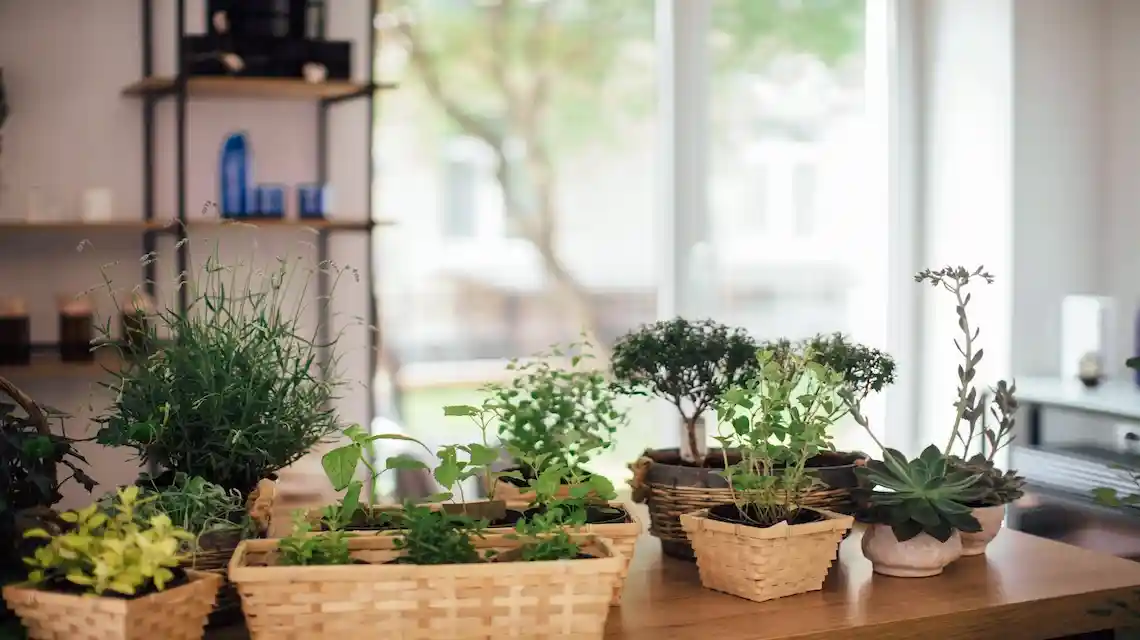
You know that moment when you are cooking, taste the sauce, and wish you had a handful of fresh basil within arm’s reach? An inside herb garden turns that wish into normal, everyday life.
An inside herb garden simply means growing herbs indoors in pots, planters, jars, or small systems. It fits in a sunny window, on a countertop, or even in a tiny hallway. You do not need a yard, and you do not need to spend a lot.
The benefits stack up fast. Fresh herbs save money at the store, add real flavor to simple meals, and make your home feel cozy and alive. These inside herb garden ideas work well in small homes, studios, and rental apartments.
This guide shares easy, low-cost inside herb garden ideas that beginners can set up in an afternoon and keep alive with simple care.
How to Plan an Inside Herb Garden That Actually Grows
A little planning at the start means fewer dead plants and more fresh sprays of green on your plate. You do not need a big plan, just a few smart choices about light, space, and what you actually cook.
Think of it like planning your fridge. You would not stock it with food you never eat. Your indoor herb garden works the same way. Choose a good spot, pick herbs you use all the time, and gather some basic supplies.
Once those pieces are in place, the rest feels easy. Water, snip, cook, repeat.
Pick the Best Spot for Sunlight, Space, and Convenience
Location comes first. Most herbs like strong light, so start by looking for:
- A sunny kitchen window
- A bright shelf near glass doors
- A table or cart near a south- or west-facing window
Basil and thyme want at least 6 hours of bright light most days. Mint and parsley can handle a bit less, so they do well on slightly dimmer parts of the sill.
Keep herbs where you walk past them often. If you have to cross the house to water them, they will get ignored. A windowsill above the sink or a shelf right by the stove makes care feel like a quick habit, not a chore.
Choose Beginner-Friendly Herbs That Love Indoor Life
Some herbs adapt to indoor life better than others. Good beginner choices include:
- Basil for pasta, pizza, pesto, and salads
- Parsley for soups, grain bowls, and fresh sauces
- Chives for eggs, potatoes, and dips
- Mint for tea, lemonade, and desserts
- Thyme for roasted veggies and chicken
- Oregano for tacos, chili, and tomato dishes
- Cilantro for tacos, salsas, and rice bowls
Start with 3 to 5 herbs, not a full jungle. Pick the ones you already reach for when you cook. That way, you actually use what you grow and nothing goes to waste.
If you want more inspiration, check out these creative indoor herb garden ideas and note which herbs you see yourself using often.
Simple Supplies You Need to Start Your Inside Herb Garden
You do not need fancy gear. A basic setup looks like this:
- Containers with drainage holes
- Saucers or a tray to catch drips
- Quality potting mix made for containers (not garden soil)
- A small watering can or spray bottle
- Optional: a simple LED grow light for darker homes
Use matching pots for a clean, organized look, or recycle jars and tins. Just drill or punch holes in the bottom and set them on a tray. A basic bag of potting mix and a few affordable pots are usually enough to get your first herbs thriving.
Easy Inside Herb Garden Ideas for Any Room or Budget
Once you know where your light is and which herbs you want, it is time to set them up. These inside herb garden ideas work in tiny apartments, rented kitchens, and even shared spaces.
Cozy Kitchen Windowsill Herb Garden for Daily Cooking
A sunny kitchen windowsill might be the simplest indoor garden you ever create.
Line up 3 to 5 small pots along the sill. Put thirstier herbs, like basil and parsley, near each other so you can water them on the same schedule. Place tougher herbs, like thyme and oregano, together too.
Use a narrow tray under the pots to catch extra water and keep the sill clean. Spin each pot every week so the plants do not lean too hard toward the glass. They will grow straighter and look fuller.
The best part is the reach factor. You can stir a pot of soup, reach out with scissors, snip a few chives, and drop them right in.
Cute Countertop Herb Station With Labels and Jars
No windowsill? Set up a small herb station on your countertop.
Use a tray, cutting board, or shallow basket to group your pots or mason jars. This keeps water contained and turns the herbs into a neat, styled corner instead of random clutter.
Labels make it fun and practical. Try chalkboard tags, wooden plant markers, or even strips of masking tape with a marker. Kids and guests will know which herb is which, and you will remember what you planted where.
A countertop herb station keeps the plants in your daily line of sight. That makes you more likely to water them and more likely to toss a handful into dinner instead of letting them sit forgotten.
For more styled setups, you can browse homestead-style indoor herb garden ideas for DIY projects and copy the pieces that fit your space.
Space-Saving Vertical or Hanging Herb Garden for Small Homes
When floor and counter space are tight, go up instead of out.
A few simple options:
- A vertical wall planter near a bright window
- Hanging planters over the sink
- A slim, tiered plant stand in a sunny corner
Vertical growing is perfect for apartments and small kitchens. You can keep herbs close by without giving up prep space. Group herbs by light needs so the top pockets, which get the most light, hold basil and thyme, and lower levels hold mint and parsley.
Safety matters. Use strong hooks drilled into studs, not just drywall. Hang planters so cabinet doors can open without hitting them, and keep pots high enough that pets and small kids cannot pull them down.
Low-Light Inside Herb Garden Idea With Simple Grow Lights
Not every home has sunny windows, and that is okay. A basic grow light can turn a dim corner into a mini herb farm.
A grow light is just a lamp that gives plants the type of light they use for photosynthesis. Set a small shelf or table near an outlet, place your herb pots there, and hang or clip an LED grow light above them.
A simple rule of thumb is 12 to 14 hours of light per day for most herbs. Keep the light a short distance above the plants, usually 6 to 12 inches, so they get enough brightness without burning. LED lights stay cooler and use less energy than old bulbs, so they are better for long daily use.
This setup works well in basements, north-facing rooms, or winter months when daylight is short.
Keeping Your Inside Herb Garden Healthy and Easy to Manage
Once your herbs are planted, a few easy habits will keep them lush and useful. Think of it as a quick weekly routine, not a complex science project.
Water, Feed, and Harvest Without Killing Your Herbs
The number one killer of indoor herbs is too much water, not too little.
Use the finger test. Before watering, stick your finger about an inch into the soil. If it feels dry at that depth, water. If it still feels damp, wait a day and test again.
Always dump extra water that collects in saucers after about 15 minutes. Roots sitting in water will rot.
Feed herbs lightly with a gentle liquid fertilizer once or twice a month during active growth. Mix it at half strength so you do not shock the plants.
Regular snipping keeps herbs bushy. With basil, pinch off the top set of leaves right above a pair of small leaves. For mint, cut stems back to just above a leaf pair. Harvest a little often instead of a big chop all at once.
Solve Common Indoor Herb Problems Before They Spread
Indoor herbs sometimes struggle, and that is normal. A few quick checks can save them.
- Yellow leaves often mean too much water or poor drainage
- Long, thin, weak stems mean the plant needs more light or more pruning
- Tiny bugs like aphids can show up on tender new growth
Simple fixes help. Move plants closer to light or add a grow light if they look stretched. Let soil dry a bit more between waterings and make sure pots have drainage. If you see pests, carry the plant to the sink and rinse the leaves gently, including the undersides.
If a plant dies, do not treat it as failure. Treat your indoor herb garden like a living classroom. Replace that one pot, keep what works, and your setup will improve over time.
Conclusion
An inside herb garden gives you fresh flavor, soft greenery, and year-round herbs in any size home. With a bright spot, a few pots, and simple care, you turn ordinary meals into something special in seconds.
Start with one small setup, like a windowsill row or a countertop tray, then add more as your confidence grows. The best inside herb garden ideas are the ones that fit your real life and your real kitchen habits.
Pick three herbs you love to cook with, grab some potting mix, and plant them this week. Your future self, stirring a simmering pot with scissors in hand, will be very glad you did.
Inside Herb Garden Ideas FAQs:
How much light do indoor herbs really need?
Most herbs need 4 to 6 hours of bright light each day. Mediterranean herbs, like rosemary, thyme, oregano, and sage, prefer the full sun side of that range. Softer, leafy herbs, like parsley, cilantro, and mint, tolerate slightly less light.
A south-facing window usually gives the strongest light. East or west-facing windows can also work if the light is not blocked by trees or buildings. If your herbs look leggy, pale, or keep leaning toward the window, they probably need more light or a grow light.
Can I grow herbs indoors without a sunny window?
Yes, you can, but you’ll need some help from grow lights. Many homes and apartments don’t have strong enough natural light for herbs, especially in winter.
LED grow lights are usually the best choice because they are:
- Energy efficient
- Cool to the touch
- Easy to hang or clip to shelves
Place the light 6 to 12 inches above your herbs and keep it on for about 12 to 14 hours per day. A simple plug-in timer makes this easy and keeps your light schedule consistent.
Which herbs grow best in an inside herb garden?
Some herbs handle indoor conditions much better than others. Good starter choices include:
- Basil (needs strong light and steady warmth)
- Mint (tough, fast-growing, likes consistent moisture)
- Parsley (slow to start, then steady and reliable)
- Chives (regrows well after cutting)
- Thyme (likes light, airy soil and less water)
- Oregano (compact and flavorful, great in pots)
- Rosemary (needs bright light and good drainage)
If you’re new to indoor gardening, start with 3 or 4 herbs. Once you see what thrives in your space, you can add more.
What containers work best for an indoor herb garden?
You can grow herbs in many types of containers, as long as they have drainage holes. Without drainage, roots sit in water and rot.
Good options include:
- Standard terracotta pots (great airflow, but dry out faster)
- Glazed ceramic pots with drainage saucers
- Rectangular window boxes placed on wide sills
- Rail-style planters mounted inside on brackets
- Wall-mounted pocket planters lined with waterproof material
Avoid very deep pots for small herbs. Shallow to medium depth works well for most kitchen herbs and saves space on counters and shelves.
How often should I water indoor herbs?
There’s no single schedule that fits every plant. Light, pot size, and room temperature all matter. As a rule of thumb, water when the top inch of soil feels dry.
A simple approach:
- Check soil with your finger, not just by looking at the surface
- Water until it runs out the drainage holes
- Empty saucers after 10 to 15 minutes so roots don’t sit in water
Herbs like basil and mint prefer soil that stays slightly moist. Woody herbs, like rosemary and thyme, like the soil to dry a bit between waterings.
What kind of soil and fertilizer should I use?
Use a light, well-draining potting mix, not garden soil. Garden soil compacts in pots and can bring pests inside.
Look for:
- A general potting mix labeled for containers
- Extra perlite if your herbs stay too wet
- No heavy moisture-control gels for herbs that hate soggy soil
Indoor herbs need regular feeding because nutrients wash out of pots. A mild, balanced liquid fertilizer, used at half strength every 3 to 4 weeks, is usually enough. Stop if leaves start to look burned at the tips or very dark and soft.
How can I fit an herb garden in a small kitchen or apartment?
Small spaces can still grow a surprising number of herbs if you think vertical and use unused spots.
Ideas that work well indoors:
- Tiered plant stands near a window
- Wall shelves with a narrow footprint and small pots
- Magnetic pots on a fridge side, if it gets good light
- Hanging planters in front of a bright window
- All-in-one herb kits that sit on the counter under a built-in light
Pick compact varieties when you can, and group herbs with similar water and light needs in the same area.
Why do my indoor herbs keep dying or getting leggy?
Most indoor herb problems trace back to a few common issues:
- Not enough light: Plants stretch, lean, and look weak
- Overwatering: Yellow, droopy leaves and soggy soil
- Underwatering: Dry, crispy leaves and wilted stems
- Low humidity near heaters or vents: Edges of leaves brown and curl
- Crowded pots: Too many herbs in one container compete for space and nutrients
Try solving one thing at a time. Improve light first, then adjust water, then look at pot size. Often, one or two small changes turn things around.
How do I harvest indoor herbs so they keep growing?
The way you cut herbs matters. Many herbs grow fuller when you trim them correctly.
A few simple tips:
- Cut often, but lightly: Take no more than one-third of the plant at a time
- Snip above a leaf pair: New stems usually grow from the node just below your cut
- Pinch off flower buds on basil, mint, and oregano to keep leaves tender and flavorful
Use sharp scissors or kitchen shears to avoid crushing the stems. Harvest in the morning if possible, when plants are well hydrated and the flavors are strongest.
Can I keep indoor herbs year-round?
Yes, many indoor herbs can grow year-round if they have steady light, water, and temperature.
Some herbs, like basil and cilantro, are more like short-lived annuals. They may start to fade after a few months of hard use. When that happens, you can:
- Start new plants from seed
- Root cuttings in water, then pot them up
- Replace older plants with fresh starts from a nursery
Others, like mint, thyme, chives, oregano, and rosemary, can live for years indoors if you refresh their soil every 1 to 2 years and prune regularly.
If you know what light you have and how much space you can spare, you’re most of the way to a successful inside herb garden. Start small, observe how your plants react, and adjust from there.
 Backyard Decor Ideas
  Kitchen Waste Compost Made Simple
  Healthy Living Through Sustainable Gardening Ideas
  What to Fill a Raised Garden Bed With
  How to Keep Cats Out of a Flower Garden