

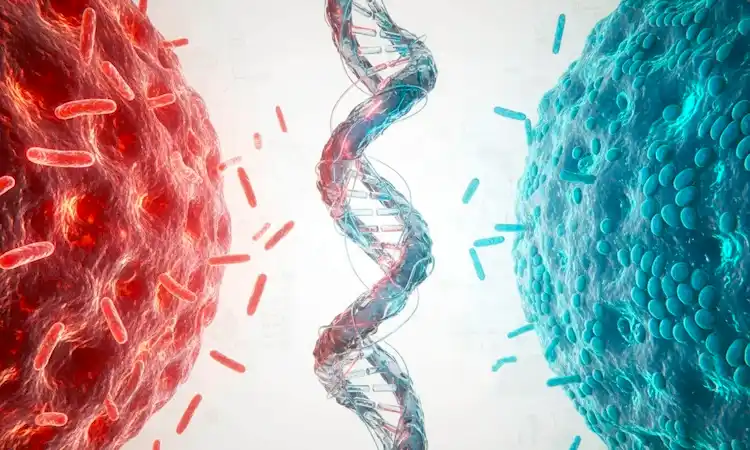
Inflammation isn’t always the enemy. It’s a built-in repair system that helps you fight infections, heal injuries, and clear damaged cells. The trouble starts when the signal stays on too long, fires too often, or shows up in the wrong places. That’s when you can feel it as stiff joints, slow recovery, headaches, skin flare-ups, gut issues, or that low-energy, run-down feeling that doesn’t match your sleep.
Most advice focuses on “lowering inflammation” as if it’s a single switch. Real control is more practical than that. You want the right amount, at the right time, for the right reason, then you want the body to turn it off. This guide breaks down the science in plain language and focuses on what you can measure, what tends to drive the problem, and what supports recovery. It also clears up common myths, like relying on a single blood test or assuming all inflammation is caused by food.
Inflammation Resolution: The Missing Off-Switch
A lot of people think the goal is to stop inflammation. The real goal is resolution. Resolution is the active process your body uses to end the inflammatory response and return tissue to normal function. It’s not just “inflammation fading out.” It’s a coordinated cleanup job.
Here’s what happens in a healthy response. You get a trigger, like a cut, a hard workout, or a virus. Immune cells release signals that increase blood flow and bring in reinforcements. That’s the red, warm, swollen phase. Then the body shifts gears. It starts clearing debris, removing spent immune cells, and rebuilding tissue. That shift matters. If it doesn’t happen, the body stays stuck in a loop, even when the original trigger is gone.
Resolution relies on specific molecules, often called specialized pro-resolving mediators (SPMs). They’re made from omega-3 fats like EPA and DHA. They don’t “block” inflammation the way some drugs do. They help immune cells stop overreacting, improve clearance of debris, and support tissue repair. This is one reason omega-3 intake can matter, not as a cure-all, but as a piece of the resolution system.
Common blockers of resolution include poor sleep, chronic stress, smoking, excess alcohol, and repeated tissue damage from overtraining or untreated injuries. Some infections can also keep the immune system engaged for longer. Another overlooked issue is nutrient status. Protein is needed for repair. Micronutrients like zinc, magnesium, vitamin D, and vitamin C support immune regulation and healing. Deficiencies don’t cause every problem, but they can slow the shutoff.
A fair counterpoint is that anti-inflammatory drugs work, and they do for pain and acute swelling. The tradeoff is that frequent use can hide signals you should address (like load management, mobility limits, or an underlying condition). Some drugs can also blunt training adaptation when used heavily around workouts. That doesn’t mean you should “tough it out.” It means you should use symptom relief while still fixing the trigger and supporting resolution.
Practical signs you’re resolving well include soreness that peaks and fades on schedule, fewer flare-ups from the same stress, and steadier energy. You can’t always feel resolution directly, but your recovery pattern tells a lot. Lowering inflammation helps, but real healing comes from switching on the body’s off-switch, as described in Inflammation Resolution and Resolvins (SPMs).
Biomarkers Beyond CRP: Measuring Inflammation Right
CRP gets most of the attention, and it’s useful. It’s a liver-made protein that rises when inflammatory signaling increases. High-sensitivity CRP (hs-CRP) is often used for cardio risk. Still, CRP is only one snapshot, and it can rise for reasons that aren’t chronic disease, like a cold, a tough training week, or a recent injury.
If you want to measure inflammation well, think in panels and patterns, not single numbers. A basic starting set can include hs-CRP, a complete blood count (CBC) with differential, and a metabolic panel. The CBC shows white blood cell patterns that hint at stress, infection, or immune skew, like neutrophils trending high or lymphocytes trending low. Platelets can rise with inflammation too. None of these prove a diagnosis by themselves, but they add context.
Other useful markers depend on your symptoms and goals. Ferritin is a good example because it’s both an iron storage marker and an acute-phase reactant. It can rise with inflammation even when iron status is poor. That’s why pairing ferritin with transferrin saturation and iron can prevent wrong assumptions. Fasting insulin, A1c, triglycerides, and HDL can also act like “metabolic inflammation” signals because insulin resistance and high triglycerides often travel with low-grade immune activation.
When gut issues or endotoxin load is suspected, some clinicians look at markers like zonulin (controversial and assay-dependent), calprotectin (more reliable for intestinal inflammation), or stool testing in specific cases. For autoimmune or rheumatologic symptoms, labs like ANA, RF, anti-CCP, ESR, and more targeted antibodies can be appropriate, guided by a clinician. You can also read a plain-language overview of CRP testing from MedlinePlus.
A common objection is that biomarkers can make people anxious and obsessed with optimizing numbers. That can happen. The fix isn’t ignoring data, it’s using it with rules. Test when you’re stable, not during illness. Don’t retest too often. Look for trends across at least two time points. Tie the numbers to symptoms and behavior changes.
Also, “normal range” doesn’t always mean “optimal for you.” Some people sit at the high end of normal CRP and feel fine, others don’t. Use biomarkers as tools, not verdicts. The point is to confirm whether your plan is working and to flag situations that need medical evaluation. CRP is just one part of the story. For better infiammation control, IL-6 and TNF can give a clearer view, as explained in Inflammation Markers Beyond CRP: IL-6, TNF.
Post-Meal Inflammation: When Glucose Spikes Drive ROS
After you eat, your body should handle glucose smoothly. When it doesn’t, you get a bigger glucose spike and a larger insulin response. That roller coaster can increase oxidative stress, often described as excess reactive oxygen species (ROS). ROS aren’t always bad. You need them for signaling. Problems start when production stays high and antioxidant defenses can’t keep up.
Big spikes are more likely with large, refined-carb meals, sugary drinks, desserts on an empty stomach, and meals low in protein or fiber. Sleep loss and stress also worsen glucose control, even if your diet is “clean.” Less muscle mass and less activity make it worse too because muscle is a major glucose sink.
Post-meal inflammation isn’t just about glucose. Certain fats can raise post-meal lipemia (triglycerides after eating), which can also add oxidative stress. Ultra-processed meals that mix refined carbs and fats often hit both pathways. That’s why the same calories can produce different after-meal effects.
You don’t need to fear carbs to reduce spikes. You need structure. Simple habits work well:
- Eat protein first, then fiber-rich carbs, then fats (meal order matters for many people).
- Pair carbs with protein and fiber, like rice with chicken and vegetables, or oats with Greek yogurt and berries.
- Choose minimally processed carbs more often, like potatoes, beans, fruit, and whole grains.
- Take a 10 to 20-minute walk after meals. It’s one of the most reliable tools for flattening glucose curves.
- Strength train regularly. More muscle improves glucose disposal.
Some people argue that spikes only matter for diabetes. That’s too narrow. Frequent large spikes can worsen hunger, energy swings, and cravings, and over time they can push insulin resistance. Still, you don’t need perfect flat lines. If you’re active, sleep well, and eat balanced meals, your body can tolerate occasional higher-glycemic foods.
If you use a CGM, don’t get lost in perfection. Look for patterns: which meals cause prolonged elevations, which habits fix them, and how sleep changes your response. The target isn’t zero variability, it’s better recovery and less time spent high. Glucose spikes do more than raise your blood sugar. They can also set off post-meal inflammation, as explained in Postprandial Inflammation: What Glucose Spikes. This matters for long-term infiammation control.
Circadian Inflammation: Immune Timing Controls Recovery
Your immune system runs on a clock. Many inflammatory signals rise and fall across the day, guided by circadian rhythms. Cortisol peaks in the morning for most people, helping regulate immune activity. Melatonin rises at night, supporting sleep and acting as an antioxidant in certain contexts. When your schedule fights these rhythms, inflammation tends to drift upward.
Short sleep increases inflammatory signaling quickly. Even one week of poor sleep can raise markers like CRP in some people and can worsen insulin sensitivity. Shift work, frequent late nights, and “social jet lag” (sleeping in on weekends) can all disrupt immune timing. You might notice it as slower recovery from workouts, more frequent colds, flares of pain, or mood changes.
Light is a major driver. Bright light at night, especially from overhead LEDs and phone screens close to the face, delays melatonin and shifts your clock later. Morning light has the opposite effect and helps anchor the day. Food timing matters too. Late-night meals can worsen glucose control and disturb sleep, creating a loop that keeps inflammatory tone higher.
A simple, effective foundation looks like this:
- Keep a consistent wake time most days.
- Get outdoor light within an hour of waking, even on cloudy days.
- Keep your bedroom cool, dark, and quiet.
- Stop large meals 2 to 3 hours before bed when you can.
- Limit alcohol, since it fragments sleep and can increase gut permeability.
Some people push back and say they “function fine” on 5 to 6 hours. You can function, but the immune system still pays a cost in many cases. Another counterpoint is that stress is the real issue, not sleep. Stress matters, but sleep loss amplifies stress responses and weakens recovery. They aren’t separate. For a clear overview of how sleep supports immune function, see the NHLBI guide on sleep deprivation and deficiency.
If you train hard, timing can help. Intense workouts late at night can raise body temperature and adrenaline, making sleep harder. That doesn’t mean you must train in the morning. It means you should test what lets you fall asleep easily and wake up rested. Recovery is where training benefits show up, and inflammation control depends on that recovery window. Circadian Inflammation: How immune timing shapes recovery, plus how light exposure can reset your body clock for better infiammation control, in Circadian Inflammation: Fix Immune Timing With Light.
Gut Barrier Inflammation: Endotoxin Load and LPS
Your gut barrier is a filter. It lets nutrients through while keeping most microbes and their byproducts inside the gut. When that barrier gets stressed, more bacterial fragments can pass into the bloodstream. One of the best-known is lipopolysaccharide (LPS), often called an endotoxin. Even small increases can trigger immune activity because the body treats it as a threat signal.
This doesn’t mean everyone has “leaky gut” as the root of all symptoms. It means gut integrity is one possible driver of low-grade inflammation, especially when paired with poor sleep, high alcohol intake, ultra-processed foods, or chronic stress.
Things that can increase endotoxin load include high-fat, low-fiber diets (less support for beneficial microbes), frequent alcohol, NSAID overuse, gut infections, and certain intense endurance events. Long runs and races can temporarily increase gut permeability due to reduced blood flow to the gut and heat stress. In those cases, fueling strategy and hydration matter.
Signs that point toward gut involvement include bloating, irregular stools, reflux, food sensitivity patterns, and skin issues that track with diet. Still, symptoms overlap with many conditions, so it’s smart to avoid self-diagnosis. If there’s blood in stool, unexplained weight loss, persistent diarrhea, anemia, or severe pain, medical evaluation matters.
Supportive steps are often simple:
- Increase fiber gradually using beans, oats, berries, chia, lentils, and vegetables.
- Include fermented foods if tolerated, like yogurt, kefir, kimchi, or sauerkraut.
- Reduce alcohol frequency and dose.
- Favor whole foods over ultra-processed snacks that combine refined starch, seed oils, and additives.
- Prioritize sleep, since the gut barrier responds to stress hormones.
A counterargument is that focusing on the gut turns into restrictive eating. That’s a real risk. The goal isn’t to cut endless foods. It’s to build tolerance and stability. Many people do better by adding supportive foods first, then seeing what triggers symptoms, rather than starting with strict elimination.
If you suspect a specific intolerance, structured trials help. Remove one variable for 2 to 4 weeks, track symptoms, then reintroduce. Random restriction creates confusion. A stable gut environment tends to lower immune noise across the body, which makes other inflammation strategies work better. When the gut barrier gets weak, endotoxin (LPS) can slip into the bloodstream and trigger whole-body inflammation, as explained in Endotoxemia and Inflammation: LPS From the Gut. This link matters for better infiammation control.
Neuroinflammation: Brain Fog as an Immune Signal
Brain fog isn’t a medical diagnosis, but it’s a real experience. People describe it as slow thinking, poor focus, forgetfulness, and feeling mentally “thick.” Neuroinflammation is one pathway that can contribute. When immune signals rise, the brain can shift into a protective mode that changes motivation, energy, and cognition. It’s part of the same biology that makes you want to rest when you’re sick.
Common drivers include poor sleep, chronic stress, blood sugar swings, infections, concussion history, and autoimmune conditions. Gut inflammation can play a role too through immune signaling and the vagus nerve. Another frequent contributor is air quality and allergens, which can raise inflammatory signaling in susceptible people.
It’s also important to separate inflammation from other causes that feel similar. Low iron, thyroid disorders, B12 deficiency, depression, anxiety, medication side effects, and dehydration can all look like brain fog. If fog is persistent, worsening, or paired with neurologic signs (weakness, new severe headaches, vision changes), get medical care.
For day-to-day support, basics work:
- Sleep on a consistent schedule. Deep sleep supports glymphatic clearance, the brain’s waste removal system.
- Eat steady meals with protein, fiber, and fats to reduce glucose swings.
- Move daily. Walking increases blood flow and tends to improve mood and focus.
- Manage caffeine. Too much can raise anxiety and worsen sleep, which backfires.
- Address nasal breathing and allergies if you wake congested.
Some people say brain fog is “just stress.” Stress can drive it, but it’s not imaginary. Stress hormones change immune activity, gut function, and sleep depth. Treat stress as biology, not a character flaw.
If you want a practical self-check, track fog against sleep length, alcohol, high-sugar meals, and training load. Patterns show up fast. When you reduce the triggers, many people notice clearer focus within days to weeks. That’s a strong hint that inflammation and recovery are part of the story. Neuroinflammation and brain fog can be your immune system sending a message. Learn how cytokines can shape thinking and focus in Neuroinflammation Symptoms: Brain Fog and Cytokines, with practical context for infiammation control.
Metaflammation: Visceral Fat as an Inflammation Organ
Metaflammation is low-grade, chronic inflammation tied to metabolic stress. It’s strongly linked to visceral fat, the fat stored around organs. Visceral fat isn’t just storage. It acts more like an endocrine organ, releasing inflammatory cytokines and signaling molecules that can affect the liver, blood vessels, and insulin response.
This is why two people with the same scale weight can have different risk. Waist size, waist-to-height ratio, and imaging measures of visceral fat often track metabolic inflammation better than BMI alone. Genetics, sex hormones, sleep, stress, and alcohol intake all influence where fat is stored.
Visceral fat tends to rise with a few common patterns: consistent calorie surplus, low activity, high stress with poor sleep, and diets heavy in ultra-processed foods. It also rises in some people during perimenopause and menopause due to hormonal shifts, even when habits don’t change much. That’s not a personal failure, it’s physiology, and it’s still modifiable.
The most reliable reducers of metaflammation are not exotic:
- Strength training 2 to 4 times per week. It improves insulin sensitivity and preserves muscle during fat loss.
- Regular walking, especially after meals.
- A modest calorie deficit if fat loss is needed, with enough protein to protect lean mass.
- Higher fiber intake, which improves satiety and supports gut microbes.
- Lower alcohol intake, since alcohol promotes visceral fat gain in many people.
A counterpoint is that inflammation can cause weight gain, not the other way around. That can be true in cases like chronic stress, sleep loss, certain medications, and endocrine disorders. Still, for many people, reducing visceral fat reduces inflammatory load, even when the initial cause was mixed.
You don’t have to chase extreme leanness. Small changes in waist size and fitness can produce meaningful improvements in triglycerides, blood pressure, fasting insulin, and hs-CRP. Focus on habits you can repeat, because visceral fat responds best to consistency, not short bursts. Metaflammation: Visceral Fat as an Inflammation Organ, take a closer look at how insulin resistance and immune signals connect in metabolic inflammation, with a focus on visceral fat and insulin.
Glycation & AGEs: Inflammation That Stiffens Tissue
Glycation happens when sugar binds to proteins or fats without an enzyme. Over time, this can form advanced glycation end-products (AGEs). AGEs can stiffen tissues by cross-linking collagen, and they can activate immune pathways through receptors like RAGE (receptor for advanced glycation end-products). The result can be more oxidative stress and more inflammatory signaling.
AGEs build up from two main sources: internal production (higher when glucose is often high) and diet (higher in foods cooked at high heat, like frying, grilling, and roasting until browned). This doesn’t mean browned food is poison. It means cooking methods can change the load.
Glycation is part of aging, but the speed matters. People with diabetes tend to have higher AGE burden because glucose is elevated more often. You can see a hint of long-term glycation in A1c, which reflects average blood sugar over about 3 months. It’s not a perfect marker of AGEs, but it’s practical.
To reduce glycation pressure:
- Improve post-meal glucose control with balanced meals and after-meal walks.
- Choose cooking methods that produce fewer AGEs more often, like steaming, boiling, stewing, poaching, and slow cooking.
- Use acidic marinades (lemon, vinegar) when grilling, since they can reduce AGE formation.
- Eat more foods that support antioxidant defenses, like berries, leafy greens, herbs, and spices.
A pushback here is that focusing on AGEs can become food fear. It shouldn’t. You don’t need to stop grilling forever. You need a weekly pattern that keeps glucose under control and avoids constant high-heat, heavily browned cooking. The body can handle occasional higher AGE meals, especially if you’re active and metabolically healthy.
If you deal with stiff joints, tendon issues, or slow skin healing, glycation isn’t the only cause, but it can contribute. Pair better glucose control with strength training and adequate protein, since tissues need building blocks to repair. Over time, less glycation pressure means less tissue stiffness, calmer immune signaling, and better resilience. Glycation and AGEs, inflammation that makes tissue stiff, learn how smart food choices can cut down molecular damage from Advanced Glycation End Products with a lower-AGEs diet.
Conclusion
Inflammation control isn’t about silencing the immune system. It’s about getting the signal when you need it, then letting the body shut it down and rebuild. That means you focus on resolution, not just suppression. You also measure wisely, because CRP alone can’t tell the whole story.
If you want the biggest return, start with the basics that touch every pathway in this guide: consistent sleep, steady blood sugar, regular movement, enough protein and fiber, and fewer ultra-processed meals and alcohol-heavy nights. Then zoom in on your likely drivers, like gut symptoms, post-meal crashes, stubborn visceral fat, or brain fog that tracks with stress and poor sleep.
Progress looks like fewer flare-ups, faster recovery, steadier energy, and better lab trends over time. Keep the plan simple enough to repeat, track patterns, and get medical input when symptoms are persistent or severe. When the inputs improve, inflammation usually follows.

Gas S. is a health writer who covers metabolic health, longevity science, and functional physiology. He breaks down research into clear, usable takeaways for long-term health and recovery. His work focuses on how the body works, progress tracking, and changes you can stick with. Every article is reviewed independently for accuracy and readability.
- Medical Disclaimer: This content is for education only. It doesn’t diagnose, treat, or replace medical care from a licensed professional. Read our full Medical Disclaimer here.