

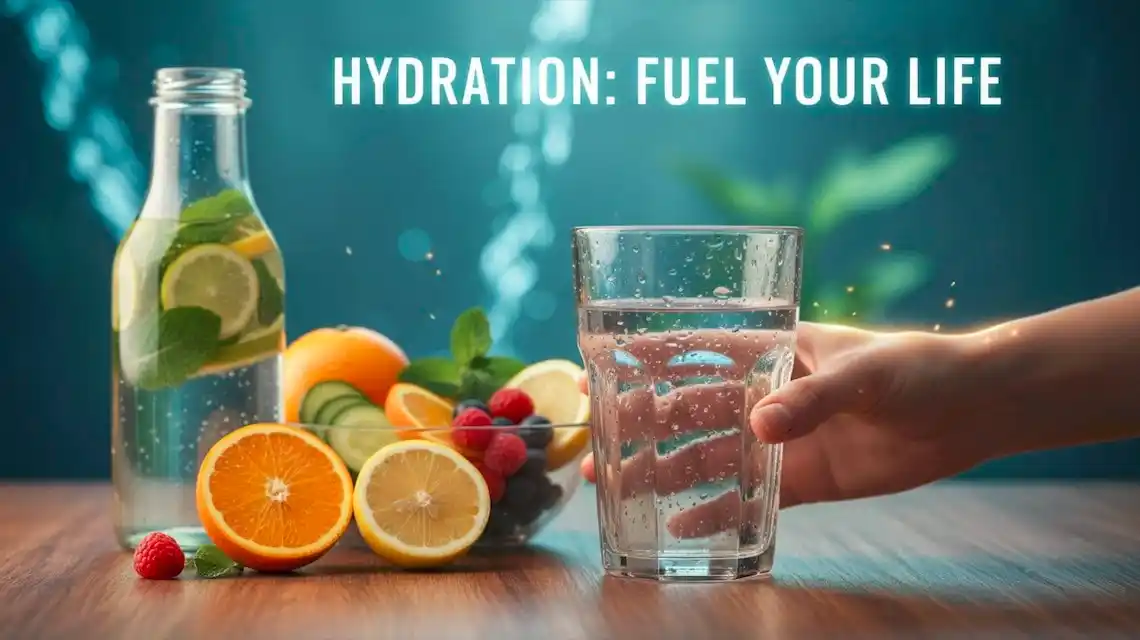
You probably think about food, sleep, or steps on your fitness app. Water often comes last. Yet your body runs on fluid the way a car runs on gas. When you are low on water, everything feels a bit harder, even if you do not notice it right away.
Hydration simply means having enough water in your body so it can work well. This is true for kids, teens, adults, and older adults, not just runners or gym fans. The importance of hydration shows up in how you think, move, and feel each day.
Even mild dehydration can change your mood, drop your energy, and make it tough to focus. That long afternoon meeting, a drive home in traffic, or your kid’s homework time all feel heavier when your body is short on water.
What Hydration Does Inside Your Body
Water touches almost every part of how your body works. Scientists see water as a basic building block, not an extra. Research on water, hydration, and health shows that fluid balance affects your heart, brain, kidneys, and more.
Let’s look at a few clear, everyday roles water plays.
Hydration keeps your cells, organs, and skin working properly
Your body is made of mostly water. Every cell needs fluid to bring in nutrients and carry out waste. When there is not enough water, this traffic inside your body slows down.
Water helps to:
- Carry vitamins, minerals, and oxygen to your cells
- Flush out waste through your kidneys and urine
- Keep joints cushioned and moving smoothly
You can often see early signs on the outside. Your skin may look dull or feel tight. Your mouth may get dry and sticky. These are simple clues that your body is asking for more fluid.
Water fuels your brain, mood, and ability to focus
Your brain is very sensitive to fluid changes. Even a small drop in hydration can affect how clearly you think. A review on the health benefits of drinking enough water notes links between hydration and better mood, memory, and attention.
When you are a bit dehydrated, you may notice:
- Headaches or a heavy feeling in your head
- Trouble staying focused in class, at work, or while driving
- Feeling grumpy, stressed, or more tired than usual
Think about times you felt “foggy” staring at a screen. Often, you have sat for hours without a sip of water. A small drink will not fix every problem, but it can make your brain’s job much easier.
Hydration supports energy, digestion, and body temperature
Water helps you turn food into usable energy. It plays a part in breaking down what you eat and moving it through your gut. When you do not drink enough, constipation becomes more likely, and your stomach may feel heavy or uncomfortable.
Hydration also helps control your temperature. When you get hot, you sweat. As sweat dries, it cools your skin. If you do not replace that fluid, your body struggles to stay at a safe temperature, especially in hot weather or during exercise.
That is why long walks, yard work, sports, and even hot indoor jobs require extra attention to drinking fluids.
How Much Water Do You Really Need Each Day?
There is no single perfect number for everyone, but you can use simple rules to stay in a healthy range. Health experts, such as those at the Mayo Clinic, offer general daily water targets, then note that your personal needs can shift.
Simple rules of thumb for daily water intake
A common guide for many adults is to aim for about 8 cups of fluid a day. For some people, the right amount will be a bit less, and for others, a bit more. Your size, age, activity level, and climate all play a part.
Remember that:
- Plain water should be your main drink
- Milk, a glass of herbal tea, coffee in moderate amounts, and soups also count
- Water-rich foods help too, such as fruits, veggies, and yogurt
A good everyday goal is to drink enough so your urine is light yellow or pale straw colored. That simple check can tell you more than any fancy formula.
When you need extra hydration: heat, exercise, and illness
Some days, your body needs more fluid than usual. You lose extra water when you:
- Exercise or play hard
- Work in hot or humid weather
- Have a fever, vomiting, or diarrhea
- Are pregnant or breastfeeding
Instead of chugging a huge bottle at once, try to sip steadily. Drink a glass of water before you start activity, take small sips during, and drink again after. This gentle, steady intake helps your body use the water better and can reduce stomach upset.
If you are sick and cannot keep fluids down, or you notice signs of serious dehydration, contact a doctor or urgent care.
Easy Daily Habits To Stay Hydrated Without Overthinking It
You do not need a perfect routine or a special app to support good hydration. A few small habits can fit into almost any day and still make a real difference over time.
Spotting early signs of dehydration before it gets serious
Catching dehydration early keeps it from turning into a bigger problem. The Mayo Clinic list of dehydration symptoms matches what many people feel in real life.
Common early signs include:
- Dark yellow or strong-smelling pee
- Dry mouth or cracked lips
- Feeling very thirsty
- Feeling tired, lightheaded, or weak
- Having more headaches than usual
More serious signs can include confusion, very dry skin, no tears when a child cries, or no pee for many hours. In those cases, medical help is important, especially for babies, older adults, or anyone with other health problems.
Practical tips to drink more water during a normal day
You do not have to be perfect, just consistent. Small choices add up.
Try a few of these ideas:
- Keep a reusable bottle at your desk, in your bag, or in the car
- Drink a glass of water with each meal and snack
- Add lemon, berries, or cucumber slices for gentle flavor
- Set simple phone reminders if you tend to forget
- Choose water instead of soda or juice most of the time
- Eat water-rich foods like oranges, watermelon, cucumber, and lettuce
If you want more ideas, you can check out Cleveland Clinic’s guide on how to prevent dehydration, then pick one or two tips that feel easy for you.
You can also link hydration to a habit you already have. For example, drink a small glass of water every time you brush your teeth, make coffee, or sit down at your computer. Habit pairs like this are simple and easy to remember.
Conclusion
Water might look plain, but it supports nearly everything you care about: steady energy, clear focus, stable mood, smooth digestion, and comfortable movement. When you understand the real importance of hydration, it becomes less of a chore and more of a daily support tool.
You do not need to change your whole life. Choose one or two small steps, like refilling a bottle twice a day, drinking a glass of water with breakfast, or checking the color of your pee this afternoon. Then build from there.
Your future self, the one who feels a bit sharper, calmer, and more comfortable in their own body, will be glad you made hydration a quiet daily habit. So pause for a second, take a sip, and let that simple choice work for you.
Importance of Hydration FAQs:
How much water do I really need each day?
Most healthy adults do well with about 8 cups (2 liters) of fluids per day. That includes water, herbal tea, milk, and water from foods like fruits and soups.
Your needs go up if you are:
- Exercising or sweating a lot
- In hot or humid weather
- Pregnant or breastfeeding
A simple check: your urine should be pale yellow. If it is dark, you probably need more fluids.
Why is hydration so important for my body?
Water supports almost every function in your body. Staying hydrated helps:
- Keep blood volume steady, so your heart does not work as hard
- Carry nutrients and oxygen to your cells
- Regulate body temperature through sweat
- Cushion joints and protect tissues
- Support digestion and regular bowel movements
Even mild dehydration can affect energy, focus, and mood, and can trigger headaches.
What are the signs that I am not drinking enough water?
Common signs of mild dehydration include:
- Thirst and dry mouth
- Dark yellow or strong-smelling urine
- Tiredness or low energy
- Headaches
- Dizziness when standing up
- Dry skin or lips
If you feel very thirsty, confused, weak, or stop sweating in the heat, that is more serious. You should get medical help right away.
Does coffee, tea, or soda count toward my daily water intake?
Yes, most drinks do count toward your daily fluids. Your body still uses the water in coffee, tea, and soft drinks.
That said, it is smart to:
- Limit very sugary drinks, since they can affect blood sugar and weight
- Watch your caffeine intake, since too much can cause jitters or sleep problems
Try to make plain water your main drink, and use other drinks as extras, not your only source.
Can I drink too much water?
Yes, although it is rare for most people. Drinking a huge amount of water in a short time can upset your electrolyte balance, which can be dangerous.
You might be drinking too much if you:
- Feel bloated or nauseous from water
- Need to pee very often, even at night
- Have clear urine all day long
Stick with steady sipping through the day instead of forcing huge amounts at once. If you have kidney, heart, or hormone conditions, ask your doctor about a safe fluid range for you.
Is thirst a reliable sign that I need water?
Thirst is helpful, but it is not perfect. By the time you feel thirsty, you are often already a bit dehydrated .
This is especially true for:
- Older adults, whose thirst signal can be weaker
- Athletes, who may ignore thirst during training or games
Use thirst as a guide, but also pay attention to urine color and how you feel. Regular sipping helps you stay ahead of thirst.
How can I stay hydrated if I do not like plain water?
You have options that still keep sugar in check:
- Infused water: Add slices of lemon, lime, cucumber, berries, or mint.
- Sparkling water: Choose unsweetened flavors for a fizzy option.
- Water-rich foods: Eat more watermelon, oranges, cucumber, tomatoes, and soups.
- Herbal teas: Drink them hot or iced, without much added sugar.
Find a few that you enjoy so drinking more does not feel like a chore.
Does hydration affect weight loss or fitness?
Hydration supports both weight management and exercise performance.
For weight and appetite:
- Water can help you feel full, which may cut down on snacking
- Thirst can feel like hunger, so a glass of water first can help you tell the difference
For fitness:
- Even mild dehydration can reduce strength, speed, and endurance
- Good hydration helps regulate body temperature and reduces cramps
A helpful habit: drink a glass of water 30 minutes before workouts, sip during longer sessions, and rehydrate afterward.

Gas S. is a health writer who covers metabolic health, longevity science, and functional physiology. He breaks down research into clear, usable takeaways for long-term health and recovery. His work focuses on how the body works, progress tracking, and changes you can stick with. Every article is reviewed independently for accuracy and readability.
- Medical Disclaimer: This content is for education only. It doesn’t diagnose, treat, or replace medical care from a licensed professional. Read our full Medical Disclaimer here.