

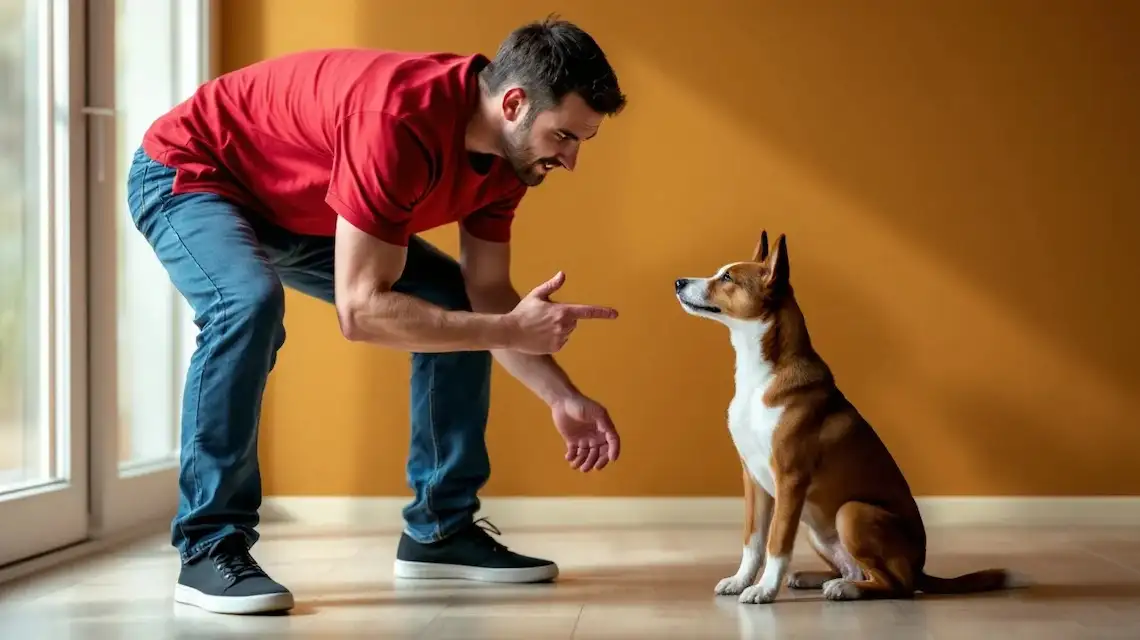
The first week with my pup was pure joy and mild chaos. He chased socks, chewed a sandal, then curled up like an angel. I wanted a well behaved dog, and I wanted to keep that goofy spark.
You don’t need fancy tools or a trainer on speed dial. Training at home works because it fits real life. Short sessions, simple cues, and rewards you already have, like treats and praise. Your living room, hallway, and yard become practice zones.
When you learn how to train your dog at home, you get more than good manners. You build trust, teach your dog how to focus, and make daily life easier. Walks feel calm, guests feel welcome, and your dog looks to you for what to do.
Here’s what this guide will cover so you know what’s coming:
- Setup: how to organize your space, treats, and tools.
- Core cues: sit, down, stay, come, and leave it.
- House manners: potty routine, crate time, greeting people.
- Problem fixes: barking, jumping, pulling, and nipping.
- Daily plan: short practices that fit a busy schedule.
- Rewards: what to use, when to give them, when to fade them.
- Common mistakes: how to avoid confusion and backsliding.
We’ll keep it simple and steady. You’ll use positive reinforcement, clear words, and tiny steps that add up. Five minutes, a few times a day, can change the vibe in your home.
Ready to start? Grab a few soft treats, pick one cue, and try a quick win. You’ll see progress fast, and your bond will grow stronger with each small success.
Why Train Your Dog at Home and How to Get Started
Home training fits real life. You can work in short bursts, match your dog’s pace, and keep it fun. Can save money on classes, and you get personalized attention for your dog. You also get to practice where behavior matters most, inside your home and on your block. That is why learning how to train your dog at home pays off fast.
Start with a simple plan. Pick one or two goals for the next two weeks, like “sit at doors” or “come when called in the yard.” Keep sessions short, 3 to 5 minutes, a few times a day. End on a win and stop before your dog gets bored. Small steps add up, and steady practice builds trust.
Create a Calm Training Zone
Clear a corner of your living room or kitchen, turn off the TV, and put your phone away. Keep treats, a leash, and a toy within reach so you do not lose focus hunting for supplies. If you have kids, ask them to pause for a few minutes while you train.
Know your dog’s needs. Puppies need more breaks and naps. Teens have energy to burn and short focus. Seniors may need softer treats and gentle movements. Breed traits matter too. A herding dog might want tasks that use the brain, while a scent hound may need sniff breaks. This helps you set realistic goals and avoid stress.
Build a routine you can keep. Link training to daily moments. Ask for a sit before meals, a down before the leash goes on, or a touch cue at the door. Use a simple cue, clear timing, and a tiny reward. If you miss a session, do not sweat it. Pick it up at the next meal or walk. Consistency beats marathon sessions, and a light, positive tone keeps your dog eager to learn.

Choosing the Right Tools for Home Training
You do not need much to start strong. A few smart tools make timing clean and rewards clear. Here are beginner-friendly picks with why they help and where to get them.
- Clicker: Marks the exact moment your dog gets it right. The click cuts through noise and helps you reward faster. Budget options cost a few dollars at pet stores, Amazon, or big-box stores. If you do not have one, use a crisp “yes” as a marker.
- High-value treats: Tiny, soft bites keep attention and speed up learning. Think pea-sized bits of chicken, cheese, or store-bought soft trainers. Shop grocery stores, pet shops, or online. For budget, cook a chicken breast and dice it small.
- Treat pouch: Keeps rewards handy so you do not fumble. Look for a clip-on pouch with a magnetic top. Cheap versions are at Walmart, Chewy, or local pet stores. A zip bag in your pocket works in a pinch.
- Lightweight leash and flat collar or harness: Gives control without harsh pressure. A 4 to 6 foot leash is perfect indoors and in the yard. Buy a basic nylon leash and a flat collar or a well-fitted harness. Budget sets are easy to find at Target or dollar stores with pet aisles.
- Tug toy or ball: Adds play as a reward, which helps dogs who love movement. Choose a soft tug for indoor use and a ball for yard play. Look for sales at pet outlets or grab a rope toy online. For budget, braid a DIY tug from old T-shirts.
Use one tool at a time so your dog learns what each means. Keep treats tiny, keep toys special, and keep your click clean.
Assessing Your Dog’s Readiness and Temperament
Training goes smoother when you match the plan to your dog’s mood and style. A quick check before each session helps you set the right level.
Start with energy level. Is your dog bouncy, mellow, or wired from a nap? High energy dogs may need a 5-minute sniff walk or a quick game of tug before work. Low energy dogs may do best with calm, simple cues and short breaks.
Watch attention span. Try a 10-second name game. Say the name, wait for eye contact, then reward. If focus fades after three tries, switch to an easier task or shorten reps. Puppies and teens often need three 1-minute bursts with pauses between.
Check for fears or triggers. Notice ear position, tail, and tension. Lip licking, yawning, or looking away can mean stress. Lower the challenge, move farther from distractions, or try a quieter room. Keep the tone light and use extra-soft rewards.
Gauge motivation so you can pick the best payment. Try a quick test:
- Offer a soft treat in one hand and a favorite toy in the other.
- See which your dog chooses three times in a row.
- Use that reward first in training, then mix the other in to keep it fresh.
Adjust for age and health. Puppies need more rest and gentle handling. Adult dogs can handle a bit more challenge but still benefit from short intervals. Seniors may prefer slower cues, low-impact moves, and softer surfaces.
Set a simple start point. Two or three cues, three minutes each, twice a day. End early if your dog glances away, licks lips, or huffs. End on a success if your dog nails it, then praise and release to a break. Keeping sessions short and upbeat makes your dog want the next round.
Teaching Essential Commands Step by Step
Core cues give your dog structure and confidence. You can teach them in your living room with a few treats and a clear plan. If you want to know how to train your dog at home, start with simple steps, short reps, and fair rewards. Work one command at a time so your dog wins early and wants more.
How to Train Your Dog to Sit and Stay on Command
Teach sit first. It is simple, fast, and sets up other cues.
- Hold a soft treat to your dog’s nose. Move your hand up and back over the head. This lure shifts weight to the hips. As the butt touches the floor, say “Sit”, then mark with a crisp “Yes” and feed.
- Add a hand signal. Use a smooth upward motion from waist to chest.
- Fade the lure. Ask for sit with the hand signal, then treat from your other hand.
- Practice in sets of five. Do two or three sets in a calm room.
Common fix: If your dog jumps up, keep the treat close to the nose, move slower, and reward the instant the butt touches down. If your dog backs up, train near a wall to prevent scooting.
Turn sit into stay once the sit is solid.
- Ask for sit. Show a flat palm in front of your dog’s face and say “Stay.”
- Count to one, mark, and pay. Release with “Free” or “Okay.”
- Add time, then distance, then mild distractions. Change one thing at a time.
- If your dog breaks, reset without scolding, then make it easier.
Daily integration ideas:
- Sit before meals, doors, and the leash clip.
- Stay for two seconds while you place the bowl, then build to five, ten, and fifteen.
- Keep it short and upbeat. End while your dog still wants more.
Mastering Recall and Down for Better Control
A clean recall keeps your dog safe and close. Start short and fun.
- Indoors, clip a light leash. Stand a few feet away. Say your dog’s name, pause, then “Come.” Open your arms as the hand signal.
- When your dog starts toward you, mark and reward at your feet. Hold the treat low so your dog comes all the way in.
- Add a gentle collar touch, then pay, so handling feels good.
- Practice hallway sprints, then try room to room. Keep it a party.
Small room variation: Toss a treat away, then call as your dog turns back. Larger room variation: Use a long line for safety and add light distractions, like a dropped toy.
Safety payoff: A strong recall prevents door dashes and stops driveway drift. If your dog hesitates, reduce distance, raise reward value, and keep your tone bright.
Teach down with calm guidance.
- From a sit, place a treat at the nose and slide your hand straight to the floor. Then move it out a few inches like a path. Say “Down.”
- The moment elbows touch, mark and pay on the ground.
- Add a hand signal, like a finger point to the floor.
- If your dog pops up, go slower, keep the lure close, or start from a low platform like a folded blanket.
Home practice plan:
- Day 1 to 2, sit reps and a few short stays.
- Day 3 to 4, recall games in the hall.
- Day 5 to 6, add down on a mat.
- Day 7, review the easiest versions of each.
This is how to train your dog at home with calm steps and real progress. Stay patient, pay well, and your dog will choose the right move more often.
Addressing Common Behavior Issues During Home Training
Behavior hiccups happen, even with a solid plan. The home setting helps you spot triggers fast and fix them in minutes. Use short redirections, fair timeouts, and better outlets. When you learn how to train your dog at home, you get quick reps in real life moments that stick.
Stopping Excessive Barking and Destructive Chewing
Barking often comes from boredom, alerting to sounds, or frustration at windows. Start by removing the fuel.
- Close blinds, play soft white noise, and park a snuffle mat or stuffed Kong before busy hours.
- Teach a quiet routine without formal cue work. When your dog pauses between barks, whisper “quiet,” drop three tiny treats on the floor, then engage a calm chew.
Chewing needs outlets. Keep a chew station in each room so redirection is easy.
- Best picks: rubber stuffable toys, nylon chews sized for your dog, braided rope for supervised tug, and frozen food toys for longer sessions.
- Redirection script: “Take it,” offer the chew, praise when your dog settles, then remove access to the tempting item.
- Use crate or pen timeouts for 1 to 3 minutes if your dog fixates on off-limits objects. Timeouts should be calm, not scolding.
Prevent problems with daily exercise plus brain work. Aim for two brisk play blocks, two sniffy mini-walks in the yard or hall, and one five-minute puzzle.
Track progress with a simple log:
- Morning, afternoon, evening rows.
- Columns for bark count, chew swaps, and calm minutes.
- Celebrate small wins, like fewer barks during deliveries or longer chew times.
Managing Leash Pulling and Jumping Greetings
Practice loose-leash walking at home first. A hallway or yard keeps choices clear.
- Stand still. When the leash slackens, say “yes,” then step forward.
- Move again only when the leash is slack. If it tightens, stop. Your movement is the reward.
- Add three-step patterns in the hall, turn often, and pay for staying near your hip.
For jumping, make calm greetings pay well.
- Walk in, drop treats to the floor before paws launch, then greet. If jumping happens, turn away, count to three, and try again.
- Ask family to follow the same rule: four paws on the floor pays, jumping ends attention.
- Real-life drill: doorbell rings, leash on, bowl of scatter treats nearby. Open the door a crack, toss treats behind your dog, let the guest in while your dog sniffs. Repeat for two-minute sets.
Keep it humane and steady. Mix short play bursts, puzzle toys, and scent games to burn energy, then run these quick home reps. Consistency from everyone in the house turns chaos into habit.
Advanced Tips to Elevate Your Home Training Routine
Add a few smart upgrades to keep momentum high and prevent boredom. These ideas fit both apartments and houses, and they make your dog more confident, calm, and responsive. If you want to know how to train your dog at home with lasting results, build safe structure, positive social time, and fun tricks into your routine.
Incorporating Crate Training and Basic Socialization
Treat the crate as a bedroom, not a penalty box. Go slow so your dog chooses to relax there.
- Place the crate in a quiet spot. Add a soft mat and a chew.
- Toss treats inside and let your dog walk in and out. No door closing yet.
- Feed meals at the door, then inside the crate. Close the door for 30 to 60 seconds while your dog eats.
- Add short rest breaks after play or walks. Start with 2 to 5 minutes, then build to 15 to 30 minutes.
- Pair the crate with a cue like “kennel,” a scatter of treats, and a calm exit.
Apartment tip: use white noise and cover three sides for privacy. House tip: set up one crate in a quiet room and a second lightweight pen near family life.
Keep socialization rolling at home when outings are limited:
- Virtual playdates: hop on a video call while you feed treats, so new voices and movement feel safe.
- Neighbor meetups: short, on-leash hellos in the hallway or yard, then end with a sniff walk.
- Sound practice: play low-volume clips of doorbells, skateboards, or baby noises while you hand out treats.
These habits reduce anxiety, improve focus, and make obedience stick in real life.
Include family members. Assign tiny jobs, like “morning kennel” or “evening treat drops.” Track progress in a shared journal: crate minutes, calm settles, new people seen. Small notes help you see trends and celebrate wins.
Fun Tricks to Boost Bonding and Obedience
Tricks add joy and sharpen cues without pressure. Keep reps short and playful.
- Shake: ask for sit, present your hand, wait for paw lift, mark, then pay. Add the word “shake” once the behavior repeats.
- Spin: lure a circle at nose level, mark, then pay. Add the cue “spin” when your dog follows your hand reliably.
- Touch: present your palm, your dog boops it with a nose, mark, then pay. Touch helps with recalls and loose-leash turns.
Variations for skill levels:
- Beginner: one clean rep, big praise, then break.
- Intermediate: add a 2-second stay before shake or a sit before spin.
- Advanced: chain cues, like sit, shake, spin, then touch, with a jackpot at the end.
Keep it fun to avoid burnout:
- Use high-value treats for new steps, then switch to praise or play.
- Stop while your dog still wants more.
- Rotate tricks daily to keep curiosity high.
Tricks reinforce core training, improve body awareness, and deepen your bond. Over time you get a well-adjusted dog who listens, relaxes faster, and enjoys the work.
Conclusion
You have a clear path now. Keep sessions short, pay well, and build one skill at a time. Focus on core cues like sit, down, stay, come, and leave it. Tie training to daily moments, keep tools handy, and pick rewards your dog loves. Use simple fixes for barking, chewing, pulling, and jumping, then add crate time, calm social time, and a few fun tricks.
Start small today. Try two minutes of sit and a quick recall in the hall. Mark clean, reward fast, and end on a win. Track tiny gains, like fewer barks at the window or a longer stay. These reps add up.
If you want more structure, explore training apps with clicker timers and habit trackers. Read short, practical guides like The Power of Positive Dog Training or Don’t Shoot the Dog! for reinforcement basics. Keep notes so you see progress, even on busy weeks.
This is how to train your dog at home with confidence and care. Stay patient, stay consistent, and keep it fun. Begin now, celebrate every step, and enjoy the steady shift toward a calmer, closer life together.
Related post: Can a Dog Eat Cat Food?
How to Train Your Dog at Home FAQ:
How long should each training session be?
Keep sessions short, about 5 to 10 minutes. Do two to four sessions per day. Stop before your dog loses focus. End on a win so your dog stays eager.
What does positive reinforcement mean?
Reward the behavior you want. Use treats, toys, or praise. Mark the right moment with a clicker or a short word, like “Yes.” Reward within one second.
Do I need a clicker?
No, a marker word works fine. A clicker gives a crisp, consistent sound. If you use a word, keep it the same and say it once.
Which treats work best?
Use pea-sized, soft treats your dog loves. High-value treats beat dry kibble when learning hard skills. Reduce meal size to prevent weight gain.
How often should I train?
Daily, even if only for a few minutes. Mix skills into real life, like sits before meals or doorways. Consistency builds habits.
How do I house-train a puppy?
Take your puppy out often, every 30 to 60 minutes at first. Go after naps, play, and meals. Reward outside, not after you come back in. Supervise indoors, use a crate, and manage water late evening.
What is crate training, and is it humane?
A crate can be a safe den when used well. Introduce it slowly with treats and meals inside. Keep sessions short and calm. Never use the crate as punishment.
How do I stop leash pulling?
Use a front-clip harness, then teach your dog that a loose leash moves you forward. When the leash tightens, stop. When it loosens, walk. Reward beside your leg.
How can I teach a solid recall?
Start indoors with no distractions. Say your cue once, reward fast, then release. Make coming to you pay better than anything else. Keep a long line outside until it is reliable.
How do I prevent jumping on people?
Remove the payoff. Stand still, avoid eye contact, and wait for four paws down. Mark and reward calm sits. Ask guests to do the same.
How do I stop barking at the door or window?
Manage first, block views or use baby gates. Teach an alternate behavior, like “go to mat.” Reward quiet and calm. Practice with staged knocks and low-level sounds.
What should I do about nipping or mouthing?
Offer a toy to bite instead. If teeth touch skin, pause play for a few seconds. Resume when calm. Puppies explore with mouths, so give lots of chew options.
When should I socialize my puppy?
Start early, from 8 to 16 weeks, once your vet says it is safe. Pair new people, places, and sounds with treats. Keep it calm and positive, not forced.
How do I keep my dog focused at home?
Cut distractions at first. Train in a quiet room, then add mild noise or distance. Reward focus with short, fun reps. End before your dog checks out.
How do I fade treats later?
Switch to a variable schedule. Reward some reps with food, others with play or praise. Keep surprise rewards for tough work. Do not stop all rewards at once.
What basic cues should I start with?
Start with name recognition, sit, down, come, stay, leave it, and drop it. Add place and loose-leash walking. Keep cues short and consistent.
How do I fix mistakes without scaring my dog?
Withhold the reward, reset, and make the task easier. Lure or guide, then reward the correct choice. Avoid yelling or harsh tools.
What gear do I really need?
A flat collar or harness, a 6-foot leash, a long line for recall, and soft treats. A crate or pen helps management. Skip prong or shock collars at home training.
How do I handle separation distress?
Start with very short absences. Pair departures with a special chew. Use a camera to watch signs. If your dog panics, talk to a vet or qualified trainer.
Can older dogs learn new skills?
Yes, they can. Use softer treats and shorter sessions. Check for pain if your dog seems slow or avoids moves. Adjust for comfort.
How do I train more than one dog at home?
Work one dog at a time to cut conflict. Use gates or tethers. Rotate reps, then practice calm together time.
How do I keep training fun?
Mix games like hide-and-seek, scatter feeding, and puzzle toys. Use short bursts with big payoffs. End while your dog still wants more.
How do I proof behaviors in real life?
Change one thing at a time. Vary distance, duration, and distractions. Reward generously for success in harder spots.
What if my dog guards food or growls?
Do not punish the growl, it is useful info. Manage space, trade up with high-value food, and contact a qualified behavior pro. Safety first.
How quickly should I expect results?
Simple cues can improve in days. Reliability in real life takes weeks. Practice often, keep sessions short, and raise difficulty slowly.
When should I call a professional?
If you see aggression, intense fear, bites, or no progress after consistent work. Choose certified trainers who use reward-based methods. Your vet can help rule out health issues.
 Dog Trick Training for Beginners
  Gingivitis Cats Symptoms Every Pet Parent Should Know
  How to Make Dog Cookies at Home
  Wet Food or Dry Food for Cats?
  What Is the Healthiest Hamster Breed for Your Home?
  Cat Food Intolerance Symptoms: How To Spot Them Early