

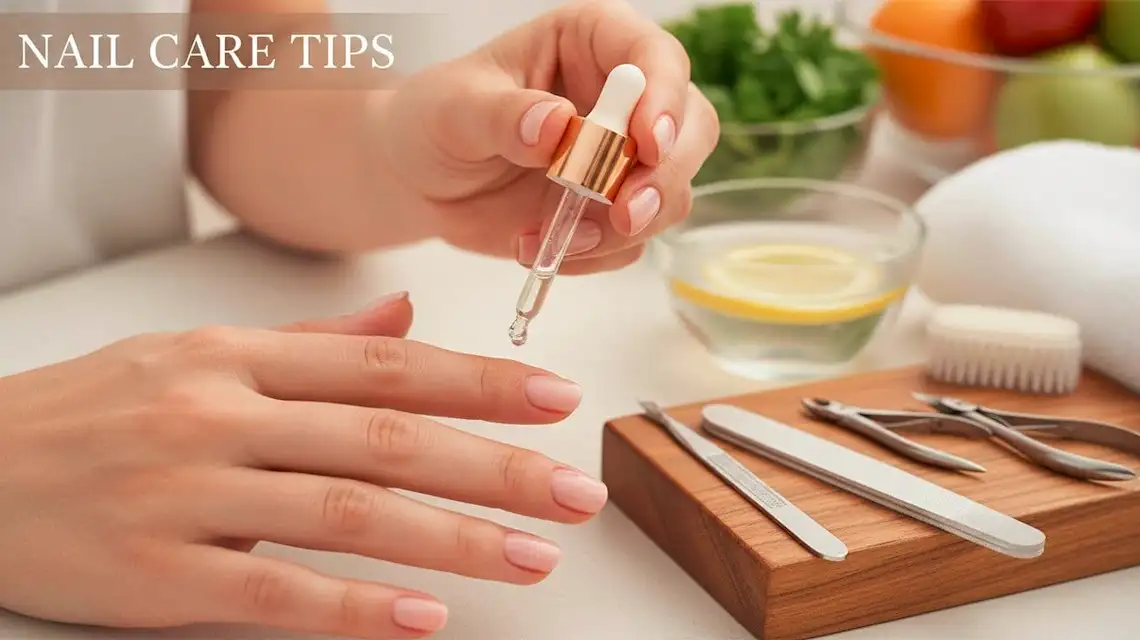
Healthy nails feel good, look clean, and make daily tasks easier. If you have ever snagged a sweater on a split nail, you know the pain. Learning how to take care your nails sets you up for fewer breaks, less peeling, and a smoother polish job. You do not need a fancy routine or expensive tools. You need the right habits done on repeat.
This guide shows you the basics that actually work. You will get daily care, a weekly routine, safe manicure steps, and fixes for common problems. We will also cover when it is time to call a pro. If you want a practical path to tidy, strong nails, start here.
Know Your Nails: What Healthy Nails Look Like and Why It Matters
Nails are small, but they tell you a lot about your health and habits. The nail you see is the plate, a stack of hardened protein. It protects the fingertip, helps you pinch and pick up things, and shields the skin underneath.
Strong nails come from smart daily care and gentle handling. They also reflect how you eat, wash your hands, and deal with polish. Healthy nails look smooth, have an even color, and hold a stable shape. Unhealthy nails can split, peel, or thicken. They might change color, lift from the bed, or hurt at the edges.
Common mistakes can slowly wear down the plate. Using nails to scrape off stickers can cause cracks. Biting breaks the seal and invites germs. Cutting cuticles removes your natural barrier and raises your infection risk. Over-buffing thins the plate, so it peels. Hot water and harsh removers strip oils that keep the nail flexible.
Basic tools help you work with the nail, not against it. A glass or fine-grit file smooths the edge without tearing. Nippers trim only dead hangnails. A soft nail brush removes debris without scouring the plate. Hand cream and cuticle oil keep the seal flexible. These small choices add up to stronger nails that resist chips and breaks. For a clear set of safe do’s and don’ts, the Mayo Clinic has a helpful overview of fingernail care basics.
Nail basics: quick anatomy and growth facts
- Nail plate: the hard, visible nail.
- Nail bed: skin under the plate.
- Matrix: hidden area that grows the nail.
- Cuticle: thin seal that protects the matrix.
Average growth rate varies by location.
| Nail type | Average growth per month |
|---|---|
| Fingernail | About 2 to 3 millimeters |
| Toenail | About 1 millimeter |
Healthy vs unhealthy nails: signs you can see
- Healthy signs: smooth surface, no pits or deep grooves, even color, intact cuticles, firm attachment to the bed.
- Warning signs: peeling or splitting, thick yellow color, green or black discoloration, dark streaks, pain, swelling, or pus.
Common mistakes that weaken nails
- Using nails as tools
- Biting or picking
- Cutting cuticles
- Over-buffing
- Harsh polish removers too often
- Long hot soaks
- Skipping moisturizer
- Rough filing back and forth
Tools you need for safe nail care at home
- Clippers
- Glass or fine-grit file
- Buffer
- Cuticle pusher or wooden stick
- Nippers for hangnails only
- Nail brush
- Gentle soap
- Hand cream
- Cuticle oil
Clean tools with soap and water, dry well, and store in a dry pouch.
Say Goodbye to Nail Problems! Try Appa Nail
How to take care your nails every day and week: a routine that works
You do not need a 12-step ritual. A small routine done daily and weekly protects your nails and keeps them tidy. Focus on clean, dry hands, moisture balance, gentle shaping, and cuticle care. When you polish, keep coats thin and give nails a rest day between changes.
Below is a simple plan you can stick to. It works for short nails, natural looks, or color lovers. Adjust it to your schedule and your hands will thank you.
Daily care: clean, moisturize, protect
- Wash with mild soap, not harsh scrub.
- Dry well, especially under the nails.
- Apply hand cream and cuticle oil after washing and before bed.
- Wear gloves for dishes, cleaning, and yard work.
- Avoid using your nails as tools.
Weekly trim and file: shape without splits
Trim after a shower or soak. Nails are a bit softer, so they are less likely to crack. Clip a little at a time to your goal length. File with a fine-grit or glass file in one direction. Lightly smooth the corners. Seal the free edge with a few gentle strokes to reduce peeling. Keep nails short and even while they strengthen.
Gentle cuticle care: push, do not cut
Soften cuticles in warm water or apply a cuticle remover. Gently push them back with a wooden stick. Clip only dead hangnails, not living tissue. Cutting live cuticle breaks your natural seal and can lead to infection.
At-home manicure steps that do not damage
- Cleanse nails with alcohol to remove oil.
- Apply a thin base coat.
- Add two thin color coats.
- Finish with a top coat, capping the edge.
- Let each coat dry before the next.
- Rest nails 1 to 2 days between polish changes.
- Moisturize after polish removal to replace lost oils.
For inspiration on organizing a simple routine, you can browse community tips in this discussion on weekly nail care habits.
Build strong nails from the inside and out: habits that last
Nails need a steady supply of protein and nutrients, plus smart protection from daily wear. A few small changes can prevent most splits and peels. Eat well, hydrate, use the right products, and break biting or picking patterns. With time, your nails will grow stronger and break less often.
Nutrition for nails: protein, biotin, and hydration
- Protein supports growth. Try eggs, fish, chicken, beans, and tofu.
- Biotin may help brittle nails in some people. Foods include eggs, nuts, seeds, and whole grains.
- Leafy greens add minerals that support nail structure.
- Water supports flexibility and reduces breakage.
These are gentle supports, not quick fixes. Keep claims modest and focus on a steady diet.
Protective habits: gloves, hand washing, and sanitizer tips
- Wear gloves for dishes, cleaning, and yard work.
- Use gentle soap and lukewarm water.
- If you use alcohol-based sanitizer, apply hand cream after. Look for moisturizers with glycerin or urea to reduce dryness.
- Reapply cream after each wash to protect the skin and the cuticle seal.
Polish and remover tips: less acetone, safe gel removal
- Give nails polish breaks to prevent dryness.
- If you change color often, use non-acetone remover most of the time.
- Moisturize right after removal with oil or cream.
- For gel, file the shine, soak cotton in acetone, place on the nail, wrap with foil, and wait until the gel lifts. Gently nudge off only what is fully loosened. Do not pry.
For more simple pointers on nail-friendly habits, this beginner guide explains basic care and product choices in plain language: A Beginner’s Guide to Nail Care.
Stop nail biting and picking: simple behavior tricks
- Keep nails short and smooth to reduce catching.
- Use a bitter-tasting clear coat.
- Keep a fidget ring or stress ball handy.
- Cover triggers, such as loose skin, with a bandage until you can clip it.
- Set small goals, like one day, then three days, then a week.
- Reward streaks to build momentum.
Fix common nail problems at home, and know when to see a pro
Minor issues are common and often easy to fix with consistent care. Oil, gloves, proper filing, and smart trimming go a long way. Some changes point to infection or other health issues and need medical care. When in doubt, keep the nail clean, protect it, and book an appointment.
Brittle, peeling, or split nails: quick fixes and care plan
- Apply cuticle oil twice daily to support flexibility.
- Wear gloves for any wet or dirty chores.
- Avoid over-buffing, which thins the plate.
- Use a gentle strengthening base coat in cycles, such as one to two weeks on, one week off.
- Keep nails short until peeling stops so new growth can catch up.
Ridges, white spots, or discoloration: what is normal and what is not
- Mild vertical ridges often come with age or dryness and are common.
- Small white spots usually come from minor bumps to the nail plate and grow out.
- Dark streaks, green or black color, or thick yellow nails are not typical. These may point to infection or other concerns and should be checked.
Ingrown toenails and hangnails: safe care and prevention
- For toenails, cut straight across. Do not cut too short.
- Wear roomy shoes with a wide toe box.
- For a mild ingrown edge, try warm soaks and gently lift the edge with a small bit of cotton. Stop if it hurts or the skin looks angry.
- For hangnails, moisturize often and clip only the dead piece. Do not pull.
When to see a dermatologist or podiatrist: red flags
- Pain, swelling, pus, or bleeding
- Sudden color changes or dark streaks
- Nail lifting from the bed
- Deep pits with skin changes around the nail
- Signs of fungus that do not improve with gentle care
- Any nail issue that lasts more than a few weeks
Conclusion
Healthy nails come from small habits, not luck. Wash gently, dry well, and moisturize after every wash. Trim and file once a week, push cuticles back, and use thin coats if you polish. Protect with gloves, give nails breaks, and treat problems early. When signs point to infection or pain, see a pro.
If you want a simple plan for how to take care your nails, start tonight. Apply hand cream and cuticle oil before bed. Do it after every wash tomorrow. One small step, repeated, builds stronger nails that look and feel better.
Related post:
How to Take Care Your Nails FAQ:
How often should I trim my nails?
Every 1 to 2 weeks for fingers, every 2 to 4 weeks for toes. Cut straight across, then gently round the corners with a file. This helps prevent splits and ingrowns.
What’s the best way to file nails without causing splits?
Use a fine-grit file, 180 to 240 grit. File in one direction, from edge to center. Avoid sawing back and forth, it weakens the nail.
Should I push back or cut my cuticles?
Do not cut cuticles. Soften with warm water, apply cuticle oil, then gently push back with a wooden stick. Cut only hangnails.
How do I stop brittle, peeling nails?
Moisturize daily with a hand cream and cuticle oil. Limit water exposure, wear gloves for cleaning. Avoid harsh removers, use non-acetone if possible. Consider a nail hardener short term.
Does acetone ruin nails?
Acetone is drying, not toxic to nails. Use it sparingly, follow with oil or cream. For gel removal, limit soak time and rehydrate after.
Are gel or acrylic nails safe?
Yes, with proper application and removal. Choose salons that sanitize tools, use EMA monomer for acrylics, not MMA. For UV lamps, apply broad-spectrum SPF 30 on hands 15 minutes before.
How can I safely remove gel polish at home?
Lightly buff the top coat, soak cotton in acetone, place on nails, wrap with foil, wait 10 to 15 minutes. Gently push off softened gel, never scrape hard. Rehydrate nails after.
How often should I give my nails a polish break?
Every 1 to 2 months, take 1 to 2 weeks off. Keep nails bare, moisturize, and use a nail strengthener if needed.
What causes white spots on nails?
Usually minor trauma to the nail plate. They grow out with the nail. Rarely, it reflects a deficiency. If widespread or paired with other symptoms, speak with a clinician.
Why do I have vertical ridges?
Ridges often increase with age. Keep nails hydrated, buff lightly, and use ridge-filling base coat. Sudden changes with other symptoms warrant a checkup.
Can diet make my nails stronger?
Yes. Aim for protein, iron, zinc, omega-3s, and B vitamins. Eggs, fish, beans, nuts, and leafy greens support nail growth.
Do biotin supplements work?
Biotin may help only if you’re deficient. Evidence is limited for healthy adults. If you try it, 2,500 to 3,000 mcg daily is common, but talk to your doctor first, it can affect lab tests.
How do I keep nails clean without drying them out?
Wash with lukewarm water and mild soap. Pat dry, then apply hand cream and cuticle oil. After sanitizer, moisturize to replace lost lipids.
What’s the right daily nail care routine?
- Trim and file as needed.
- Moisturize hands and cuticles morning and night.
- Wear gloves for dishes and cleaning.
- Use a base coat, then polish, then top coat if painting.
- Reapply cuticle oil during the day.
Which tools do I actually need?
Sharp clippers, a fine-grit file, a buffer, a wooden cuticle stick, and a soft nail brush. Keep tools clean, wipe metal tools with alcohol after use.
How do I stop biting my nails?
Keep nails short and polished. Use a bitter-tasting nail treatment. Identify triggers, keep hands busy, and moisturize to reduce rough edges. Consider a habit tracker.
Are nail strengtheners helpful?
They can help short term. Choose formaldehyde-free formulas if you have sensitivity. Use 2 to 3 times a week, take breaks to avoid brittleness.
How can I prevent hangnails?
Moisturize often, especially after washing. Do not pick. Clip hangnails with clean, sharp nippers, then apply ointment.
What’s the safest way to clean under nails?
Use a soft brush or a wooden stick wrapped in cotton. Avoid digging, it can lift the nail plate and invite infection.
When should I see a dermatologist or podiatrist?
If you have pain, swelling, thick yellow nails, bleeding, sudden changes, or a nail lifting from the bed. Seek help for recurring ingrowns or suspected fungus.
How do I protect nails at work or while cleaning?
Wear nitrile or rubber gloves. Add cotton liners if hands sweat. Rinse and dry hands well after, then moisturize.
Can kids use nail polish?
Yes, in moderation. Choose low-odor, 3-free or 5-free formulas. Avoid harsh removers and keep remover use rare.
Is nail polish safe during pregnancy?
Most polishes are considered safe with good ventilation. Avoid soaking in removers for long periods. Ask your provider if you have concerns.
How do I keep toenails healthy?
Trim straight across, not too short. Wear shoes with room for toes, change socks daily, and keep feet dry. See a pro for thick or painful nails.
Any tips for salon hygiene?
Look for sealed, sanitized tools and clean footbaths. Single-use files and buffers should be new. Do not shave legs right before a pedicure.
How long do nails take to grow?
Fingernails grow about 3 millimeters per month, toenails slower. A full regrowth can take 4 to 6 months for fingers, 12 to 18 months for toes.
Does sunscreen matter for hands and nails?
Yes. Apply SPF on hands and around nails daily. It helps protect skin and reduces UV exposure during gel curing.
 How To Remove Sun Tan From Hands
  How to Improve Good Cholesterol (HDL)
  Hormone Health Tips for Women
  Heal Dry Damaged Hair: A Simple Plan That Works
  How to Look Much Younger Without Drastic Changes
  5 Ways to Avoid Permanent Knee Damage Types