

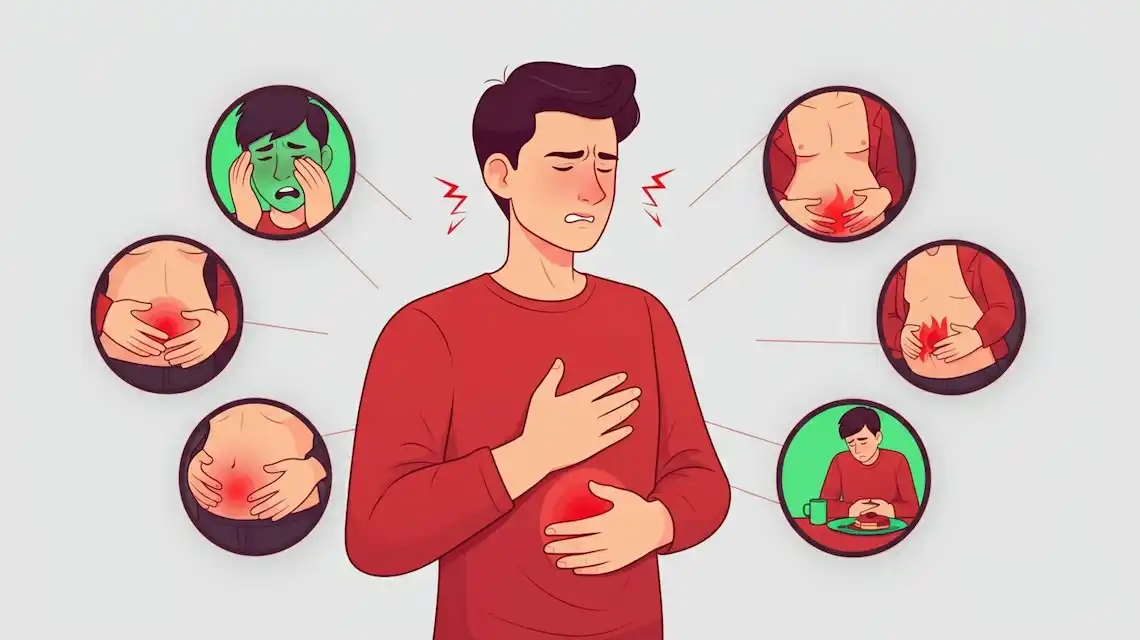
Bloating after eating can leave you feeling sluggish, tight, and uncomfortable with a bloated stomach. You’re not alone, many people search for how to prevent bloating because they want reliable ways to beat that swollen belly feeling fast. Fortunately, there are simple steps you can take that really work. You’ll learn how to feel lighter after meals using strategies backed by common sense and science. Let’s break down the easy fixes so you can enjoy your food again, without the bloat.
What Causes Bloating After Eating
Understanding why you experience bloating after eating is the first step in learning how to stop bloating after eating. Several factors, including certain medical conditions and common eating habits, can trigger uncomfortable symptoms. Here’s a quick overview of the main reasons your stomach might puff up after a meal.
Food intolerances and food sensitivities
Many cases of bloating stem from food intolerance or food sensitivities. For example, lactose intolerance, the inability to digest the sugar in dairy, is a frequent culprit. Other common triggers include gluten (found in wheat, barley, and rye) and certain FODMAPs, a group of fermentable plant fibers that can lead to excessive intestinal gas during digestion. These foods don’t break down easily, causing gas, cramping, and swelling in the gut. If you often feel discomfort after eating certain foods, tracking your intake alongside symptoms in a food diary can help you identify and eliminate specific triggers.
Eating too fast or overeating
Your eating habits play a significant role in digestive comfort. When you eat too quickly, you risk swallowing air, which increases gas and bloating. Large meals also stretch the stomach, creating added pressure and discomfort. Both activities overwhelm your digestive system. Adopting slower, mindful eating and enjoying smaller portions can greatly reduce bloating and related issues such as heartburn.
Imbalanced gut bacteria and digestive conditions
Your gut hosts trillions of bacteria essential for digestion, but an imbalance can cause issues like bloating. Conditions such as SIBO (small intestinal bacterial overgrowth), IBS (irritable bowel syndrome), and gastroparesis can disrupt normal gut function, slowing digestion and increasing gas production. Supporting your gut with more fiber-rich, plant-based foods and fermented options can improve this balance. For a detailed guide on the best foods to support gut health and reduce bloating, visit foods that balance gut bacteria. Maintaining a healthy gut flora helps you feel lighter and more comfortable after eating.
Everyday Lifestyle Tweaks
Simple lifestyle tweaks make a big difference in how you feel after eating. These daily habits are easy to add, fit into a busy schedule, and go a long way in helping prevent bloating after meals. Let’s explore easy changes you can make today for a calmer stomach and less post-meal puffiness.
Chew slowly and mindfully
Eating quickly often leads to swallowing air, which can cause uncomfortable gas and bloating. Chewing gum or talking while eating are common habits that also increase swallowed air, making digestive discomfort worse. Practicing eating slowly and chewing each bite thoroughly is your first line of defense against bloating after eating. The slower you eat, the less air you swallow. This mindful eating style improves digestion by allowing your saliva’s enzymes to start breaking down food more effectively, easing the workload on your digestive system. Try setting your fork down between bites or counting to 20 while you chew. Not only does this help digestion, but it also transforms any rushed meal into a more relaxing moment.
Why eating slowly and mindfully helps:
- Reduces swallowed air that leads to gas and burping
- Activates enzymes that kickstart digestive breakdown in your mouth
- Increases awareness of fullness to prevent overeating
Take a short walk after meals
While it might seem counterintuitive, a gentle 10-minute walk after eating can significantly improve digestion. Walking stimulates your intestinal muscles, helping food move smoothly along your digestive tract and lowering the chance of gas buildup. This simple activity is especially beneficial if you often experience heaviness or bloating after big meals. Interested in more details? Check out the post‑meal walking for digestion guide for practical tips to make the most of this easy habit.
No need to power-walk, just a calm stroll around the block or office supports your digestive system and helps reduce bloating.
Benefits of a post-meal walk:
- Eases bloating and heaviness
- Speeds up digestion
- Helps stabilize blood sugar after eating
Stay hydrated, but avoid gulping during meals
Proper hydration is key to a healthy digestive system, but how and when you drink water impacts bloating. Gulping large amounts of water or carbonated beverages during meals can overfill your stomach, sometimes increasing discomfort and bloating. Instead, sip water between bites to avoid filling your stomach with too much liquid and food at once.
Try these hydration habits to prevent bloating:
- Take small sips before and after meals, rather than large gulps during eating
- Pause for a few sips between mouthfuls instead of drinking all at once
- Replace sugary or carbonated beverages with still water to minimize gas formation
Following these simple lifestyle adjustments supports digestion and helps you feel hydrated and comfortable without the need to deal with excessive fullness or puffiness. Incorporating these tips regularly is a straightforward way to reduce bloating fast.
Food and Drink Remedies That Calm Your Gut
Certain foods and drinks can help reduce gas and keep your stomach feeling flat after you eat. These natural food remedies provide extra digestive support and often work when nothing else seems to help. Simple kitchen items like apple cider vinegar, ginger, garlic, and seeds offer soothing relief and help guide you on how to stop bloating after eating without needing complicated routines or drastic dietary changes.
Apple cider vinegar (ACV)
Apple cider vinegar is a popular go-to for many when the belly feels tight and swollen from bloating. Mixing a teaspoon of ACV into a glass of water before meals may help your body break down food more effectively. The mild acid in ACV can boost stomach acid levels, supporting smooth digestive function and reducing the pressure that causes bloating. Many find this daily habit eases the heavy, stretched sensation that follows a large meal.
Sip the mixture slowly about ten minutes before eating. It’s a simple home remedy that works best for stubborn bloating linked to slow digestion.
For more detailed insights and tips on its use, check this guide on apple cider vinegar and bloating relief.
Ginger and garlic
Ginger and garlic are traditional foods known for their digestive benefits across cultures for centuries. Both contain anti-inflammatory compounds that help relax the intestines and promote smooth movement of food through the digestive system. Incorporating fresh ginger or garlic into your meals, or sipping ginger tea, can soothe an unsettled stomach and ease the buildup of gas that often causes that bloated, puffy feeling.
Daily use is simple and effective:
- Add grated ginger to hot water to brew a calming tea.
- Stir sliced garlic into warm dishes for a flavorful, gut-soothing boost.
These foods are especially helpful for bloating related to sluggish digestion or when you’ve eaten something your gut struggles to process.
For a scientific breakdown and other easy remedies, visit this resource on ginger and garlic for digestive health.
Seeds and fiber boosters
Seeds are tiny nutritional powerhouses that support your gut, particularly when it comes to reducing gas and swelling after eating. Fennel, chia, and flax seeds are high-fiber foods that add gentle fiber to your diet, helping to regulate digestion and promote regularity. The soluble fiber in these seeds absorbs excess fluid and feeds good bacteria, which cuts back on the fermentation in your gut that often leads to bloating and constipation.
Looking for easy ways to include these seeds in your routine?
- Sprinkle chia or flax seeds on oatmeal or yogurt.
- Chew a teaspoon of fennel seeds after meals for quick relief.
Since a little goes a long way, start with small amounts and observe how your digestive system responds.
For more ideas and a comprehensive list of the best seeds to enhance your digestive health, see this guide on seeds that boost digestive health.
These simple food and drink tweaks are trusted by many seeking how to stop bloating after eating and make easy additions to any digestive health routine. Incorporating these remedies along with broader dietary changes can lead to lasting gut comfort.
Building Long‑Term Gut Health
Figuring out how to stop bloating after eating goes beyond quick fixes. For lasting relief, you need to care for your gut every day. A happy digestive system helps reduce bloating over time, not just after your next meal. The more you support beneficial bacteria and balance your daily habits, the less likely you’ll experience that familiar fullness and tightness around your stomach. Try these proven steps to create a gut environment that supports your wellbeing year-round.
Probiotic and prebiotic foods
The foods you consume play a vital role in shaping your gut bacteria, which directly influences digestion and bloating. Including more probiotic and prebiotic foods in your diet can help balance your system and keep things running smoothly.
Some excellent foods to add to your regular meals include:
- Yogurt (look for live and active cultures)
- Kefir
- Kimchi, sauerkraut, and other fermented vegetables
- High-fiber vegetables like garlic, onions, leeks, artichokes, broccoli, and asparagus
Probiotic-rich foods introduce beneficial bacteria to your gut, while prebiotics, found in high-fiber foods, feed these bacteria to help them thrive. This partnership helps crowd out harmful bacteria and contributes to a flatter stomach after eating. To support long-term gut health, it’s also advisable to avoid artificial sweeteners, which can disrupt the gut balance.
For a deeper dive into the benefits of fermented foods, check out the benefits of fermented foods for gut microbiota. You’ll find meal ideas that taste great and nurture your digestive health.
Regular moderate exercise
Exercise isn’t just for fitness—it’s a key strategy to prevent bloating, too. Moving your body stimulates your digestive system and helps prevent constipation, which can cause discomfort and bloating after meals.
Consistent, moderate physical activity like brisk walking, cycling, or swimming can:
- Improve bowel movement regularity
- Help prevent bloating from becoming a chronic issue
- Support a healthy gut microbiome
While a short walk after meals is beneficial, making physical activity a regular habit throughout the week provides the best results. Aim for 30 minutes most days doing something you enjoy, whether it’s dancing, gardening, or playing with your dog. Staying active not only supports your gut health but also improves your mood.
Manage stress and get enough sleep
Stress, hormonal changes, and sleep quality all have a significant impact on your gut. Stress hormones like cortisol slow digestion, leading to that tight, gassy feeling after eating. Combined with poor sleep, these factors make bloating worse and harder to manage.
To promote a calmer gut, try these stress management techniques:
- Practice simple breathing exercises for a few minutes in the morning and evening
- Incorporate yoga, meditation, or gentle stretching before bed
- Create a relaxing bedtime routine such as reading or taking a warm shower
Aim for 7–9 hours of quality sleep each night. When you improve your sleep and incorporate moments of relaxation, your digestive system has a better chance to recharge. For more practical advice, see our guide on reducing digestive stress with real-world tips that work.
Building long-term gut health involves making mindful daily choices. By supporting your digestion with the right probiotic and prebiotic foods, staying active, managing stress, and prioritizing sleep, you can reduce bloating and enjoy lasting comfort now and in the months to come.
Conclusion
Making a few changes to your daily habits can help you reduce bloating and avoid the discomfort of a bloated stomach, allowing you to enjoy meals without unease. Focus on one small tip at a time, such as slowing down when eating, incorporating more gut-friendly foods, or simply taking a walk after meals. Keeping track of what works best will make it easier to identify the strategies that suit your body.
By putting these steps into practice, you’ll be supporting your digestive health and building a strong foundation for overall well-being. Interested in other simple ways to support your digestive system? Explore the health benefits of eating quinoa to help you feel lighter and more satisfied.
FAQ: How to Stop Bloating After Eating
What are the most common causes of bloating after meals?
Bloating often comes from swallowing air, eating too fast, or consuming foods that produce gas. Dairy, beans, onions, carbonated drinks, and some fiber-rich foods are common triggers.
How can I avoid bloating if I have a sensitive stomach?
Eat smaller meals more often, chew your food slowly, and avoid talking while eating. Limit foods known to cause gas and keep a food diary to spot your personal triggers.
Does drinking water help with bloating right after eating?
A glass of water can help digestion and flush out excess salt, which may ease bloating. Don’t drink too much at once, as this can make you feel even more full.
Are there foods that prevent or reduce bloating?
Yes, foods like ginger, cucumber, bananas, and yogurt with probiotics can help keep your gut balanced and may reduce bloating.
Should I avoid certain drinks to prevent bloating?
Skip carbonated drinks and alcohol, as they introduce gas and disrupt digestion. Herbal teas like peppermint or chamomile may soothe your stomach instead.
Is bloating after eating always a sign of a medical issue?
Not always, but if you notice severe pain, weight loss, vomiting, or blood in your stool, see a doctor. After ruling out medical conditions, focus on simple diet and lifestyle changes.
Can exercise help get rid of bloating after a meal?
Light movement, like walking, can help food move through your gut and ease bloating. Don’t do high-intensity workouts right after eating, as they might make you uncomfortable.
Will eating less fiber ease my bloating?
Too much fiber, especially if you increase it quickly, can cause gas and bloating. Increase fiber slowly, stay hydrated, and see how your body responds.
How does stress impact bloating after eating?
Stress can slow digestion and increase bloating. Practice deep breathing, mindfulness, or short walks after meals to help relax your gut.
When should I seek professional help for bloating?
If bloating comes with severe pain, ongoing discomfort, or other unusual symptoms, reach out to your doctor. Sometimes bloating is a sign of food intolerances or conditions like IBS or celiac disease.

Gas S. is a health writer who covers metabolic health, longevity science, and functional physiology. He breaks down research into clear, usable takeaways for long-term health and recovery. His work focuses on how the body works, progress tracking, and changes you can stick with. Every article is reviewed independently for accuracy and readability.
- Medical Disclaimer: This content is for education only. It doesn’t diagnose, treat, or replace medical care from a licensed professional. Read our full Medical Disclaimer here.