

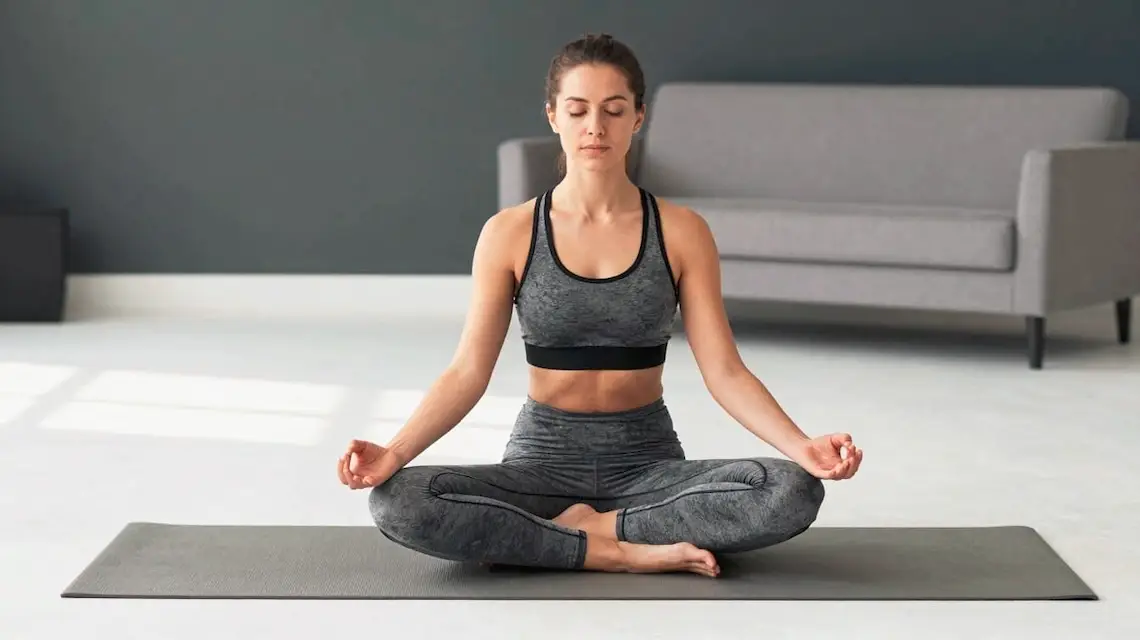
Meditation sounds peaceful in theory, but in real life it can feel messy. You sit down, close your eyes, and suddenly your mind is louder than ever. You start wondering where to put your hands, how to sit, and whether you are just “bad” at this.
Meditation is simply paying kind attention to the present moment, on purpose. When you learn how to meditate properly, you train your brain to focus, handle stress better, sleep more deeply, and feel calmer in daily life.
The good news is that meditation is a skill, not a talent. Anyone can learn it with a little guidance and practice. This guide will walk you through what “proper” meditation really means, clear up common myths, and give you an easy 10 to 15 minute routine you can start today.
What It Really Means to Meditate Properly
Many people think meditating means forcing the mind to go blank. That idea alone makes them quit before they start. In reality, the goal is not to stop thoughts. The goal is to notice thoughts and gently come back to a point of focus, like the breath.
When you learn how to meditate properly, you are training attention, not chasing a perfect, silent mind. Each time your mind wanders and you bring it back, you are doing a mental “rep”, just like a bicep curl in the gym. The wandering is not the failure, it is part of the workout.
“Proper” meditation has more to do with your attitude and consistency than your pose or equipment. Simple beginner guides, like the NHS overview on how to meditate for beginners, echo this same point. If you show up often, practice for a few minutes, and treat yourself kindly when you get distracted, you are meditating in the right way.
Let go of myths about “perfect” meditation
A few myths make meditation feel harder than it is:
- Myth 1: You must empty your mind.
Your mind is built to think. The practice is to notice when you get lost in thought, then return to your focus. That “coming back” is the real work. - Myth 2: You need special gear or a fancy cushion.
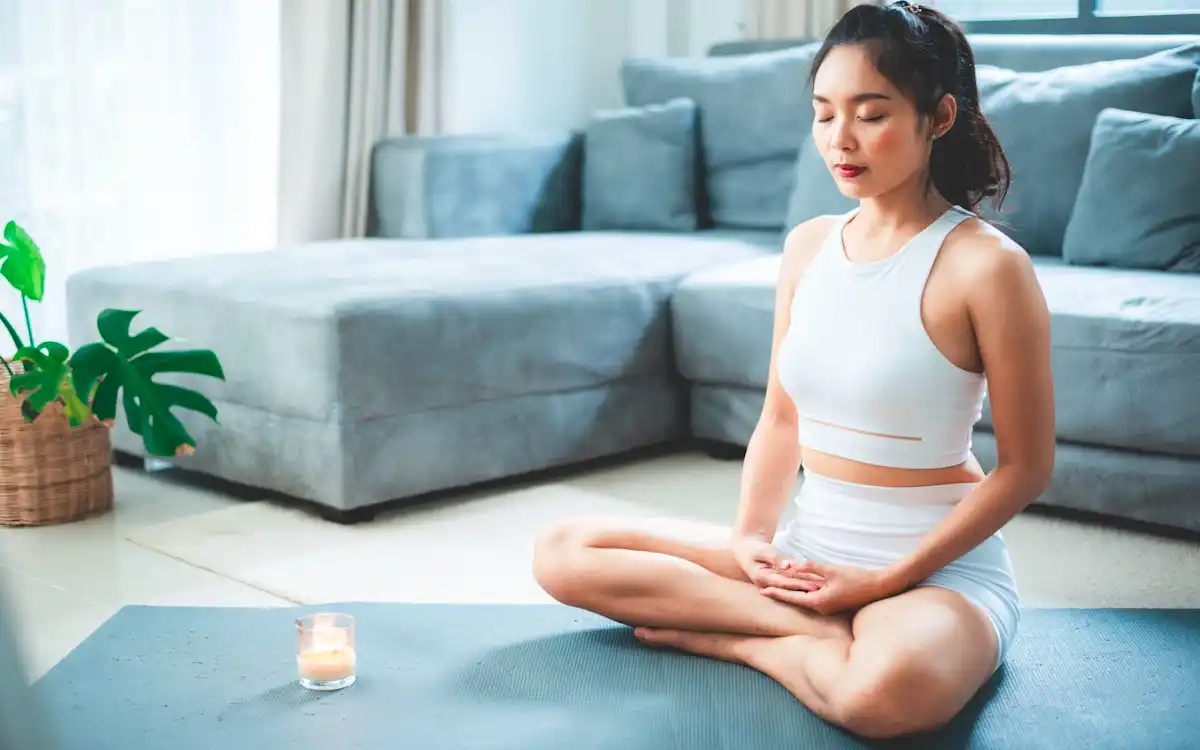
Cushions can be nice, but they are optional. A regular chair or the edge of your bed works fine. - Myth 3: You have to sit on the floor in a twisty pose.
Any stable, upright seat is great. Comfort with alertness matters more than a classic lotus position. - Myth 4: You need lots of free time.
Even 5 to 10 minutes can help. Many people in studies report benefits from short daily sessions, which matches findings shared by the American Psychological Association on mindfulness meditation and stress.
When you catch your mind drifting and gently return, you are not doing it wrong; you are doing it right.
The three core skills of proper meditation
Think of meditation as three simple skills working together.
- Supportive posture
Sit in a way that keeps you awake but relaxed. Your back is straight but not rigid, shoulders soft, chin slightly tucked. Comfort plus alertness is the aim. - A clear object of focus
Most people choose the breath at the nose, chest, or belly. You might also use sounds or body sensations. Pick one thing for your attention to rest on. - A kind, curious attitude
Thoughts, feelings, and body sensations will show up. Instead of fighting them, notice them like passing weather, then return to your focus. Gentle curiosity beats harsh self-criticism every time.
These three skills matter far more than how long you sit or which style you use.
Step by Step: How to Meditate Properly for 10 Minutes a Day
This section gives you a simple routine you can follow almost like a script. You can sit in silence, or pair it with a gentle guided audio from places like Mindful’s how-to-meditate guide.
Set up your space so it is easy to relax
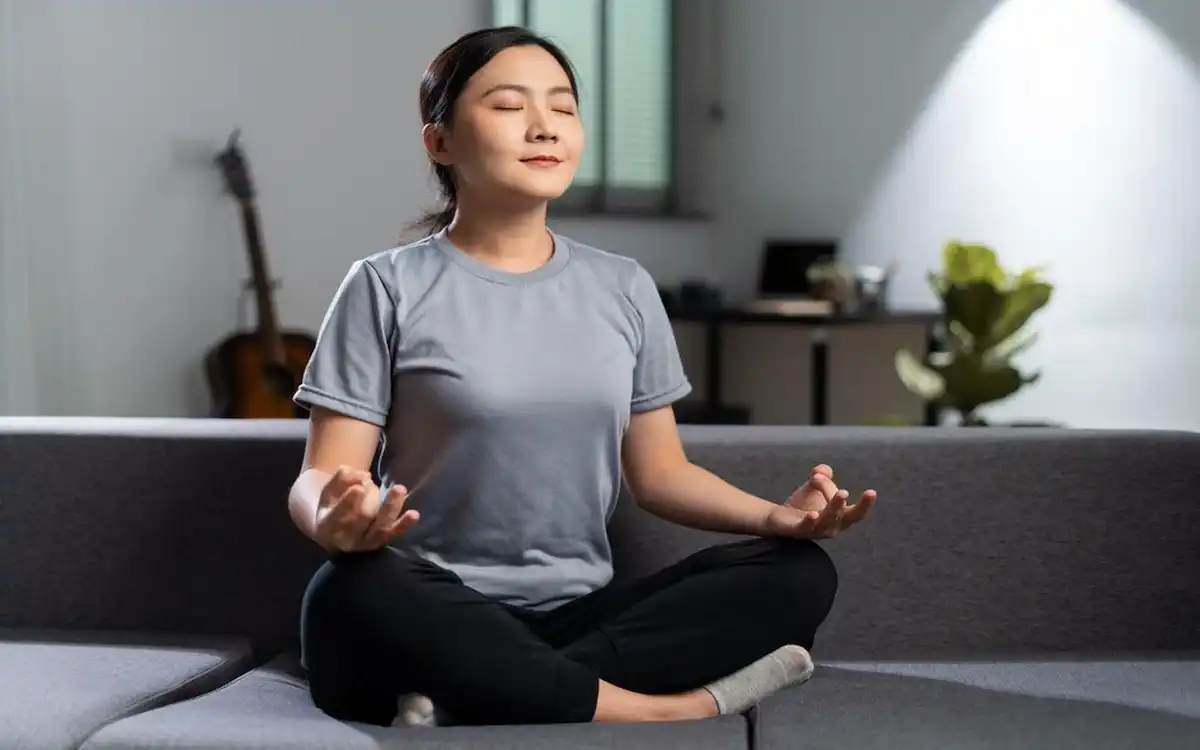
Choose a quiet, safe spot where you are unlikely to be disturbed for about 10 minutes. This could be a corner of your bedroom, a chair in the living room, or a spot on the sofa.
Sit on a chair, bed, or cushion with your back straight but not stiff. Keep your feet flat on the floor or loosely crossed, and rest your hands on your legs or in your lap.
Silence your phone if you can. If you live with others, tell them you are taking a short quiet break and would like not to be interrupted.
Follow this simple 10 minute meditation routine
You can read this a few times, then try it from memory.
- Set a timer for 10 minutes.
Knowing the timer will end the session lets you relax without clock-watching. - Close your eyes or soften your gaze.
If closing your eyes feels uneasy, let your eyes rest on a spot on the floor. - Take 3 slow, deep breaths.
Inhale through the nose, feel the chest or belly rise, and exhale slowly through the mouth. Let the body settle. - Bring attention to natural breathing.
Let your breath return to its normal rhythm. Notice where you feel it most clearly, maybe at the nostrils, chest, or belly. That is your anchor. - Stay with the feeling of each breath.
You are not controlling the breath. You are just noticing the sensation of in, and the sensation of out. - When thoughts or feelings yank you away, name and return.
When you notice you are lost in thought, quietly label it “thinking”. If a strong feeling shows up, you might note “sadness” or “worry”. Then, very gently, bring attention back to the breath. - If you feel restless or sleepy, include that in awareness.
Notice “restless” or “sleepy” in your mind, feel it in your body, then return once more to breathing. - In the last minute, open your attention.
Let your awareness widen to include sounds, your whole body, and the space around you. Take one final deep breath, then ask, “How do I feel now compared to when I started?” - End with a small act of kindness.
You might thank yourself for taking a few quiet minutes, even if it felt messy.
That is how to meditate properly in a basic way: focus, wander, notice, return.
What to do when your mind will not sit still
Some days your mind will feel like a crowded subway car. That is normal.
Here are a few tricks that help:
- Count breaths. Count “one” on the first exhale, “two” on the next, up to ten, then start again.
- Shorten the session. Drop to 5 minutes on busy or rough days.
- Open your eyes a bit. A soft gaze can reduce sleepiness.
- Switch your focus. If breath feels tight, shift to listening to sounds or feeling your hands on your legs.
Distraction does not mean you are failing. Every time you catch it, you are practicing correctly.
Make Meditation a Daily Habit Without Feeling Overwhelmed
Meditation works best when it becomes part of everyday life, like brushing your teeth. Habit, not perfection, teaches you how to meditate properly for the long term. Resources on building routines, like Headspace’s guide to a daily meditation habit, all point to the same idea: small steps repeated often.
Start small, stay consistent, and grow slowly
Begin with 5 to 10 minutes once a day. When that feels steady, you can add time in 2 to 5 minute chunks if you want.
Link meditation to something you already do. For example:
- Right after you wake up
- After lunch, before you grab your phone
- Before bed, instead of scrolling
You will miss days. That is part of any habit. When it happens, skip the guilt and just sit again the next day.
Simple ways to track progress and stay motivated
Progress in meditation shows up in small ways: a slower reaction to stress, a kinder inner voice, or falling asleep faster. To notice this, try:
- A simple paper habit tracker where you mark each day you sit
- A note in your phone with one line about how you felt before and after
- A short journal entry a few times a week
Research on the benefits of mindfulness suggests these subtle shifts add up over time. Celebrate small wins instead of waiting for one big “aha” moment.
Conclusion: Give Yourself 7 Days of Gentle Practice
Learning how to meditate properly is less about getting it “right” and more about gentle focus, patience, and kindness toward yourself. You sit, you focus, you wander, you notice, you return. That simple loop changes the brain over time.
Try a 7 day challenge. For the next week, pick one time of day, follow the 10 minute routine, and write one honest sentence afterward about how it went.
Some sessions will feel peaceful, others will feel noisy. Both count. Keep showing up, even when it feels imperfect, and you will start to notice real changes in how you move through your day.
Clear & Practical FAQs About How To Meditate Properly
How long should I meditate when I’m just starting?
For most beginners, 5 to 10 minutes is enough.
Start short, stay consistent, and let your mind get used to the practice. When that feels easy, you can add 2 to 5 minutes at a time until you reach 15 to 20 minutes.
The key is regular practice, not long sessions that you dread. It’s better to meditate for 8 minutes every day than 40 minutes once a week.
What’s the best posture for proper meditation?
The best posture is stable, upright, and relaxed. You want to feel alert, not stiff.
Common options include:
| Posture | Description | Good For |
|---|---|---|
| Chair sitting | Feet flat, back straight, hands on thighs | Most beginners, office workers |
| Cross-legged | On a cushion, hips slightly raised | People with flexible hips |
| Kneeling (seiza) | Sitting on a cushion or bench between your legs | Those with tight hips |
| Lying down | On your back, arms by your sides | Restorative practice, not sleepy |
A few simple checks help you sit properly:
- Keep your spine tall, as if a string gently lifts the crown of your head.
- Relax your shoulders, jaw, and belly.
- Let your hands rest on your thighs or in your lap.
If you feel pain, adjust. Meditation should challenge your attention, not your joints.
What should I focus on during meditation?
Most people start with the breath, because it is always with you and easy to notice.
You can focus on:
- The feeling of air at your nostrils.
- The rise and fall of your chest.
- The gentle movement of your belly.
Pick one spot and stay with it. When your mind wanders, bring it back to that same spot. Keeping the focus simple makes it easier to notice when attention drifts.
Is it normal for my mind to wander so much?
Yes, it is completely normal. An active mind is not a sign that you are bad at meditation. It is a sign that you are human.
Proper meditation is not about stopping thoughts. It is about noticing when your attention has drifted, then returning to your focus with as little drama as possible.
Think of each time you catch your mind wandering as one mental push-up. The more you notice and return, the stronger your attention gets.
How do I breathe while meditating?
You do not need any special breathing method to start. Just breathe naturally through your nose if you can.
A simple approach:
- Sit in a comfortable, upright posture.
- Close your eyes or lower your gaze.
- Notice your natural inhale and exhale.
- Count each breath if it helps, for example, inhale (1), exhale (2), up to 10, then start again.
If your breath becomes tight or forced, let go of any control and let it settle on its own. Comfort comes first.
Should I meditate with my eyes open or closed?
Both work. It depends on what keeps you relaxed yet alert.
- Eyes closed can help you focus if you are easily distracted by your surroundings.
- Eyes slightly open, with a soft gaze toward the floor, can help if you get sleepy or lost in daydreams.
Try both and see which one helps you stay awake and calm at the same time. Many people switch based on how tired they feel on a given day.
What’s the right time of day to meditate?
The best time is the one you can stick with consistently. That said, some times make practice easier:
- Morning, before email and social media, usually gives a clear, fresh mind.
- Evening, after work, can help you unwind and reset.
If mornings are busy, try a short 5-minute session after brushing your teeth or right before lunch. Attach meditation to an existing habit so it is harder to skip.
Do I need complete silence to meditate properly?
You do not. Absolute silence is rare in real life. Everyday sounds can become part of your practice.
If you hear traffic, voices, or a dog barking, notice the sound, label it in your mind as “hearing”, then bring your attention back to your breath.
If noise is very loud or stressful, use simple tools: earplugs, soft instrumental music, or a fan that creates gentle white noise. Aim for a space that feels good enough, not perfect.
What should I do if I feel restless or bored during meditation?
Restlessness and boredom are common, especially in the first weeks. They are not a sign of failure. They are part of the training.
Try this when they show up:
- Name it: “restless”, “bored”, or “impatient”.
- Feel it in the body: tight chest, tapping foot, buzzing energy.
- Stay curious for a few breaths before moving or stopping.
If the feeling is intense, shorten the session, stand up, or switch to a walking meditation. Movement can help release that extra energy without giving up on practice.
How do I know if I’m meditating “properly”?
You are on the right track if you:
- Sit regularly, even for a few minutes.
- Notice your mind wandering more clearly.
- Feel a bit more space before you react to stress.
Proper meditation is less about a perfect, blank mind and more about showing up and returning to your focus over and over. Progress often feels subtle day to day, yet over weeks you may notice you are a bit calmer, less reactive, and more aware of what you are feeling.
If that is happening, your practice is working.
 How Do You Do TM Meditation
  Sleep Meditation Techniques for Fighting Insomnia Naturally
  Meditation For Stress And Anxiety Relief
  Meditation To Calm The Mind And Body
  How Can Meditation Help With Stress Management?
  How Does Meditation Reduce Stress And Anxiety?