

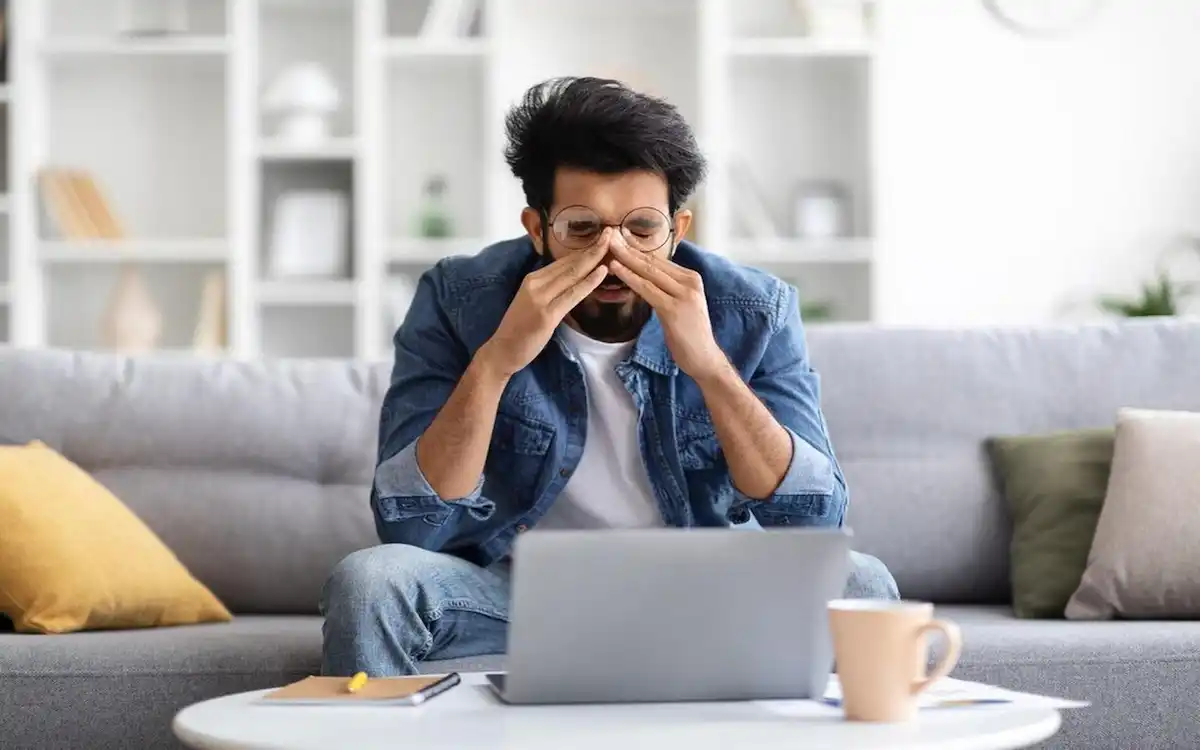
Stress and worry are normal feelings that everyone has at some point in their lives. It doesn’t matter if the stress is caused by work deadlines, personal relationships or daily tasks it can hurt your mental and physical health. But being able to handle these feelings well is important for living a healthy and balanced life.
Recognizing The Symptoms
The first step in managing stress and anxiety is to recognize their signs. You can divide these symptoms into three groups: physical , emotional and mental.
- Physical symptoms: These consist of fatigue, muscle tension headaches, sleep disturbances and digestive issues. Stress and anxiety that last for a long time can also weaken your immune system making you more likely to get sick.
- Mental signs: Anxiety and stress can make you irritable, make you feel overwhelmed, cause mood swings and make you feel like you’re going to die. You might be emotionally drained, get angry easily or find it hard to deal with the problems you face every day.
- Cognitive symptoms: Anxiety is often shown by negative thought patterns, constant worry racing thoughts and trouble focusing. Anxious people often have trouble focusing which can make it hard to do things like make decisions, do their work or be with other people.
Effective Techniques For Managing Stress And Anxiety
Several techniques that have been shown to work can help relieve stress and anxiety. These methods focus on calming the body and mind, making people stronger and teaching them how to deal with problems.
1. Mindfulness And Meditation
Mindfulness and meditation are becoming more and more popular as ways to deal with stress and anxiety. Focusing on the present moment without judging it is part of mindfulness. This can help you stop worrying about the past or the future and stop overthinking.
Meditation helps you relax deeply and keep your mind clear and focused. Both can lower heart rates, lessen the body’s response to stress and make you feel better emotionally. Mindfulness practice for just a few minutes a day can create a huge difference in lowering anxiety.
2. Deep Breathing Exercises
Some good ways to calm down are to do deep breathing exercises like diaphragmatic breathing or the 4 7 8 technique. These exercises help relax you, slow down your heart rate and loosen up your muscles. The parasympathetic nervous system controls the body rest and digest response. Focusing on your breath and taking deep slow breaths in and out will turn it on. Regular deep breathing can help you deal with stress and get your mind back on track especially when you’re feeling really stressed.
3. Physical Activity
One of the best ways to deal with stress and anxiety is to work out. Endorphins are the body’s natural feel good chemicals that are released when you exercise. Along with that it helps keep the stress hormones like cortisol in check. Getting regular exercise like walking, running , yoga or strength training can help your mental health and lessen the effects of stress. Exercise not only lets you get rid of extra energy but it also makes you feel better about yourself and helps you sleep better. Not being inactive for long periods can make a difference.
4. Journaling And Self Reflection
Writing in a journal is a great way to work through your feelings and understand your thoughts better. Writing about your feelings and experiences can help you make sense of them and clear up the mental clutter that comes with stress and anxiety. Writing about your day or being thankful in a journal can help you feel better, stop you from thinking negatively and help you find patterns that may be making you stressed.
Lifestyle Changes For Long Term Stress Management
Short term ways of coping can help right away but to manage stress in the long term you need to deal with the causes and make changes to your lifestyle.
1. Healthy Diet
What you eat is very important to how you feel. A healthy diet full of whole foods fruits vegetables lean proteins and healthy fats can help maintain your mood and lower your stress. However, eating too much caffeine, sugar and processed foods can make you feel anxious and stressed.
Foods that are high in nutrients like omega 3 fatty acids magnesium and B vitamins have been shown to improve brain health and ease the physical effects of anxiety. Staying hydrated is important for both keeping your brain and emotions stable.
2. Sleep Hygiene
Getting enough good sleep is essential for dealing with stress. Stress and anxiety can get worse when you don’t get enough sleep but getting enough sleep can help you deal with them and think more clearly. To improve your sleep hygiene you need to stick to a regular sleep schedule, avoid using screens before bed and make your bedroom a relaxing place to sleep. Sleep also helps the body heal which keeps hormones in balance and lessens the effects of stress. Aim for 7 to 9 hours of sleep each night to keep your mental health in good shape.
3. Time Management
Stress is often caused by not being able to manage your time well. Being too busy with work and deadlines can make you feel burned out. Setting realistic goals, learning to prioritize tasks and breaking them down into manageable steps can all help you feel a lot less stressed. Plan your day with lists , planners and time blocks to stay organized and avoid stress.
Conclusion
Getting better at dealing with stress and anxiety takes time, effort and the use of useful techniques. You can get back in charge of your mental health if you recognize the signs, make healthy changes to your lifestyle and get professional help when you need it. Remember that stress and anxiety are normal parts of life. But if you have the right tools and help you can lessen their effects and live a happier healthier life.

Gas S. is a health writer who covers metabolic health, longevity science, and functional physiology. He breaks down research into clear, usable takeaways for long-term health and recovery. His work focuses on how the body works, progress tracking, and changes you can stick with. Every article is reviewed independently for accuracy and readability.
- Medical Disclaimer: This content is for education only. It doesn’t diagnose, treat, or replace medical care from a licensed professional. Read our full Medical Disclaimer here.