

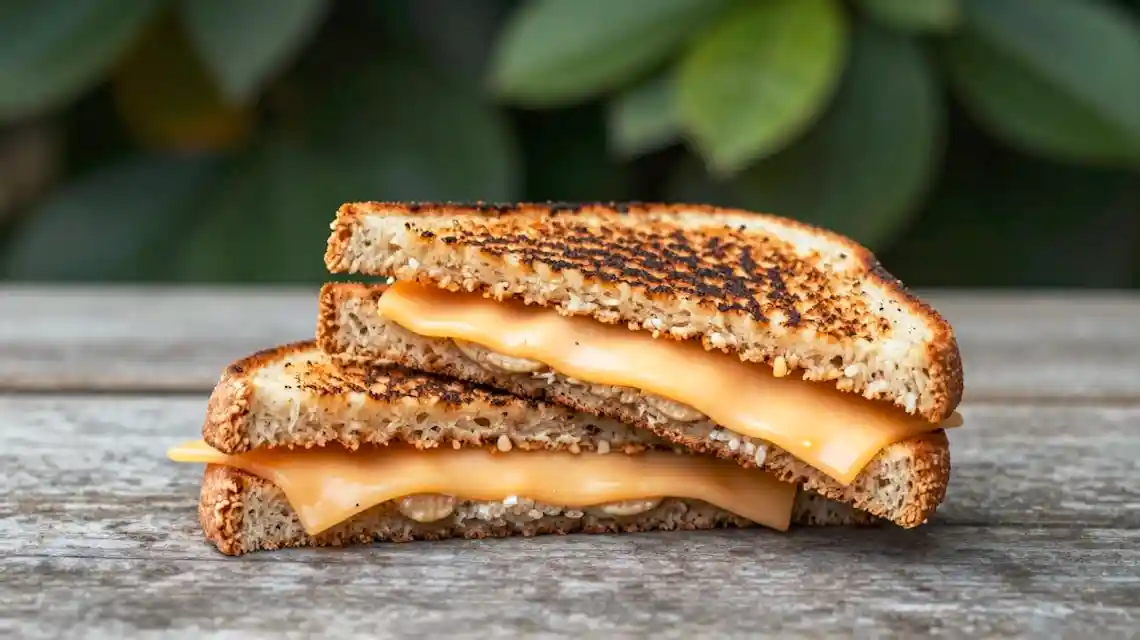
If you have ever wondered how to make a cheese grilled sandwich, you are in the right place. This simple sandwich is classic comfort food, fast to cook, and easy on your budget.
This guide is beginner friendly and uses tools most people already have. You will learn how to pick the right bread and cheese, how to butter the bread, and how to cook your sandwich until the bread is golden and the cheese is melty without burning a thing.
Ingredients and Tools You Need for the Perfect Cheese Grilled Sandwich
You do not need fancy gear to make a great sandwich. A few smart choices with bread, cheese, and fat make the biggest difference.
Think of this as your starter kit: a sturdy bread, a good melting cheese, butter or mayo, and a basic pan with a spatula. Once you know how each part behaves, you can change brands and flavors and still get the same crunchy outside and gooey center.
Best bread choices for a crispy cheese grilled sandwich
Great grilled cheese starts with bread that holds up to heat.
White sandwich bread gives a soft bite and light crunch. Sourdough adds tang and a chewier crust. Whole wheat brings a nutty taste and a bit more texture. Thick Texas toast makes a rich, diner-style sandwich with extra crunch.
Use bread that is a day old or slightly dry, not super fresh, so it keeps its shape. Avoid very thin slices, since they burn fast and break when you flip. If you want more ideas, this Allrecipes guide on the best type of bread for grilled cheese is helpful.
Types of cheese that melt well and taste great
Pick cheese that melts smoothly and tastes good to you.
American cheese is mild, very creamy, and melts almost like a sauce. Cheddar brings sharper flavor and still melts well, especially mild or medium. Mozzarella is stretchy and mild, perfect for cheese pulls. Provolone is smooth, slightly smoky, and melts into nice layers. Monterey Jack is gentle, buttery, and melts easily. Swiss has a nutty taste and a soft, gooey melt.
Mix two cheeses for better flavor and stretch, like cheddar plus mozzarella. Pre-shredded cheese can work, but sliced or freshly grated cheese often melts smoother since it has fewer added powders that keep it from clumping. For more ideas, check EatingWell’s guide to the best cheese for grilled cheese.
Butter, mayo, and other simple add-ons
You need some kind of fat on the outside of the bread to get that crisp, golden crust.
Softened butter gives rich flavor and a classic taste, but it spreads best when it is not straight from the fridge. Mayonnaise browns nicely too and is easier to spread cold, so it is handy when you want a quick lunch. If you’re curious about how to make a smooth, vegan, oil-free mayonnaise that actually tastes good, take a look at this vegan oil free mayonnaise recipe.
You can stir a pinch of garlic powder or dried herbs into your butter or mayo for extra flavor. A thin slice of tomato or a light shake of black pepper can be nice, but keep the focus on the standard cheese grilled sandwich first.
Pan, spatula, and heat source: what really matters
You only need a few tools: a nonstick or cast iron pan, a basic spatula, and a stove or hot plate.
A heavy pan heats more evenly, which helps the bread brown at the same rate across the surface. Medium or medium-low heat works better than high heat, since you want the cheese to melt before the bread burns. A lid or cover on the pan is optional, but it can trap heat and help the cheese melt faster.
Step-by-Step Guide: How to Make a Cheese Grilled Sandwich That Is Golden and Gooey
Now let’s walk through how to make a cheese grilled sandwich from start to finish so you get a crisp outside and soft, melted middle every time.
Prep the bread and cheese so the sandwich cooks evenly
Before you turn on the stove, lay everything out. Put your bread slices on a cutting board, butter or mayo nearby, and cheese sliced or grated.
Make sure the cheese covers the bread from corner to corner so there are no cold spots, but do not pile it so thick that it takes forever to melt. Room-temperature cheese melts faster and more evenly than very cold cheese from the back of the fridge.
If you add tomato or other moist fillings, pat them dry with a paper towel. This small step keeps your bread from getting soggy while it cooks.
Spread the bread and build the sandwich for maximum crunch
Spread one side of each bread slice with a thin, even layer of butter or mayo. This is the side that will touch the pan.
Flip the slices so the unspread sides face up, then add your cheese on top of one slice. Keep the cheese layer even and flat. If you are mixing cheeses, scatter them in a single layer, not in big clumps.
Place the second slice of bread on top, unbuttered side down, so the buttered sides point out. If you use extras like tomato or ham, keep them in a thin layer so the sandwich stays flat and the cheese can still melt and hold everything together.
Cook on the stove: control the heat, flip with confidence
Heat your pan over medium or medium-low. Give it a minute to warm up, then gently place your built sandwich in the center.
Let the first side cook slowly. You are looking for light golden color on the bottom and a toasty, buttery smell. You might see the cheese start to soften and ooze slightly at the edges. That is a good sign.
Slide your spatula fully under the sandwich, support the top with your other hand if needed, and flip in one smooth motion. Cook the second side until it matches the first. Lightly press with the spatula to help the cheese melt, but do not push so hard that cheese squeezes out.
Most sandwiches take about 3 to 4 minutes per side, but trust your eyes and nose more than the clock. If it smells like it is starting to burn, lower the heat right away.
Check for melty cheese, then rest and slice
To see if the cheese has fully melted, peek at the side of the sandwich. You can also gently lift the top slice a little with the corner of your spatula and look inside.
When the cheese is melted and the bread is golden on both sides, move the sandwich to a cutting board. Let it rest for about 1 minute so the cheese settles. This short rest makes it less messy and easier to cut.
Use a sharp knife to slice the sandwich in half or into triangles. A clean, firm slice keeps the crust crisp and helps show off that gooey cheese inside.
Easy Flavor Upgrades and Common Mistakes to Avoid
Once you can cook a basic grilled cheese, it is fun to play with small flavor changes and avoid the problems that ruin a good sandwich.
Simple add-ins that level up your cheese grilled sandwich
You can upgrade your sandwich without making it heavy or hard to flip.
Try sliced tomato for a fresh, juicy bite. Add cooked bacon for a salty, smoky crunch. Caramelized onions bring sweet, deep flavor. A slice of ham adds more protein and a savory taste. A thin layer of pesto or mustard on the inside gives bright, bold flavor without much effort.
Keep every extra thin and light, so the cheese can still melt around it and hold the sandwich together. If you want more ideas, check these smart additions to elevate your grilled cheese from Tasting Table.
Avoid burnt bread, unmelted cheese, and soggy sandwiches
A few simple moves help you skip the most common grilled cheese problems.
If your bread burns before the cheese melts, your heat is too high, so turn the stove down and cook longer. If the pan is crowded and sandwiches cook unevenly, make one sandwich at a time so you can flip easily.
If the cheese stays in a cold block, slice it thinner or grate it so it warms faster. If your bread turns soggy, dry wet fillings like tomato and use less butter or mayo on the inside.
For more ideas on what not to do, Allrecipes has a quick guide to common grilled cheese mistakes. With a little practice, your sandwiches will get better every time, and even the “oops” versions still taste pretty good.
Conclusion
You now know the basics of how to make a cheese grilled sandwich at home. Pick good bread and melting cheese, spread the outside with butter or mayo, and cook over gentle heat until the bread is golden and the cheese is melted and soft.
Start with the simple version, then try small upgrades like a second cheese or one extra filling. Make a sandwich today, share it with a friend or family member, and enjoy how something so simple can feel so comforting. If you’re curious about how to make simple grill recipes for dinner, take a look at this simple grill recipes that make dinner fun.
FAQs:
What’s the best cheese to use for a grilled cheese sandwich?
You want cheese that melts easily and stays creamy. Good choices include American, cheddar, Monterey Jack, fontina, Gruyère, and Havarti.
For a more flavorful sandwich, mix two cheeses, for example sharp cheddar for taste plus American or Jack for melt. Avoid very hard cheeses on their own, like Parmesan, since they do not melt smoothly. If you use them, pair them with a softer cheese.
What kind of bread works best for a cheese grilled sandwich?
Choose bread that holds its shape and browns well. White sandwich bread, sourdough, and brioche are classic picks.
Thin to medium slices work better than very thick ones, since thick bread can brown before the cheese melts. If your bread is very soft, let it sit out for a few minutes so it firms up a bit before cooking.
Should I use butter or mayo on the outside of the bread?
Both work, but they behave a little differently.
- Butter: Gives a rich, classic flavor and a deep golden crust. It can burn if the pan is too hot.
- Mayonnaise: Spreads easier, browns evenly, and has a slightly tangy taste.
If you like, you can spread a thin layer of mayo on the outside and butter the inside of the bread for extra flavor.
How do I keep the sandwich from burning before the cheese melts?
Use medium or medium-low heat and be patient. High heat browns the bread fast while the cheese stays firm.
To help the cheese melt:
- Cover the pan with a lid for part of the cooking time.
- Grate the cheese instead of using thick slices, since grated cheese melts faster.
- Let the cheese sit at room temperature for a few minutes before cooking.
If the bread is browning too fast, lower the heat and give it more time.
How do I get perfectly melted, gooey cheese every time?
Start with room-temperature cheese, slice or grate it, then spread it in an even layer. Avoid large thick chunks since they take longer to melt.
Cook the sandwich over medium-low heat, and cover the pan for 1 to 2 minutes at a time. The light steam inside the pan helps melt the cheese without burning the bread.
You can also add a teaspoon of water to the empty side of the pan, then cover it. The steam will speed up melting and you will not water down the sandwich.
What’s a simple step-by-step method for a basic cheese grilled sandwich?
Here is a quick, no-fuss method:
- Preheat a skillet on medium or medium-low heat.
- Spread butter or mayo on one side of each bread slice.
- Place one slice, spread-side down, in the pan.
- Add an even layer of cheese on top of the bread.
- Top with the second slice, spread-side up.
- Cook until the bottom is golden, then flip and cook until the other side is browned and the cheese is melted.
- Let it rest for 1 minute, then slice.
This short rest helps the cheese thicken slightly so it does not run out when you cut the sandwich.
How can I add extras like tomato or ham without making it soggy?
Keep add-ins thin and dry. Pat ingredients like tomato slices or cooked spinach with a paper towel to remove extra moisture.
Good add-ins that stay neat include:
- Thin ham or turkey
- Crispy bacon
- Caramelized onions
- Thin tomato slices
- Pickled jalapeños
Place cheese on both sides of the add-ins so the cheese acts as a barrier between the bread and wet ingredients.
Can I make a grilled cheese without a frying pan?
Yes, you have a few options if you do not want to use a skillet.
- Oven: Assemble the sandwich, place it on a baking sheet, and bake at about 400°F (200°C) for 8 to 12 minutes, flipping once.
- Air fryer: Cook at about 370°F (185°C) for 6 to 8 minutes, flipping halfway, until the bread is golden and the cheese is melted.
- Panini press: Close the press and cook until the bread is crisp and the cheese is gooey, usually 3 to 5 minutes.
Check often near the end so the bread does not overbrown.
How do I get a crispy crust but keep the inside soft?
Use medium heat, not high, and let the sandwich toast slowly. This gives the crust time to crisp while the inside warms and softens.
Spread the butter or mayo all the way to the edges of the bread, since dry spots brown less. Avoid pressing too hard with a spatula, which can make the sandwich dense instead of light and crisp. A gentle press is fine if the bread is very thick.
Can I make grilled cheese ahead of time and reheat it?
Fresh is best, but you can make it ahead and reheat if needed. Let the cooked sandwich cool completely on a rack, then store it in an airtight container in the fridge for up to 1 day.
To reheat:
- In a skillet on low to medium-low heat until warmed through on both sides.
- In an oven at about 350°F (175°C) for 8 to 10 minutes.
Avoid the microwave, since it often makes the bread tough and soggy.
 Simple Grill Recipes That Make Dinner Easy And Fun
  How to Cook Ribs on the Grill
  How Long To Grill Salmon In Foil
  How To Use A Grill With Charcoal