

Looking for simple, proven steps on how to improve good cholesterol? You are in the right place. Your good cholesterol, called HDL, helps protect your heart by carrying extra cholesterol back to the liver. Small daily habits can nudge HDL up, lower overall risk, and make you feel better day to day.
This guide breaks down what HDL does, how it differs from LDL, and what numbers to watch. You will get clear food swaps, a weekly movement plan, and a friendly roadmap you can start today. No quick fixes, just steady habits that work in real life.
What is good cholesterol (HDL) and why it matters for your heart
Think of HDL as a cleanup crew. It picks up extra cholesterol in your blood and carries it back to the liver, where your body can process and remove it. LDL is the opposite. It can drop cholesterol into your artery walls, which may form plaque over time.
Higher HDL is linked to lower heart risk, though it is not the whole story. You can have great HDL and still need to focus on LDL, triglycerides, blood pressure, blood sugar, and weight. The big goal is a healthier heart, not just higher HDL.
Simple targets help. Aim for HDL of 60 mg/dL or higher. For men, HDL under 40 is considered low. For women, under 50 is low. LDL should be lower, often under 100 for many people. Triglycerides under 150 is a common goal. Your targets may change if you have diabetes, high blood pressure, or a strong family history.
If your HDL is very low or you have close relatives with early heart disease, check with your doctor. A full risk review, including a lipid panel, blood pressure, and maybe a calcium score, can guide your plan. Then use daily habits to build momentum.
HDL vs LDL, the simple difference
HDL acts like a garbage truck that hauls extra cholesterol away. LDL can act like sticky paste that leaves cholesterol on artery walls. Over time, that buildup can narrow arteries and raise heart risk. A higher HDL and a lower LDL make a strong team for heart protection.
Healthy target numbers you can use
| Marker | Target for Many Adults |
|---|---|
| HDL | 60 mg/dL or higher is ideal |
| HDL low (men) | Under 40 mg/dL |
| HDL low (women) | Under 50 mg/dL |
| LDL | Less than 100 mg/dL is good |
| Triglycerides | Less than 150 mg/dL |
Targets can shift with age, health history, and risk level. Follow your doctor’s advice.
How fast can you improve good cholesterol
Small changes may show up in 6 to 12 weeks. Bigger lifestyle shifts often take 3 to 6 months. Focus on steady habits, not quick fixes. Labs can vary a bit from test to test, so watch trends over time, not a single result.
How to improve good cholesterol with food and daily habits
Raising HDL fits into everyday life when you keep it simple. Start with healthy fats, fiber rich foods, regular movement, and less smoking and alcohol. Small swaps add up fast.
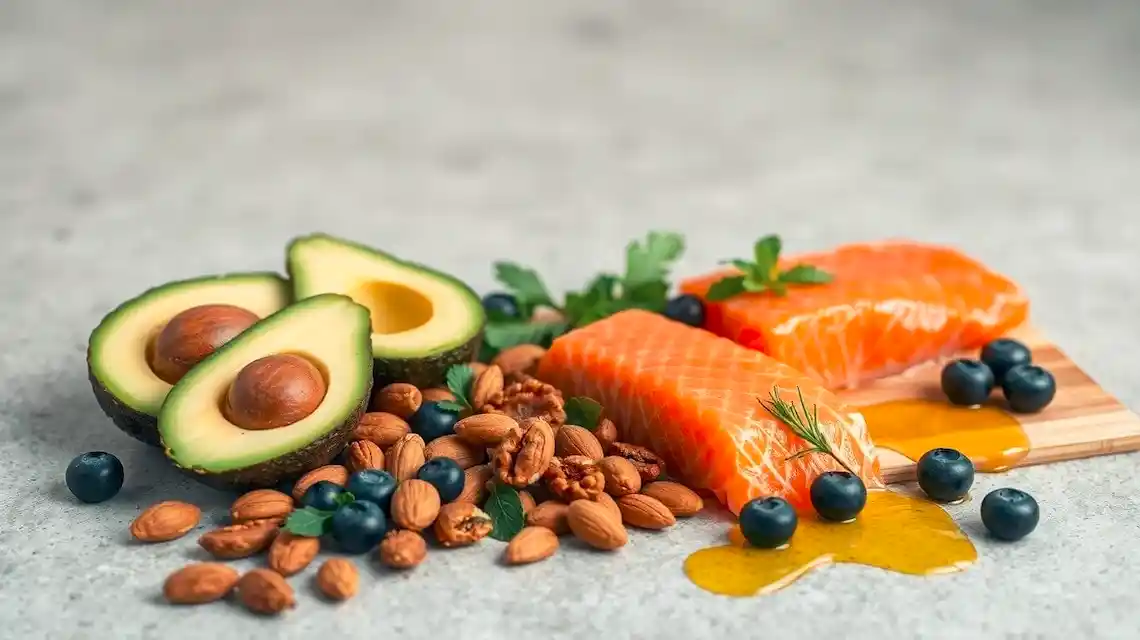
Food is a big lever. Pick olive oil, avocado, nuts, seeds, and fish rich in omega 3s. Add more fiber from oats, beans, lentils, and produce. Move most days with a plan that fits your schedule. If you smoke, quitting helps HDL and your whole body. If you drink, keep it modest.
Here is the mindset. Build a few core habits, repeat them often, and give your plan time to work. You will likely feel improvements in energy and mood as well.
Incredible restorative process that occurs during deep sleep: Try Renev
Eat fats that raise HDL, cut the ones that lower it
- Olive oil instead of butter for cooking and dressings
- Avocado on toast instead of cheese
- Nuts or seeds instead of chips for snacks
- Salmon or sardines instead of fried chicken at dinner
- Skip trans fats, limit deep fried foods and highly processed snacks
Monounsaturated and polyunsaturated fats support higher HDL. Keep portions reasonable.
Fiber and whole foods that support higher HDL
Fiber helps your body remove extra cholesterol. It also comes packaged with vitamins, minerals, and antioxidants that protect cells.
- Targets: about 25 grams per day for most women, about 38 grams for most men
- Good picks: oats, beans, lentils, berries, apples, leafy greens, whole grain bread
One day sample: oatmeal with berries, a bean and veggie bowl at lunch, salmon with brown rice and broccoli at dinner.
Exercise to boost HDL, even if you are busy
Aim for at least 150 minutes of moderate activity each week, like brisk walking or cycling. Or do 75 minutes of vigorous work, like running. Add 2 days of strength training.
Simple schedule: 30 minute walks, 5 days a week, plus bodyweight strength, 2 days. Start slow, warm up, and check with a doctor if you have health concerns.
Quit smoking and drink less alcohol for better HDL
Quitting smoking tends to raise HDL over time and lowers your risk of heart attack and stroke. Get help if you need it. Moderate alcohol can raise HDL a little, but alcohol carries risks. Do not start drinking for heart health. If you drink, keep it to up to 1 drink a day for women and up to 2 for men, and skip several days each week.
Track your progress, medicines, and when to see a doctor
The more you track, the easier it is to adjust. A lipid panel gives you the basics: HDL, LDL, total cholesterol, and triglycerides. Pair that with checks on weight, sleep, and stress. Add support from your doctor when needed, such as medication, supplements, or stop smoking aids.
Test often enough to see change. Many people do well with labs every 6 to 12 months. If you are making big changes or have higher risk, your doctor may test sooner. Use the same lab when possible so methods and ranges stay consistent.
Weight loss, better sleep, and stress care round out your plan. Even a modest drop in weight can raise HDL. Good sleep helps your body regulate hormones that affect lipids. Short, daily stress breaks lower strain on your heart and mind.
Check your lipid panel and what the results mean
A lipid panel measures HDL, LDL, total cholesterol, and triglycerides. Fasting may be suggested to get a clear triglyceride result, follow your lab’s instructions. Many people can test every 6 to 12 months, or sooner if your doctor advises. Try to use the same lab each time for consistency.
Weight, sleep, and stress also affect good cholesterol
Losing 5 to 10 percent of your body weight can help raise HDL and lower triglycerides. Aim for 7 to 9 hours of sleep each night and use a calm evening routine. Simple stress tools help: short walks, breathing exercises, light stretching, time outside, or time with friends.
Supplements and medications, what actually helps HDL
Niacin can raise HDL, but it is used less now due to side effects and limited heart benefits. Statins mostly lower LDL, which cuts risk even if HDL does not rise much. Omega 3s lower triglycerides more than they raise HDL. Plant sterols and psyllium can help overall cholesterol. Always check with your doctor before starting any supplement or medicine.
Set a 12 week plan with clear goals
Pick a few SMART goals and track them:
- Walk 30 minutes, 5 days a week
- Eat fish 2 times a week
- Add 2 cups of vegetables each day
- Replace butter with olive oil at home
- Quit smoking with support from a program or your doctor
Log steps or minutes, meals, and sleep in a simple note or app. Schedule a follow up lipid panel at the end of 12 weeks to check progress.
Conclusion
Raising HDL starts with daily choices you can repeat. Eat more healthy fats, load your plate with fiber rich foods, move most days, protect sleep, and cut smoking and excess alcohol. Your numbers will shift over weeks and months as habits take hold. The goal is better heart health, not just a higher lab result.
Pick one action to start today, then add another next week. Small wins stack up. You have a clear path and the tools to follow it.
Related post:
- Food for Good HDL Cholesterol: Boost Heart Health
- Oolong Tea Benefits: The Balanced Brew for Energy
- What Happens to Your Body When You Take Omega-3 Everyday
How to Improve Good Cholesterol FAQs:
What is HDL and why does it matter?
HDL, or high-density lipoprotein, helps move cholesterol from arteries to the liver for removal. Higher HDL is linked with lower heart disease risk, but it is not the only thing that matters. Lowering LDL and ApoB is still the top priority for heart health.
What HDL level should I aim for?
Aim for at least 40 mg/dL for men and 50 mg/dL for women. Higher is usually better up to a point. Very high HDL, above about 90 to 100 mg/dL, is not always protective and can link with other risks.
How much can lifestyle changes raise HDL?
Most people can raise HDL by 5 to 15 percent with consistent habits. Weight loss, regular exercise, and quitting smoking have the biggest impact. Diet changes also help, especially when combined.
Which exercises raise HDL the most?
Aerobic activity works best. Aim for 150 to 300 minutes each week of moderate effort, or 75 to 150 minutes of vigorous effort. Add two days of strength training to improve body composition and support HDL.
Will losing weight improve HDL?
Yes. Losing 5 to 10 percent of body weight often raises HDL and improves triglycerides and insulin sensitivity. Keep the weight off to keep the gains.
Do healthy fats really help HDL?
Yes. Replace butter and processed snacks with olive oil, avocados, nuts, seeds, and fatty fish. These foods support HDL, lower LDL, and improve overall lipids.
Should I cut carbs to raise HDL?
Cut refined carbs and added sugar. Choose whole grains, beans, fruits, and vegetables. Reducing sugar-sweetened drinks and white bread helps raise HDL and lowers triglycerides.
Does alcohol raise HDL?
Small amounts can raise HDL a little, about 2 to 4 mg/dL. That benefit does not outweigh the risks for many people. If you do not drink, do not start for HDL. If you drink, keep it light, no more than 1 drink per day for women or 2 for men.
Will quitting smoking help HDL?
Yes, often within weeks. HDL rises and blood vessels work better. The sooner you stop, the bigger the payoff.
Do supplements raise HDL?
Most do not help in a meaningful way. Fish oil improves triglycerides, not HDL. Niacin raises HDL but has not shown added heart benefit when LDL is controlled, and it can cause side effects. Focus on diet, exercise, weight, and LDL lowering.
Is the Mediterranean diet good for HDL?
Yes. It uses olive oil, vegetables, legumes, fish, nuts, and whole grains. It tends to raise HDL, lower LDL, and reduce heart risk.
How long before I see changes?
You can see small changes in 4 to 6 weeks with steady habits. Bigger shifts take 3 to 6 months. Recheck your lipid panel after 8 to 12 weeks of lifestyle changes.
Can HDL be too high?
Sometimes. Very high HDL can be due to genetics or liver issues and is not always protective. Talk with your clinician if your HDL is above 90 to 100 mg/dL.
Do medications raise HDL?
Some drugs raise HDL a little, but treatment focuses on lowering LDL and ApoB. Statins lower risk even if HDL does not rise. The goal is fewer events, not just a higher HDL number.
Does coffee affect HDL?
Coffee has a small effect at most. Unfiltered coffee, like French press, can raise LDL, so use paper filters if you drink a lot. Keep add-ins like sugar and cream in check.
What about menopause and hormones?
HDL can drop and LDL can rise around menopause. Lifestyle steps still work. Hormone therapy is not used to raise HDL, it is used for symptoms when needed.
How much fiber should I get?
Aim for 25 to 38 grams per day. Soluble fiber, found in oats, beans, apples, and psyllium, helps your lipid profile and supports weight control.
Which foods should I avoid for healthy HDL?
Skip trans fats, which lower HDL and raise LDL. Limit refined carbs, sugary drinks, and highly processed snacks. Keep saturated fat moderate, and favor unsaturated fats.
Do I need a fasting test to check HDL?
Fasting is not required to measure HDL. Many labs still ask for fasting to assess triglycerides and LDL together. Follow your clinician’s instructions for the most useful panel.
What are the most effective daily habits to boost HDL?
- Move most days, include brisk walking, cycling, or swimming.
- Choose olive oil, nuts, seeds, and fish in place of processed snacks and red meat.
- Cut added sugar and refined grains.
- Keep a healthy weight, or work toward a 5 to 10 percent loss.
- Do not smoke, and limit alcohol.
- Sleep 7 to 9 hours and manage stress with routines you can keep.
 How To Remove Sun Tan From Hands
  How to Take Care Your Nails
  Hormone Health Tips for Women
  Heal Dry Damaged Hair: A Simple Plan That Works
  How to Look Much Younger Without Drastic Changes
  5 Ways to Avoid Permanent Knee Damage Types