

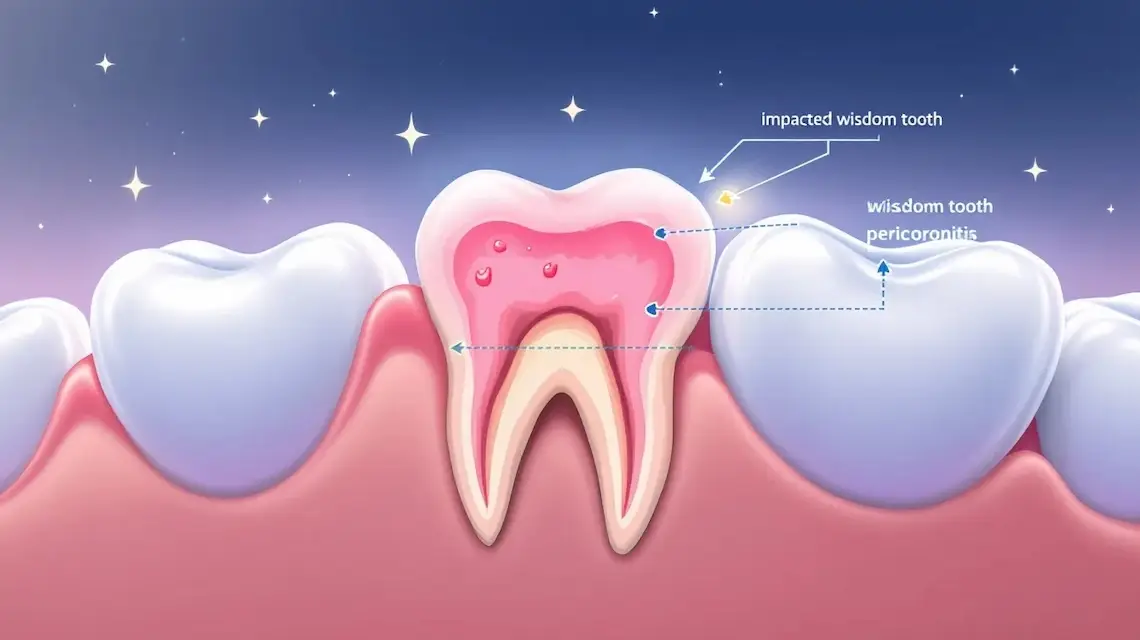
Wisdom tooth pain can strike fast and make even simple things like eating or talking really uncomfortable. Wisdom teeth are the last set of molars to come in, usually in your late teens or early twenties. Sometimes they don’t have enough room to grow, so they press against other teeth or get inflamed, causing sharp or throbbing pain.
If you’re searching how to get rid of wisdom tooth pain asap, you’re not alone. Quick relief is possible whether your pain snuck up suddenly or has been growing day by day. This article shares practical, proven ways to ease the ache, so you can get back to normal as soon as possible.
Immediate Relief for Wisdom Tooth Pain
When a wisdom tooth acts up, you want relief fast. No one wants to suffer through hours of throbbing pain and swelling when there are real steps you can take at home. The key is using simple methods that soothe pain, numb nerves, and bring some calm back to your day. While none of these are a permanent fix, they’ll help you get comfortable until you can see a dentist.
Cold Compress
Applying something cold to the outside of your cheek is one of the quickest ways to numb pain. Here’s how to use a cold compress the right way:
- Wrap a few ice cubes in a clean cotton towel or use a ready-made cold pack.
- Hold it gently against your cheek above the sore wisdom tooth for 15 to 20 minutes.
- Remove the compress for about 20 minutes before reapplying if needed.
Why it works: Cold shrinks blood vessels, which can ease swelling and slow down throbbing pain. Never put ice or a cold pack directly on your skin.
Saltwater Rinse
A saltwater rinse helps keep your mouth clean and reduces inflammation. It’s simple, natural, and you probably have what you need in your kitchen.
- Stir a teaspoon of salt into a glass of warm (not hot) water.
- Swish the mixture in your mouth for up to 30 seconds.
- Spit it out and repeat as needed, a few times per day.
Saltwater rinses can flush away bacteria and soothe sore gums around a painful wisdom tooth.
Over-the-Counter Pain Relievers
Non-prescription pain relievers can dull the ache so you can get some rest or make it through the workday. Make sure you follow the instructions on the label.
- For most adults, ibuprofen or acetaminophen are popular choices for wisdom tooth pain.
- Take the tablet with food and a full glass of water to be gentle on your stomach.
Important: Do not crush aspirin and place it directly on your gums. This can burn your gums and make things worse.
Clove Oil for Numbing
Clove oil is a traditional remedy for tooth pain, with natural numbing properties. Always use this oil with care.
How to use clove oil for wisdom tooth pain:
- Dip a cotton swab into the oil (you just need a drop).
- Gently dab it on the sore tooth and gums, avoiding swallowing.
- Reapply every few hours if needed, but don’t overdo it.
Clove oil can sting but numbs the area quickly. If you feel a burning sensation, rinse your mouth with water and use less next time.
What to Avoid
When looking for how to get rid of wisdom tooth pain asap, a few things can make the pain worse or slow healing. Avoid:
- Chewing on the side with the sore wisdom tooth
- Crunchy, hard, or sticky foods
- Using aspirin directly on your gums
- Poking the area with your tongue, fingers, or objects
Stick with soft foods and let that part of your mouth rest for faster relief.
These quick techniques are go-to ways to ease wisdom tooth pain fast, but remember, they’re not long-term answers. Ongoing pain often means infection or another issue that needs a dentist’s expertise.
Good Oral Hygiene to Prevent More Pain
Keeping your mouth clean makes a huge difference when dealing with wisdom tooth pain. Swelling, soreness, and sensitivity get worse fast if bacteria build up around the area. Even when chewing and brushing feel tough, gentle care will help prevent infections and lessen discomfort. Let’s look at simple yet effective ways to keep your teeth and gums clean, followed by smart tips about which foods help or hurt when your mouth is already hurting.
Foods to Eat and Avoid During Wisdom Tooth Pain
What you eat while coping with wisdom tooth pain matters more than you might think. Some foods soothe while others aggravate and trigger more pain. Soft, cool, and mild flavors comfort a sore mouth, while sharp, spicy, and crunchy foods can irritate your gums and make healing slower.
Soothing Foods to Eat
- Yogurt and cottage cheese (cool, creamy, packed with protein)
- Mashed potatoes or well-cooked veggies
- Oatmeal and soft cereals
- Smooth soups and broths (not too hot)
- Scrambled eggs
- Plain pasta or rice
- Applesauce, bananas, or soft fruit without seeds
- Puddings or gelatin desserts
Stick to foods you can swallow with little chewing. Temperature matters too: cold and room-temperature foods often feel better than anything hot.
Foods to Avoid
- Crunchy snacks (chips, crackers, popcorn)
- Hard bread or pizza crust
- Sticky candies or chewy treats
- Spicy foods (they can burn and inflame sore areas)
- Acidic foods and drinks (like citrus, soda, or sports drinks)
- Sugary foods (increase bacteria and risk of infection)
These foods can poke, scrape, or stick to the healing area. They also raise sugar in your mouth, feeding harmful bacteria that can make an infection worse.
Why Diet Matters During Wisdom Tooth Pain
Your gums and jaw are already inflamed. When you chew hard or sharp foods, you can break the skin or force pieces into the sore gum. Sugars and acids help bacteria multiply. Both make the pain last longer and healing slower. Sticking with gentler food ensures you don’t accidentally cause more trouble while you wait for relief.
If you’re interested in a healthier overall approach to eating, check out the best foods for a healthy diet which features choices that support your body and mouth.
Quick Tips for Eating With Wisdom Tooth Pain
- Take small bites and chew with the side furthest from the pain.
- Drink water often to rinse your mouth after meals.
- Skip straws as sucking can move clots or increase swelling.
- Eat slowly and take breaks as needed.
Choosing the right foods isn’t just about comfort. Avoiding certain items protects a sore spot, lowers the risk of infection, and gives your mouth the best shot at healing.
When to See a Dentist for Wisdom Tooth Pain
Most people want to tough it out and avoid a trip to the dentist when wisdom tooth pain strikes. While there are things you can do at home for relief, not every situation is safe to ignore. Some signs mean you need expert care right away. Knowing when to visit a dentist helps you avoid complications and get proper treatment fast.
Warning Signs You Should Not Ignore
Certain symptoms mean it’s time to stop trying at-home fixes and call a dentist. Your body will warn you in clear ways when something serious is going on with your wisdom teeth. Watch for these signs:
- Swelling that gets worse or spreads to your cheek, jaw, or neck
- Fever or chills (indicates possible infection)
- Pain that doesn’t improve or keeps you up at night even after using over-the-counter remedies
- Bad taste in your mouth or pus near the back tooth (shows infection)
- Trouble opening your mouth or swallowing
- Red, swollen gums around the tooth
- Difficulty breathing (rare but serious and needs emergency care)
If you notice any of these symptoms, don’t wait. At-home tricks for how to get rid of wisdom tooth pain asap will not be enough and could allow an infection to spread further.
Why Professional Dental Care Is Important
Seeing a dentist for serious wisdom tooth pain helps protect your health. Dentists can:
- Diagnose the real problem using X-rays and exams
- Drain infection or prescribe antibiotics if needed
- Extract the tooth if it’s impacted or causing other problems
- Treat gum disease or other mouth issues spotted during the visit
Ignoring severe or ongoing pain raises your risk for more serious issues like deep infections, abscesses, or even permanent jaw problems. Timely care helps you heal faster, saves other teeth, and quickly relieves intense discomfort.
What to Expect at an Emergency Dental Visit
A dentist visit for wisdom tooth pain is nothing to fear. Here’s what you’re likely to experience during an urgent appointment:
- Assessment: The dentist checks your pain level, reviews your health history, and takes a close look at your teeth and gums.
- X-rays: Imaging helps spot hidden problems, impacted teeth, or deep infections.
- Diagnosis and Plan: You’ll get a clear description of what’s wrong and your best options for fixing it.
- Immediate Pain Relief: Dentists can numb the area, drain abscesses, or prescribe fast-acting medicine.
- Treatment Steps: You may need antibiotics, cleaning, or even a scheduled extraction.
Bring a list of symptoms and anything you’ve already tried at home. This helps the dentist move fast and give the right care.
Quick Reference Table: When to See a Dentist
If you’re unsure what counts as a dental emergency, use this table for clarity:
| Symptom | At-Home Care OK? | See Dentist ASAP? |
|---|---|---|
| Mild pain, no swelling | ✔️ | |
| Swelling or fever | ✔️ | |
| Difficulty swallowing | ✔️ | |
| Pus or bad taste | ✔️ | |
| Trouble breathing | ✔️ | |
| Pain not improving | ✔️ |
If you check any box in the “See Dentist ASAP” column, don’t try to tough it out. Dental emergencies get worse the longer they are left untreated.
Extra Guidance for Dental Emergencies
Wisdom tooth pain sometimes leads to situations where waiting could be risky. Severe swelling or trouble breathing means you should head to the emergency room, not just your regular dentist. Quick action can prevent more pain or serious health problems.
For more advice about handling urgent mouth pain or accidents, look up trusted dental emergency resources online or through your local dentist’s website. Getting expert care at the right time is always the safest solution for how to get rid of wisdom tooth pain asap.
Conclusion
Fast relief for wisdom tooth pain starts with simple at-home steps like cold compresses, saltwater rinses, and careful food choices. Good oral hygiene makes a real difference and helps keep the pain from returning. Acting quickly with these methods can give you a break from discomfort and protect your mouth from bigger problems.
If the pain sticks around or you notice swelling, fever, or trouble swallowing, make an appointment with your dentist as soon as you can. Knowing how to get rid of wisdom tooth pain asap not only boosts your comfort but also prevents more serious issues down the road.
Thanks for reading and taking care of your mouth. If you found these tips helpful, pass them on to someone dealing with wisdom tooth woes.
FAQ:
What’s the quickest way to ease wisdom tooth pain at home?
Rinse with warm salt water, take over-the-counter pain relievers like ibuprofen or acetaminophen, and apply a cold pack to your cheek for 15–20 minutes. These steps help reduce swelling and numb the pain.
Can I use ice or heat for wisdom tooth pain?
Ice packs work best for most people. Place one on your cheek near the aching tooth. Avoid using heat, as it may make swelling worse if there’s infection.
Which over-the-counter painkillers should I use?
Ibuprofen is usually best for dental pain. Acetaminophen can help if you can’t take ibuprofen. Don’t combine medicines without checking with a doctor or pharmacist.
Will numbing gels or clove oil help?
Dental gels with benzocaine and clove oil can numb the area for a short time. Use only as directed and never on young children. Talk to your dentist before using them often.
What foods should I avoid during wisdom tooth pain?
Stay away from hard, crunchy, or sticky foods. Stick to soft foods like yogurt, mashed potatoes, and soup. Extreme temperature foods may also aggravate pain.
How long does wisdom tooth pain usually last?
Pain can last a few days to a week, depending on the cause. If pain continues or keeps coming back, get checked by a dentist.
Is it safe to ignore wisdom tooth pain if it goes away?
Pain that fades can still signal a problem. Impacted wisdom teeth or infections may go quiet for a while but return and get worse.
When should I see a dentist for wisdom tooth pain?
Seek help if pain lingers more than a few days, swelling worsens, you have trouble opening your mouth, or you notice fever, pus, or foul taste. These symptoms can mean infection.
Can wisdom tooth pain cause headaches or earaches?
Yes, it often spreads to your jaw, head, or ear. If pain reaches these areas, tell your dentist so they can check for infections or other complications.
Are there long-term risks if I don’t treat wisdom tooth pain?
Ignoring pain can lead to serious problems like infections, cysts, or damage to nearby teeth. Always talk with a dental professional about ongoing or severe pain.
Can saltwater rinses really help?
Saltwater rinses help keep your mouth clean, reduce swelling, and ease pain. Swish a mixture of one cup warm water and half a teaspoon of salt in your mouth for 30 seconds, then spit it out.
Should I try to pull out my wisdom tooth myself?
Never try this. It can cause serious harm, infection, and more pain. Only a dentist should remove a tooth. If you’re struggling, ask a provider for advice or emergency help.
 How To Remove Sun Tan From Hands
  How to Take Care Your Nails
  How to Improve Good Cholesterol (HDL)
  Hormone Health Tips for Women
  Heal Dry Damaged Hair: A Simple Plan That Works
  How to Look Much Younger Without Drastic Changes