

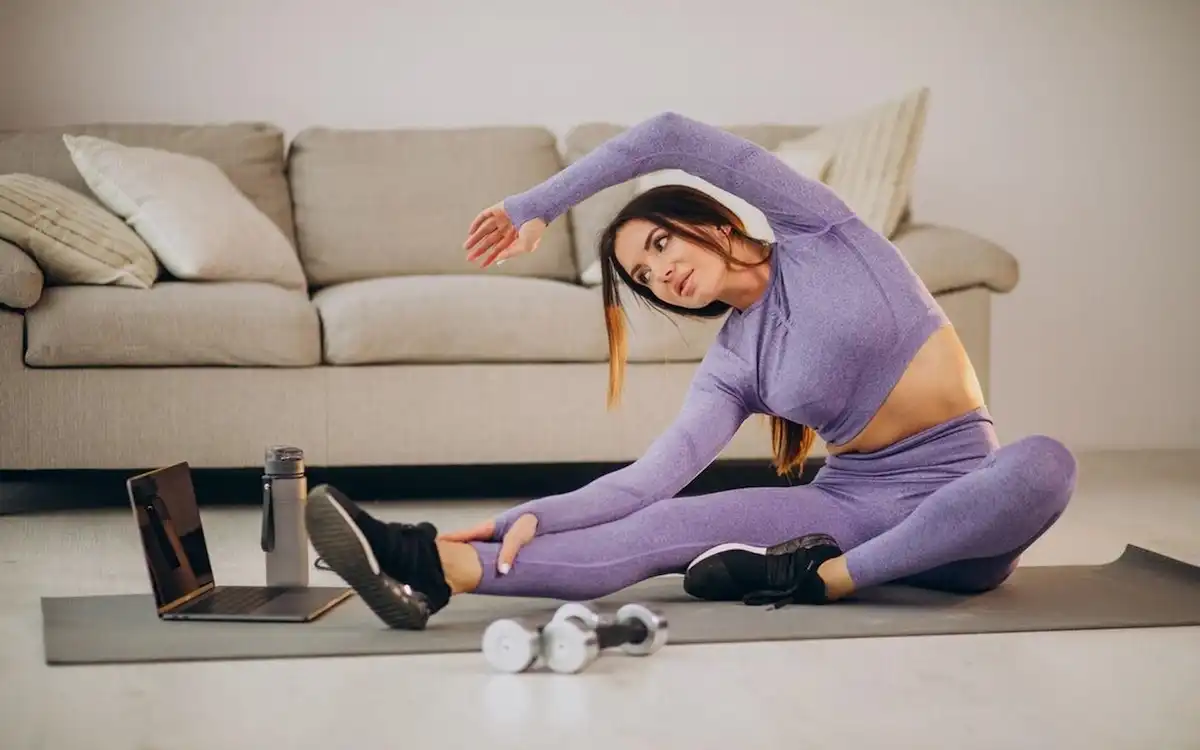
Life can change our goals quickly. When we’re busy with work, having a family, dealing with stress, or health problems, exercise often gets pushed to the back burner. If you haven’t worked out in years, the thought of starting over might be scary or too much for you. It’s never too late. You can start working out again in your 30s, 50s, or 70s, and it will make a key difference in your health, energy, and confidence.
1. Assess Your Current Health
Before you start an exercise plan, you should take a look at your current mental and physical health. You should start by seeing your doctor if you have a long-term illness like high blood pressure, diabetes, or joint pain. A quick check-up can let you know if you’re healthy enough to exercise and help you plan safe workouts.
Also, tell the truth to yourself. Are there moves that hurt or make you feel bad right now? Do you get short of breath when you go up the stairs? Realizing your limits isn’t disheartening; it gives you power. For safe and steady growth, it gives you a place to start.
2. Set Realistic And Personal Goals
Setting too high goals is one of the worst things people do when they start exercising again. Don’t try to run 5 miles next week or lose 20 pounds in a month if you haven’t worked out in years. Take a small, important step first. These could be your goals:
- “I want to walk for 15 minutes a day, five days a week.”
- “I want to reduce joint stiffness and move better.”
- “I want to lower my blood pressure naturally.”
SMART goals are clear, measurable, attainable, relevant, and have a due date. Little wins add up and help you form habits that last.
3. Choose The Right Activities For You
If you start doing high-intensity workouts too soon, you could get hurt or burn out. Instead, look into things that are right for your skill level and interests. Walking is a great way to start working out again because it is low-impact. Other choices that are good for beginners are:
- Swimming or water aerobics (great for joints)
- Do yoga or Pilates to get stronger and more flexible.
- stationary bikes or exercise trainers
- Group lessons in dance or low-impact sports
The important thing is to do something you enjoy. Don’t force yourself to run if you don’t like it. Instead, try tai chi, nature walks, or an online class for beginners.
4. Create A Simple And Flexible Routine
You don’t need a complicated workout plan to begin. A simple practice that you can stick to works better than a complicated one that you can’t. Start by setting aside 15 to 30 minutes for workouts a few times a week. Set times to meet with yourself and treat them like meetings that you can’t miss. A reasonable plan for the week could include:
- 2 days of cardio (walking, biking)
- 2 days of strength training (bodyweight or light weights)
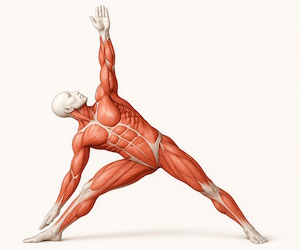
- 1 day of stretching or yoga
- 2 rest days or light activity (e.g., leisure walking)
You need to be flexible. Don’t be hard on yourself if you miss a day. Just keep going.
5. Start Slow And Progress Gradually
The body needs time to change, no matter how old you are or what you’ve been through. If you do too much at first, you could hurt yourself or get sore muscles, which would set you back even more.
Pay attention to your body. Instead of speed or weight, pay attention to good form. Slowly add more time, reps, or pressure over weeks instead of days. For instance, if you can walk for 15 minutes without any problems, add five minutes the following week. Keep track of your progress in a journal or an app. Seeing how far you’ve come can really inspire you.
6. Build Accountability And Support
It can be hard to stay inspired by yourself. Find ways to hold yourself responsible:
- Partner up with a friend or spouse.
- Sign up for an exercise class near you or an online group.
- Get help from a personal trainer, even if it’s only for a short time.
- Tell people you care about your goals so they can help you reach them.
Even small conversations with other people about exercise can help you stick with it and enjoy it more.
7. Overcome Mental Barriers
One of the hardest things isn’t something physical, it’s something mental. Your body may make you feel ashamed, unsafe, or down because it feels different. It’s okay to have these thoughts, but don’t let them run your life. Start by changing the way you think:
- Not perfection, but progress.
- Comparison takes away from the joy of your trip.
- No matter how small, every step forward is a win.
Learn to be kind to yourself. It’s okay that some days will be tougher than others.
8. Fuel And Rest Your Body Properly
Working out is just one part of being healthy. It’s important to get enough diet and rest, especially if you’re starting to exercise again after a long break.
- Getting enough nutrients from whole foods.
- Keeping yourself hydrated all day.
- Getting between 7 and 9 hours of sleep every night.
- If you really use your rest days, your muscles will heal and get stronger.
Before and after a workout, stretch, and to help your body heal, think about using foam rollers, massages, or warm baths.
9. Stay Consistent And Adaptable
Making progress takes time, and sometimes things go wrong. Life will throw you curveballs like sickness, travel, and stress, but don’t let them stop you for good. Make changes as needed. If you don’t have much energy, go for a short walk instead of a full workout. The important thing is to keep going, even if it takes longer. Remember your “why,” or the reason you chose to work out again. Write it down, put it somewhere you can see it, and go back to it often.
Conclusion
It might be scary to start working out again after a long break, but it’s one of the best things you can do for your health. You are good enough as it is. Just take a walk, a stretch, or a small step at a time to start.
Gas S. is a health writer who covers metabolic health, longevity science, and functional physiology. He breaks down research into clear, usable takeaways for long-term health and recovery. His work focuses on how the body works, progress tracking, and changes you can stick with. Every article is reviewed independently for accuracy and readability.
- Medical Disclaimer: This content is for education only. It doesn’t diagnose, treat, or replace medical care from a licensed professional. Read our full Medical Disclaimer here.