

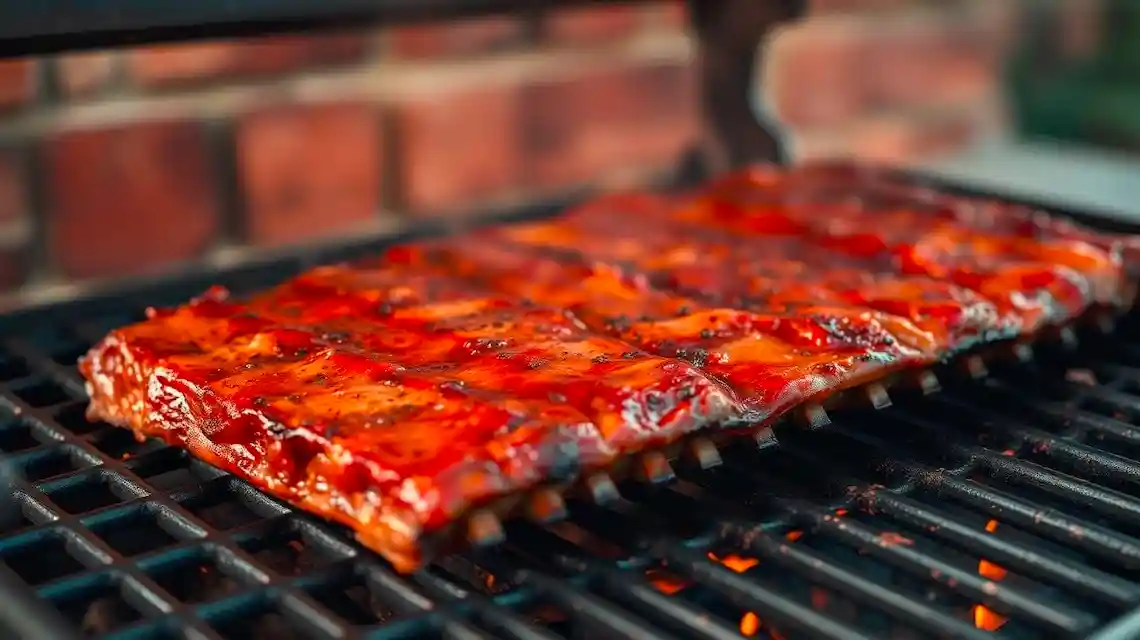
Picture a plate of tender ribs, meat pulling cleanly from the bone, and a shiny glaze that sticks to your fingers in the best way. If that sounds good but you feel nervous about grilling, you are not alone. Many people search for how to cook ribs on the grill and worry they will dry out the meat or burn the sauce.
This guide keeps things simple. You will learn how to pick the right ribs, season them with easy pantry spices, set up your grill, and cook them step by step for consistent, mouthwatering results.
Choose the Right Ribs Before You Start Grilling
At the store, you will usually see three common types of pork ribs: baby back ribs, spare ribs, and St. Louis style ribs. Baby back ribs come from near the loin, so they are smaller, leaner, and a bit more curved. Spare ribs are larger, meatier, and cut from the belly area. St. Louis style ribs are spare ribs that are trimmed into a neater rectangle.
For beginners, baby back ribs are often the easiest. They cook a little faster and are less fatty, which makes the grilling process more forgiving. Whatever style you choose, look for good meat coverage across the rack and a bit of marbling, since that fat keeps the ribs moist during a long cook.
Baby back vs spare ribs: which are best for the grill?
Baby back ribs are shorter and lighter, with a mild, slightly lean flavor. They usually cook in less time, which makes them a great pick when you are learning how to cook ribs on the grill. Spare ribs are bigger and have more fat, so they taste richer but take longer to soften.
If this is your first time grilling ribs, go with baby backs. Once you are comfortable with timing and heat control, try spare ribs for a deeper pork flavor and a more “barbecue joint” style rack.
What to look for when buying ribs at the store
When you stand at the meat case, keep it simple:
- Avoid racks with a lot of surface bone and very little meat.
- Choose ribs that feel evenly thick from end to end.
- Look for a pink or reddish color, not gray or dull.
- Pick ribs with thin, even fat, not huge, thick fat caps on top.
Prep and Season Your Ribs So They Turn Out Juicy
Good ribs start before they hit the grill. A few small steps at the counter help the meat stay tender and flavorful, which matters more than any fancy sauce. If you keep the process simple, you will never stress about how to cook ribs on the grill again.
Remove the membrane for more tender ribs
On the back of the rack, you will see a thin, shiny layer called the membrane or silver skin. If you leave it on, it tightens during cooking and blocks some of the seasoning and smoke.
To remove it, slide the tip of a butter knife under one corner of the membrane over a bone. Lift it gently until you can grip it with a dry paper towel. Then pull in a slow, steady motion. It should peel off in a sheet, or in a couple of strips.
Use a simple dry rub with pantry spices
You do not need a long ingredient list. A basic rub works well:
- Salt
- Black pepper
- Paprika
- Garlic powder
- Onion powder
- Brown sugar
- A little chili powder if you like heat
Pat the ribs dry with paper towels. Sprinkle the rub over both sides of the rack, using enough to lightly coat the surface without caking it on. Press it into the meat so it sticks. Let the ribs rest in the fridge while you set up the grill.
For another simple seasoning approach on a gas grill, you can check the method in this guide to the best grilled ribs.
How to Cook Ribs on the Grill Step by Step
Now for the fun part. The secret to great ribs is not fancy tricks. It is gentle heat, a closed lid, and a little patience. Here is how to cook ribs on the grill in a clear, beginner friendly way.
Set up your grill for low, indirect heat
Indirect heat means the fire is on one side of the grill and the food is on the other side. On a gas grill, turn on the burners on one side only. On a charcoal grill, pile the coals to one side. Place a drip pan with a bit of water under the grate on the cool side if you can.
You want the grill to stay around 250 to 300°F. Put the ribs on the cool side, bone side down, then close the lid.
Cook low and slow and leave the lid closed
Plan for about 1.5 to 2.5 hours for baby back ribs and closer to 3 hours for spare ribs. Check the temperature of the grill now and then, but resist lifting the lid every few minutes. Each time you open it, heat escapes and cooking slows.
If your grill has hot spots, you can flip the ribs or rotate the rack halfway through. Keep the ribs away from direct flames so the rub does not burn. For another clear walk through of low and slow gas grilling, you can look at this simple gas grill ribs method.
Add barbecue sauce at the end so it does not burn
Most barbecue sauces have sugar, and sugar burns fast over direct heat. If you add sauce too early, the surface can turn black and bitter before the meat is tender.
Instead, brush on a thin layer of sauce during the last 10 to 15 minutes of cooking. Turn the rack once or twice and add a little more sauce if you like. The glaze will tighten and get sticky without scorching.
If you want another glazed style for inspiration, check out this pull apart barbecue ribs recipe on the grill.
How to tell when grilled ribs are done and tender
Look for these simple signs:
- The meat pulls back from the ends of the bones by about a quarter inch.
- When you lift the rack with tongs from the middle, it bends and small cracks form on top.
- A toothpick slides between the bones with little resistance.
If you have a meat thermometer, check between the bones without touching the bone itself. Aim for around 190 to 200°F for soft, juicy ribs that are tender but not falling apart.
Conclusion
Great ribs come from a few basic steps done well: pick a good rack, prep it with care, season it simply, and cook it low and slow over indirect heat. You now know how to cook ribs on the grill without guesswork, from buying the meat to brushing on the final glaze. Next time, try a different rub or sauce and see what your family likes best. Thanks for reading, and enjoy that first rack of backyard barbecue ribs.
Related post:
Grill-Perfect Ribs: Frequently Asked Questions
How long should I cook ribs on the grill?
Baby back ribs usually take about 4 to 5 hours with low, indirect heat.
St. Louis or spare ribs usually take about 5 to 6 hours.
Use time as a guide, not a rule. Ribs are done when the meat pulls back from the bones by about a quarter inch, and a toothpick slides into the meat with little resistance.
What grill temperature is best for ribs?
Aim for 225°F to 250°F for slow, tender ribs. This lower heat gives the fat time to melt and the connective tissue time to soften.
Try not to let the temperature swing more than 25 degrees. Adjust vents or burners as needed and check every 20 to 30 minutes.
Should I use direct or indirect heat for ribs?
Use indirect heat for almost the entire cook. Put the coals or lit burners on one side of the grill and the ribs on the opposite side.
Direct heat works only for a quick sear at the end if you want a bit of char. Keep that sear short, 2 to 3 minutes per side, to avoid burning the sauce or rub.
How do I know when ribs are done without overcooking them?
Look for three simple signs:
- Meat pulls back from the bone by about a quarter inch.
- A toothpick or skewer slides in and out with almost no resistance.
- When you pick up the slab with tongs from the center, the surface cracks slightly and bends.
Internal temperature usually lands around 195°F to 203°F for tender ribs, but texture matters more than the exact number.
Should I boil ribs before grilling?
Skip boiling if you want full flavor and good texture. Boiling pulls flavor out of the meat and can make ribs taste bland and stringy.
If you need to speed things up, use the oven instead. Bake the seasoned ribs, wrapped in foil, at 275°F until tender, then finish on the grill for smoke and char.
Do I need to remove the membrane from ribs?
Yes, if you want tender ribs that soak up rub and smoke. The thin, shiny membrane on the bone side can turn tough and chewy.
Slide a butter knife under a corner of the membrane, grab it with a paper towel, and peel it off. If a bit remains, do your best to remove most of it, then move on.
What’s the best way to season ribs for the grill?
Keep it simple for most cooks. Use a dry rub with salt, black pepper, paprika, garlic powder, onion powder, and a little brown sugar.
Pat the ribs dry, then apply a light coat of oil or mustard. Cover both sides with rub. Let them sit at least 30 minutes, or up to overnight in the fridge, before grilling.
Should I marinate ribs or just use a dry rub?
Both work, but most grill cooks prefer a dry rub for pork ribs. A rub builds a flavorful bark and is easier to work with on the grill.
If you like a marinade, choose one with some acid (like vinegar or citrus), oil, and spices. Keep marinating under 12 hours so the surface does not turn mushy.
When should I put barbecue sauce on ribs?
Apply sauce near the end of the cook, usually in the last 20 to 30 minutes.
Brush on a thin layer, close the lid, let it set, then add another light layer if you like. If you put sauce on too early, the sugars can burn and turn bitter.
How do I keep ribs from drying out on the grill?
Keep the heat low and indirect, and do not skip the resting time.
You can also:
- Wrap ribs in foil for part of the cook (the “Texas crutch”) to hold moisture.
- Place a small pan of water in the grill to help control temperature.
- Avoid lifting the lid too often, since heat loss dries meat over time.
What is the 3-2-1 method for ribs?
The 3-2-1 method is a common approach for spare ribs:
- 3 hours unwrapped with smoke and indirect heat.
- 2 hours wrapped in foil with a bit of liquid.
- 1 hour unwrapped to set the sauce and firm the bark.
For baby back ribs, many people use something like 2-2-1 or 2.5-2-0.5, since they cook faster and can dry out if you use the full 3-2-1 schedule.
Do I have to use smoke wood for good ribs?
You do not have to, but smoke wood adds classic barbecue flavor.
For gas grills, use a smoker box or wrap wood chips in foil with holes poked on top, then place it over a burner. For charcoal, add a few chunks of wood on top of hot coals. Popular choices are hickory, apple, cherry, or oak. Use a small amount at first so the smoke does not taste harsh.
Can I cook ribs on a gas grill and still get good results?
Yes, you can cook great ribs on a gas grill. Use indirect heat by lighting only one or two burners and placing the ribs on the unlit side.
Add a smoker box or foil packet with wood chips for smoke. Keep the lid closed as much as possible, and watch the temperature with a grill thermometer.
How long should ribs rest after grilling?
Let ribs rest for 10 to 20 minutes before slicing.
Resting lets juices spread back through the meat, so the ribs taste more moist and tender. Tent them loosely with foil and keep them out of direct wind while they rest.
Which ribs are best for grilling: baby back or spare ribs?
Baby back ribs are shorter and leaner. They cook faster and feel a bit more tender, so many people like them for quick weekend cooks.
Spare ribs, or St. Louis cut, have more fat and connective tissue. They take longer but have deeper pork flavor once that fat melts. Pick the style that fits your time and taste.
How do I cut and serve grilled ribs without making a mess?
Place the slab bone side up so you can see the bone lines. Use a sharp knife and cut between the bones, not through them.
For a cleaner presentation, wipe the knife blade every few cuts. Serve ribs on a platter, and offer extra sauce on the side instead of drowning them before serving.
Can I grill ribs from frozen?
Do not cook ribs straight from frozen on the grill. The outside will overcook while the inside stays underdone.
Thaw ribs in the fridge for 24 to 48 hours, or use a cold water bath in a sealed bag. Once thawed, pat dry, season, and grill as usual.
How do I reheat grilled ribs without drying them out?
Wrap ribs in foil with a splash of apple juice, broth, or water. Heat them in a 250°F oven or on an indirect part of the grill until warm, usually 20 to 30 minutes.
Unwrap for a few minutes at the end if you want to refresh the bark. Avoid high heat, since it dries the meat and toughens the edges.
Why are my grilled ribs tough, and how can I fix that?
Tough ribs usually mean they were undercooked or cooked too hot. Connective tissue needs time to soften at lower temperatures.
Cook longer at 225°F to 250°F, and use the bend and toothpick tests instead of relying only on the clock. If they are already cooked but still a bit tough, wrap them in foil with a little liquid and return them to gentle heat until tender.
 How to Make a Cheese Grilled Sandwich
  Simple Grill Recipes That Make Dinner Easy And Fun
  How Long To Grill Salmon In Foil
  How To Use A Grill With Charcoal