

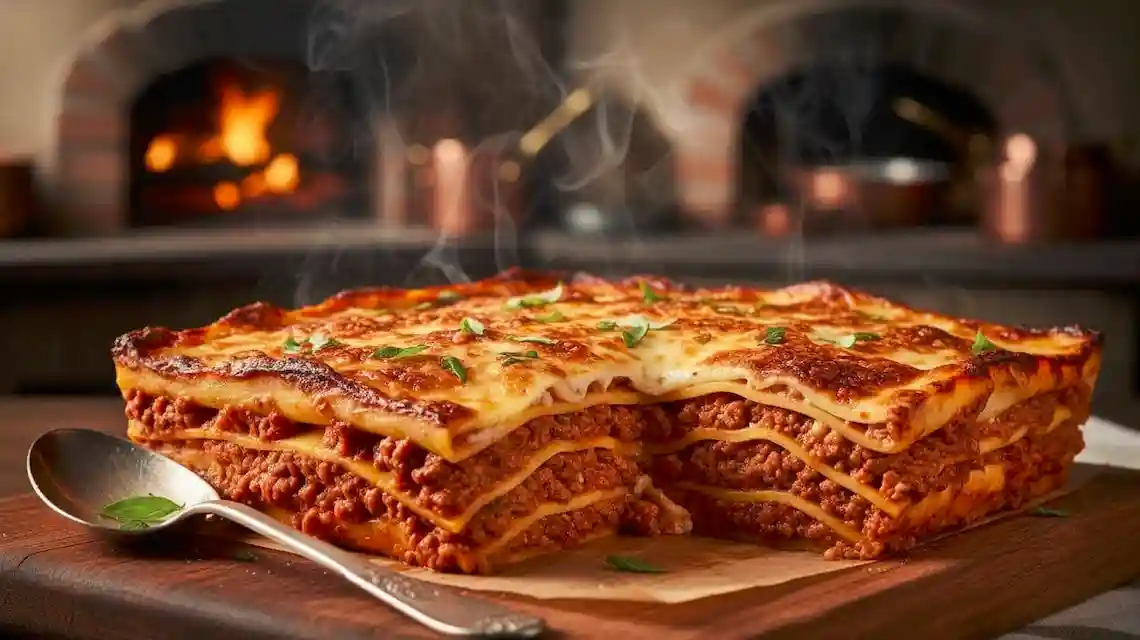
What if dinner felt like a hug on a plate? This simple guide shows you how to build a flavorful lasagna with clear steps and smart choices, even on a busy weeknight. You will learn how to pick ingredients, prep a quick sauce and ricotta filling, layer the pan like a pro, bake to the right temperature, and serve clean slices without the slide.
Count on 30 to 45 minutes of prep, 45 to 60 minutes to bake, plus 15 to 20 minutes to rest. You will see easy swaps for meat or veggie versions, regular or no-boil noodles, and make-ahead tips that actually work. If you came here to learn how to cook a lasagna, you are in the right place.
Prep the parts that make lasagna great: sauce, cheese, and noodles
Choose the right ingredients for flavor and budget
- Mozzarella: Low moisture melts best. Grate your own for better stretch and fewer clumps.
- Ricotta or cottage cheese: Use ricotta for classic texture. If using cottage cheese, drain well or blend smooth. Season either one.
- Parmesan: Adds nutty salt. A little goes far.
- Protein: Ground beef, Italian sausage, or turkey all work. For veggie, try mushrooms, spinach, or zucchini.
- Tomatoes: Crushed tomatoes give body. A good jarred sauce is fine as a base.
- Aromatics and herbs: Onion, garlic, Italian seasoning, and fresh basil or parsley if you have it.
- Season as you go: Light salt and pepper in each part. Layers taste better when each component has flavor.
For a quick primer on a classic approach, the step-by-step format in the allrecipes homemade lasagna guide is helpful for visualizing the flow.
Make a quick, hearty sauce (meat or veggie)
Heat olive oil in a wide pan. Sauté chopped onion with a pinch of salt until soft. Add garlic for a minute, just until fragrant.
For meat sauce, brown the meat, then drain excess fat if needed. For veggie sauce, sauté mushrooms and zucchini until most moisture cooks off.
Stir in crushed tomatoes, a spoon of tomato paste, Italian seasoning, salt, pepper, and a small pinch of sugar if the tomatoes taste sharp. Simmer 15 to 20 minutes, stirring, until the sauce coats a spoon and looks glossy. You want about 5 cups for a 9×13 inch pan.
Starting with jarred sauce? Warm garlic in oil, add the sauce with dried herbs, and simmer for 10 minutes to thicken and deepen flavor. For an easy no-boil approach, the method in the kitchn’s no-boil lasagna shows how to balance sauce and noodles so they soften well.
Mix a creamy ricotta filling that does not get watery
Combine ricotta with 1 egg, grated parmesan, chopped parsley or basil, salt, and pepper. The mixture should be spreadable, not runny.
Using cottage cheese? Drain it in a fine sieve, or blend until smooth, then season the same way. Making spinach lasagna? Thaw frozen spinach, wring it very dry in a towel, and fold it into the ricotta mix.
A thicker filling gives clean, sharp slices later. If it feels loose, stir in another spoon of parmesan.
Pick and prep noodles: boil vs no-boil
Boil-style noodles give a classic bite. Cook them just shy of al dente, then drain and lay flat on clean towels so they do not stick.
No-boil noodles save time, but need more moisture to soften. Use a bit more sauce on each layer and spread the ricotta thinner. Gluten-free noodles work too, but handle gently and follow the box. The goal is soft, tender layers, not dry or stiff sheets.
How to cook a lasagna step by step: assemble and bake
Layer like a chef for even slices
Use a 9×13 inch baking pan. Spread a thin layer of sauce first so noodles do not stick. Layer like this:
- Sauce
- Noodles
- Ricotta mixture
- Shredded mozzarella
- More sauce
Repeat for 3 full layers if your pan allows. Finish with noodles, a generous layer of sauce, mozzarella, and a little parmesan. Do not overfill. Leave a small gap at the top so it can bubble without spilling.
Make sure sauce reaches every edge. Dry corners burn fast. For a visual reference on classic layering, the photos in this easy homemade lasagna recipe are helpful for beginners.
Bake time and temperature, plus foil tips
Bake at 375 F. Cover with foil for the first 30 to 40 minutes to trap steam and soften the noodles. Lightly tent the foil or spray the underside with oil so the cheese does not stick.
Remove foil and bake 15 to 20 minutes more until the top browns in spots and the center bubbles. The middle should reach 160 to 165 F on an instant-read thermometer. For deeper pans, add 10 minutes covered. Using convection, try 350 F and check 10 minutes earlier.
Want deeper color on top? Broil 1 to 2 minutes at the end, watching closely.
Rest, slice, and serve without a mess
Set the pan on a rack and rest 15 to 20 minutes before cutting. This helps the sauce settle and the cheese firm up.
Cut with a serrated knife using gentle sawing strokes. Lift each piece with a wide spatula. Garnish with chopped parsley or basil. If the top looks greasy, blot gently with a folded paper towel.
Serve, store, reheat, and fix common lasagna problems
What to serve with lasagna and how much to make
Keep sides simple to balance the richness.
- Green salad with vinaigrette
- Garlic bread or warm baguette
- Roasted broccoli, asparagus, or carrots
A 9×13 inch pan serves 8 large slices or up to 12 smaller pieces. Feeding a crowd? Bake two standard pans instead of one very deep one. Thick layers can cook unevenly. For dessert, fresh fruit or a small scoop of sorbet keeps the meal light.
Make ahead, freeze, and reheat without drying out
Assemble and chill up to 24 hours, then add 10 to 15 minutes to the bake time. To freeze unbaked, wrap tightly in plastic and foil for up to 3 months.
Bake from frozen at 375 F for 60 to 75 minutes covered, then uncover for 15 to 20 minutes to brown. For reheating slices, place in a small dish, spoon on a bit of water or sauce, cover with foil, and warm at 325 F for 20 to 25 minutes. Or microwave covered until hot, then rest 2 minutes. Always reheat to at least 165 F. For more make-ahead and freezer tips, this guide to an easy lasagna that is freezer-friendly offers helpful pointers.
Troubleshooting: watery, undercooked, or burnt edges
- Watery lasagna: Drain meat well, squeeze spinach dry, and simmer sauce longer. Do not overload with watery vegetables.
- Ricotta too loose: Stir in more parmesan or a spoon of breadcrumbs to bind.
- Undercooked noodles: Cover and bake 10 to 15 minutes more. Spoon a bit of sauce around dry edges.
- Burnt edges or dry top: Spread sauce to every corner and keep the foil on longer at the start.
- Flat flavor: Add a pinch of salt, more parmesan at the table, or a spoon of bright tomato sauce over each slice.
Easy variations to try next time
- Spinach and mushroom: Fold squeezed spinach into the ricotta and layer with sautéed mushrooms.
- Turkey sausage with peppers: Brown turkey Italian sausage with diced peppers for a lighter but bold sauce.
- White lasagna: Use béchamel and cooked chicken with spinach and mozzarella.
- Lighter dairy: Part-skim mozzarella and ricotta cut richness without losing texture.
- Cottage cheese fans: Drain and blend for a smooth finish.
- Gluten-free: Use gluten-free noodles and check doneness a bit early.
Keep a note on bake times and your oven’s hot spots. Your second batch will be even better.
Conclusion
You now have a clear plan: prep a flavorful sauce and a thick ricotta mix, choose the right noodles, layer with enough sauce at the edges, bake covered then uncovered, and always rest before slicing. Pick one variation and try it this week. Bookmark this guide, print it, and share your own tips in the comments. Lasagna rewards a little patience with a lot of comfort, and that is a win for any home cook. Enjoy your next pan of lasagna with confidence.
Related post:
- How Do You Cook Tuna Fish?
- How to Cook Delicious Spaghetti at Home
- Cooking Steak In a Stainless Steel Pan
How to Cook a Lasagna FAQs:
How long should I bake lasagna?
Bake a 9×13 pan at 375°F (190°C) for 45 to 60 minutes. Keep it covered for most of the time, then uncover for the last 10 to 15 minutes. The sauce should bubble, and the top should be lightly browned.
Do I need to boil the noodles first?
Use as directed. No-boil noodles go in dry with plenty of sauce. Regular noodles should be boiled until just shy of al dente, then drained and cooled.
What’s the correct layer order?
Start with sauce in the pan. Then noodles, ricotta mixture, meat or veggies, more sauce, and a sprinkle of mozzarella and Parmesan. Repeat 2 to 3 times, ending with sauce and cheese on top.
How many layers is best?
Three solid layers of noodles work well in a 9×13 pan. Four layers can fit if your pan is deep and you use extra sauce.
Should I cover lasagna while baking?
Yes. Cover with foil for the first 35 to 45 minutes to keep moisture in. Uncover near the end for browning.
How do I stop runny, soupy lasagna?
Use a thicker sauce, drain cooked meat well, and squeeze moisture from veggies like spinach. Let the baked lasagna rest 15 to 30 minutes before slicing.
How much sauce do I need?
Plan on 4 to 6 cups of sauce for a 9×13 pan. No-boil noodles need the higher end to hydrate properly.
What temperature should the center reach?
Aim for 165°F (74°C) in the center. Use an instant-read thermometer to check doneness and food safety.
Can I make lasagna ahead?
Yes. Assemble, cover, and chill up to 24 hours. Add 10 to 15 minutes to the bake time if baking straight from the fridge.
Can I freeze lasagna?
Yes. Freeze unbaked or baked. Wrap tightly to prevent freezer burn. Thaw in the fridge overnight, then bake until hot and bubbling.
How do I reheat leftovers?
Cover and reheat at 350°F (175°C) for 20 to 30 minutes, or until hot. For single slices, use the microwave, then crisp in a hot oven for a few minutes.
Which cheese should I use?
Use a mix. Ricotta for creaminess, mozzarella for stretch, Parmesan for flavor. Add provolone or fontina if you like a richer melt.
Ricotta or cottage cheese?
Ricotta gives a classic, smooth texture. Cottage cheese is lighter and a bit tangy. If using cottage cheese, drain it or blend it for a smoother mix.
What meat works best?
Use 80 to 90 percent lean ground beef, Italian sausage, or a mix. Brown well, drain excess fat, and season the sauce.
How do I make a tasty vegetarian lasagna?
Swap meat for sautéed mushrooms, spinach, zucchini, or eggplant. Cook veggies first to remove moisture. Use a hearty marinara or a creamy béchamel.
Can I use gluten-free noodles?
Yes. Parboil if the package suggests it. Use extra sauce since some gluten-free noodles absorb more liquid.
What’s the best pan size?
A 9×13 pan is standard. A deep dish pan helps prevent overflow and lets you build taller layers.
Why does my top burn?
Your oven runs hot, or the cheese was exposed too long. Keep it covered with foil, or tent loosely if cheese browns fast.
How long should lasagna rest after baking?
Let it rest 15 to 30 minutes. The layers set, slices hold together, and juices redistribute.
Can I add béchamel instead of ricotta?
Yes. Spread a thin layer of béchamel over each noodle layer, then add sauce. It yields a silky, classic Italian texture.
How do I season the ricotta mixture?
Stir in salt, pepper, grated Parmesan, one egg, chopped parsley, and a little garlic. Taste and adjust before layering.
How do I keep no-boil noodles from staying hard?
Use more sauce and cover well. Make sure sauce touches every noodle edge and corner. Bake long enough, then rest before serving.
What if my sauce is too thin?
Simmer it longer to reduce. A thick spoon-coating texture works best for clean slices and even cooking.
Can I add vegetables without making it watery?
Yes. Roast or sauté veggies first, then pat dry. Layer them sparingly with sauce, not stacked in one spot.
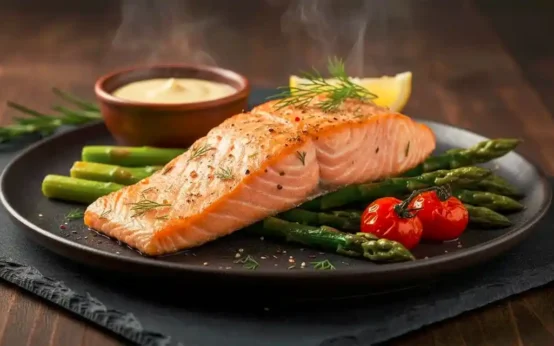 How to Cook The Salmon Fish
  How Do You Cook Tuna Fish?
 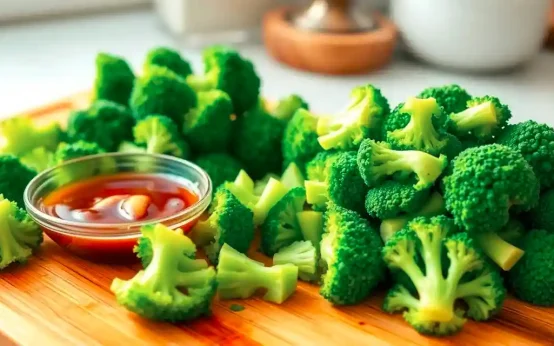 How to Cook Teriyaki Broccoli
 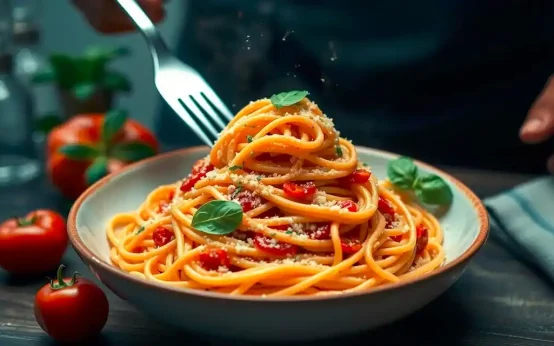 How to Cook Delicious Spaghetti at Home
  How to Make the Best Egg Omelette (10-Minute Guide)
  Cooking Steak In a Stainless Steel Pan