

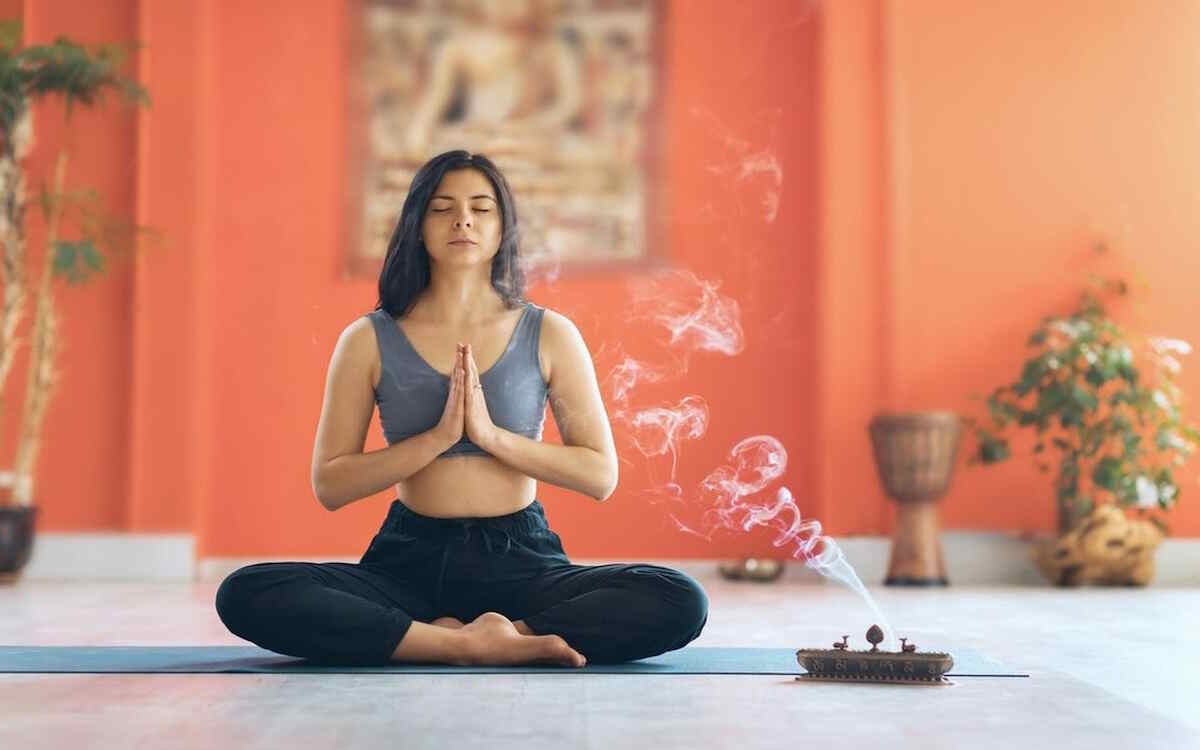
The day starts with pings, a full inbox, and a calendar that looks like a Tetris board. Then school calls, or a family need pops up, and your chest tightens. How Meditation Can Help In Managing Stress is not a mystery or a big project. It is a small, steady way to calm your body, clear your mind, and reset your mood.
Meditation, in simple words, is paying gentle attention to the breath, the body, or a phrase, and coming back when the mind wanders. That is it. No special gear needed.
In this guide, you will learn why meditation settles the stress response, what is happening in your body and brain, a few easy practices you can try today, and how to build a routine that fits a busy life. If you want a quick overview, the Mayo Clinic explains meditation as a simple tool to reduce stress in daily life. See Meditation: A simple, fast way to reduce stress.
How Meditation Can Help In Managing Stress: What Happens Inside Your Body and Brain
What Stress Does to Your Body and Mood
Stress is your body’s alarm system. When a deadline hits or a teacher calls on you, the heart speeds up, breathing gets shallow, and muscles grip. Shoulders creep toward your ears. The stomach flips or tightens. Thoughts race, and your temper gets short. It is the fight or flight response, built to protect you.
Picture this at work. Your boss asks for a report, right now. Your chest pounds, palms sweat, and your jaw clenches. The body thinks there is a threat, even if it is only a request.
How Meditation Activates Your Calm System
Your body also has a brake, called the rest and digest system, or the parasympathetic system. Slow breathing and steady attention press that brake. When you breathe out a bit longer than you breathe in, the heart rate can drop. Muscles loosen. Over time, the stress hormone cortisol can settle. It is like turning down the volume on worry, click by click. For a plain-language explainer, see how mindfulness can calm the fight or flight response at UW Medicine’s overview on meditation and the brain.
Brain Changes That Support Focus and Control
With practice, the busy alarm center in the brain, called the amygdala, can quiet. The planning and control center, the prefrontal cortex, can get stronger. This means better focus, more patience, and more choice in how you respond. You still feel stress, but you are not swept away so fast. You hit pause, then choose your next step.
What Research Says in Plain Language
Research groups have found that mindfulness programs, like 8 week training, help many people feel less stressed and more steady. Even short daily sessions, five to ten minutes, can build calm within a few weeks. The American Psychological Association shares how mindfulness changes brain and biology in helpful ways. Read more from the APA on mindfulness meditation benefits.
Simple Meditation Techniques for Fast Stress Relief
3-Minute Breathing Practice to Reset
- Sit or stand tall. Soften your jaw and shoulders.
- Inhale through the nose for a slow count of 4.
- Exhale gently for a slow count of 6.
- Repeat for 3 minutes.
- If the mind gets busy, label it as thinking, then return to the breath.
- End with a quick check-in. Notice your heart rate, shoulders, and face.
This practice fits between meetings, before class, or in your car before you go inside.
Body Scan to Release Tension
- Start at the toes. Move your attention up through feet, calves, knees, and thighs.
- Notice tight spots. Breathe into them. Let the out-breath soften them.
- Soften the jaw, eyes, and shoulders.
- For a short version, scan feet, belly, and face for one minute.
- If the mind wanders, that is normal. Gently return.
A body scan brings you back into the body, where stress shows up first, and helps it move through.
Loving-Kindness to Ease Harsh Self-Talk
- Sit comfortably. Place a hand on the heart if you like.
- Repeat, silently: May I be calm, may I be safe, may I be kind to myself.
- Continue for a few minutes.
- Then bring someone you care about to mind. Say, May you be calm, may you be safe.
- Let any warmth or ease spread through the chest.
This practice can soften stress at the source, that hard inner voice. Over time, it grows patience and care for yourself and others.
Walking Meditation for Restless Energy
- Walk slowly, about half your normal pace.
- Feel heel, foot, toe. Notice the shift of weight and your breath.
- Keep your eyes softly open. Let your gaze rest ahead.
- For an everyday version, try this while walking to class or the bus.
- Tip: name three sounds you hear, then return to your steps.
Walking meditation helps when sitting feels too tight. It brings the mind and body back together while you move.
Make It Stick: A Daily Meditation Plan for Less Stress
Set Up a Calm Space and a Simple Plan
Pick a corner, a chair, or a cushion. Use a light timer, like 5 minutes. Choose a cue, such as after brushing your teeth. Start with 3 to 5 minutes, then add a minute each week if that feels right. Keep a Plan B for busy days, like one minute of breathing before you open your laptop. Simple and steady beats long and rare.
Beat Common Roadblocks and Busy Thoughts
Common hurdles show up for everyone. No time, sleepiness, restlessness, or self-judgment. Try shorter sessions, open your eyes, or switch to walking meditation. Guided audio can help you stay with it. Remember, a wandering mind is normal. The practice is the return. One gentle return is one rep.
Track Progress With Small Metrics
Use quick, simple markers:
- Rate your mood 1 to 5 before and after practice.
- Note one stress trigger you handled better today.
- Count breaths per minute at the start and end.
Celebrate tiny wins. Maybe you paused before sending a tense text. That counts. Small steps add up.
Pair Meditation With Sleep, Exercise, and Support
Light movement, steady sleep, and phone limits make meditation work better. A short walk settles the body. A set bedtime helps the brain reset. If panic, trauma memories, or strong sadness show up, try eyes-open practice, focus on sounds, use guided sessions, or talk with a healthcare pro. For a deeper science view, you can scan this open-access review on meditation and health benefits from the National Library of Medicine: Meditation and Its Mental and Physical Health Benefits.
Conclusion
Daily stress happens, but you can train how your body and brain meet it. Meditation lowers the stress dial in the body, it strengthens focus and control in the brain, and it helps you choose your response. That is How Meditation Can Help In Managing Stress in real life. Try the 3 minute breathing practice right now, see how you feel, then bookmark this post for later. Stick with short, steady sessions. Aim for consistency, not perfection, one calm minute at a time.
FAQs
1. How Long Should I Meditate To Reduce Stress?
Start with five minutes a day and slowly add more time.
2. Can Meditation Replace Medical Treatment For Stress?
No it doesn’t replace professional care it just helps with treatment.
3. What Is The Best Time To Meditate For Stress Relief?
Most people do their best work in the morning or evening.
4. Do I Need Special Equipment To Meditate?
No, you only need a quiet sitting place and a soft cushion.
5. How Soon Will I See Results From Meditation?
Many people feel relaxed after just a few lessons and the effects get stronger over time.

Gas S. is a health writer who covers metabolic health, longevity science, and functional physiology. He breaks down research into clear, usable takeaways for long-term health and recovery. His work focuses on how the body works, progress tracking, and changes you can stick with. Every article is reviewed independently for accuracy and readability.
- Medical Disclaimer: This content is for education only. It doesn’t diagnose, treat, or replace medical care from a licensed professional. Read our full Medical Disclaimer here.