

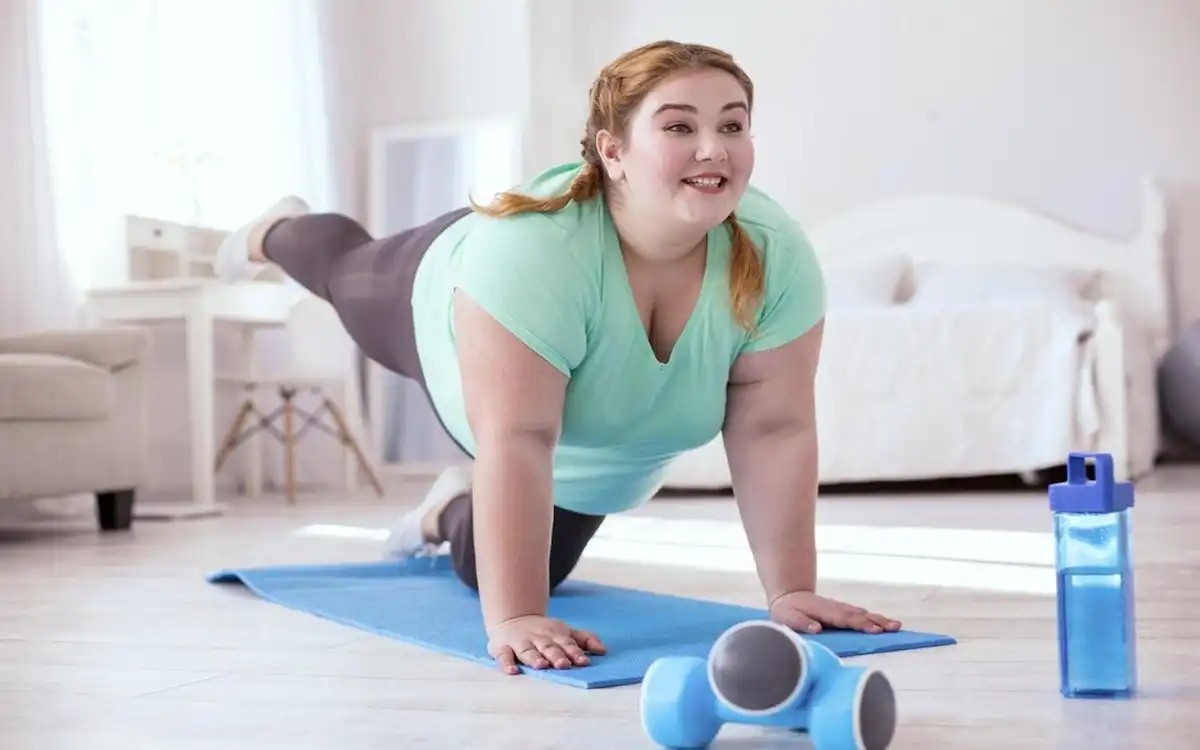
Is losing weight all about what you eat, or do workouts really matter too? Many people see bold claims online and end up confused or stuck. Some say diet is everything, others say you just need to move more.
This post gives a clear, simple answer about how important is exercise for weight loss, backed by science and written in plain language. By the end, you will know what to focus on first, and how to use both food and movement to reach your goal.
How Exercise Helps Your Body Burn More Calories
Weight loss happens when you burn more calories than you eat. This is called a calorie deficit. You can create that deficit by eating fewer calories, burning more through activity, or both.
Exercise helps on two levels. You burn calories while you move, and your body may keep burning a little more even after you stop, especially after harder workouts. Large reviews show that regular physical activity can lead to modest weight loss over time, especially when combined with diet changes, as explained in this article on physical activity and weight loss.
Health experts also point out that being active helps with blood sugar, heart health, and mood, not just the number on the scale. The CDC explains how physical activity supports weight control by helping you use more energy each day.
Cardio Exercise And Burning Calories Fast
Cardio is any movement that gets your heart beating faster for several minutes. Think walking, jogging, cycling, or swimming.
These activities use a lot of energy in a short time. For example, a brisk walk, a light jog, or a spin on the bike can burn hundreds of calories, depending on your size and pace. That extra burn helps create the calorie deficit you need for weight loss.
If you are just starting, brisk walking is a great first step. You do not need to run. A 20 to 30 minute walk that makes you breathe a bit harder than normal can already move the scale in the right direction when you pair it with better food choices.
Strength Training And Building A Faster Metabolism
Strength training is any exercise that works your muscles against resistance. This can be lifting weights, using resistance bands, or doing body weight moves like squats, pushups, and lunges.
When you gain a little muscle, your body uses more calories even when you rest. Muscle tissue is like a small engine that keeps running all day. It does not skyrocket your metabolism, but it makes weight loss and weight maintenance easier.
This is why people who include some strength work often find it easier to keep the weight off. They are not just lighter, they are stronger and feel more solid in daily life.
Can You Lose Weight With Diet Alone, Without Exercise?
Yes, you can lose weight by changing your diet alone. Many people do, especially at the start. Since weight loss is about calories in versus calories out, eating less can be enough to see progress.
However, diet only can come with trade offs. You may lose more muscle along with fat, which can slow your metabolism and make regain more likely. You might also feel weaker or more tired.
When you combine diet changes with exercise, you usually lose more fat and keep more muscle. Research on aerobic exercise and weight loss, like the review in JAMA Network Open, shows that regular cardio improves body fat levels and waist size, especially when paired with healthy eating.
Related post:
Why Diet Still Matters More Than Exercise For Weight Loss
Imagine this. Skipping a large sugary drink might save you 300 to 500 calories. To burn the same amount, you might need 45 to 60 minutes of hard cardio.
It is usually easier to eat 500 fewer calories than to burn 500 extra. That is why most of your calorie deficit will come from food choices. Exercise helps a lot, but it cannot fully fix fast food, constant snacking, or large portions.
So, if you want steady weight loss, focus first on what and how much you eat. Then use movement as a strong helper, not your only tool.
Why Adding Exercise Makes Weight Loss And Maintenance Easier
People who mix healthy eating with regular exercise tend to keep the weight off longer. They move better, feel stronger, and often have more stable moods and energy.
Exercise can also help your mind. It lowers stress for many people and can reduce emotional eating. When you feel less tense and more in control, it is easier to say no to late night snacks or stress eating.
Some studies and expert reviews, like those shared by Yale Medicine on the benefits of exercise, highlight that movement improves health in many ways beyond calories. Better sleep, better blood sugar, and better mood all support long term weight control.
How Much Exercise Do You Really Need For Weight Loss?
You do not need a perfect workout plan to start losing weight. Think in terms of small, steady changes that you can keep doing for months, not days.
A common goal for health is at least 150 minutes of moderate activity each week. That can help with weight loss when matched with smart eating. The Mayo Clinic’s guide on exercise and calories shows how different activities can add to your daily calorie burn.
If that number feels too big, start lower. Any movement is better than none. You can always add more time or intensity as your fitness improves.
Simple Weekly Exercise Goals For Beginners
You can use this as a starting point:
- 20 to 30 minutes of brisk walking, 3 to 5 days per week
- 2 short strength sessions, about 10 to 20 minutes each, using body weight
For strength, simple moves like wall pushups, chair squats, and glute bridges work well at home.
Also, do not ignore small daily choices. Taking the stairs, standing more often, walking while on the phone, or parking farther away all add up. These habits can quietly increase your weekly calorie burn without feeling like a workout.
Choosing Activities You Enjoy So You Stay Consistent
The best exercise for weight loss is one you will stick with. If you hate running, you will probably not run for long, and that is okay.
Try different things and see what feels fun or at least not awful:
- Walking with a friend or your dog
- Dancing in your living room
- Group classes like Zumba, water aerobics, or beginner strength
- Casual sports like tennis, basketball, or pickleball
Start small so your body can adapt. You might begin with 10 minutes and slowly add a few minutes each week. If you feel pain (not just normal effort), ease up and adjust. Consistency matters more than perfection.
Conclusion
So, how important is exercise for weight loss? Diet has the bigger impact on the scale, but exercise is very important for faster progress, better health, and keeping the weight off in the long run. Food choices create most of your calorie deficit, and movement protects your muscle, boosts your mood, and helps you maintain your results. Pick one small change with your eating and one simple way to move more this week, and build from there, step by step.

Gas S. is a health writer who covers metabolic health, longevity science, and functional physiology. He breaks down research into clear, usable takeaways for long-term health and recovery. His work focuses on how the body works, progress tracking, and changes you can stick with. Every article is reviewed independently for accuracy and readability.
- Medical Disclaimer: This content is for education only. It doesn’t diagnose, treat, or replace medical care from a licensed professional. Read our full Medical Disclaimer here.