

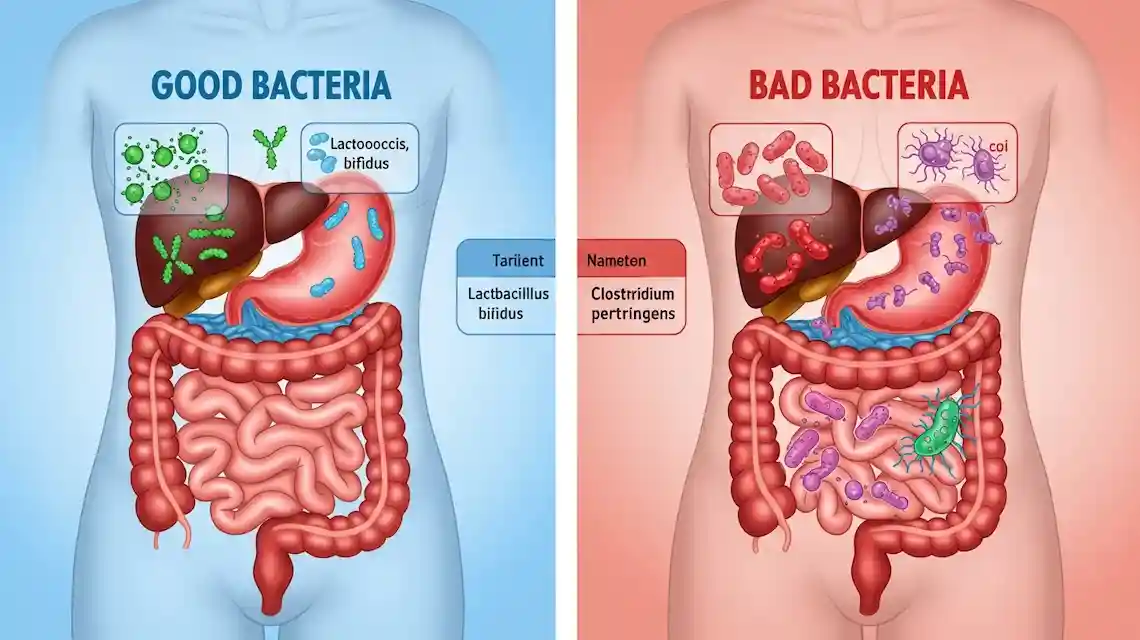
Gut health affects immunity in ways most people do not expect. The stomach does a lot more than just digest food. It supports your body’s defenses and helps keep you from getting sick. If you want to stay healthy each day, learning how gut health affects immunity can give you real control over your wellbeing.
When your gut is in balance, your immune system works better. This is because healthy gut bacteria help fight off unwanted bugs. The right foods, like those found on our page about foods for gut bacteria balance, can support a healthier gut and a stronger immune system. Understanding this connection gives you a solid step toward lasting, everyday wellness.
The Gut-Immune System Connection
The gut is not just a tube that moves food along, it is the body’s immune headquarters. About 70% of your immune cells live here, working side by side with trillions of microbes. This living ecosystem is always “on duty,” sorting out what helps or harms you. When you take care of your gut, you support the troops that defend your health in ways you may never see but certainly feel.
Roles of the Gut Microbiota in Immunity
Meet your body’s secret army: the gut microbiota. This community is made up of bacteria, viruses, fungi, and other tiny guests who mostly live in harmony. The friendly bacteria act as trainers for your immune cells, showing them how to tell the difference between a helpful visitor and an enemy. Think of it like teaching security guards who to let in and who to keep out.
A balanced mix of good and not-so-good bacteria keeps your defenses alert but not jumpy. The microbiota:
- Helps immune cells grow up and learn their jobs.
- Communicates with immune cells to respond quickly to threats.
- Produces short-chain fatty acids, which calm inflammation and help keep the gut lining strong.
But if the balance tips toward too many harmful bacteria (a state called dysbiosis), the guards can get confused. This can lead to:
- More infections or stomach problems.
- Overactive immune reactions like allergies.
- Higher risk of chronic issues, including some autoimmune diseases.
Diversity in your diet and including foods that invite helpful bugs are key for strong immunity. Curious about boosting your good bacteria for better defenses? The health benefits of fermented foods go well beyond taste, adding even more back-up to your immune system.
Gut Barrier Function and Immune Protection
The gut barrier acts much like a fortress wall. It is made up of tightly packed cells, mucus, and even secret weapons called antibodies. This barrier works around the clock, letting helpful nutrients in while blocking out the bad stuff.
What makes the gut barrier special? It’s selective, like a bouncer at the door—letting in only what serves you and keeping out things that can cause illness. The gut lining:
- Absorbs vitamins, minerals, and water your body needs.
- Shields you from toxins, bacteria, and viruses that could make you sick.
- Works with immune cells that line the gut, tracking any invaders that try to sneak past.
When the barrier is healthy and strong, your immune system can focus on real threats. But if gaps form in the wall (often called “leaky gut”), things slip through that shouldn’t. This can stress your immune system and trigger inflammation across your entire body.
Supporting your gut lining means eating a balanced diet, avoiding harsh additives, and managing stress. Not sure where to start? Simple choices every day make a big difference in how gut health affects immunity. Your gut truly is the central hub that keeps your immune defenses ready and steady.
How Gut Health Impacts Immune Responses
Gut health does more than just help with smooth digestion; it plays a powerful, ongoing role in how our immune system works every single day. Healthy gut bacteria have a direct line to our immune responses, influencing how our bodies react to everything from pollen to the flu virus. Let’s see how gut health affects inflammation, autoimmune issues, and even our natural defenses against infections.
Influence on Inflammation and Autoimmunity
When gut bacteria are in balance, they help keep inflammation under control. Good microbes send chemical signals that tell immune cells when to stand down or take action. But if your gut is out of balance—often from a poor diet, too many antibiotics, stress, or lack of sleep—these signals can get scrambled.
A troubled gut can make the immune system “jump the gun” and attack healthy tissues by mistake. This misfire is thought to play a strong role in many autoimmune issues, like Crohn’s disease, rheumatoid arthritis, or even type 1 diabetes. When harmful bacteria take over, they may poke tiny holes in the gut lining. Once this happens, bits of food and germs slip through and trigger widespread inflammation. It’s almost like setting off a neighborhood alarm for no reason, your entire body pays the price.
Supporting your gut with the right foods, like fiber-rich veggies and fermented products, can:
- Calm down unhealthy inflammation.
- Strengthen the gut barrier to block unwanted intruders.
- Help immune cells “double-check” before attacking, lowering the chance of mistaken identity.
Looking for another angle to tame inflammation through diet? A plant-based cookbook can be a gentle but effective way to help both your gut and your immune defenses work in sync.
Gut Health and Infection Defense
Your gut is home to trillions of bacteria—some friendly, some not. When the good outweigh the bad, these beneficial bacteria put up a solid fight against harmful bugs that try to invade. Think of your healthy gut as a tightly knit community that doesn’t let strangers run wild. This balance helps:
- Reduce how often you get sick with colds or foodborne infections.
- Shorten the length and lower the severity of infections when you do get sick.
- Keep “bad actors” in check so they don’t multiply and cause bigger health problems.
Gut microbes work with immune cells to form a powerful team. They produce natural “antibiotic-like” substances, crowd out invaders, and train immune cells to spot threats early. If you lose this balance, for example from poor eating habits or too many antibiotics, harmful bugs can multiply, leaving you more open to illnesses.
Focusing on foods high in probiotics, fiber, and antioxidants can help tip the scales toward better gut health and stronger natural defenses. Not sure where to start? Here’s a helpful list of foods to boost immunity that can make a real difference in both gut and immune strength.
The link between gut health and how your body fights infections is real and immediate. When your gut is balanced and happy, your immune system is quicker, sharper, and more reliable—ready to handle whatever comes your way.
Diet and Lifestyle Tips for a Healthy Gut and Strong Immunity
You hold a lot of power over how gut health affects immunity, simply by the foods you choose and the habits you practice each day. Eating for a strong gut doesn’t have to mean complicated meal plans or endless restrictions. Instead, small, smart changes can create an environment where your body’s natural defenses work at their best. If you’re interested in steps that are easy to work into your daily routine, start here.
Key Foods and Nutrients for Gut-Driven Immunity
What you eat has a direct effect on the bugs in your gut. When your gut bacteria get the right fuel, your immune system gets a boost. Even a few new foods each week can change your gut landscape for the better.
Focus on these groups and nutrients for the biggest impact:
- Prebiotic fibers give your good gut bacteria the food they crave. Try oats, bananas, onions, garlic, leeks, and asparagus.
- Probiotic-rich foods send living “helpers” to your belly. Top picks include plain yogurt with live cultures, kefir, kombucha, kimchi, miso, and sauerkraut.
- Fermented vegetables (like pickles and tempeh) pack both probiotics and extra vitamins.
- Polyphenols in foods like berries, green tea, dark chocolate, and red grapes help good bacteria thrive and fight inflammation.
- Soluble fiber from beans, apples, carrots, and seeds acts as a gentle broom, sweeping out unwanted debris while keeping gut bugs fed.
Making your weekly menus more diverse can keep your microbiome strong. Rotate your choices and try new plants, nuts, and whole grains. The more variety, the better for your gut community.
Looking for a gentle boost? Add chia seeds to your breakfast or smoothie. The benefits of eating chia seeds go beyond just fiber; they support heart health, supply omega-3s, and help your digestive system do its job.
Daily Practices to Support Gut and Immune Health
Eating well is a big part, but daily habits influence how gut health affects immunity just as much as what’s on your plate. If you want your body to bounce back quickly from bugs and keep inflammation in check, try focusing on these simple but powerful practices:
1. Stress Management Chronic stress can throw your gut bacteria out of balance and weaken your defenses. Take time for daily deep breathing, a walk outside, meditation, or quiet hobbies. If your days feel frantic, even five minutes of calm can make a difference. For more concrete ways to ease tension on your stomach, see our guide on reduce stress on digestion.
2. Regular Sleep A steady sleep schedule trains your gut and immune system to work in sync. Most adults need 7 to 9 hours each night. Try to go to bed and wake at the same time, even on weekends, to keep your body in rhythm.
3. Stay Hydrated Water keeps your digestive system moving, ensuring that bacteria, fiber, and nutrients do their work. Aim for enough water so that your urine is pale yellow. Herbal teas count too—just watch out for added sugar.
4. Move Your Body Physical activity has a direct link to what’s in your gut. Even a short daily walk helps boost the diversity of your gut microbes, which can mean better immune balance.
5. Avoid Excessive Antibiotics and Processed Foods Antibiotics wipe out good gut bacteria along with bad ones. Only use them when necessary, and follow up each course with probiotic foods. Ultra-processed snacks and drinks weaken friendly gut bacteria, making it easier for the “bad guys” to take over.
6. Eat a Wide Variety of Plants Instead of sticking to the same three veggies, mix it up each week. Each plant offers different fibers and compounds, feeding a broader mix of bacteria. Consider growing your own herbs or tossing extra greens into meals for a quick win.
Choose one or two changes to work into your week so you don’t feel overwhelmed. Even a simple swap, like adding more fiber-rich foods or sipping herbal tea, can support both gut health and immunity for the long run.
Conclusion
The link between gut health and immunity shapes how we look at wellness today. When you understand how gut health affects immunity, you have real ways to protect yourself from illness and feel better each day. Simple actions—like eating more fiber, managing stress, and getting enough sleep—can help you build lifelong immune strength.
Taking steps to care for your gut is one of the most practical moves you can make for lasting health. If you want more ideas on how to support your defenses, see these tips to boost immune system naturally.
Thanks for reading and being curious about this important connection. What changes will you start today for a stronger gut and better immunity? Small shifts add up, leading to a healthier future.
FAQ:
How does gut health relate to the immune system?
About 70% of immune cells live in your gut. A healthy gut helps your body spot and fight off harmful bugs, while keeping helpful bacteria around. Gut issues can throw your immune response off balance.
Can gut bacteria really affect how well I fight off illness?
Yes. Good bacteria in your gut train your immune system to work right. If things get out of balance, you may get sick more often or react too strongly to harmless things.
What are signs my gut health may be hurting my immunity?
Frequent colds, infections, or lingering illnesses can point to gut trouble. Ongoing tummy problems, food sensitivities, or feeling overly run-down might also be signs.
Does what I eat change my immunity through my gut?
Definitely. Fiber, fermented foods, and a wide range of plant-based foods help keep gut bacteria healthy. Sugary, highly processed foods can hurt them and weaken your immune response.
Do antibiotics affect gut health and immunity?
Antibiotics can wipe out both bad and good bacteria. This short-term loss can leave you open to infections and make your immune system less effective. Recovery usually takes time and the right foods.
Is it a good idea to take probiotics or prebiotics for immune health?
They can help, but not all products work the same way. Foods like yogurt or kefir are good options. For supplements, look for well-studied strains and talk to your doctor.
Can stress mess with gut health and my immune system?
Chronic stress can upset your gut bacteria and open the door to infections. Taking steps to manage stress helps both your gut and immune defenses.
Does a healthy gut help with allergies or autoimmune problems?
A balanced gut may lower your risk for allergies and autoimmune diseases. Researchers are still learning how, but gut bacteria seem to help your immune system know what to attack and what to ignore.
How can I support both my gut and my immune system?
Eat a wide range of whole foods, especially fruits, veggies, and foods with natural probiotics. Stay active, sleep well, and manage stress. Avoid smoking and cut back on foods high in sugar and unhealthy fats.
Should kids and seniors pay extra attention to gut health for immunity?
Yes. Young children and older adults often have less diverse gut bacteria, which can affect how well their immune system works. Healthy eating makes a big difference at any age.

Gas S. is a health writer who covers metabolic health, longevity science, and functional physiology. He breaks down research into clear, usable takeaways for long-term health and recovery. His work focuses on how the body works, progress tracking, and changes you can stick with. Every article is reviewed independently for accuracy and readability.
- Medical Disclaimer: This content is for education only. It doesn’t diagnose, treat, or replace medical care from a licensed professional. Read our full Medical Disclaimer here.